




Impasto Maritime Painting
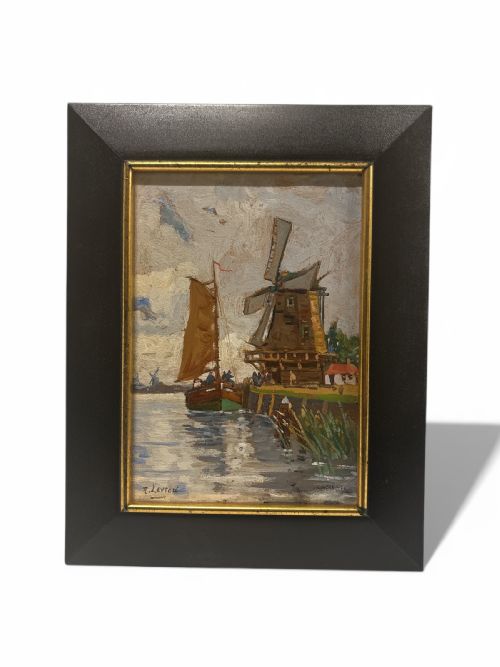
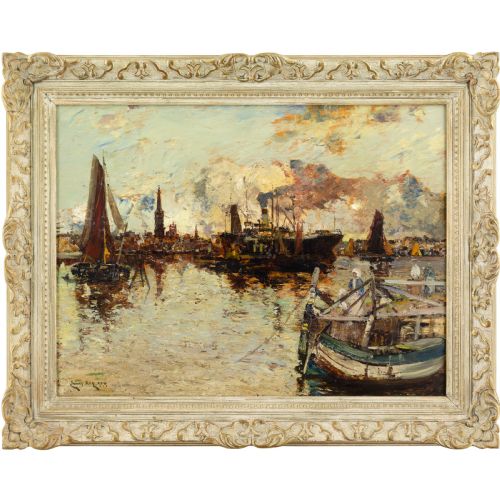
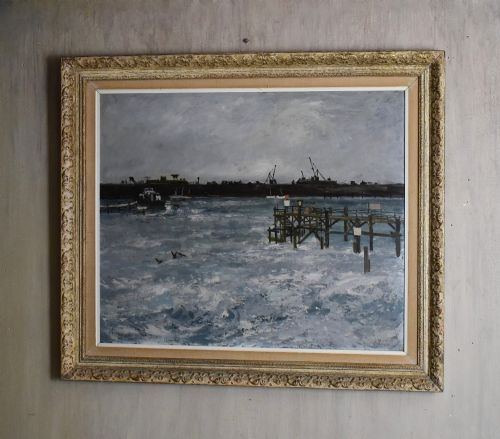
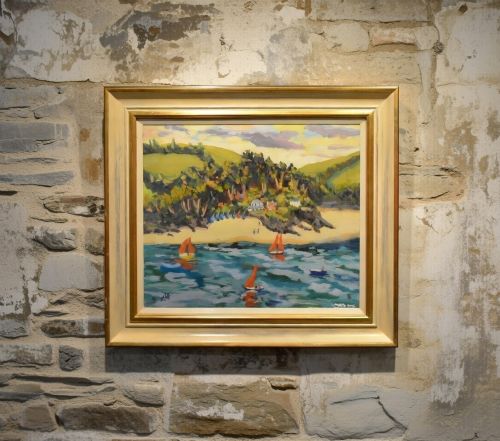
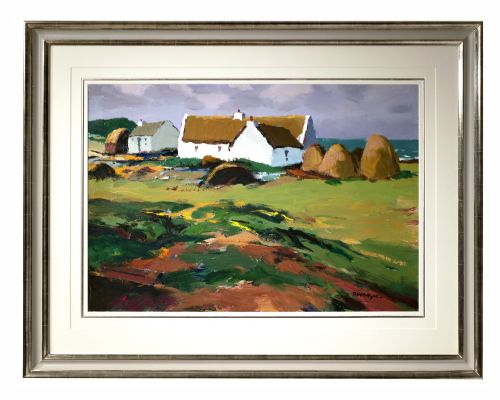
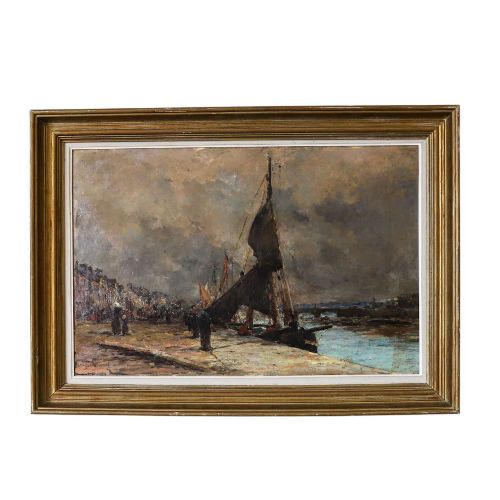
Impasto maritime painting captures coastal waters and vessels through thick, textured pigment that brings salt air and turbulent motion onto the canvas.
Impasto Maritime Painting
When you search for an impasto maritime painting, you encounter works centred on coastal scenes, harbours, rivers and vessels. These pieces range from early twentieth-century depictions to works created later than nineteen-sixty.
Formats include both board and canvas supports, often housed within frames. The subjects span domestic shores like Wales and Dorset alongside continental harbours in France.
How they were made
Artists built these works using oil paint applied thickly to canvas, board or wood panels. This technique creates a physical relief on the surface where pigment stands proud.
Makers utilised brushes and palette knives to lay down heavy, textured strokes that convey the weight of water and the rough structure of hulls and quaysides. Gilt frames frequently enclose these textured oil paintings.
Several canvases capture French harbour quaysides where artists recorded the exact month and year of their coastal visits.
What varies in quality
Quality rests in the confidence of the brushwork and the deliberate handling of heavy pigment to describe light on water. Superior pieces demonstrate a mastery of texture where every stroke defines movement and atmosphere rather than sitting heavily upon the surface.
The articulation of the subject matter, from harbour walls to rigging, distinguishes a resolved composition from a hesitant study. Stronger examples maintain structural clarity beneath the thick impasto.
Kenneth Cozens·R Leyton·James Kay RSW·Peter Brannan·Lucy Pratt·Donald McIntyre·Elisabeth Bardon·Jean-Baptiste Olive·Raymond Picque·James Fry·Edward M Elliott
The Impasto Maritime Painting Glossary
- Impasto
- Paint applied thickly to a canvas or board, standing out in relief from the plane. This technique allows the physical marks of the brush or palette knife to catch the light.
- Maritime painting
- Artworks depicting ships, seascapes, coastal views and harbour scenes. Such works focus upon marine environments and nautical subjects.
- Post-Impressionism
- An artistic movement extending impressionist methods towards bolder colours and distinct forms. Practitioners developed personal interpretations of light and structure.
- Mid-Century Modern
- A stylistic period spanning the middle decades of the twentieth century, characterised by simplified forms and modernist principles. Works from this era often embrace progressive approaches to landscape and marine subjects.
Impasto Maritime Painting: Frequently Asked Questions
What is an impasto maritime painting?
An impasto maritime painting is an artwork depicting coastal scenes, rivers or vessels using thick, raised layers of oil paint. The heavy pigment creates a tactile surface that enhances the sense of movement in water and sky.
These works span from the early twentieth century through the mid-century modern period, originating primarily from British and French contexts.
How do I care for textured oil paintings?
Textured oil paintings require gentle dusting with a soft, dry brush to prevent particulate matter from settling within the raised ridges of paint. Avoid using damp cloths or cleaning solutions on the textured surface.
Keep the works away from direct sunlight and dramatic humidity shifts to protect both the paint layer and the underlying canvas or board.
How are periods identified in these artworks?
Periods are identified through artist signatures, biographical dates, stylistic markers and framing conventions typical of specific decades. Works often reflect the evolution from early impressionist approaches to mid-century modern abstractions.
Subject matter and regional painting styles also provide context for dating individual pieces.
What surfaces were used for these paintings?
Artists painted these marine scenes on stretched canvas, wooden panels and rigid boards. The choice of support often relates to the thickness of the oil paint and the date of creation.
Sturdy wooden boards easily supported the heavy pressure of palette knives used during impasto application.