


Ochre Oil Painting
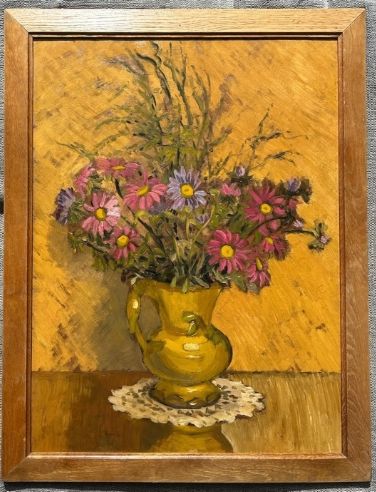
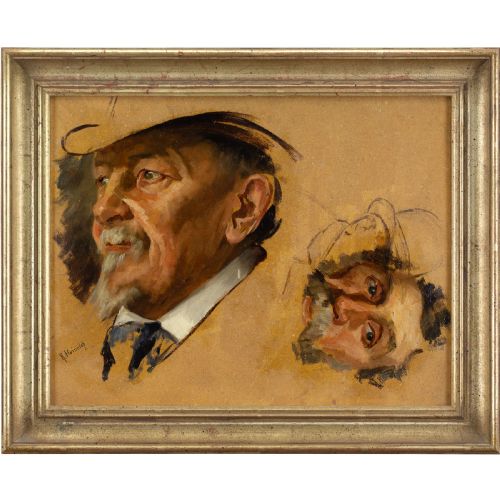
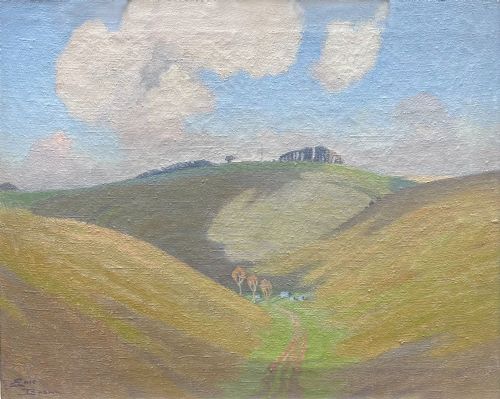
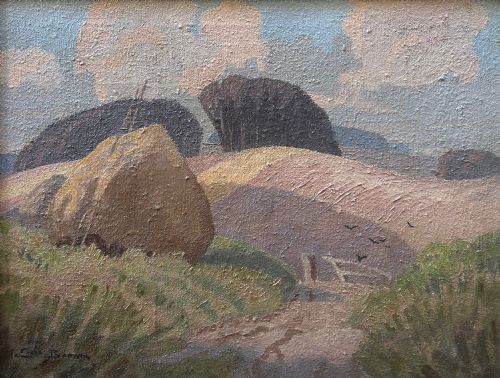
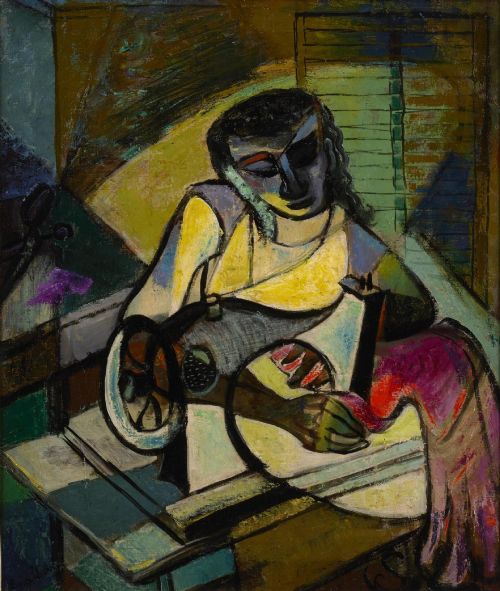
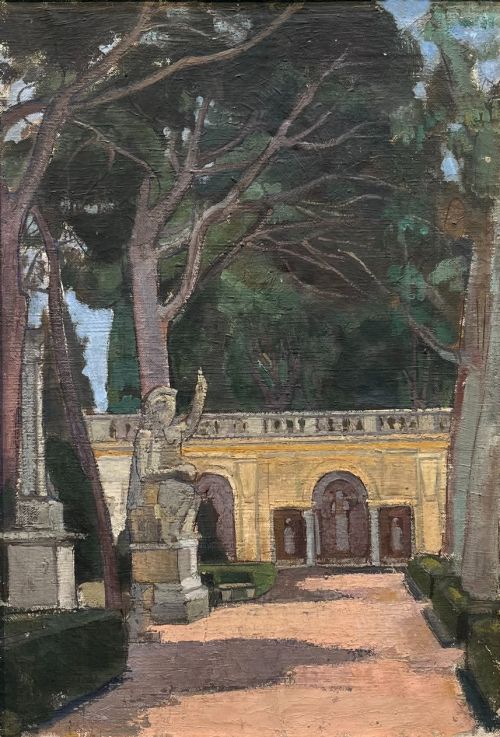
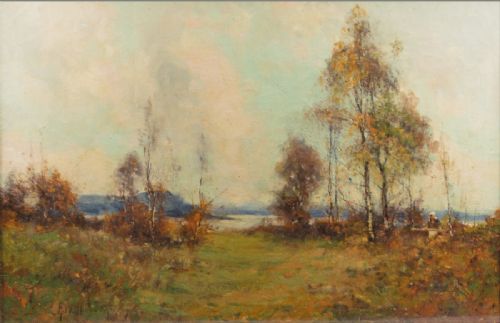
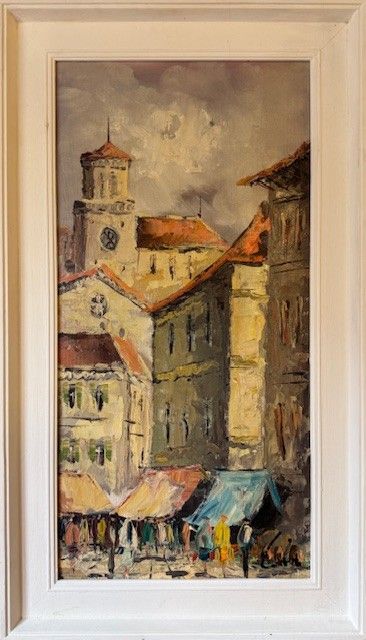
Ochre oil painting works of art present deep earthy yellows and rich textures captured across canvas and board.
Ochre Oil Painting
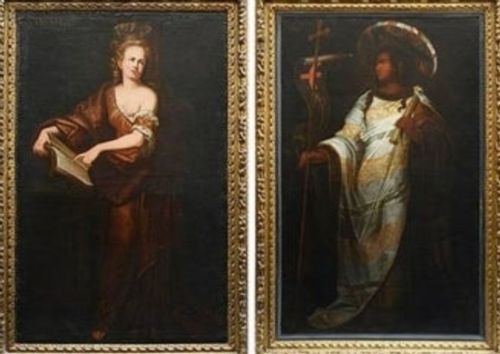
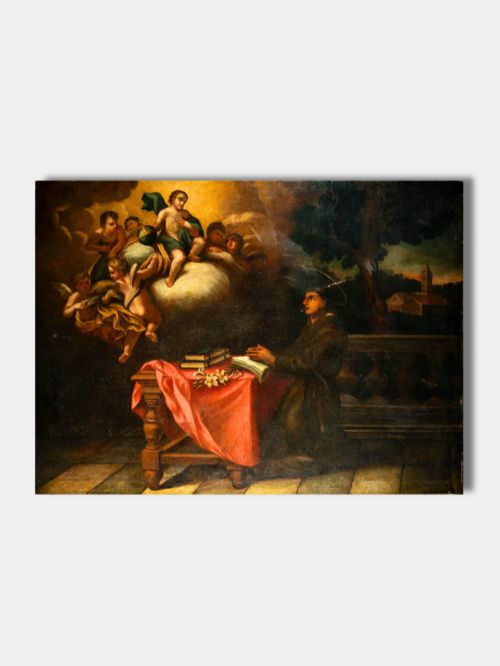
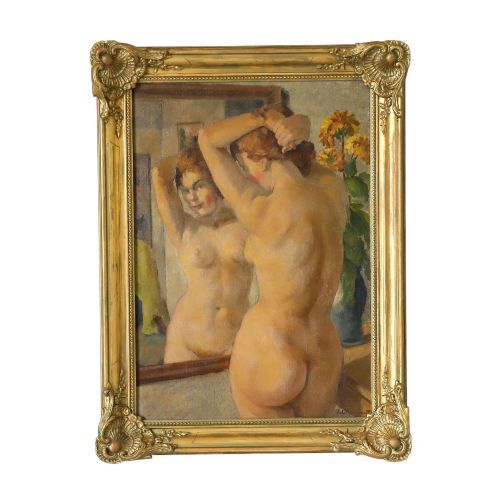
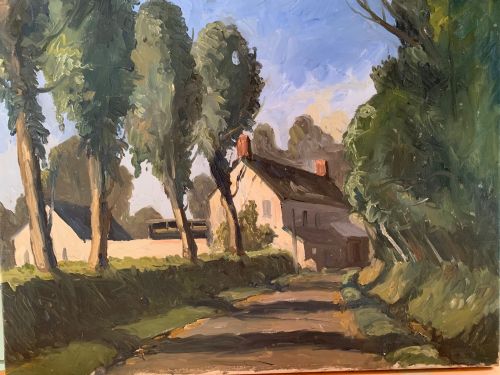
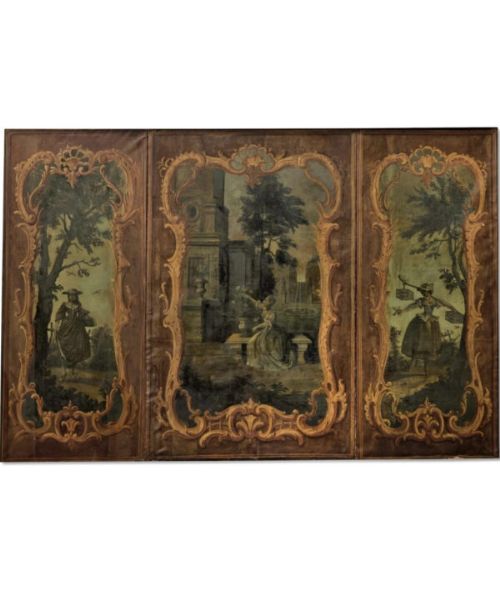
When searching for an ochre oil painting, buyers encounter works spanning from the eighteenth century through to the mid twentieth century, encompassing landscapes, portraits, and still life subjects. The selection includes British Impressionism, Post-Impressionism, and Mid-Century Modern canvases alongside Victorian pieces and works originating from France, Spain, and Scandinavia.
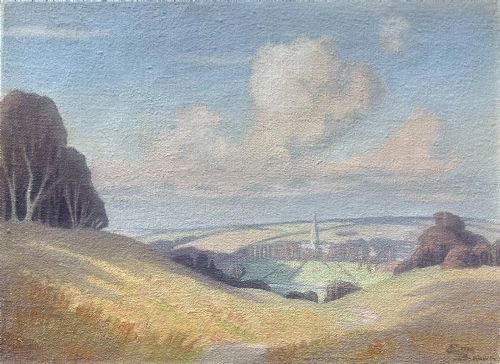
The most common formats on this page are oil paintings rendered on canvas or board, housed in wood frames, showing subjects ranging from pastoral hills and floral displays to architectural studies and coastal scenes.
How they were made
These works utilise oil paint applied to stretched canvas, wooden panels, or rigid board supports. Artists manipulated the pigment with brushes and knives, often building rich layers and textured surfaces that define the visual character of the period.
Many paintings retain their original wood frames, completing the construction of the wall art as historical objects.
Several artists captured quiet moments of reading and quiet afternoon shadows across European hillsides.
What varies in quality
The distinction between works rests upon the confidence of the brushwork, the depth of the palette, and the fidelity of the composition. Skilled handling of light and shadow elevates a landscape or portrait, while weaker pieces display hesitant application and flat colour distribution.
Condition of the pigment layer, stability of the canvas or board, and preservation of the original wood frame also influence the standing of an individual work.
Kenneth Cozens·Robert Heinrich·Eric Brown·Lena Gurr·Philippe de Rougemont·Alexander Wellwood Rattray·Raymond Picque·Reginald Grange Brundrit·Cecil Rochfort D'Oyly-John·Amile Coppieters·Ron Folland·Charles Malfroy·William George Meadows·Sir Matthew Smith·Claude Thomas Stanfield Moore·Arthur Winter Shaw·Frederick Christian Lund·Hans Temple
The Ochre Oil Painting Glossary
- Oil paint
- A slow-drying medium consisting of pigments suspended in a drying oil, typically linseed oil. This formulation allows artists to blend tones and build thick impasto textures.
- Canvas
- A heavy woven fabric stretched across a wooden frame to form a rigid painting surface. It provides the foundation for the majority of these works.
- Board
- A rigid flat panel made of wood or pressed material used as a support for painting. Artists frequently utilised this substrate for smaller plein air studies.
- Post-Impressionism
- An art movement developing from the late nineteenth century that extended Impressionism while rejecting its limitations. Painters focused on expressive brushwork and symbolic use of colour.
- Grisaille
- A painting executed entirely in shades of grey or neutral greyish-brown. It often served as an underpainting or a standalone decorative scheme.
Ochre Oil Painting: Frequently Asked Questions
What subjects appear in these paintings?
The works feature diverse subjects including river landscapes, pastoral hills, floral displays, architectural studies, and interior portraits. Artists captured both rural scenes and urban settings across different European regions.
Compositions range from intimate still lifes in vases to expansive coastal views and market squares.
How should I hang an oil painting?
Secure the painting using appropriate wall fixings that match the weight of the canvas and its wooden frame. Position the work away from direct sunlight and fluctuating heat sources to protect the oil pigment.
Ensure the frame hangs level and sits flush against the wall surface for stable display.
How do I identify the period of a work?
Examine the materials used for the support, such as prepared canvas or wood panels, alongside the framing style and handling of pigment. Stylistic indicators like Post-Impressionist brushwork or Victorian portrait conventions offer clear chronological clues.
Signatures, dates written on the reverse, and artist records assist in narrowing down the date of creation.
Are these works supplied framed?
Many pieces retain their original or period wood frames, which form an integral part of the physical object. The description specifies whether a frame accompanies the canvas or board.
Buyers should inspect the listing details to confirm if the displayed woodwork is included with the artwork.