

Earth Tone Artwork
Earth tone artwork brings together centuries of painted canvases and watercolours dominated by muted pigments.
Earth Tone Artwork
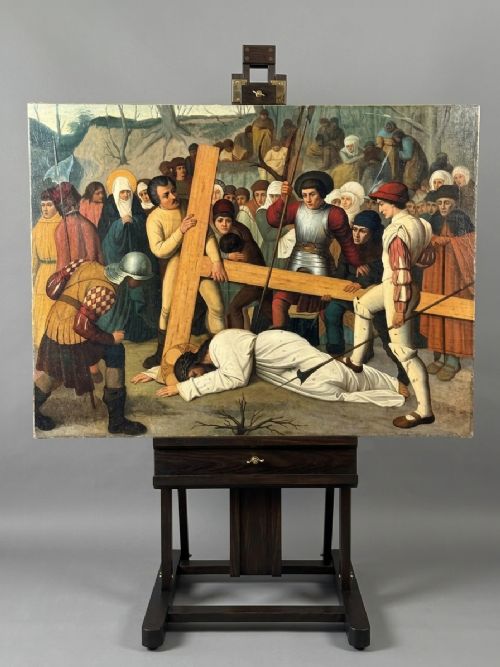
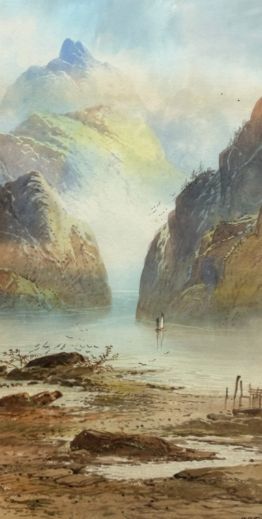
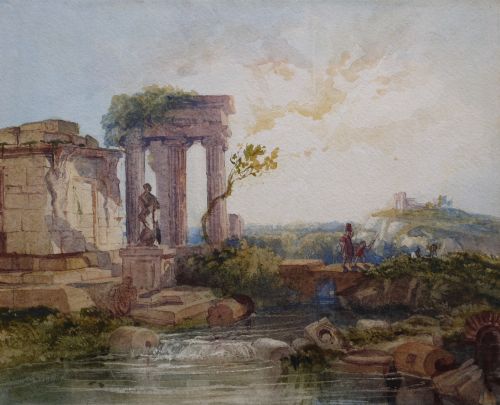
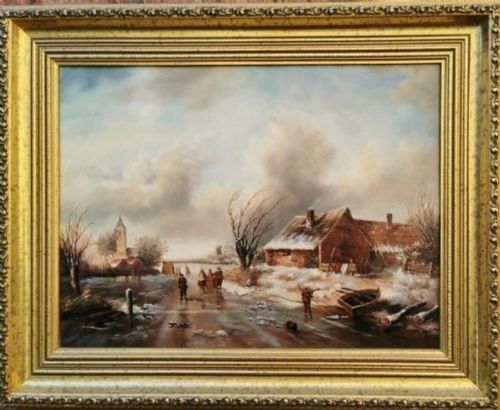
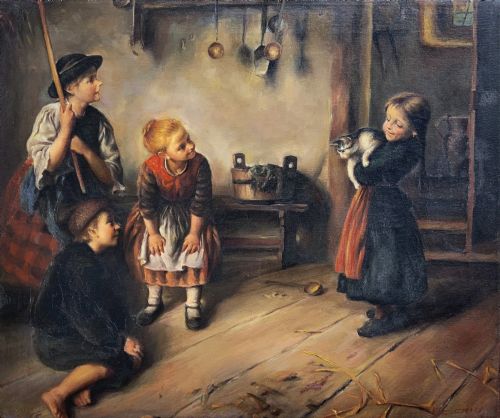
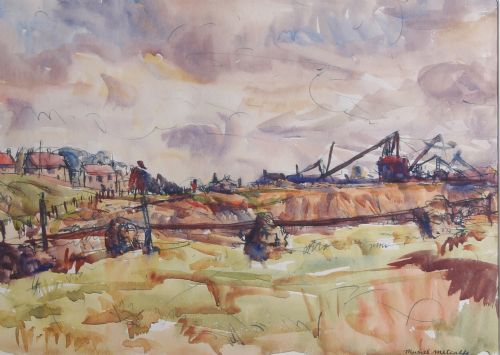
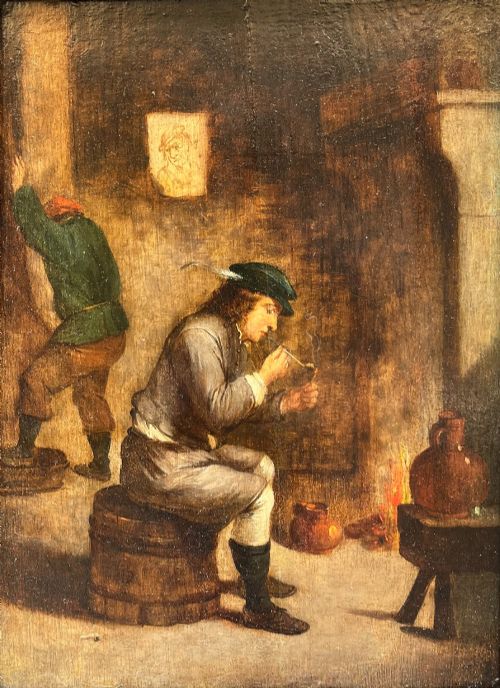
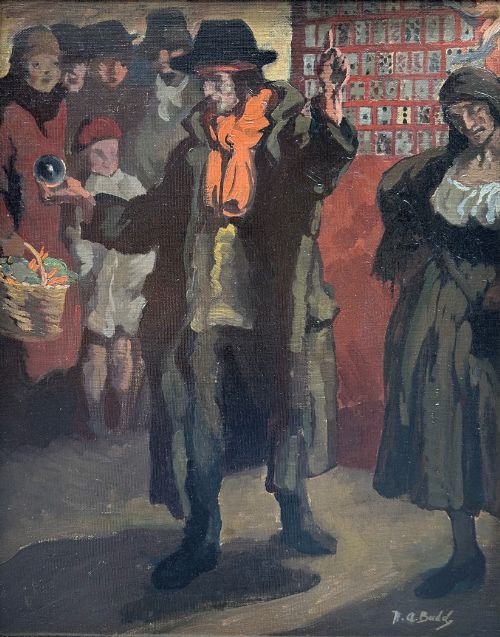
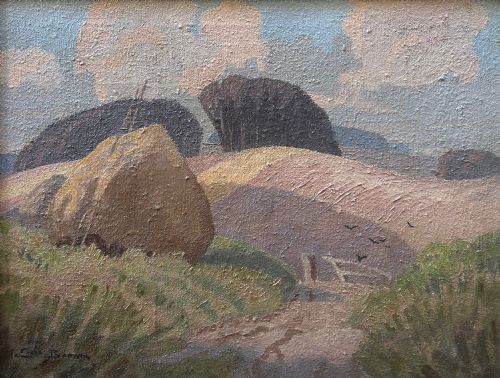
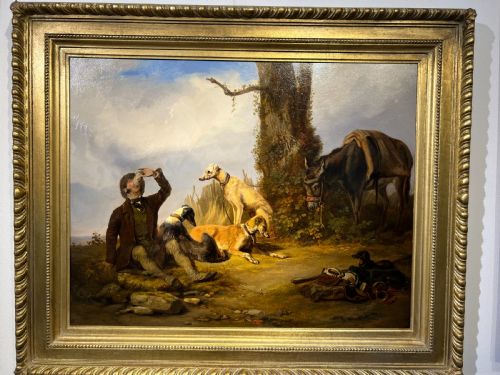
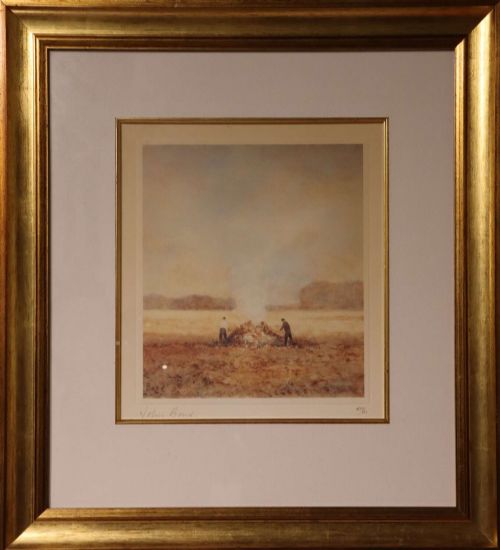
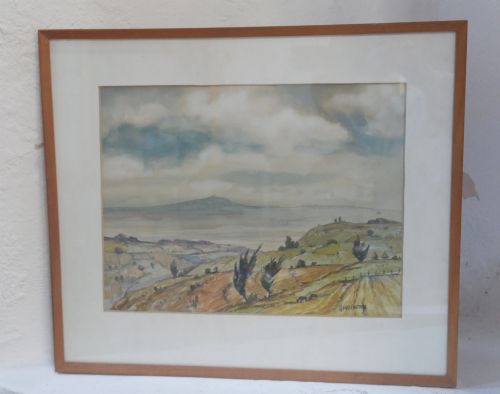
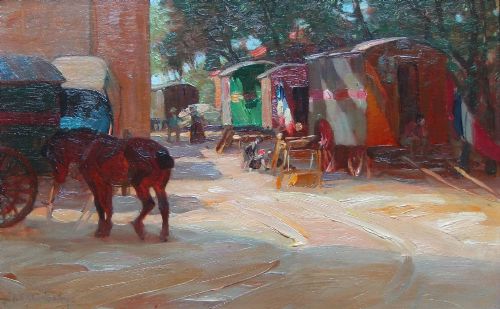
When you search for earth tone artwork, you are looking at original paintings and watercolours spanning the Victorian era through to the mid-twentieth century. The selection leans heavily towards landscapes, genre scenes, and pastoral watercolours executed in natural, subdued colour palettes.
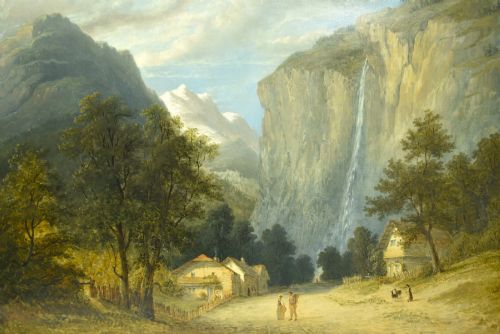
You are most likely to meet nineteenth-century works and early twentieth-century British watercolours on this page. These pieces often depict rural views, river scenes, and coastal subjects rendered on paper, canvas, or wood panels.
Materials and methods
These works rely on traditional painting media applied to prepared supports. Artists utilised oil paint and watercolour pigment on canvas, paper, wood panels, and occasionally board.
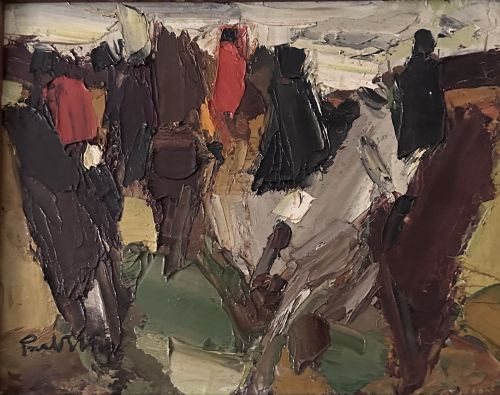
Brushwork ranges from detailed academic application to looser impressionistic strokes. Pigments derived from natural earths predominate, creating the characteristic muted tones across the varied landscape and figurative subjects.
Listings feature works from the seventeenth century through to the 1960s, employing canvas, paper, and wood.
Distinctions in quality
The standard of execution separates a masterwork from a common studio production. Confident brushwork, successful compositional balance, and atmospheric depth distinguish superior paintings from stiff or formulaic renderings.
Condition and preservation also define the upper tier of these pieces. Works retaining their original pigments without excessive restoration or fading command greater appreciation among collectors.
William Henry Earp·Richard Principal Leitch·Thomas Ellison·David Teniers·Herbert Ashwin Budd·Eric Brown·Sir Edwin Henry Landseer·John Bond·Paul Ehrenberg·Alfred George Morgan·Oswald Garside·James Tower·Sir David Murray·Ernest Higgins Rigg·Gabriel Puig Roda·David Teniers II·Anne Dorrien Smith·Owen Bowen·George Armfield·James Orrock·James Hardy Junior·William Greaves·Frederick W Jackson·Percival Glenfern·Louie Stanley Maurice Prince
The Earth Tone Artwork Glossary
- Oil on Canvas
- A painting technique where oil paint is applied to stretched woven fabric. This medium allows for rich colour blending and textured impasto applications.
- Watercolour
- A painting method where pigment is suspended in a water-based solution and applied to paper. It yields translucent washes that capture light effectively.
- Genre Painting
- A pictorial representation of scenes from everyday life. These works typically depict ordinary people engaged in common activities.
- Impasto
- Paint laid thickly on a surface so that the brush or palette knife marks remain visible. This technique adds tactile relief and catches light on the canvas.
Earth Tone Artwork: Frequently Asked Questions
What subjects appear most frequently?
Landscapes, rural farmyards, and coastal views dominate the selection. Artists captured rivers, moorlands, and everyday village scenes across Britain and Europe.
Figurative works and genre paintings also feature regularly. These often portray animals, agricultural labourers, or domestic figures within natural settings.
How should these paintings be displayed?
Keep works away from direct sunlight to protect watercolours and oil pigments from fading. Appropriate framing preserves the paper or canvas over time.
Maintain stable indoor humidity levels where the art hangs. Sudden environmental changes can damage older wood panels and canvas supports.
How do I identify the period?
Examine the materials, framing styles, and signatures recorded in the listing details. Victorian pieces often carry distinct subject matter and heavier execution.
Twentieth-century examples frequently show looser brushwork and modern compositional approaches. Comparing the artist's working dates helps confirm the era.
What is the difference between oil and watercolour?
Oil paint uses drying oils to bind pigments, creating opaque layers that can be reworked. Watercolours utilise water-soluble binders for transparent effects on paper.
Oils generally require sturdy supports like canvas or wood panels. Watercolours need protective glazing behind glass to prevent surface abrasion.