



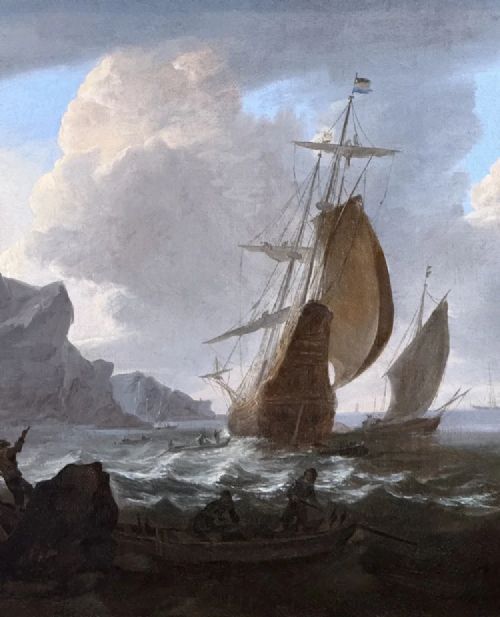
Coastal Oil Artwork
Coastal oil artwork brings the maritime world indoors through pigment and brush.
Coastal Oil Artwork
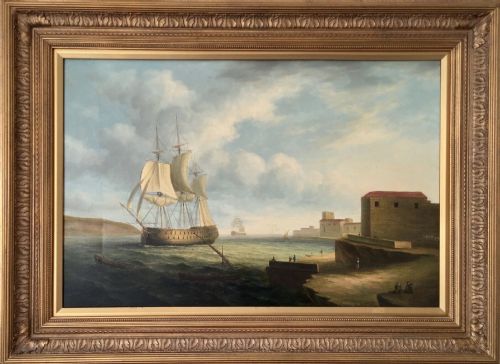
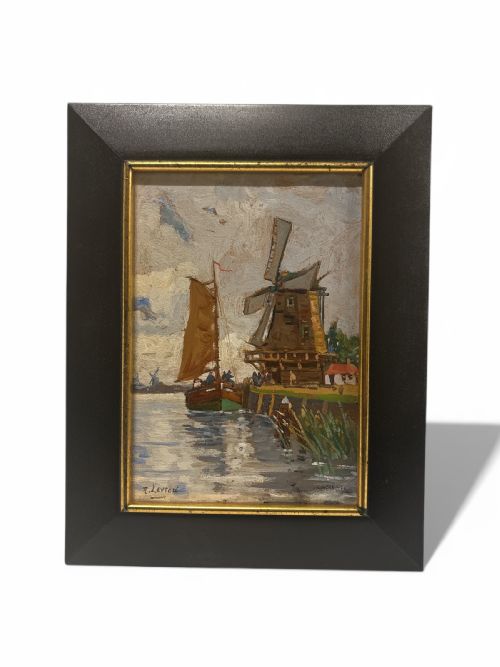
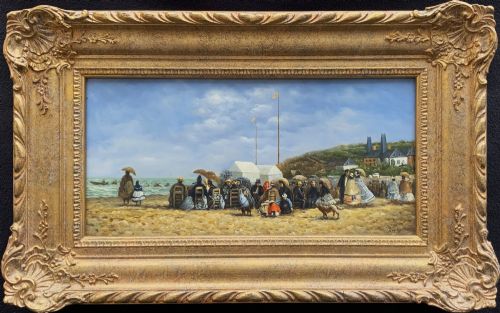
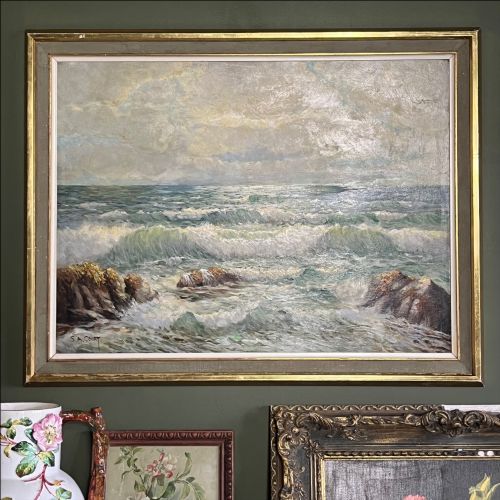
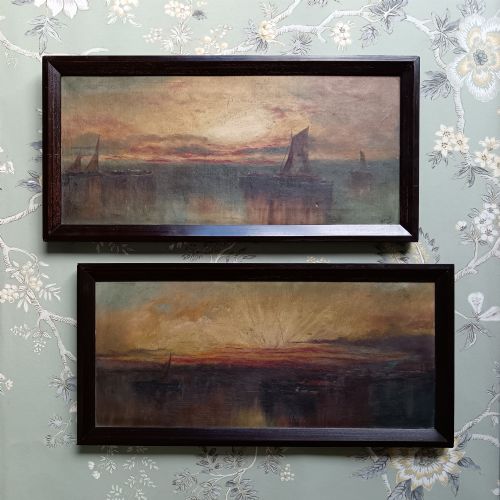
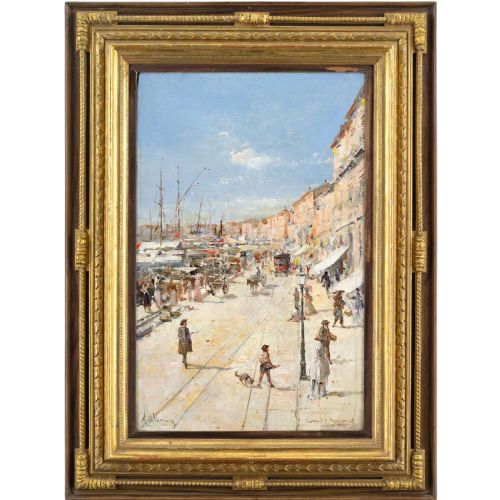
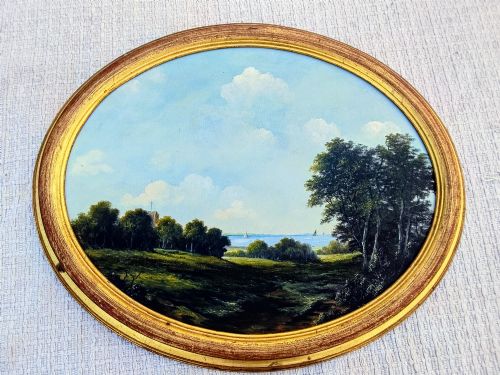
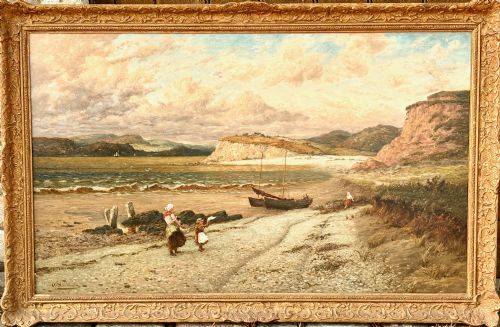
A coastal oil artwork captures marine views, harbours and shorelines using oil paint on supports like canvas, board or wood. When searching for coastal oil artwork, buyers encounter pieces spanning the nineteenth century through the mid-twentieth century, with styles ranging from traditional marine painting to post-impressionism.
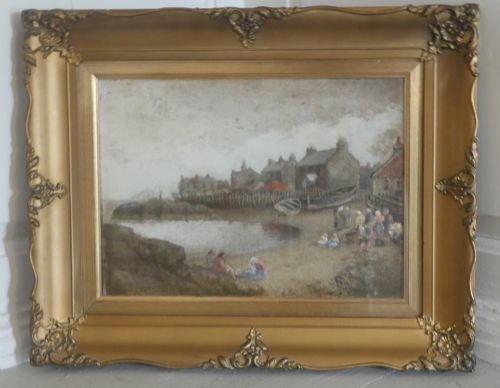
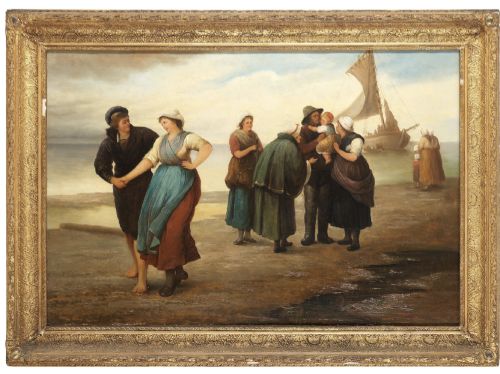
Most examples originate from British and French traditions, depicting scenes such as sailing ships, rocky coasts and village harbours. These works appear in various formats, including framed oils, oval sea views and pairs of maritime scenes.
How They Were Made
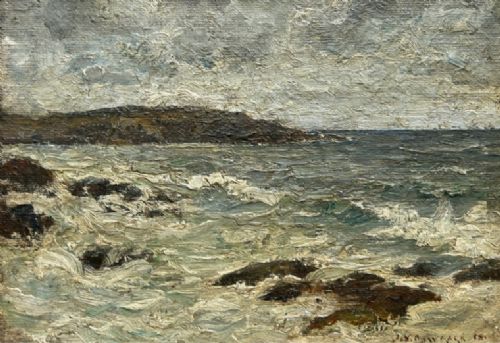
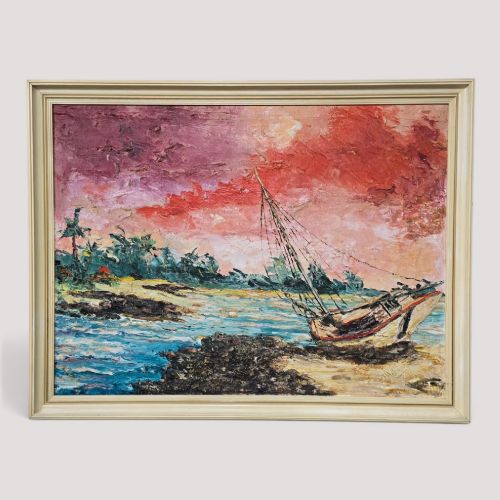
Artists applied oil paint using brushes and palette knives onto surfaces like stretched canvas, wooden panels and sturdy boards, occasionally building up thick impasto textures. Many works were painted en plein air to capture natural light, while studio pieces relied on preparatory sketches of ships and shorelines.
Finished paintings were typically housed in wooden frames, frequently decorated with gilt or carved details to complement the maritime subject matter.
Coastal Oil Artwork Retail Price Guide 2026
Typical asking prices for coastal oil artwork among the pieces listed under this phrase on Sellingantiques today, from the lower quarter to the upper quarter. They describe what is for sale here now, not the wider market.
Several coastal scenes capture boats battling gales, reminding viewers that the sea rarely stays still for the artist.
What Varies in Quality
The standard of a coastal oil artwork depends on the artist's ability to render light, movement and atmospheric depth in water and sky. Stronger works display confident brushwork and accurate proportions in vessels and coastal architecture, whereas weaker pieces show static compositions and timid paint application.
The preservation of the original paint surface and the suitability of the frame also contribute to the overall integrity of the piece.
Kenneth Cozens·Clifford Hanney·Sidney A Court·B Nash·Edward Mills·Augusto Alberici·Bonaventura Peeters·Lucy Pratt·Clive Browne·Peter Brannan·Paul Bret·Bernard Benedict Hemy·Thomas Creswick·James Fry·Ethel Sands·Donald McIntyre·Cecil Allan Mould·Charles Euphraisie Kuasseg·John Wilson Carmichael·Abraham Cooper·John Moore of Ipswich·William Henry Williamson·Erich Mercker
The Coastal Oil Artwork Glossary
- Impasto
- Paint applied thickly to a canvas or board, standing out in relief from the surface and showing distinct brush or knife marks.
- En plein air
- Painting outdoors to directly observe the landscape and capture fleeting effects of natural light.
- Gilt wood
- Wood coated with a thin layer of gold leaf or gold paint, commonly found on nineteenth-century picture frames.
- Marine art
- Artistic representation of maritime subjects, including ships, coastal landscapes and harbour scenes.
- Post-Impressionism
- An art movement extending beyond impressionism that prioritised expressive forms and symbolic use of colour.
Coastal Oil Artwork: Frequently Asked Questions
What is coastal oil artwork?
Coastal oil artwork consists of painted depictions of the sea, shores and maritime activity executed in oil paint.
These pieces use supports such as canvas and board, reflecting traditions from the nineteenth and twentieth centuries.
How were maritime paintings used?
Maritime paintings were created primarily as decorative objects for domestic interiors and public spaces.
Owners displayed them to celebrate naval achievements, record local harbours or enjoy scenic coastal views.
How do I live with oil paintings?
Oil paintings require placement away from direct sunlight and excessive moisture to protect the canvas and paint layers.
Keeping them in stable room temperatures helps preserve the wood supports and gilt frames.
How are periods told apart?
Nineteenth-century works tend to feature detailed rigging and naturalistic maritime scenes, whereas mid-twentieth-century pieces often embrace impressionistic or abstract brushwork.
Framing styles and signatures also offer clues to the era of production.