


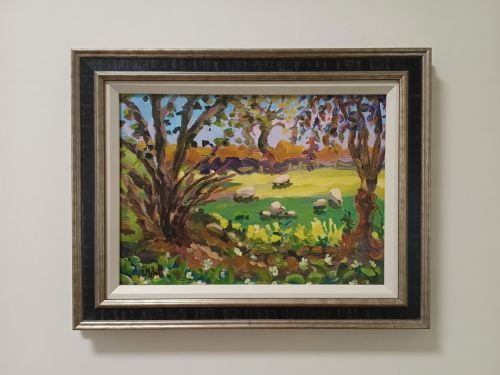
British Pastoral Landscape Art
British pastoral landscape art captures the quiet rhythms of the countryside through traditional depictions of fields, rivers, and farm animals.
British Pastoral Landscape Art
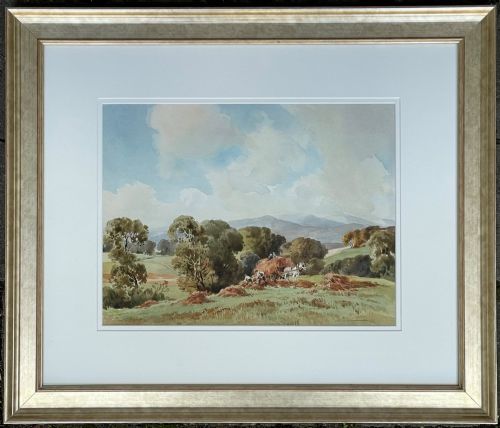
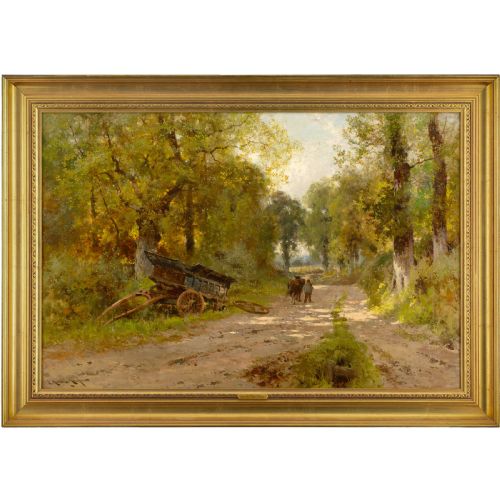
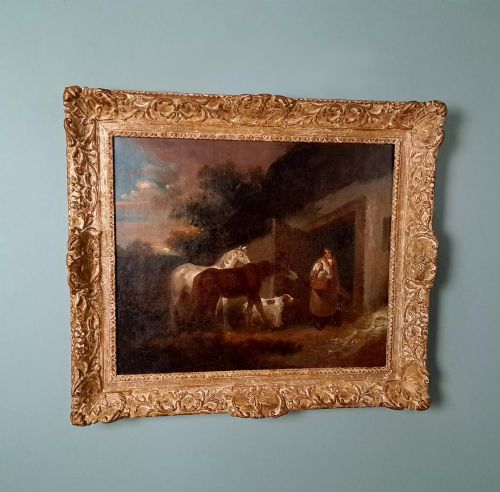
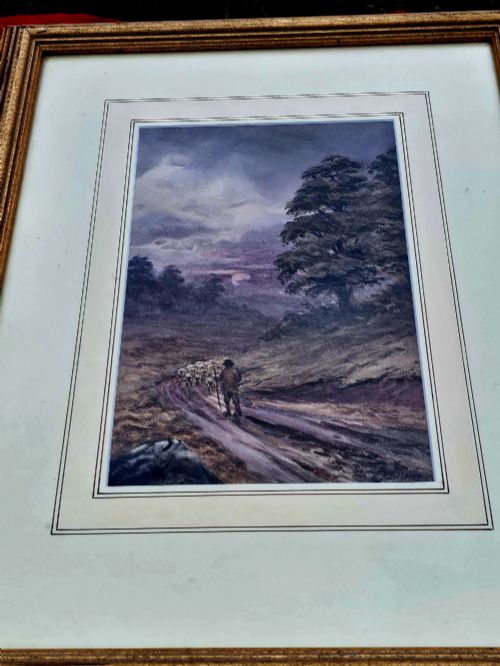
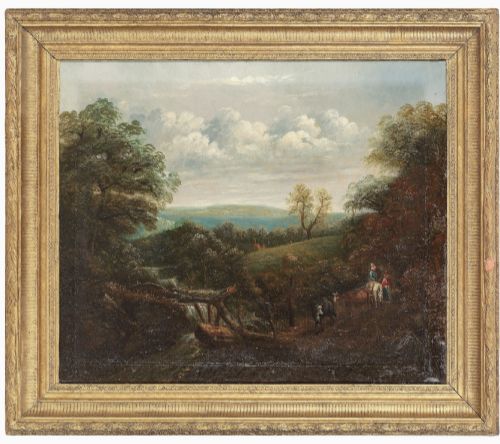
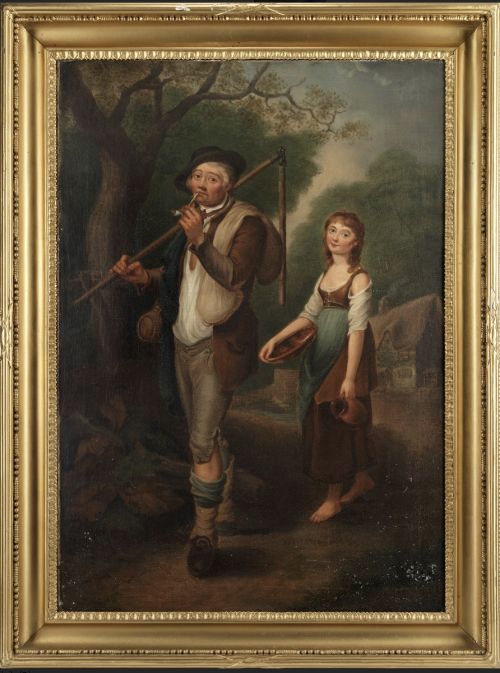
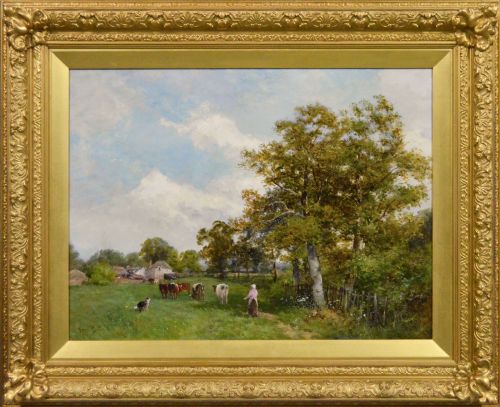
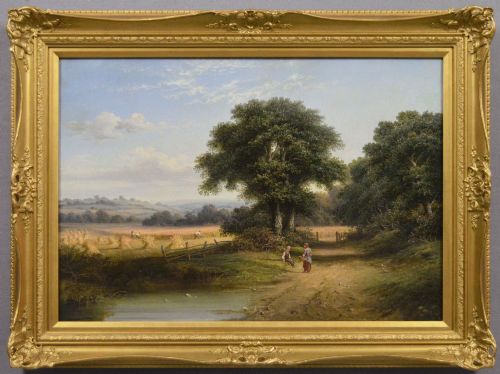
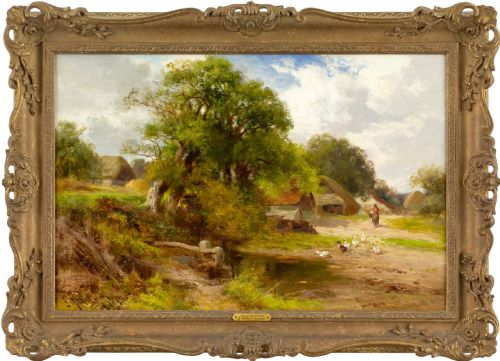
British pastoral landscape art encompasses rural scenes featuring figures, cattle, sheep, and cottages set within fields, riverbanks, and woodlands. These works span from the late eighteenth century through the Edwardian period, capturing changing agricultural life and natural scenery.
The selections available here lean heavily toward nineteenth-century and early twentieth-century interpretations, including Victorian and Edwardian examples. Buyers frequently encounter oil paintings on canvas or wood panel alongside delicate watercolours on paper.
Materials and methods
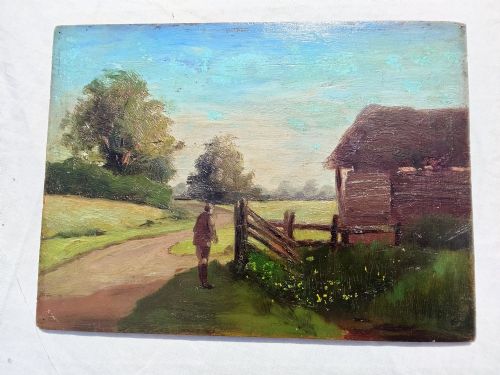
Artists relied primarily on oil paint applied to canvas or wooden boards, allowing for rich textures and deep colour layering in outdoor scenes. Watercolours on paper provide a lighter, more translucent medium suited for capturing atmospheric weather and rural light.
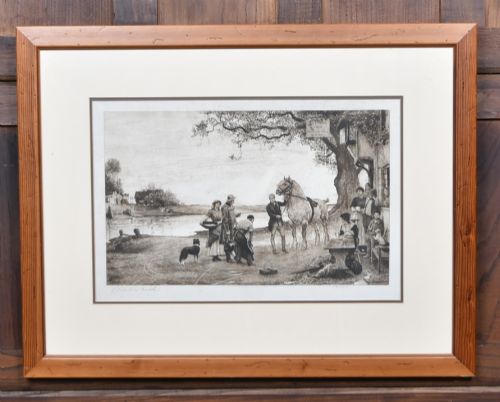
Wood panels and stretched canvases served as the common foundation for oils, while traditional paper supports held watercolours and early lithographic prints. Framing often utilised period wood mouldings to complement the rural subject matter.
British Pastoral Landscape Art Retail Price Guide 2026
Typical asking prices for british pastoral landscape art among the pieces listed under this phrase on Sellingantiques today, from the lower quarter to the upper quarter. They describe what is for sale here now, not the wider market.
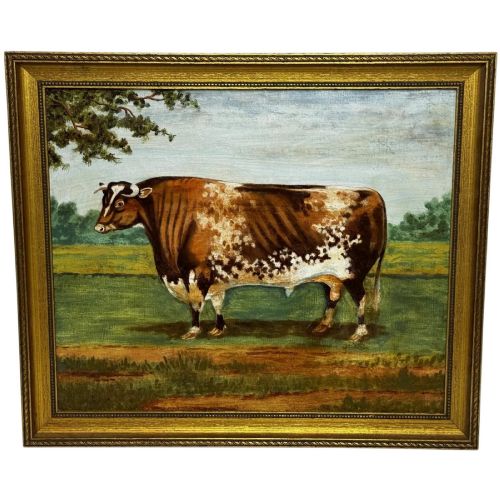
Several canvases faithfully record the stubborn expressions of prized shorthorn bulls and working sheepdogs.
Judging the work
Distinction in these pieces rests upon the artist's command of light, shadow, and compositional balance within the natural setting. Stronger examples demonstrate confident brushwork and precise anatomical rendering of livestock and human figures.
Subtlety in capturing atmospheric conditions, such as twilight or river mist, separates ambitious studio works from standard decorative pieces. The harmony between the landscape and its rural inhabitants dictates the overall artistic success.
Thomas Barker of Bath·David Bates·Walter Heath Williams·Ernest Higgins Rigg·George Oyston
The British Pastoral Landscape Art Glossary
- Watercolour
- A painting method where fine pigment is suspended in a water-based solution, typically applied to paper. This medium allows for luminous washes and rapid sketching of outdoor light.
- Wood Panel
- A rigid flat wooden support used as a substitute for canvas by painters. It offers a stable surface that preserves fine details in early compositions.
- Canvas
- Heavy woven fabric stretched across a wooden frame to hold oil paints. It provides a textured ground that responds well to layered brushstrokes.
- Norwich School
- A regional collective of artists inspired by local Norfolk scenery and Dutch landscape traditions. Their works emphasise realistic depictions of rivers, woods, and rural labourers.
British Pastoral Landscape Art: Frequently Asked Questions
What periods do these landscapes cover?
The available works span from the late eighteenth century through the Victorian and Edwardian eras, extending into the early twentieth century.
Most pieces date from the nineteenth century, reflecting shifting artistic approaches to rural life and industrialisation.
How do oil paintings differ from watercolours here?
Oil paintings utilise heavy pigments on canvas or wood panels, offering rich textures and deep colour saturation suited for dramatic lighting.
Watercolours employ translucent washes on paper, capturing delicate atmospheric effects and natural light with greater fluidity.
What subjects typically appear in these scenes?
Common subjects include agricultural workers, riverside paths, cottage gardens, and grazing livestock such as sheep and cattle.
Artists frequently documented specific regional locations across Britain, celebrating local topography and traditional farming methods.
How should I care for antique watercolours?
Watercolours on paper require protection from direct sunlight to prevent fading of the delicate pigments over time.
Displaying them in stable indoor environments away from excessive moisture preserves both the paper support and the original frame.