


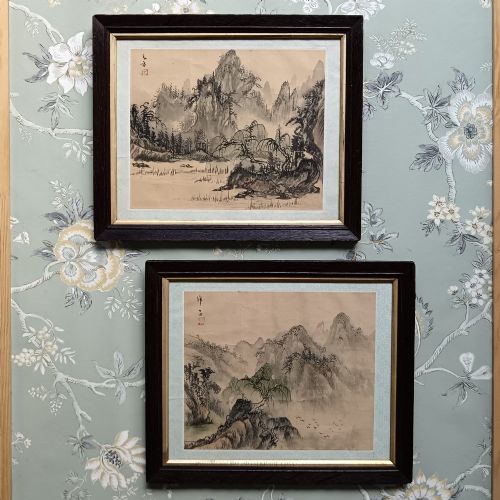

Framed Watercolour Wall Art
Framed watercolour wall art brings together delicate pigment and paper, offering an intimate glimpse into past landscapes and portraits.
What framed watercolour wall art is
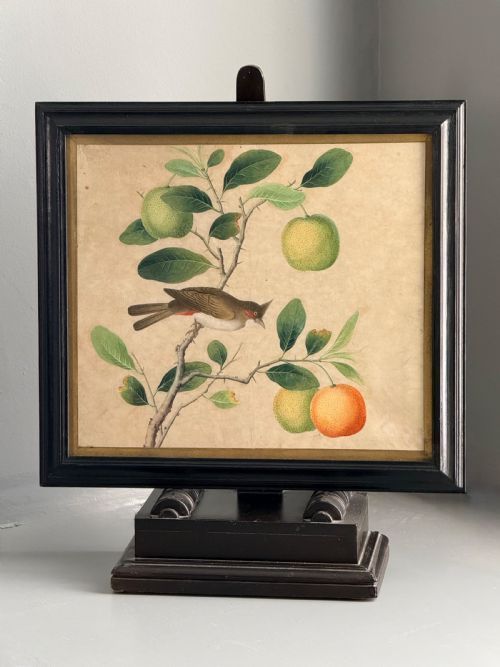
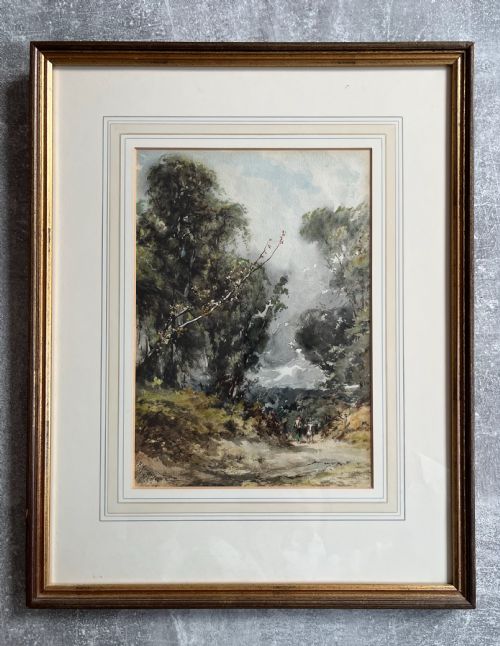
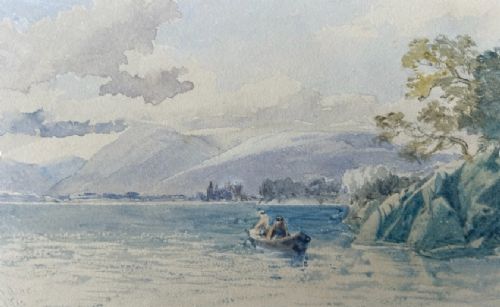
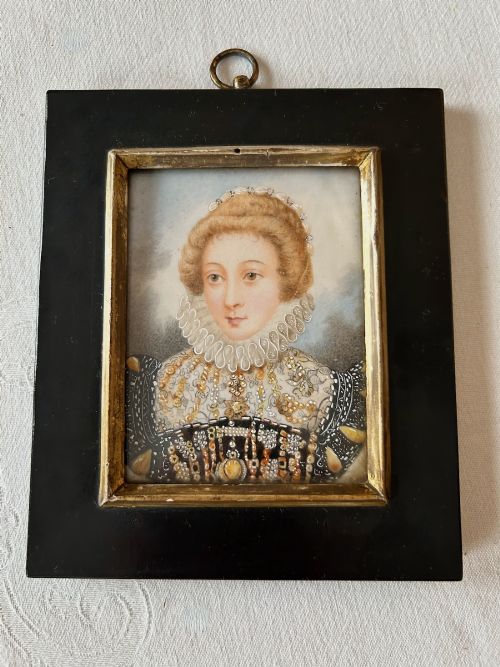
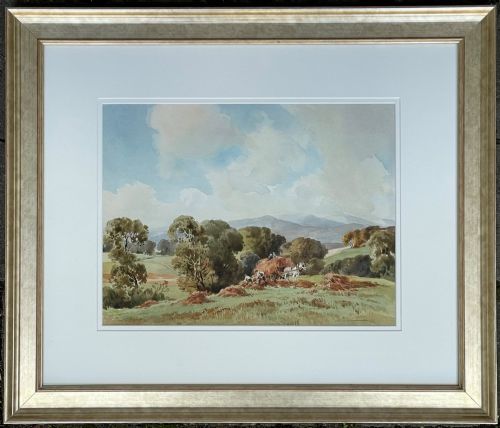
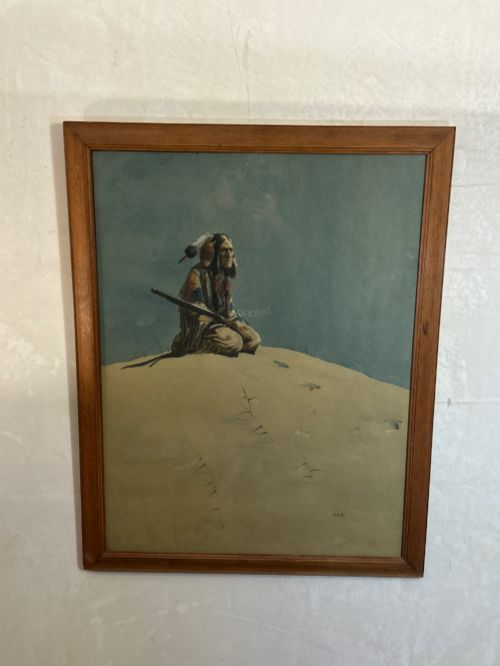
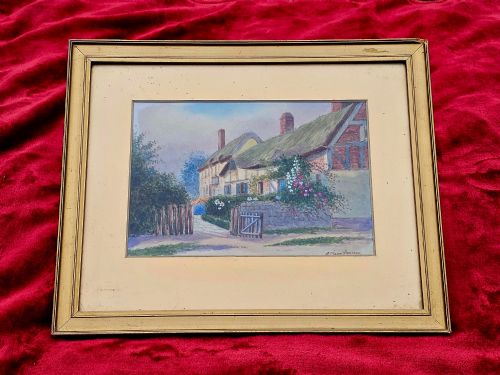
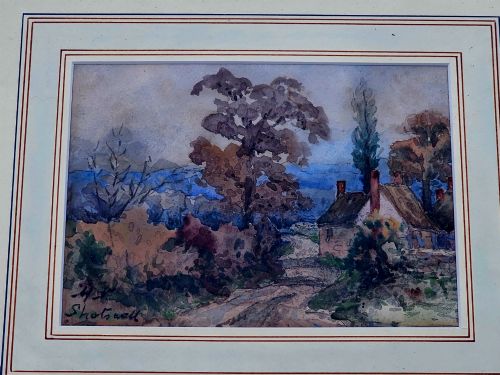
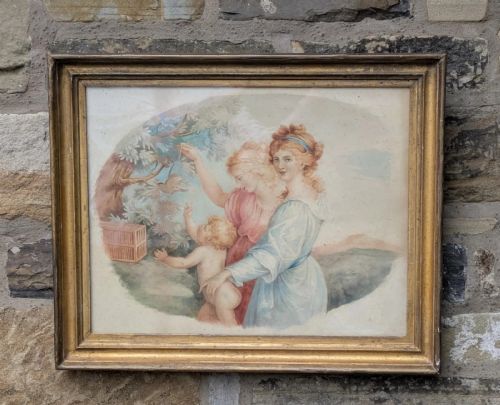
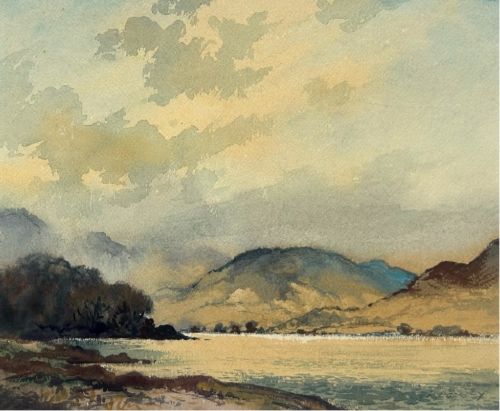
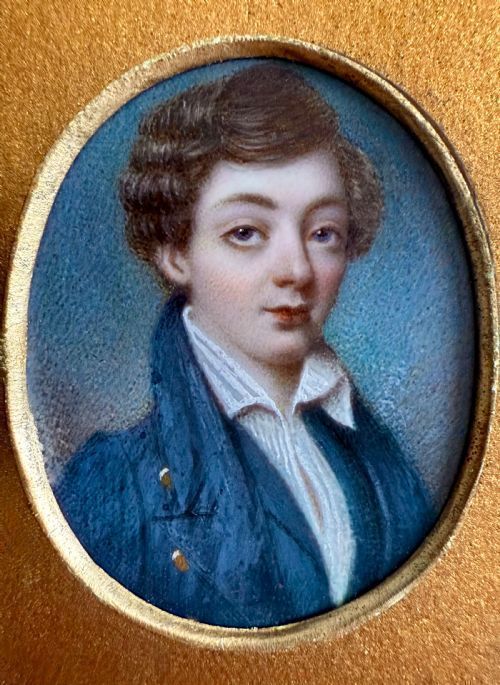
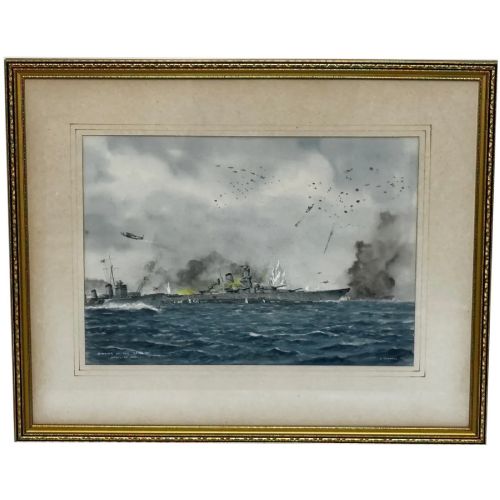
Framed watercolour wall art encompasses works executed in watercolour pigment, gouache, and watercolour on paper, presented behind glass within protective wooden frames. These pieces function as wall art, capturing pastoral scenes, portraits, and architectural studies.
The selections span distinct periods, including Victorian, Edwardian, and the early twentieth century, reflecting enduring approaches to paper-based painting. Buyers encounter everything from detailed depictions of figures to broad landscape watercolours.
Regional and stylistic categories shape the offerings, ranging from English School compositions and Victorian naturalism to early twentieth-century realism and modern British examples. Each piece preserves the distinct handling of pigment characteristic of its era.
How they were made
Watercolour pigment and gouache are applied directly to paper or cardboard supports, utilising the reflective quality of the white ground beneath translucent washes. Artists build up imagery through controlled applications of water-soluble colour, sometimes combining opaque bodycolour for highlights.
Mounting and framing protect these delicate media behind glass within wooden surrounds. This traditional method of preservation shields the paper surface from environmental degradation while presenting the painting for wall display.
Retail Price Guide 2026
Typical UK retail prices for framed watercolour wall art, calculated from the Sellingantiques database of over a million retail prices indexed since 2003. This retail price guide relies exclusively on Sellingantiques data; no external sources or auction records are used, so the figures do not describe the wider market.
Two young girls continually walk across a Victorian bridge in one watercolour, frozen in mid-step since eighteen ninety.
What varies in quality
The distinction between standard works and finer examples lies in the assuredness of the brushwork and the precision of the composition. Accomplished practitioners command washes and line with notable economy, creating depth and atmosphere effortlessly.
Condition and preservation heavily influence the standing of a piece, particularly the stability of the paper support and the clarity of the pigments under glass. Works retaining their original tonal vibrancy without excessive fading represent the higher tier.
Harry Epworth Allen·Robert Winchester Fraser·Sonia Lawson
The Framed Watercolour Wall Art Glossary
- Gouache
- An opaque watercolour medium containing pigment mixed with water and a binding agent, often used to create solid highlights. It provides greater coverage than traditional transparent washes.
- Watercolour pigment
- Finely ground colour particles suspended in a water-soluble binder, forming the primary medium for these works. It relies on the underlying paper to reflect light back through the wash.
- Victorian Naturalism
- An artistic approach focusing on realistic depictions of the natural world and everyday rural life, prevalent during the nineteenth century. This style prioritises close observation of light and topography.
- English School
- A broad classification denoting painters trained or working within British artistic traditions across several centuries. It encompasses diverse approaches to landscape and portraiture.
Frequently Asked Questions
How do I care for watercolour paintings?
Keep watercolours away from direct sunlight to prevent the pigments from fading and the paper from yellowing over time.
Ensure they hang in rooms with stable humidity levels to protect both the paper and the wooden frames behind glass.
What periods do these paintings represent?
The available works span from the late nineteenth century, including Victorian and Edwardian examples, through to the mid-twentieth century.
Stylistic shifts across these decades move from romantic landscape traditions towards modern British compositions.
What is the difference between watercolour and gouache?
Watercolour relies on transparent washes of pigment where the white of the paper shines through to create luminosity.
Gouache includes added white pigment or chalk, creating an opaque finish that allows for solid blocks of colour and crisp highlights.
Are these works original paintings?
Each piece listed is an original hand-painted work on paper or cardboard rather than a modern mechanical reproduction.
Artists apply pigment directly by hand, meaning every brushstroke and wash is unique to that specific sheet.