








Traditional Landscape Picture
A traditional landscape picture brings the quiet detail of fields, rivers and coastlines directly onto a wall.
Traditional Landscape Picture
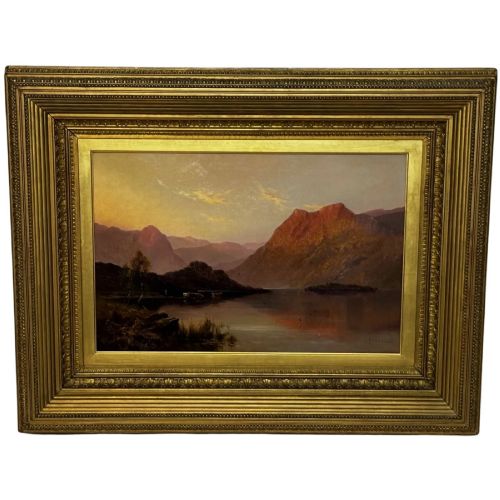
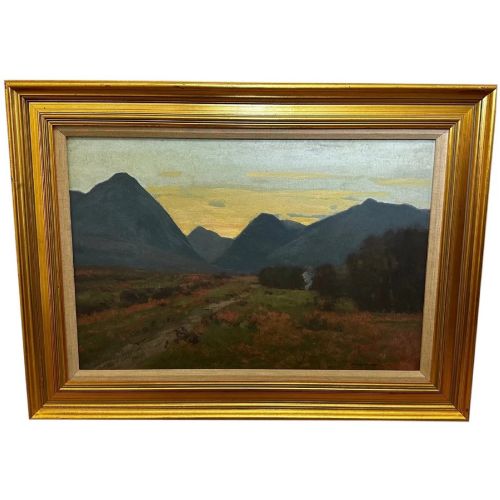
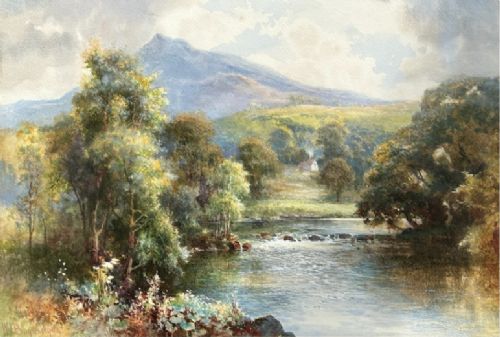
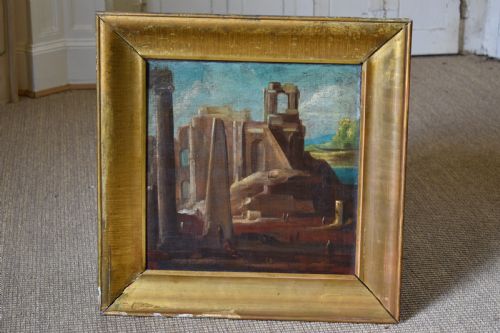
A traditional landscape picture encompasses oil paintings, watercolours and framed artwork capturing rural scenery, river valleys and coastal views. These pieces span periods from the nineteenth century through the Edwardian era, reflecting shifting approaches to natural scenery.
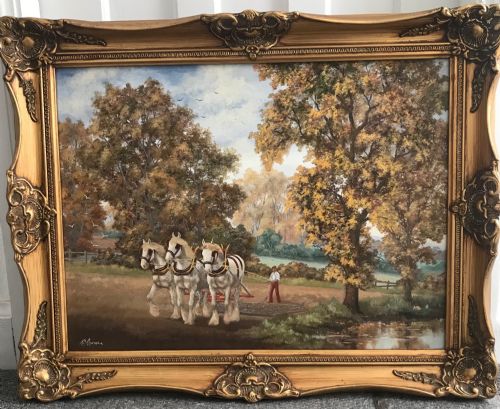
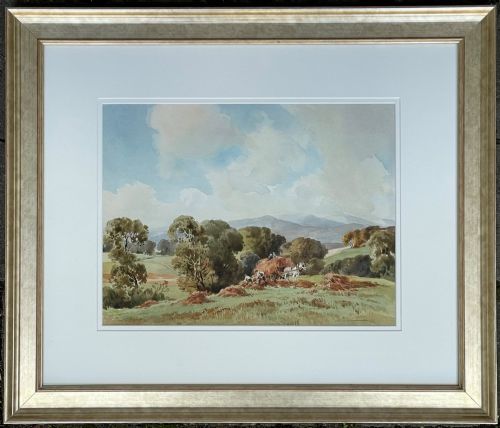
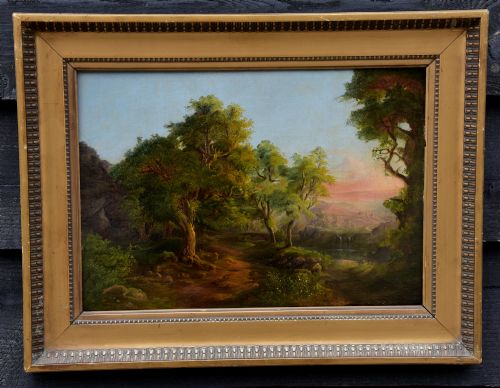
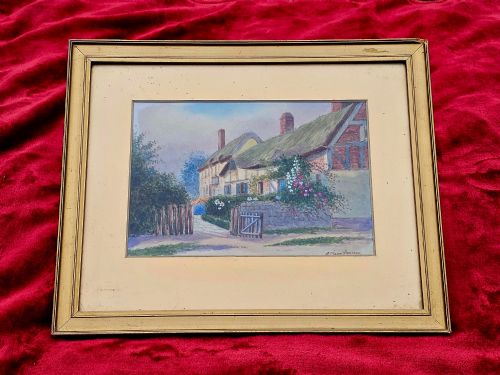
The version most commonly met on this page is an oil painting on canvas or wood panel, often depicting British or European pastoral views with cottages, livestock or waterways. Watercolours on paper also appear frequently, capturing lighter atmospheric effects in river landscapes and country settings.
Materials and methods
Artists relied on oil paint applied to canvas, wood panels, board or card, building up texture and depth through layered brushwork. Watercolours on paper offered a different medium for swift, translucent washes that recorded natural light and weather.
Gilt wood frames completed these pieces, providing a protective and decorative border that matched the formal presentation of nineteenth and early twentieth-century fine art.
Materials recorded across the inventory include oil paint, canvas, wood, paper, card, glass and gilt wood.
Distinctions in quality
Quality rests upon the artist's command of light, composition and perspective, where confident brushwork creates convincing depth rather than flat repetition. Skilled handling of pigment brings texture to foliage, water and skies, distinguishing accomplished studio work from simpler decorative output.
The preservation of the original surface, including the stability of the oil paint or watercolour and the integrity of the associated frame, further determines the standing of an individual piece.
William H Myers·Alfred Young Nutt·Percy Lancaster·William Howard Hardy·Alfred Fontville de Breanski Jr·George Houston·William Joseph Boyes·David Bates·Walter Heath Williams·Robert Thorne Waite·John Horace Hooper·Johannes Lingelbach·Albert Rieger·Charles Leslie·Henry Yeen King·Robert Leslie Howey·Robert Watson·T C Hofland·Henry Martin Pope·William Greaves·Henry Schouten·George Morland·Charles Edward Wilson
The Traditional Landscape Picture Glossary
- Oil on canvas
- Pigment suspended in drying oil applied to stretched fabric. This method allows for rich colour blending and textured impasto work.
- Watercolour
- A paint consisting of colour suspended in a water-soluble binder. It is typically applied to paper to achieve translucent washes of tone.
- Wood panel
- A rigid wooden support used instead of canvas for painting. It provides a smooth, stable surface favoured in various nineteenth-century traditions.
- Gilt wood
- Timber carved and coated with a thin layer of gold leaf or metallic gilt paint. It is commonly found on traditional picture frames.
- British Impressionism
- A painting style influenced by French movements that focused on natural light and outdoor subjects. Artists captured fleeting atmospheric effects with looser brushstrokes.
Traditional Landscape Picture: Frequently Asked Questions
How do I identify a nineteenth-century landscape?
Examine the materials and framing techniques, as nineteenth-century works frequently utilise canvas on stretchers, heavy wood panels or textured paper. The style often reflects Realism or early impressionistic tendencies.
Makers' signatures, handwritten inscriptions on the reverse, and period gilt wood frames also help establish the date of creation.
What is the difference between oil and watercolour?
Oil paintings use pigments bound in drying oil, creating a rich, opaque surface that can hold thick brush texture. Watercolours use water-soluble binders on paper, resulting in transparent washes.
Oils are generally heavier and require canvas or board supports, whereas watercolours require framing behind glass for protection.
Where should I hang an oil painting?
Display paintings away from direct sunlight and damp environments to protect the canvas, wood panel and pigment layers. Stable indoor temperatures prevent warping in the wooden supports and frames.
Position the piece at eye level where natural or gentle artificial light can illuminate the brushwork and composition.
How are traditional frames constructed?
Traditional frames are typically built from timber, shaped with moulding profiles, and finished with gesso and gilt leaf or paint. These structures provide essential physical support for canvases and panels.
Original frames often show minor wear consistent with age, which complements the history of the artwork inside.