


British School Watercolour Art
British school watercolour art encompasses works on paper spanning centuries of regional landscapes, coastal harbours and portrait miniatures.
British School Watercolour Art
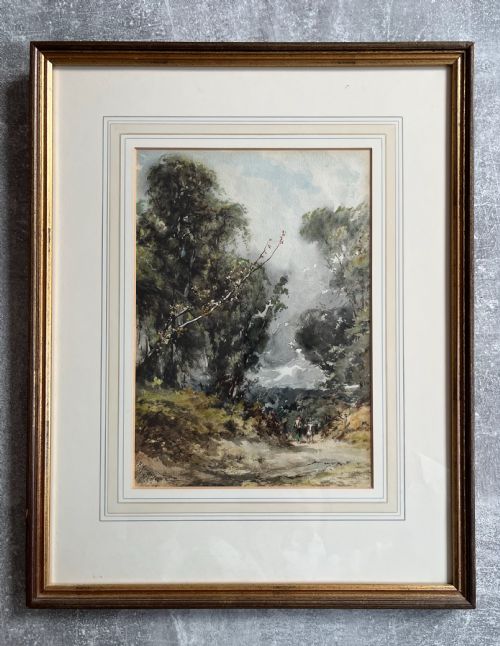
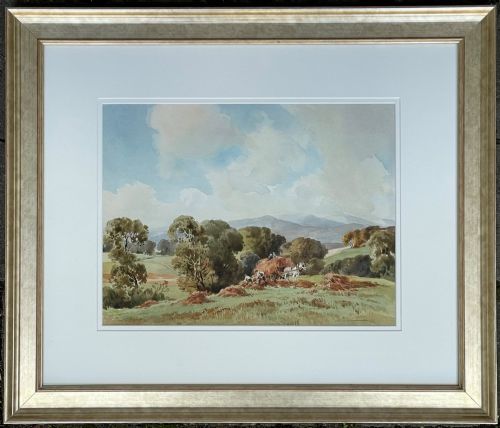
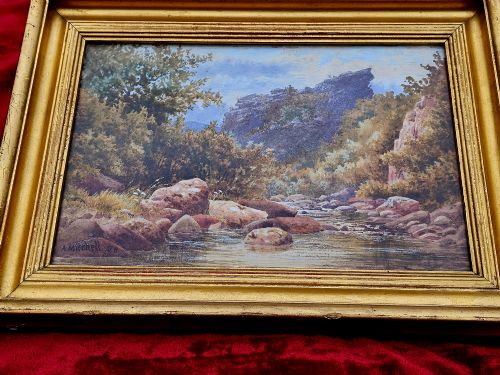
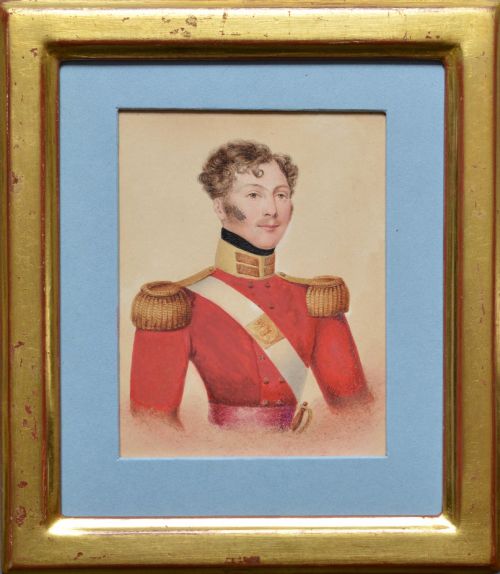
British school watercolour art centres on original paintings executed on paper, encompassing regional landscapes, coastal scenes, shipping views and portrait miniatures. When exploring british school watercolour art, buyers encounter works originating from the eighteenth, nineteenth and twentieth centuries.
Materials and technique
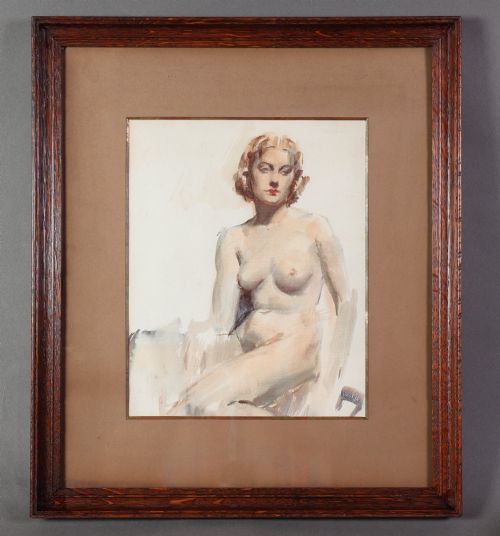
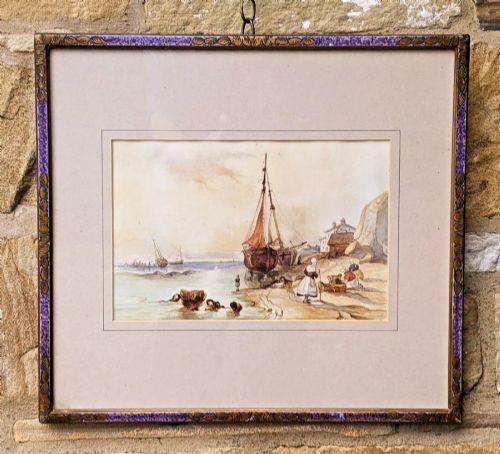
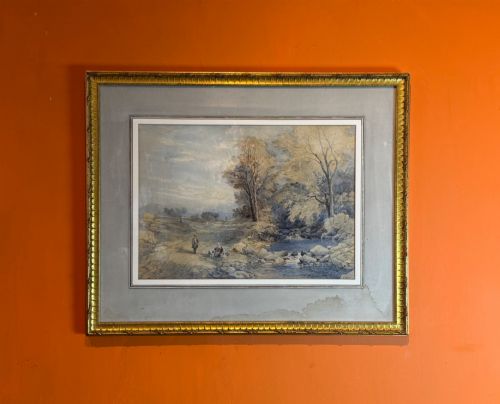
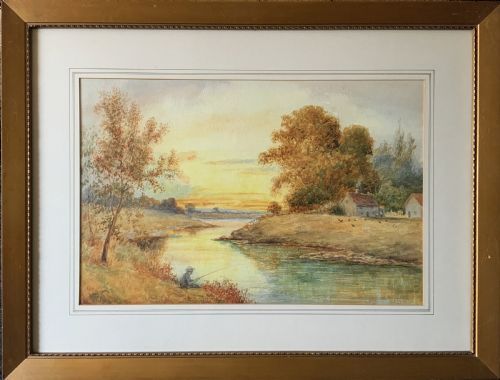
These works rely primarily upon watercolour pigment applied to paper, occasionally augmented with ink or pencil lines. Surviving pieces commonly appear behind glass within timber frames, frequently featuring gilt wood mouldings or ebonised surrounds.
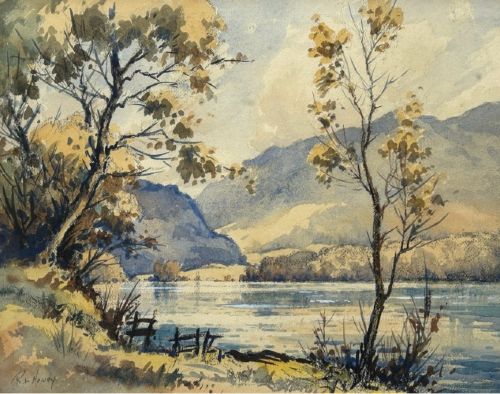
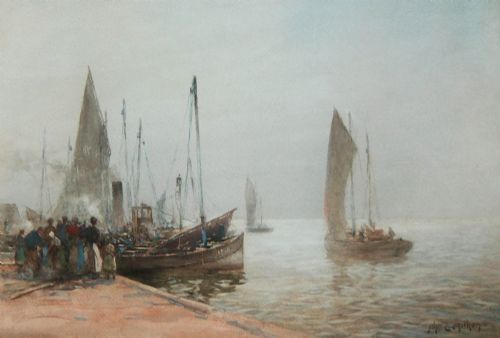
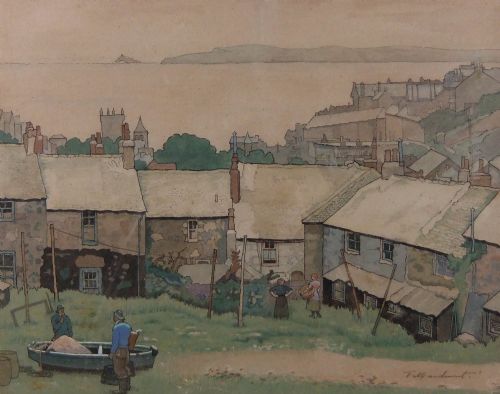
Artists utilised washes and fine brushwork to capture light and atmosphere, whether portraying Cumbrian lakes, Yorkshire fishing harbours or London riverscapes.
Listings span periods from the mid-eighteenth century through the 1960s, employing watercolour pigment, ink, and paper.
Judging quality
Quality rests upon the sureness of the handling, the clarity of the pigment and the fidelity of the atmospheric depiction. Stronger examples demonstrate confident draughtsmanship and a sure command of light, particularly in coastal marine and landscape subjects.
Condition matters greatly in works on paper, where stability of pigment and the preservation of the original support separate superior survivals from damaged examples.
George Fotherly Hargitt·Percy Lancaster·David Cox·William Frederick Settle·Thomas Bush Hardy
The British School Watercolour Art Glossary
- Watercolour
- A painting method in which the paints are made of pigments suspended in a water-based solution. These works are typically executed on paper supports.
- Portrait Miniature
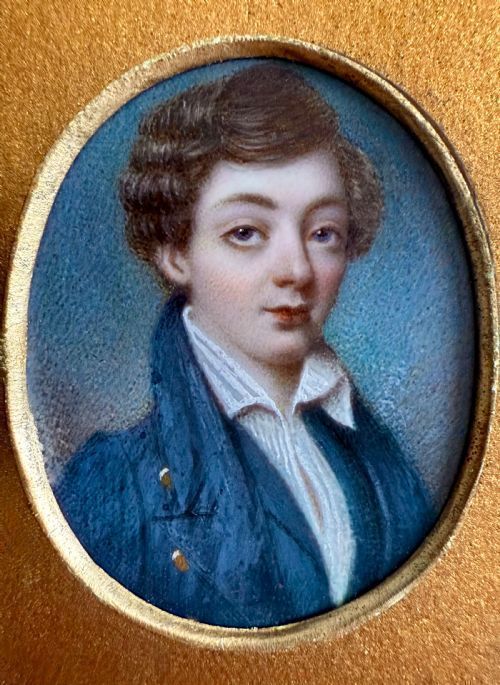
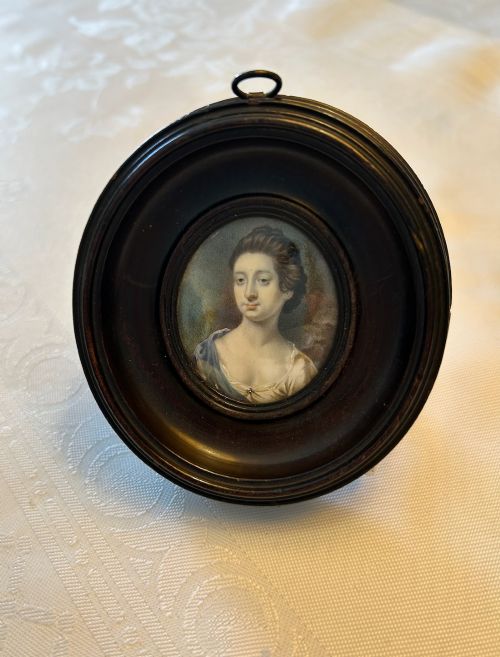
- A small, highly detailed painting, often executed on a small oval format. Examples in this medium frequently date to the Georgian and Victorian periods.
- Gilt Wood
- Timber framing finished with a thin layer of gold leaf or gilt gesso. Many framed watercolours utilise these traditional surrounds.
- British Impressionism
- A painting style influenced by French movements but developed by British artists focusing on light and everyday subjects. It appears frequently in twentieth-century works.
- Ebonised
- Wood finished to resemble ebony through staining or painting. This dark finish is often seen on frames housing nineteenth-century portrait miniatures.
British School Watercolour Art: Frequently Asked Questions
What is british school watercolour art?
British school watercolour art refers to paintings on paper created by British artists or within the British artistic tradition over several centuries. The category encompasses diverse subjects including coastal harbours, regional landscapes, and portrait miniatures.
These pieces reflect changing artistic movements from the eighteenth century through to the mid-twentieth century. Works range from detailed topographical views to impressionistic coastal scenes.
How should I frame and display these watercolours?
Watercolours on paper require protection from direct sunlight to prevent fading of the pigments over time. Glazing with conservation glass helps shield the delicate paper support from environmental moisture and pollutants.
Displaying them away from direct heat sources ensures the paper and framing materials remain stable. Traditional timber frames, including gilt wood or ebonised mouldings, complement the period character of the artwork.
How do I identify the period of a watercolour?
Dating often relies on stylistic clues, costume details in figures, and signature formats. Early nineteenth-century works frequently display precise topographical detail, whereas later twentieth-century pieces embrace broader impressionistic or abstract techniques.
Framing materials and backing papers can also offer clues regarding age. Victorian and Edwardian works often feature specific framing styles and period inscriptions.
What subjects are most common in these paintings?
Landscapes and coastal scenes dominate the selection, reflecting a strong British tradition of topographical and marine painting. Views featuring rivers, fishing harbours, and rural cottages appear frequently across the nineteenth and twentieth centuries.
Portrait miniatures also feature within the category, offering intimate portrayals of sitters from earlier eras. Cityscapes and architectural studies complete the range of common subjects.