





Twentieth Century Art
Twentieth century art encompasses diverse paintings, furniture and sculptures reflecting shifting modernist movements and traditional craftsmanship.
Twentieth Century Art
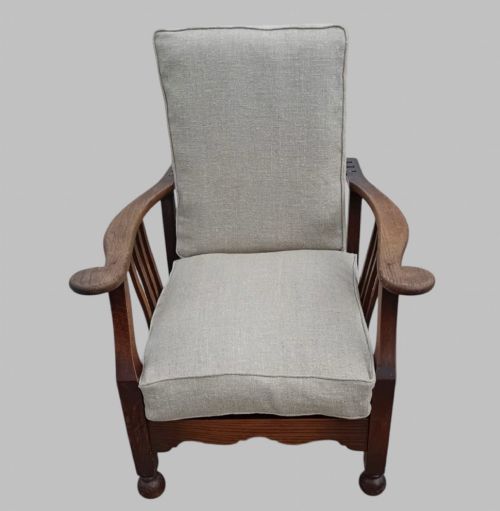
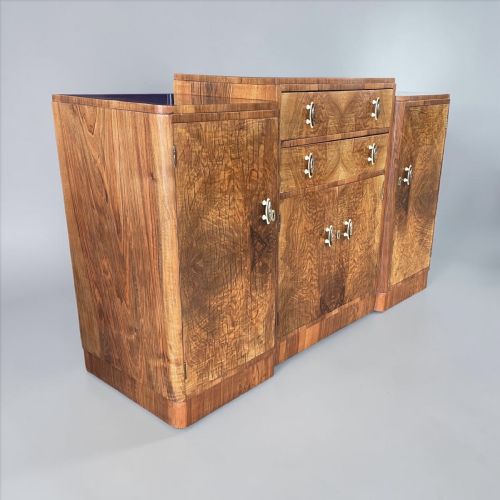
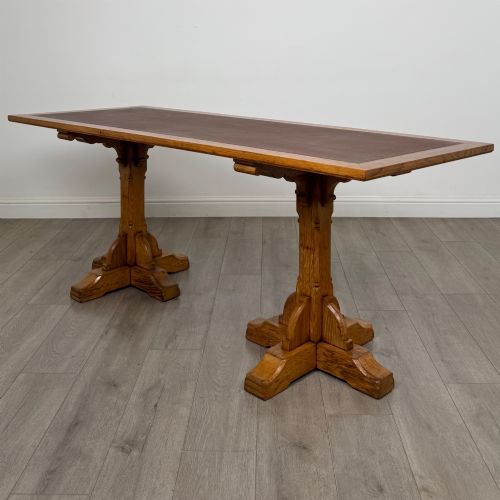
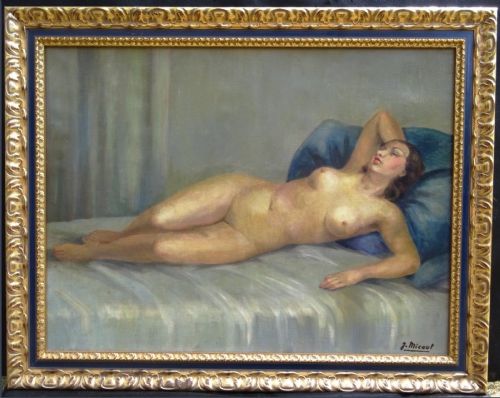
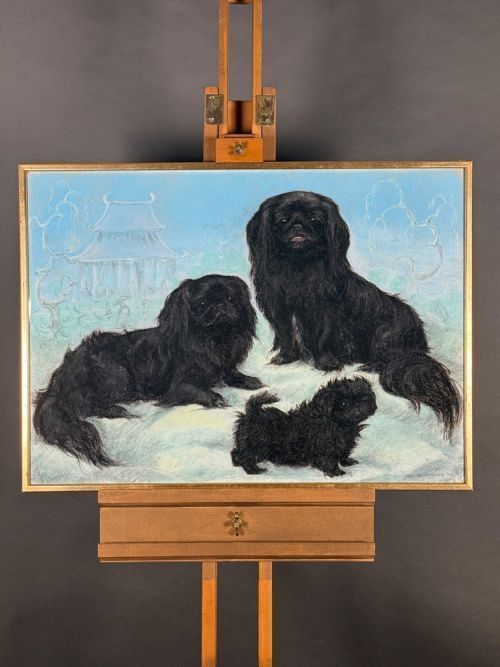
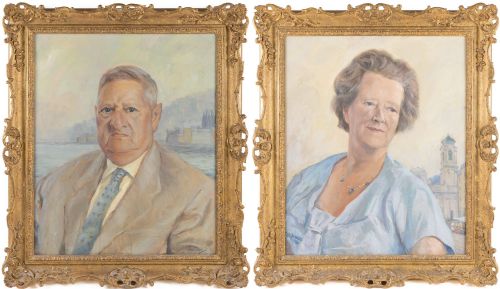
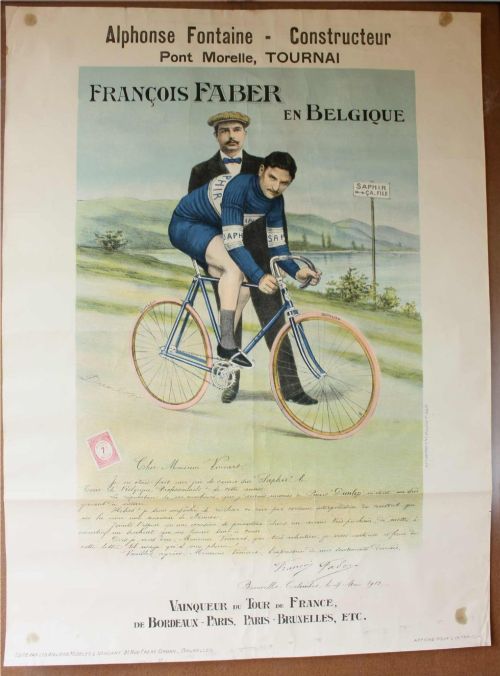
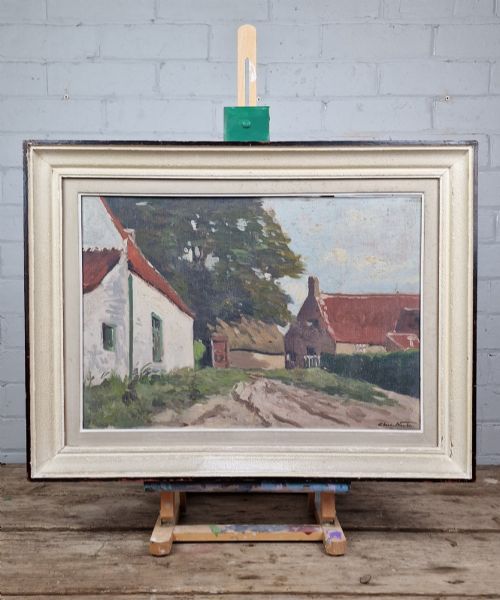
Twentieth century art bridges traditional 19th-century methods and radical modernist movements through varied mediums such as oil on canvas, bronze, and carved oak. Pieces range from Edwardian library tables and Art Deco sideboards to post-impressionist landscapes and original ink drawings.
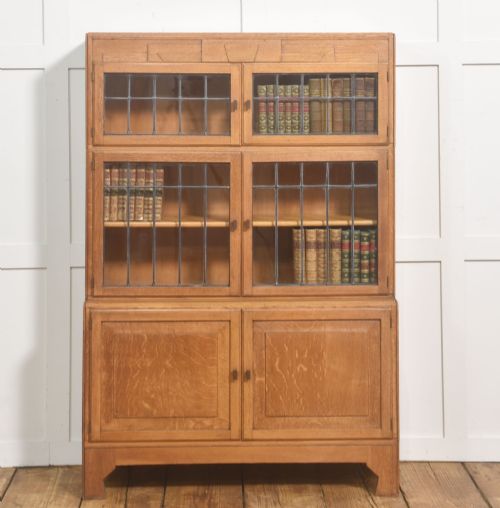
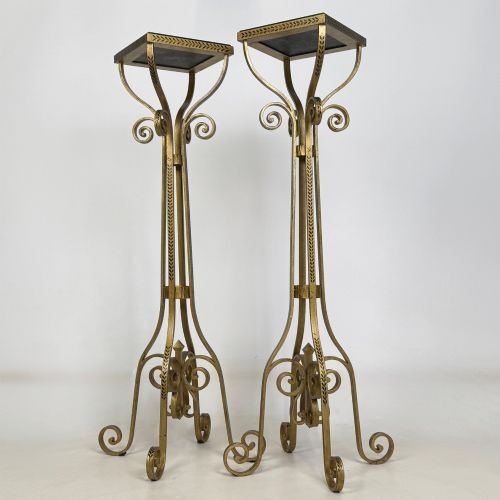
Buyers encounter distinct stylistic categories spanning Arts and Crafts furniture, British Impressionism, and Art Deco decorative objects. Paintings dominate the selection, accompanied by functional items like oak bookcases and marble-topped plant stands.
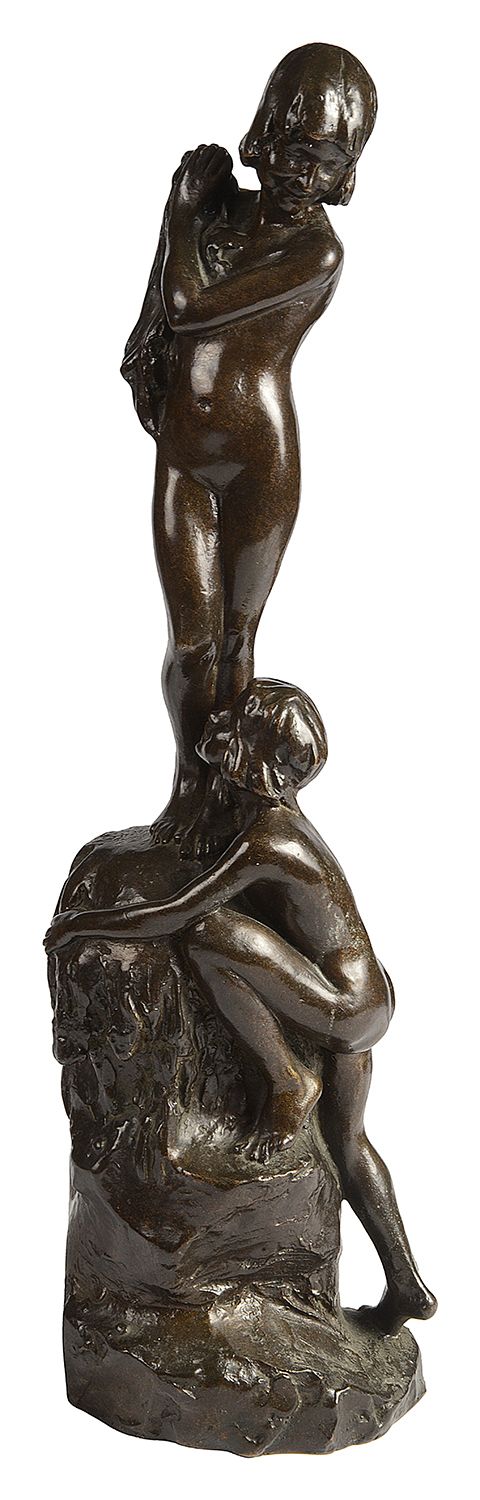
The objects originate from diverse European traditions, including British, French, Belgian, and Austrian workshops. Domestic furniture sits alongside studio pottery, bronze sculptures, and works on paper.
Materials and Construction
Makers utilised traditional natural materials, relying heavily on solid oak for furniture, oil paint and watercolour on canvas or paper for artworks, and bronze or carved walnut for sculptures. Glass and leaded panels frequently feature in cabinets and bookcases.
Techniques combine cabinetmaking joinery with fine artistic execution, such as hand-carved folk art, leaded glass assembly, and layered oil or pastel application. Metalwork incorporates patination, silvering, and cast bronze finishing.
Twentieth Century Art Retail Price Guide 2026
Typical asking prices for twentieth century art among the pieces listed under this phrase on Sellingantiques today, from the lower quarter to the upper quarter. They describe what is for sale here now, not the wider market.
Listings feature works spanning Edwardian, Art Deco, and mid-century periods, utilising canvas, oak, paper, and bronze.
Assessing Quality
Superior twentieth century art displays distinct artistic authorship, precise joinery in furniture, and substantial handling of mediums like oil paint or bronze casting. Maker attribution and exhibition provenance elevate a piece significantly.
Execution depth separates routine decorative items from masterworks, evident in the fluidity of brushwork, the integrity of original frames, and the proportional harmony of Arts and Crafts or Art Deco forms.
Loetz Witwe·Shapland and Petter·Camerer Cuss and Co·Frank Dobson·Pablo Picasso
The Twentieth Century Art Glossary
- Post-Impressionism
- A French art movement developing roughly between 1886 and 1905, extending impressionism while rejecting its limitations. Artists focused on expressive brushwork and symbolic colour.
- Arts and Crafts
- An international design movement that flourished between 1860 and 1910, championing traditional craftsmanship and medieval forms. It often utilised honest construction in unvarnished oak.
- Lithograph
- A planographic printmaking process using a stone or metal plate. Ink adheres to grease-treated areas, allowing multiple impressions of original artwork.
- Oil on Canvas
- A painting technique where pigments suspended in drying oils are applied to stretched fabric. It became the dominant medium for fine art paintings across the period.
Twentieth Century Art: Frequently Asked Questions
How do I identify Art Deco furniture?
Art Deco furniture relies on symmetrical geometries, stepped forms, and contrasting veneers. Look for streamlined silhouettes on sideboards and bookcases.
Decoration is minimal yet striking, often combining polished wood with leaded glass or metal accents without excess carving.
Were these paintings made for domestic spaces?
Most works on canvas and paper were created for private homes rather than large public galleries. Oil paintings and watercolours came framed for immediate domestic display.
Artists targeted middle-class collectors seeking accessible landscapes, portraits, and still lifes for everyday interiors.
How do I care for antique oak furniture?
Antique oak requires stable humidity and protection from direct sunlight to prevent wood splitting. Dust regularly with a dry, soft cloth.
Avoid modern silicon-based polishes. Occasional application of quality beeswax maintains the natural lustre of the timber.