



British Expressionist Artwork
British expressionist artwork channels intense emotional energy through vigorous brushwork and vivid colour across paintings and prints.
British Expressionist Artwork
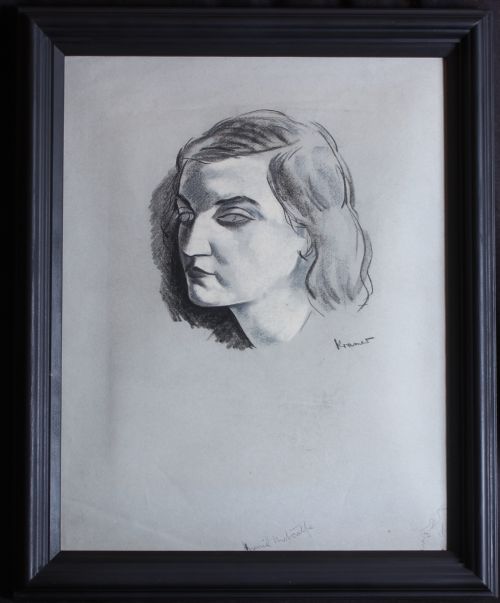
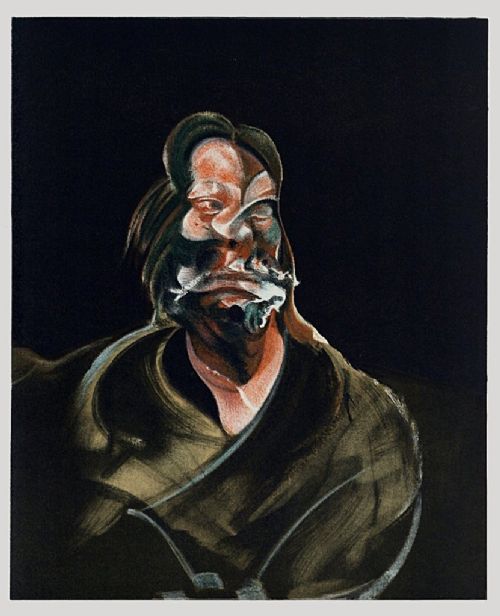
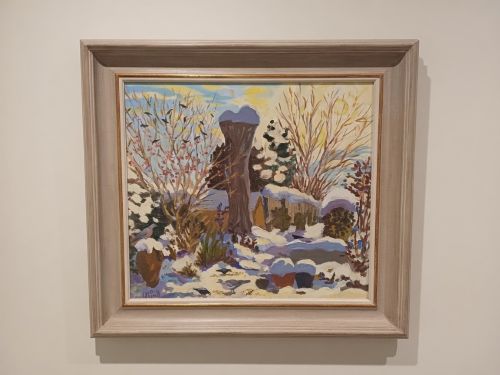
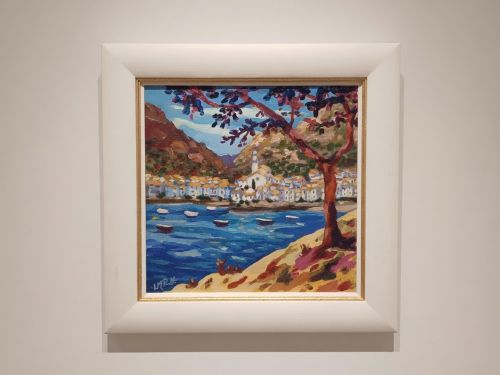
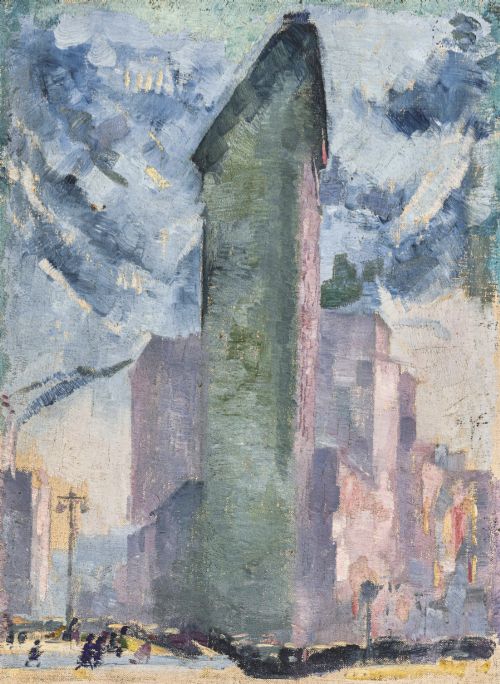
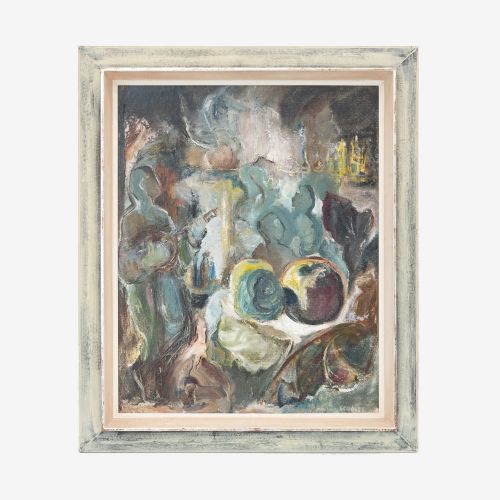
When you search for british expressionist artwork, you encounter paintings, watercolours, and lithographs spanning the twentieth century, with a strong concentration of mid-century pieces. These works capture landscapes, figures, and abstract compositions through energetic marks and subjective colour choices.
How these pieces were made
Makers applied oil paint, watercolour, and occasionally printing inks to surfaces such as canvas, prepared board, paper, and wood. Painters built up heavy impasto textures with brushes and knives, while lithographs and watercolours captured immediacy on paper.
Supports include stretched canvas, canvas laid on board, and sturdy wood panels that accommodated thick applications of pigment. These varied substrates dictated the weight of the brushwork and the permanence of the finished surface.
British Expressionist Artwork Retail Price Guide 2026
Typical asking prices for british expressionist artwork among the pieces listed under this phrase on Sellingantiques today, from the lower quarter to the upper quarter. They describe what is for sale here now, not the wider market.
Materials recorded include oil on canvas, oil on board, paper, wood, and glass.
What varies in quality
Quality rests upon the confidence of the mark-making and the internal cohesion of the composition, where raw emotion meets deliberate control. Stronger examples display an assured handling of medium that gives urgency to landscapes, figures, or abstracts.
The relationship between the support and the pigment determines the integrity of the piece over time. Finer works demonstrate a harmonious balance between colour intensity and structural surface texture.
Francis Bacon·Lucy Pratt·Alfred Wolmark·Lilian Colbourn·Joan Gillchrest·Tony Giles·Dame Elisabeth Frink·Hazel M. Barnett·Leon Kossoff·William McCance·Adrian Heath·Donald Mcintyre·Sir William George Gillies·Raymond Arthur Roadnight·Sonia Lawson R.A.·Lillian M. Harrison·Bernard Meninsky·William Ernst Burwell
The British Expressionist Artwork Glossary
- Impasto
- Paint applied thickly to a canvas or board, standing out in relief from the plane. This technique gives physical depth and visible brush texture to expressionist surfaces.
- Lithography
- A planographic printing process using a flat stone or metal plate to reproduce images. Artists utilise this method to create multiple original prints with painterly qualities.
- Watercolour
- A paint consisting of pigment suspended in a water-based solution applied to paper. It allows for rapid washes and transparent layers suited to sketches and studies.
- Modernism
- An artistic movement rejecting traditional academic styles in favour of experimentation and abstraction. Works from this period break down conventional perspective and local colour.
British Expressionist Artwork: Frequently Asked Questions
What periods do these artworks cover?
The listed works span from the early twentieth century through the 1930s, 1940s, 1950s, 1960s, and later decades.
Mid-century pieces dominate the selection, reflecting a vibrant era of British artistic experimentation.
What materials were used by the artists?
Artists utilised oil paint on canvas, board, and wood panels alongside watercolours and paper supports.
Some creators also produced lithographs and relief paintings incorporating textured surfaces.
How should I frame and display them?
These works suit clean, simple framing that protects the painted surface or paper without distracting from the brushwork.
Keep them away from direct sunlight to preserve the vibrancy of the pigments and the integrity of the canvas or paper.
Are these pieces signed by the makers?
Many of the paintings and watercolours carry signatures or dates left by the artists on the front or reverse.
Some pieces are documented works from specific career periods or executed in the manner of notable figures.