





Mid Century Welsh Art
Mid century welsh art captures coastal harbours and rural scenes through impressionist brushwork and mid-century modern vision.
Mid Century Welsh Art
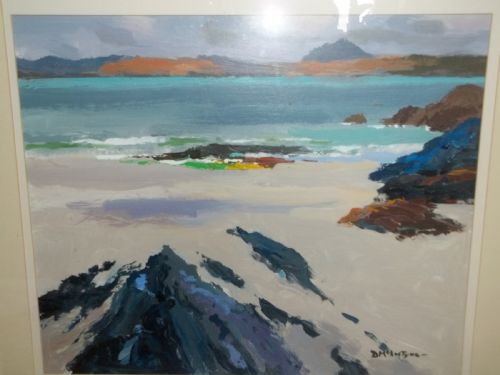
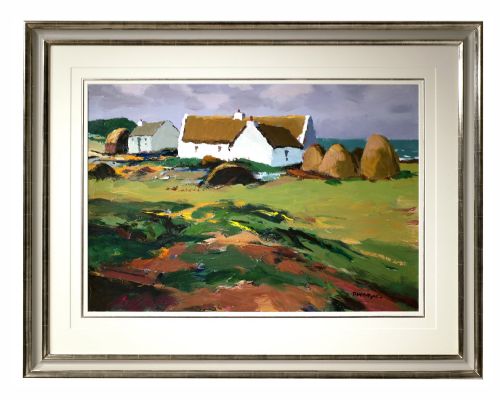
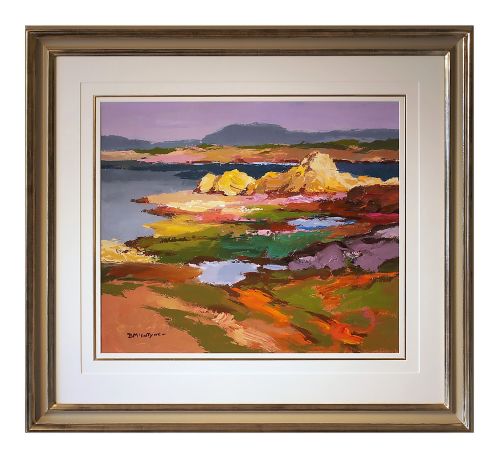
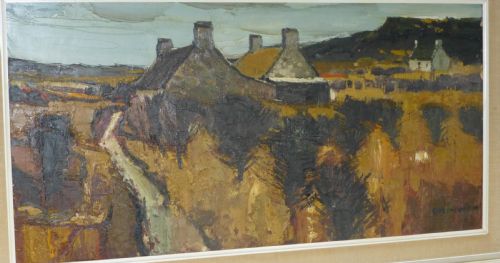
Mid century welsh art encompasses original paintings and posters produced across the middle decades of the twentieth century. These works frequently depict recognizable Welsh locations such as Cardigan Bay, Swansea, Aberayron, and Pembrokeshire beaches.
Buyers will most commonly encounter oil paintings on canvas or board alongside watercolours and vintage lithograph posters. The visual vocabulary draws heavily upon impressionism and the broader mid-century british school aesthetic.
The objects span from the nineteen-twenties through to the nineteen-sixties, charting a distinct evolution in regional subject matter. Landscapes and coastal views dominate the available forms, reflecting a deep engagement with Welsh topography during this period.
How they were made
Artists utilised oil paint applied directly to stretched canvas or rigid board surfaces to build texture and depth. Watercolours on paper also appear, capturing lighter atmospheric effects in coastal scenes.
Wood frames frequently accompany these works, providing structural support and period context for the paintings. Lithography served as the primary technique for producing accessible wall art and travel posters of the era.
Mid Century Welsh Art Retail Price Guide 2026
Typical asking prices for mid century welsh art among the pieces listed under this phrase on Sellingantiques today, from the lower quarter to the upper quarter. They describe what is for sale here now, not the wider market.
Listings span four decades from the nineteen-twenties to the nineteen-sixties, executed in oil, watercolour, and lithography.
What varies in quality
The strength of the composition and the confidence of the brushwork largely determine the distinction between average and exceptional pieces. Masterly handling of light and coastal atmosphere elevates specific paintings within the genre.
The integrity of the original support materials, from canvas to board, and the presence of period framing contribute significantly to the overall presentation. Works bearing documented provenance to established regional painters naturally hold greater historical weight.
Donald McIntyre·Hazel M Barnett·Clarence Woodburn
The Mid Century Welsh Art Glossary
- Impressionism
- A style of painting that focuses on capturing the general impression of a scene rather than meticulous detail. This approach relies on visible brushstrokes and natural depictions of light.
- Lithograph
- A printmaking process where an image is drawn onto stone or metal and transferred to paper. This technique enabled vibrant multi-coloured poster production.
- Canvas
- A heavy woven fabric stretched across a wooden frame to serve as a durable painting surface. It remains a primary medium for mid-century oils.
- Board
- A rigid flat sheet of wood or paper pulp utilised as an alternative painting support. Artists often selected board for smaller plein air studies.
Mid Century Welsh Art: Frequently Asked Questions
What subjects do these paintings feature?
The available works predominantly portray Welsh coastal locations, including Cardigan Bay, Aberayron, and various Pembrokeshire beaches.
Rural scenes and specific regional landmarks such as Swansea also feature frequently across the mid-century selection.
Which materials were commonly used?
Artists relied heavily on oil paint applied to either stretched canvas or rigid board supports. Watercolours on paper and lithographic printing for posters also appear within the selection.
Wood framing typically accompanies the paintings, completing the period presentation.
How do I identify the period?
Dating relies upon stylistic markers of mid-century modernism and impressionist technique combined with artist signatures and biographical records. The pieces span from the nineteen-twenties up to the nineteen-sixties.
Subject matter and framing styles often provide additional contextual clues for proper dating.
Where should I hang these artworks?
These coastal and landscape pieces suit dining rooms, studies, or living spaces where natural light enhances the oil and watercolour pigments. Pairing them with simple interiors allows the mid-century aesthetic to stand out.
Direct strong sunlight should be avoided to protect the canvas and paint over time.