



Muted Earth Tone Painting
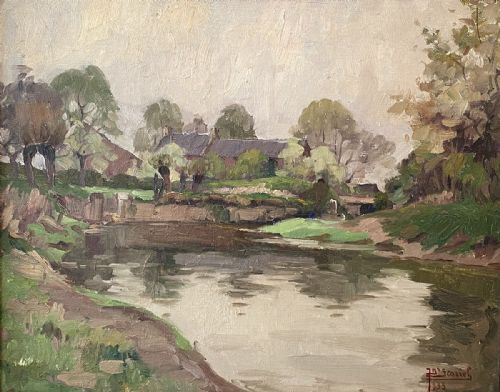
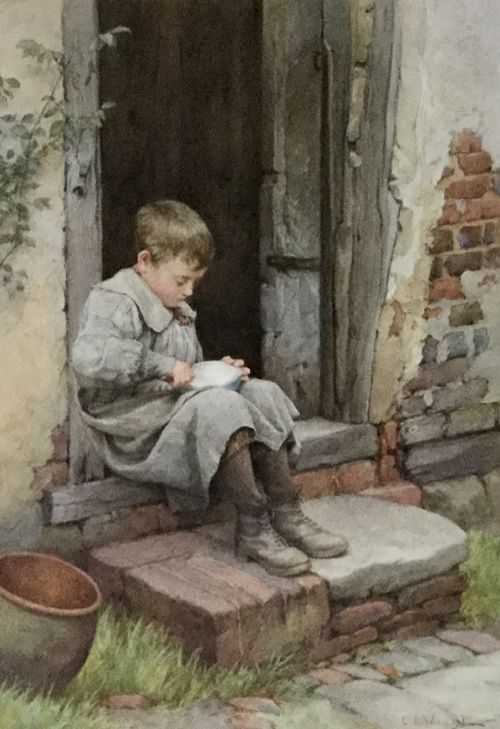
When you want a muted earth tone painting, you are looking at landscapes and village scenes rendered in watercolour and oil.
Muted Earth Tone Painting
A muted earth tone painting brings together landscapes, coastal views and rural life produced across the nineteenth and twentieth centuries. These works capture pastoral scenes, river banks and cottage doorways using subdued palettes.
The selections on this page span from Victorian works through to mid-century realism and British impressionism. Watercolour on paper and oil on canvas form the core of what you will encounter.
Makers represented include painters such as Ernest Higgins Rigg, Fred Lawson and Sidney James Beer. Their subjects range from Yorkshire coasts to Irish landscapes and fenland folk.
How they were made
Artists utilised watercolour pigment on paper to build translucent washes for skies and pastoral views. This technique allows the white of the paper to reflect light through thin layers of colour.
Oil paint applied to canvas provided heavier textures and richer depths for rural scenes and village rooftops. Pigments were mixed to achieve the subdued greens, browns and ochres characteristic of these landscapes.
Muted Earth Tone Painting Retail Price Guide 2026
Typical asking prices for muted earth tone painting among the pieces listed under this phrase on Sellingantiques today, from the lower quarter to the upper quarter. They describe what is for sale here now, not the wider market.
Listings span from the nineteenth century to 1960, featuring paper and canvas as primary materials.
What varies in quality
Control of tone and perspective distinguishes the finer works from simpler topographical sketches. The handling of light across water and foliage shows the painter's command of the medium.
Condition of the paper and canvas surface alters the visual impact over time. Strong brushwork and careful composition lift a domestic watercolour or landscape oil above ordinary decorative items.
Ernest Higgins Rigg·Fred Lawson·Louie Stanley Maurice Prince·Sidney James Beer·Kate E Booth·Henry Charles Fox·Thomas James Lloyd·Stephen John Batchelder·Fred Stead·Edward Killingworth Johnson·Thomas Swift Hutton·Charles Edward Wilson·Alfred Leyman
The Muted Earth Tone Painting Glossary
- Watercolour
- A painting method where fine pigment is suspended in a water-soluble binder. It is typically applied to paper to create translucent washes.
- Oil on canvas
- Pigment mixed with drying oil applied to a stretched cloth surface. This combination allows for both smooth blending and thick impasto texture.
- Pastoral
- A style of art depicting rural life and idealized country landscapes. These scenes often feature farms, cottages, rivers and agricultural workers.
- Impressionism
- An art movement focusing on accurate depiction of light in its changing qualities. British variations often apply this approach to domestic coasts and countryside.
Muted Earth Tone Painting: Frequently Asked Questions
What periods do these paintings cover?
The works span from the nineteenth century through the Edwardian era and into the mid-twentieth century. You will find pieces dated across the decades up to the 1960s.
Styles shift from Victorian pastoral and British impressionism to early twentieth-century fine art and mid-century realism.
What materials were used?
Painters worked primarily with watercolour pigment on paper and oil paint on canvas. These materials defined the texture and finish of each landscape.
Paper supports suit delicate washes while canvas accommodates heavier oil applications.
Where do the scenes take place?
Subjects focus heavily on British landscapes, coastal seascapes and village life. Locations include Yorkshire, Sussex, Suffolk, North Wales and County Wicklow.
Common motifs feature rivers, cottages, pastoral views and rooftop scenes.
How should I frame a watercolour?
Watercolours require mounting behind glass to protect the paper surface from moisture and atmospheric damage. Direct sunlight should be avoided to prevent the pigments from fading.
Using acid-free mounts preserves the integrity of older paper over time.