


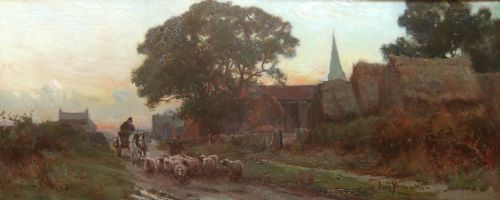

Impressionist Country Landscape
Impressionist country landscape works capture rural light and topography through loose brushwork across the nineteenth and twentieth centuries.
Impressionist Country Landscape
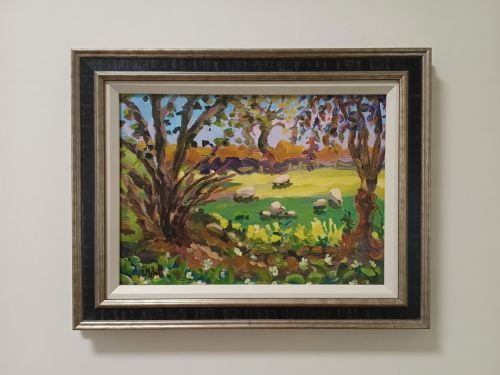
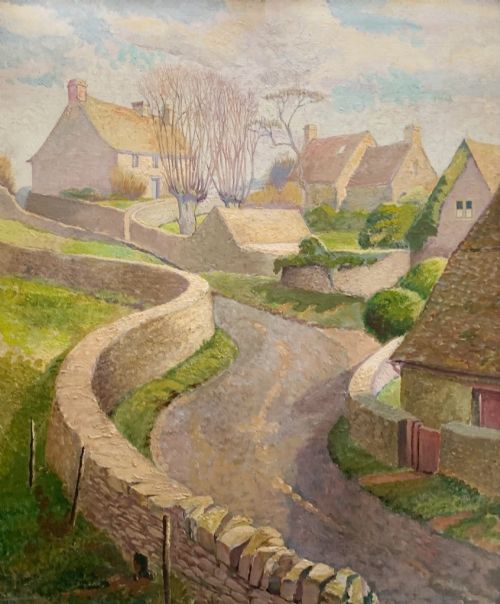
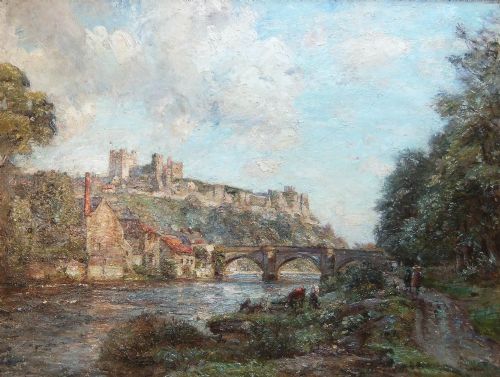
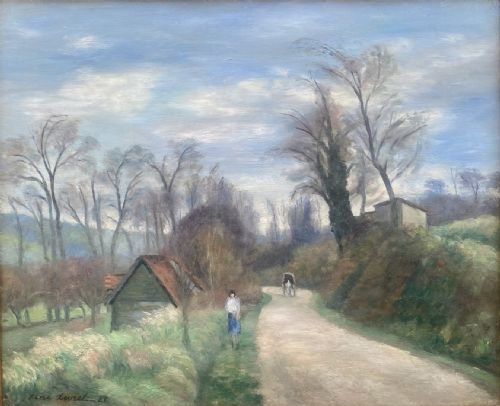
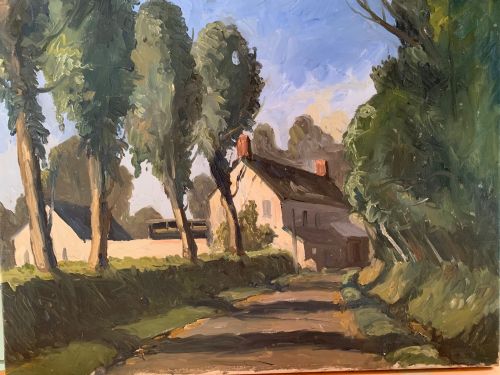
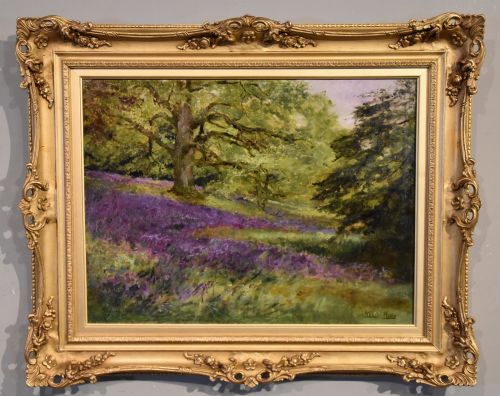
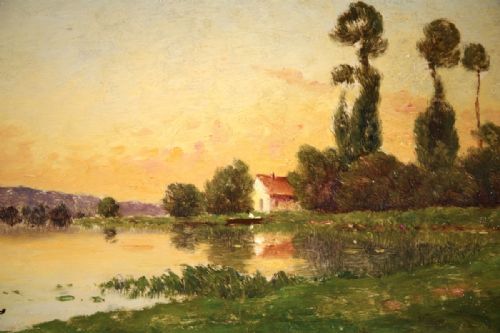
An impressionist country landscape records rural fields, rivers, cottages and farmyards through the lens of British Impressionism, Post-Impressionism and the Barbizon School. These artworks span from the nineteenth century through the Edwardian period and into the mid-twentieth century.
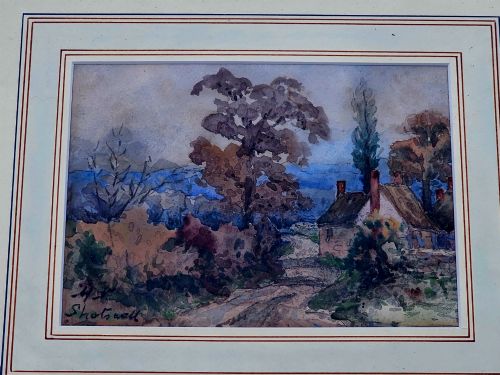
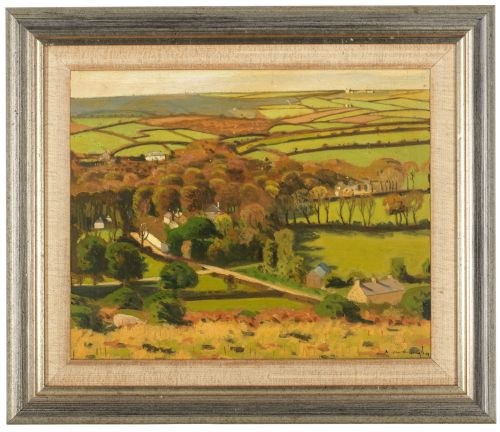
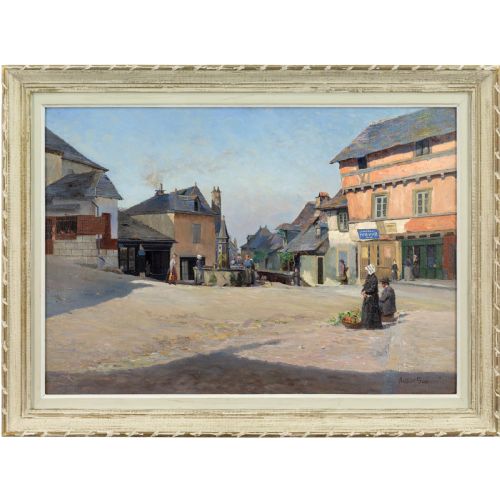
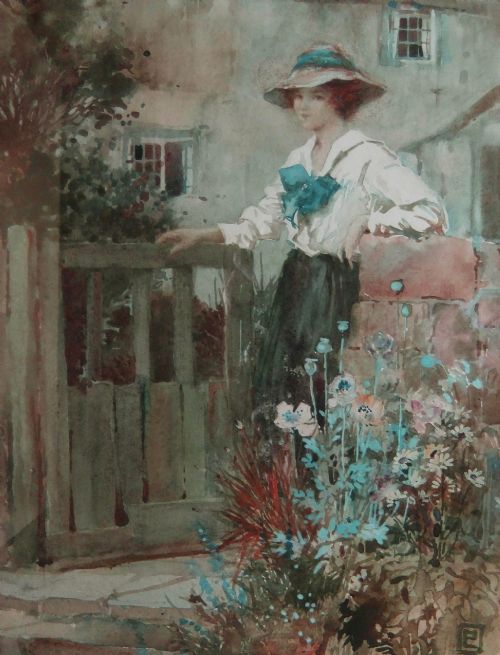
Buyers will most frequently encounter oil paintings on canvas or board, alongside watercolours on paper. The subjects range from Yorkshire farmyards and Devon moorland to French village scenes and Normandy roads.
Works appear either unsigned by regional British and French schools or attributed to known artists working within plein air traditions. Composition focuses on natural light, seasonal shifts and everyday rural labour.
Materials and methods
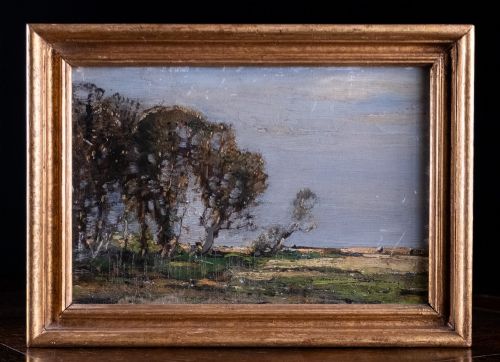
Artists painted primarily with oil paint on stretched canvas, wooden panels or primed boards, utilising thick impasto and visible brush strokes to render texture. Watercolours on paper offer a more fluid recording of light and atmosphere in open-air settings.
The use of mixed media and oil on paper also appears among mid-century works. Framing typically involves period wooden mouldings that complement the painterly surface.
Several canvases record local farmyard ducks and wandering ponies refusing to stand still for the artist.
Judging quality and execution
Quality rests upon the artist's confidence in handling light and spatial depth rather than mere finish. Superior examples demonstrate a decisive command of tone where loose marks successfully construct atmosphere and distance.
The relationship between pigment density and the support surface dictates visual impact. Weaker pieces rely on formulaic foliage and static compositions, whereas accomplished works capture transient weather and specific topographical light.
Kershaw Schofield·Robert Morson Hughes·Arthur Gué·Lucy Pratt·Herbert Royle·Rene Levrel·Paul Désiré Trouillebert·Henry Yeen King·Percy Lancaster·Hubert Wellington·Owen Bowen·Henri Jaques Delpy·Edgar Woollatt·Charles Walter Simpson·Harry Freckleton·William JB Jenkins·Ernest Higgins Rigg·Arthur Reginald Smith·Ernest Pile Bucknall·Rowland Henry Hill·John Atkinson·Henri Joseph Harpignies·William Greaves·William Grant Murray
The Impressionist Country Landscape Glossary
- Plein air
- Painting outdoors directly from the subject to capture transient natural light and weather. This practice defined much of the impressionist approach to rural scenery.
- Impasto
- Paint applied thickly to a canvas or board, standing out in relief from the surface. It adds tactile weight to highlights on water, foliage or garments.
- Barbizon School
- A nineteenth-century French movement focused on realistic landscape painting rooted in observation of nature. It heavily influenced subsequent impressionist generations.
- Post-Impressionism
- Art that extended impressionism while rejecting its limitations, emphasising symbolic content and more expressive use of paint. Works from this current often feature bolder colour palettes.
- Board support
- A rigid flat substrate, usually wood or compressed material, used instead of stretched canvas for painting. It offers a firm surface favoured by outdoor sketchers.
Impressionist Country Landscape: Frequently Asked Questions
What defines an impressionist country landscape?
These works focus on rural views, farms and fields rendered with visible brushwork and attention to natural light. They break from strict academic realism to record the immediate visual sensation of a scene.
Subjects span British and French countryside, capturing everything from haymaking to quiet cottage gardens across the nineteenth and twentieth centuries.
How do I care for an oil painting on canvas?
Keep paintings away from direct sunlight, high humidity and dramatic temperature fluctuations that can cause canvas to slacken or paint to crack. Dust the surface gently with a soft, dry brush without applying pressure.
Avoid using water or cleaning solvents on the paint layer. Professional conservation is recommended for any deeper cleaning.
Are watercolours framed differently than oils?
Watercolours require framing behind glass to protect the paper and water-soluble pigments from moisture and atmospheric pollutants. They also use acid-free mounts to keep the paper from touching the glass.
Oil paintings on canvas or board are typically framed open to the air without glass, allowing the textured paint surface to breathe.
How can I tell the period of a landscape?
Dating relies on a combination of artist biography, clothing styles of any figures present, framing materials and the type of stretcher or board used. Edwardian and early twentieth-century works often employ specific muted palettes distinct from mid-century canvases.
Examine the reverse of the canvas or panel for old labels, artist signatures, exhibition stamps and framer marks that provide historical context.