

Vintage Rural Oil Painting
A vintage rural oil painting brings the quiet of pastures, riversides and farmyards onto interior walls.
Vintage Rural Oil Painting
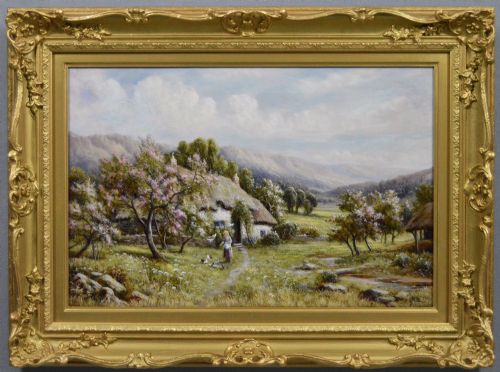
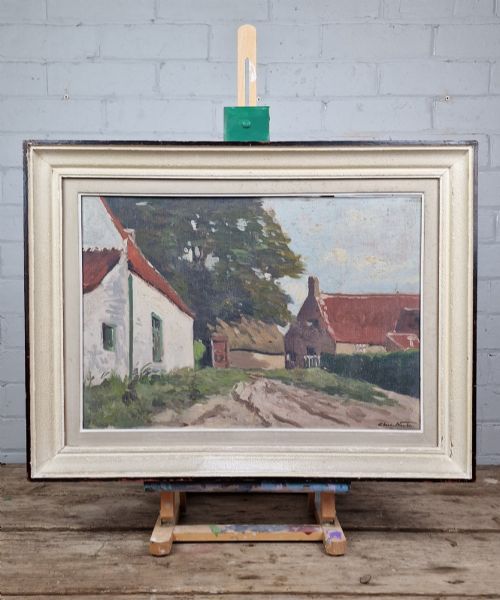
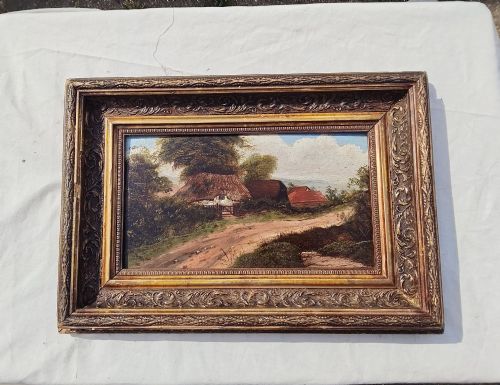
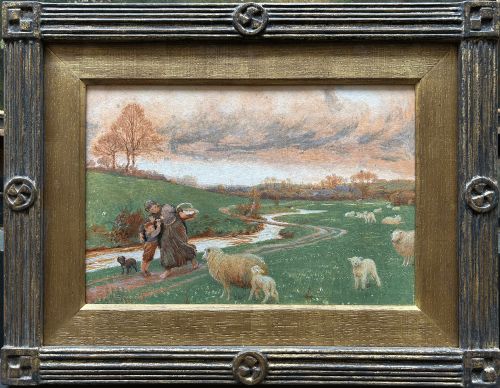
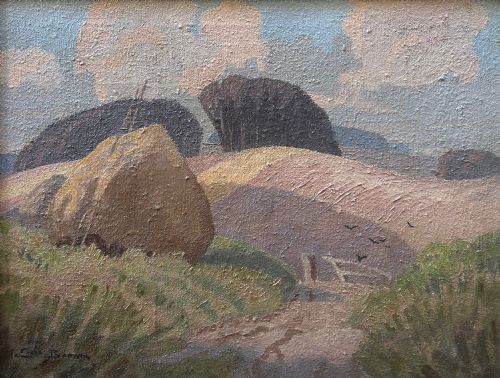
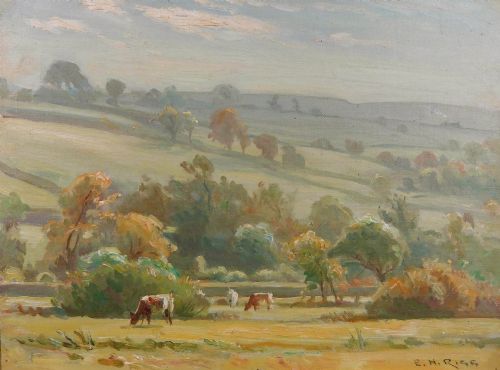
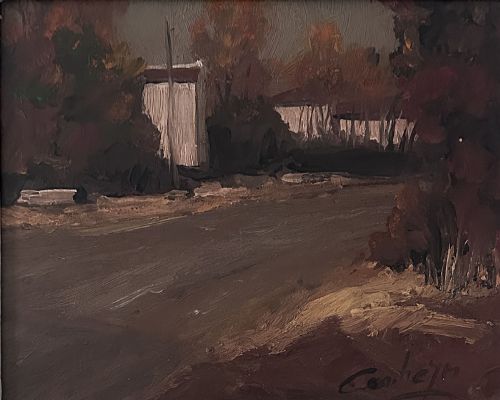
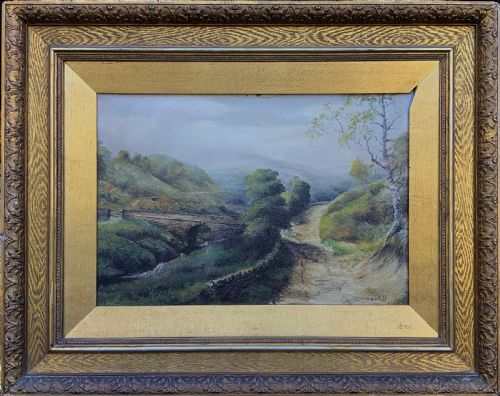
When searching for a vintage rural oil painting, buyers encounter works depicting pastoral landscapes, farming life, and countryside cottages. The selection spans the nineteenth century through to the mid-twentieth century, capturing agricultural scenes, village views, and river landscapes.
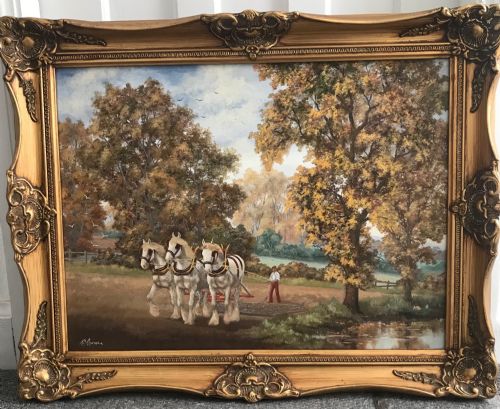
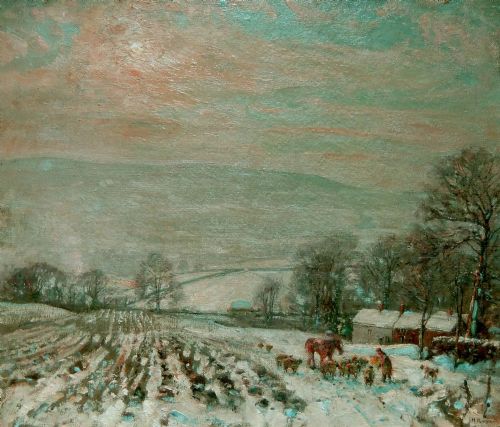
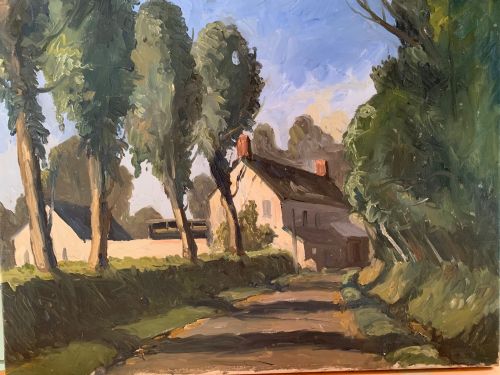
Most pieces on this page originate from British and European schools, reflecting traditional country subjects such as haystacks, ploughing horses, and thatched cottages. Artists render these rural themes using impressionist, post-impressionist, and traditional pastoral approaches.
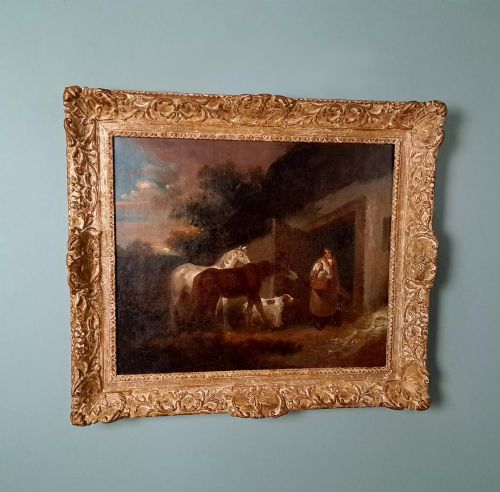
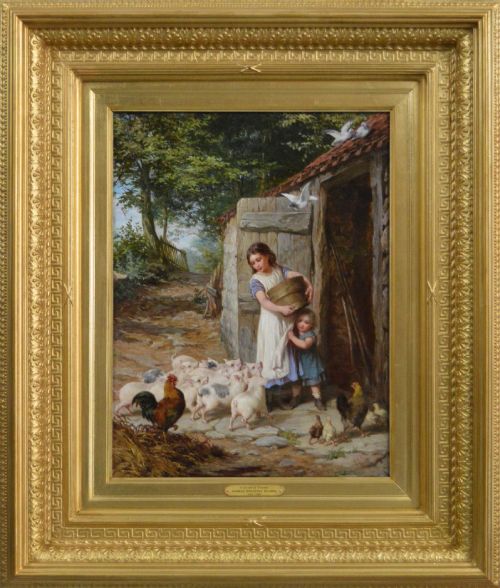
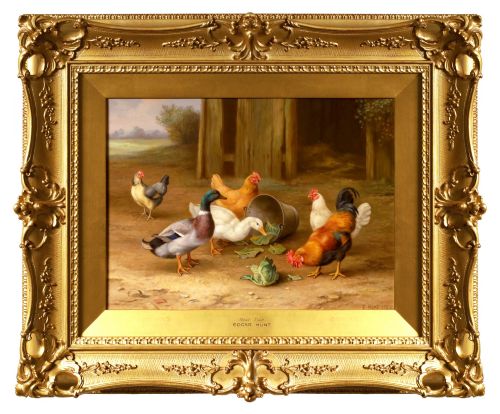
Framed paintings dominate the formats available, appearing on canvas, wooden boards, canvas panels, and cards. These works range from intimate rural sketches to larger framed compositions depicting domestic farm animals and local workers.
Materials and construction
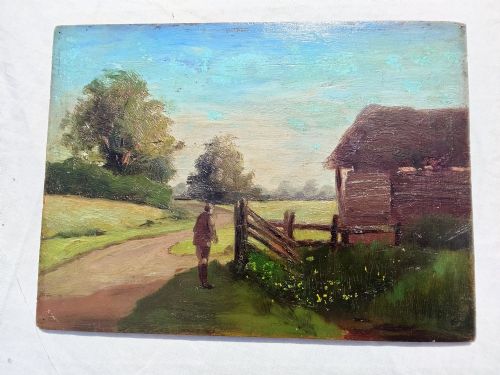
Artists apply oil paint directly onto stretched canvas, wooden boards, canvas panels, or heavy paper cards. The paint layers build up texture and depth, particularly in depictions of foliage, water, and earth.
Vintage Rural Oil Painting Retail Price Guide 2026
Typical asking prices for vintage rural oil painting among the pieces listed under this phrase on Sellingantiques today, from the lower quarter to the upper quarter. They describe what is for sale here now, not the wider market.
Periods represented stretch from the nineteenth century through the 1920s, 1930s, and into the 1960s.
Defining artistic merit
Quality rests in the handling of light, brushwork confidence, and compositional depth rather than the mere presence of a rural subject. Stronger examples show acute observation of seasonal light, atmosphere, and natural movement in figures or animals.
The sophistication of the palette and the integration of the subject matter into the surrounding landscape separate standard decorative works from accomplished pieces by recognised regional or continental painters.
William Joseph Shayer Senior·George Augustus Holmes·Edgar Hunt·Henry John Boddington·Ernest Higgins Rigg
The Vintage Rural Oil Painting Glossary
- Oil paint
- A slow-drying paint made from pigment suspended in oil, typically linseed oil. This medium allows artists to blend colours smoothly and build rich textures.
- Canvas
- A heavy woven fabric used as a surface for painting, usually stretched over a wooden frame. It provides a resilient and responsive support for oil pigments.
- Gilt wood
- Wood decorated with gold leaf or metallic gold paint. Frames utilising this finish often accompany traditional landscape paintings.
- Pastoral
- A genre of art depicting the rural countryside, farm life, and shepherds or agricultural workers. These scenes emphasise a rustic and idyllic view of nature.
- Impressionism
- An art style characterised by relatively small, thin yet visible brush strokes and an emphasis on accurate depiction of light. Scottish and British variants appear frequently in country scenes.
Vintage Rural Oil Painting: Frequently Asked Questions
How do I hang a rural oil painting?
Choose a wall with stable humidity away from direct sunlight to protect the canvas and oil pigments over time.
Ensure the wall fixings match the weight of the wooden frame and secure the painting firmly at eye level.
What periods do these paintings cover?
The available works primarily span the nineteenth century through to the middle of the twentieth century. This includes Victorian, Edwardian, and mid-century examples.
Different decades show shifts from traditional pastoral representation towards impressionist and post-impressionist handling of light and colour.
How are rural oil paintings cleaned?
Dust accumulation on canvas and frames requires only a very soft, dry brush used with extreme care.
Professional conservators should handle deeper cleaning or varnish removal to avoid damaging the oil paint layers.
What subjects appear most often?
Common subjects include thatched cottages, farmyards, riversides, and agricultural workers with horses or sheep. These motifs reflect the enduring appeal of rural life.
Scenes range from quiet pastoral streams to bustling harvest and ploughing activities.