

British Fine Art Portrait
British fine art portrait works bring centuries of character and heritage into a room through historic oil paintings, watercolours and drawings.
British Fine Art Portrait
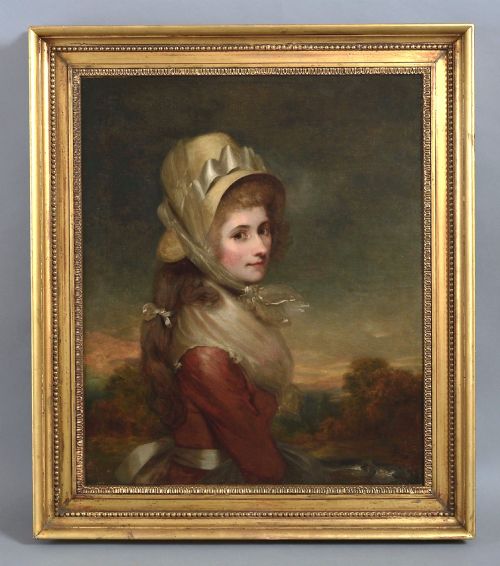
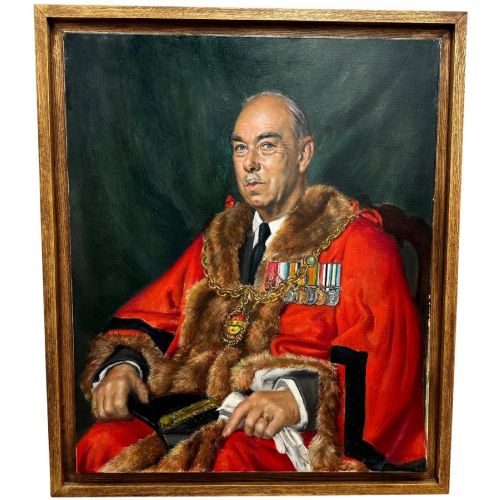
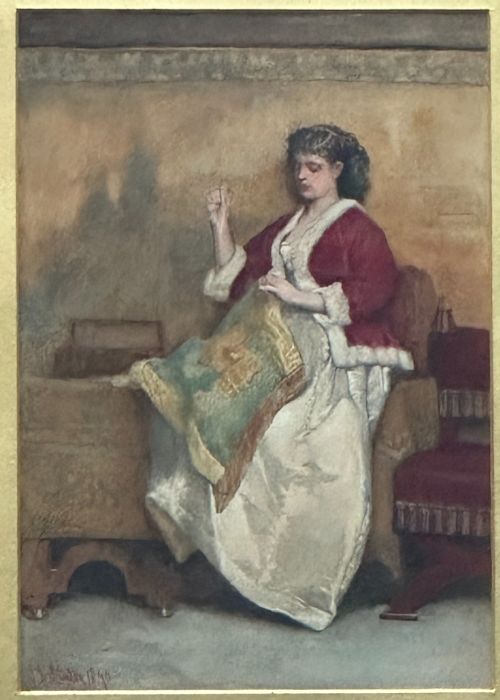
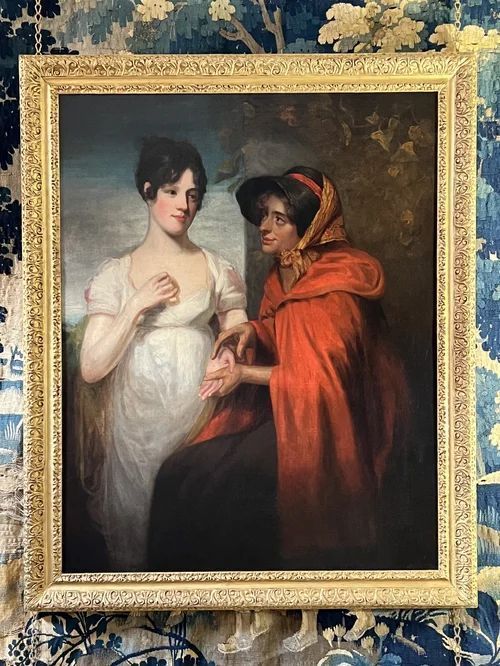
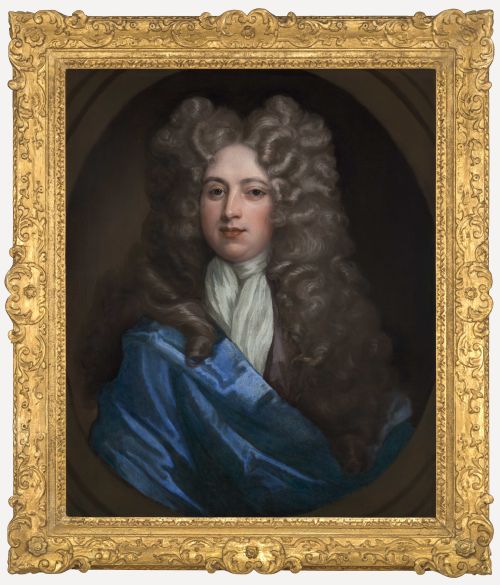
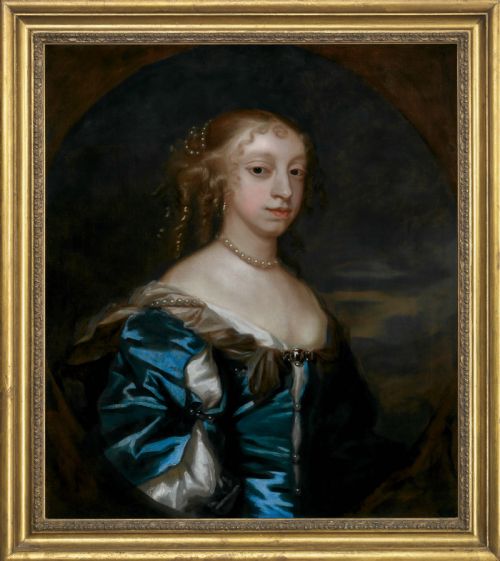
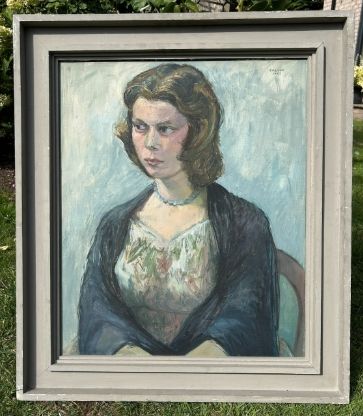
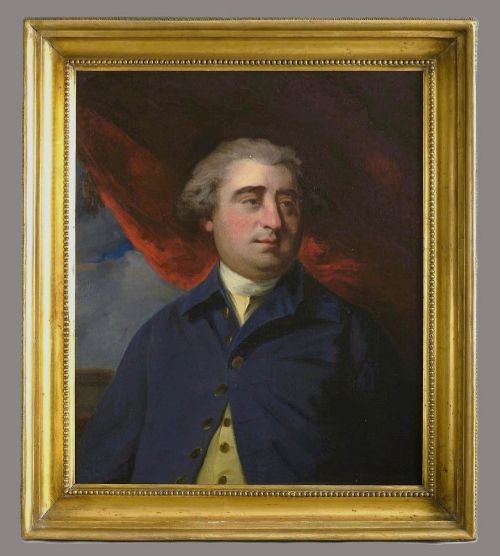
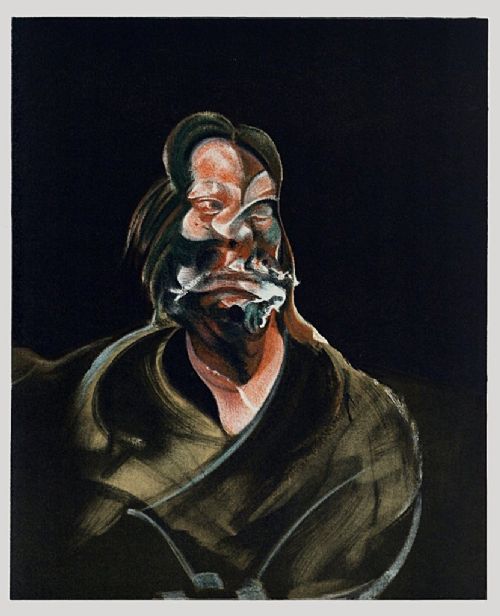
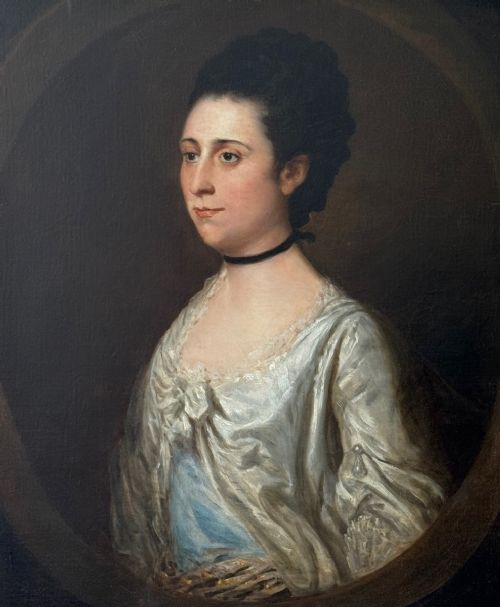
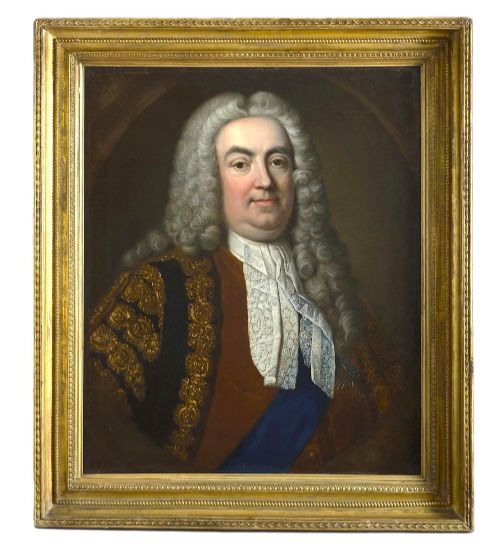
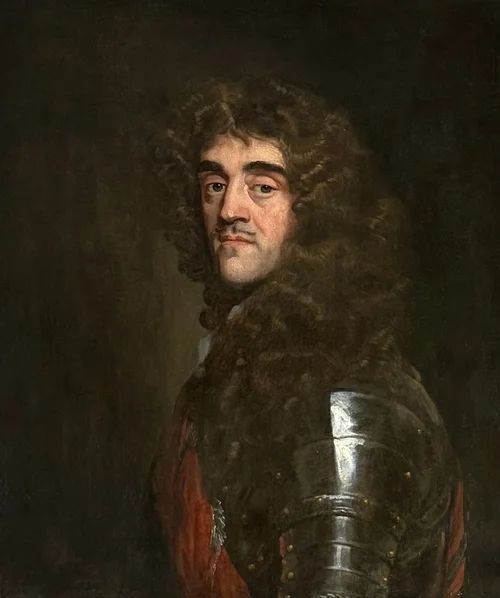
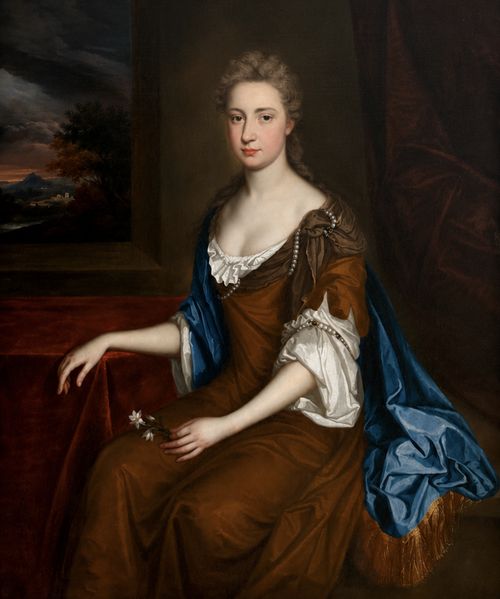
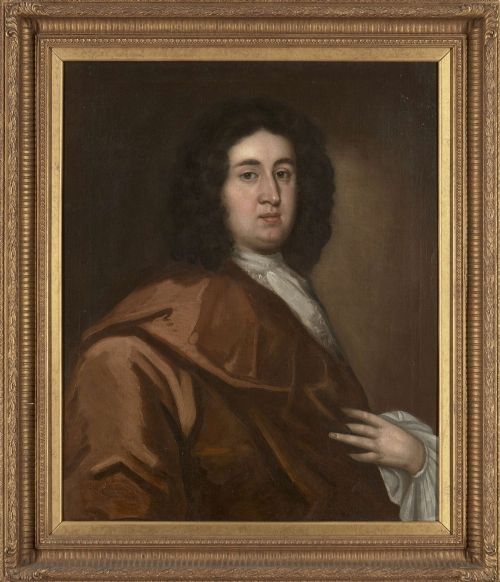
When you search for a british fine art portrait, you encounter painted and drawn likenesses spanning the seventeenth century through to the mid-twentieth century. The selection ranges from grand oil paintings on canvas depicting nobility and statesmen to intimate watercolour studies and pencil sketches.
The versions most frequently met on this page are oil paintings on canvas or panel from the eighteenth and seventeenth centuries, often framed in period giltwood. These works capture subjects from anonymous sitters to identified historical figures, rendered in styles that shift from Jacobean formality to Georgian elegance and modern realism.
Materials and Techniques
The primary technique relies on oil paint applied to stretched canvas or wooden panels, building up layers of pigment to achieve depth in clothing, skin tones and backgrounds. Watercolour on paper and pencil on paper appear in studies and later works, offering a lighter touch.
Many of the historical frames utilise carved wood and gesso, finished with gilding to complement the richness of the oil paintings they enclose.
The listings span from the seventeenth century through to the mid-twentieth century, utilising oil paint, canvas, oak panel, watercolour and pencil.
What Varies in Quality
The distinction between standard works and exceptional examples rests upon the dexterity of the brushwork and the psychological depth captured in the sitter's expression. Masterful handling of textiles, lace and light sets studio pieces and named hands apart from standard provincial output.
Condition of the canvas, stability of the original ground layers and the preservation of the pigment without extensive later intervention also dictate the standing of a piece within the range.
Sir Martin Archer Shee·Bernard Hailstone·Sir James Dromgole Linton·John Maler Collier·John Opie·Thomas Murray·Sir Joshua Reynolds·Thomas Beach·Jean Baptiste Van Loo·John Greenhill·Albert Clark·John Closterman·Allan Ramsay·Augustus John·Thomas Hudson
The British Fine Art Portrait Glossary
- Oil on Canvas
- Pigment mixed with drying oil applied to a woven fabric support. This combination forms the durable medium for the majority of historical portraits listed here.
- Giltwood
- Wood carved and coated with gold leaf or gold paint. Frames of this description frequently accompany seventeenth and eighteenth century canvases.
- Panel Painting
- Artwork executed on a flat wooden support rather than fabric. Oak panels are particularly common in earlier seventeenth century works.
- Gesso
- A paint mixture consisting of a neutral binder mixed with chalk, gypsum, or pigment. It serves as a smooth preparation layer on frames before gilding.
- Studio of
- A term indicating the work was produced by assistants or pupils under the direct supervision of a master artist. This designation reflects proximity to a major workshop.
British Fine Art Portrait: Frequently Asked Questions
How do I identify a seventeenth century portrait?
Seventeenth century portraits often feature rigid postures, dark embroidered doublets, lace ruffs or elaborate periwigs. The support material can also be a strong indicator, as oak panels frequently appear alongside early canvas works.
Brushwork during this period tends to be precise and linear, focusing heavily on the intricate details of costume and status symbols rather than loose atmospheric effects.
What is the difference between studio work and an original painting?
An original painting is executed entirely by the named master artist's own hand. Studio works are produced by pupils or assistants within the master's workspace, often following a successful composition created by the principal.
While studio pieces still date from the period and maintain high artistic merit, they generally command different levels of recognition among collectors compared to fully autograph pieces.
How should I care for an antique oil portrait?
Antique oil paintings require stable environmental conditions away from direct sunlight and extreme humidity fluctuations. Keeping the room at a moderate temperature prevents the canvas from slackening and protects the wooden panel or stretcher frame.
Dusting should be done gently with a soft, dry brush, avoiding any moisture or cleaning agents on the painted surface or giltwood frame.
What do clothing and accessories reveal about a sitter?
Costume, lace, armour and props provide concrete clues to the sitter's social standing, profession and the exact decade of creation. A periwig, a red sash, or specific court dress align directly with the fashion of specific reigns and centuries.
Artists meticulously recorded these details to signal the wealth, military rank or political influence of the individual portrayed.