


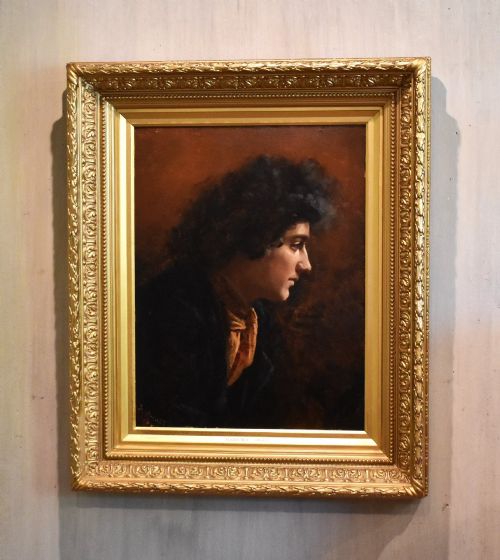
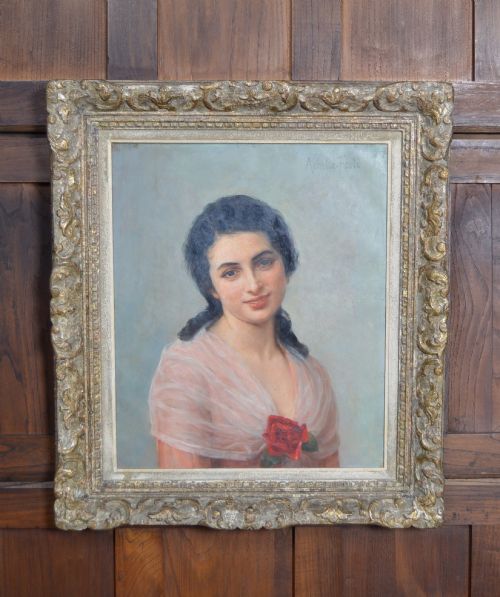


Vintage Female Portraiture
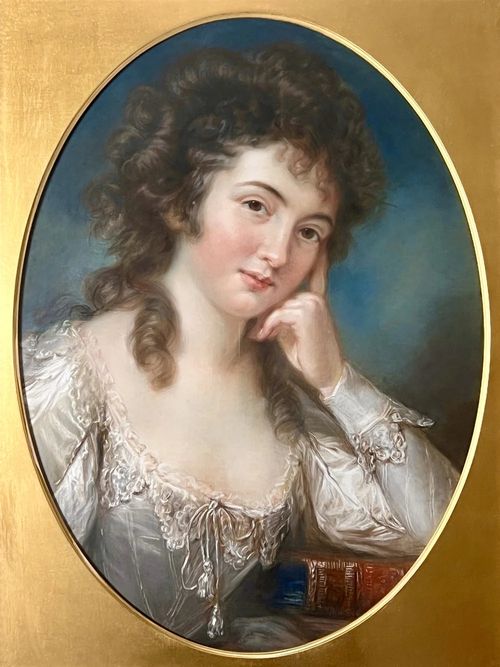
Vintage female portraiture gathers framed oils and watercolours of women spanning the seventeenth century to the mid-twentieth century.
Vintage Female Portraiture
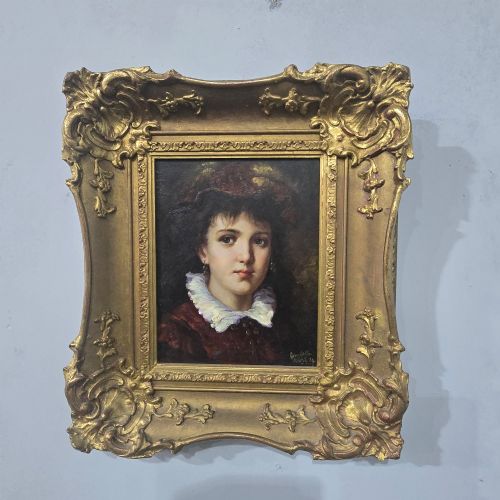
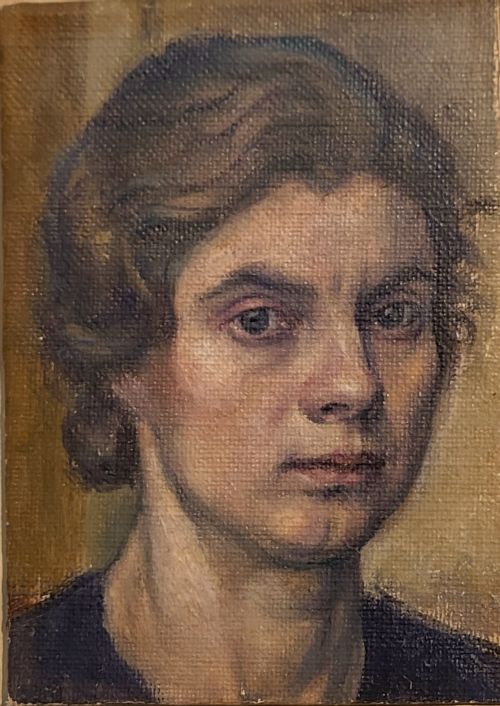
Vintage female portraiture brings together painted likenesses of women executed across several centuries, capturing sitters ranging from noblewomen to modern artists. When you search for vintage female portraiture, you encounter oil paintings on canvas or board, alongside occasional watercolours, housed in period surrounds such as giltwood frames.
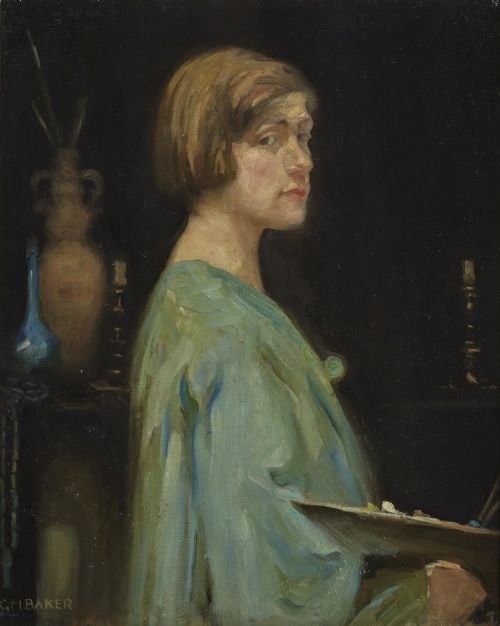
The pieces on this page lean heavily towards nineteenth-century works and early twentieth-century examples, though seventeenth-century and eighteenth-century depictions also appear. These artworks record changing ideals of femininity, dress and artistic style through portraits of young beauties, self-portraits and aristocratic figures.
Materials and construction methods
Presentation matters just as much as the canvas itself, with many pieces set within original or period frames fashioned from giltwood, gold leaf and gesso over wood. These frames often feature decorative mouldings that complement the aesthetic of the portrait they enclose.
Vintage Female Portraiture Retail Price Guide 2026
Typical asking prices for vintage female portraiture among the pieces listed under this phrase on Sellingantiques today, from the lower quarter to the upper quarter. They describe what is for sale here now, not the wider market.
Listings combine seventeenth-century Stuart works with twentieth-century realist paintings, united by oil on canvas and giltwood framing.
Markers of quality and execution
The distinction between standard works and finer pieces rests in the handling of the sitter's expression, anatomical proportion and psychological depth. Superior portraits reveal a confident command of light and shadow across the face, whereas lesser examples can feel stiff or formulaic in execution.
The integrity of the physical materials also shapes the overall standard, including the preservation of the original paint surface and the craftsmanship of the accompanying frame. Works that retain their period giltwood frames without heavy restoration command greater attention from collectors.
G. J. S. Bary·John Hayls·Jonny Gaston·Gladys Marguerite Baker·Achille-Fould·Florence Small·Attilio Toro·Philip Naviasky·S Dennant Moss·Fernand Toussaint·Bernard Meninsky·John Gilroy
The Vintage Female Portraiture Glossary
- Oil on canvas
- A painting medium where pigments are suspended in drying oils and applied to a woven fabric support stretched over a wooden frame. This combination allows for rich blending of tones and enduring flexibility.
- Giltwood
- Wood that has been coated with a thin layer of gold leaf or gold paint, frequently used for decorative antique picture frames. It provides a warm, reflective border that enhances the colours within the painting.
- Gesso
- A traditional paint mixture consisting of a binder mixed with chalk, gypsum, or pigment, used to prepare wood or canvas surfaces. In framing, it forms the smooth base layer carved before gilding.
- Self-portrait
- A representation of an artist drawn, painted or sculpted by the artist themselves. These works often offer a more direct insight into the creator's personal technique and self-perception.
- Belle Epoque
- A period of French and European history spanning roughly from the late nineteenth century to the First World War. Art from this era often displays elegance, refined portraiture and a focus on luxurious social life.
Vintage Female Portraiture: Frequently Asked Questions
What periods do these portraits cover?
The selection spans from seventeenth-century noblewomen up to mid-twentieth-century modernist canvases, taking in Georgian, Victorian and Belle Epoque examples along the way.
Nineteenth-century works make up a substantial share of the offerings, providing a clear window into the prevailing artistic tastes of that era.
Are the frames original to the paintings?
Many portraits retain their period surrounds, such as maple wood or giltwood frames adorned with gold leaf and gesso mouldings.
A matching frame from the same era preserves the historical context of the artwork and its presentation.
How do I identify a self-portrait?
Certain works explicitly record the artist portraying themselves, sometimes shown holding a paint palette while looking directly at their reflection.
These personal pieces offer a distinct perspective compared to commissioned portraits of sitters.
What mediums are used in these portraits?
Oil paint on canvas or wood panel forms the primary medium across nearly all the listings gathered here.
A small number of works employ watercolour on paper, accompanied by detailed inscriptions or signatures from the artist.