


1920s Portrait Painting
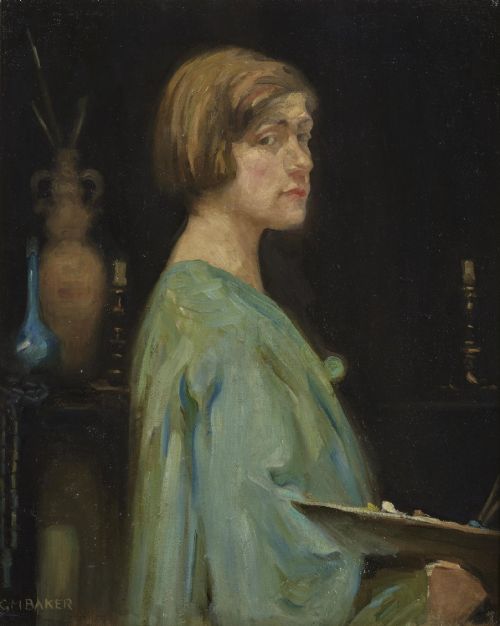
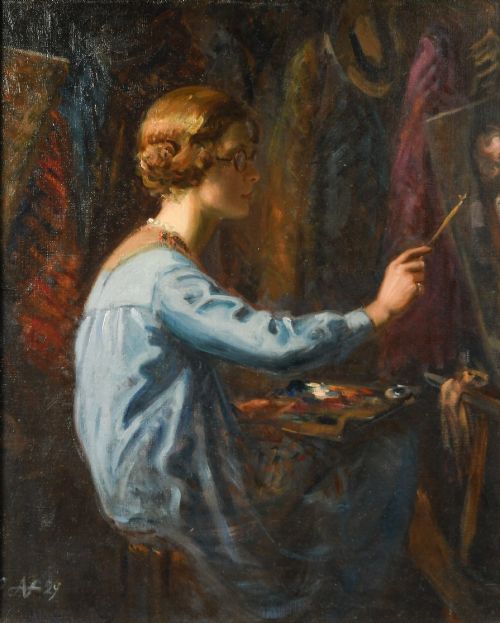
A 1920s portrait painting captures the distinct psychological introspection and fashion of the interwar years, offering a compelling focal point for a room.
1920s Portrait Painting
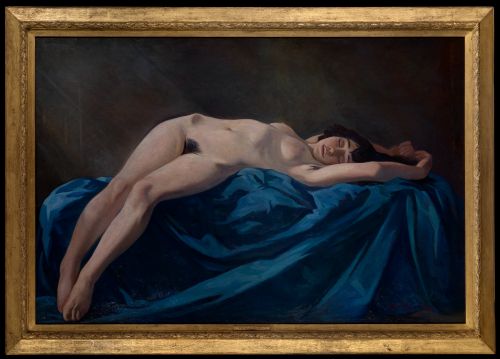
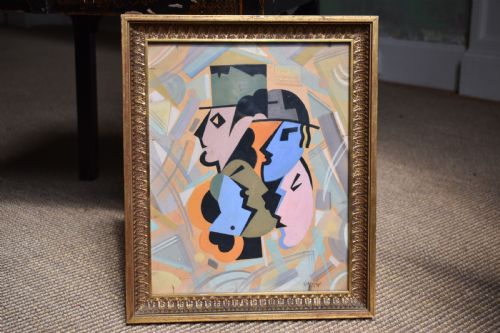
A 1920s portrait painting encompasses likenesses of sitters produced during a decade of artistic transition, bridging traditional academic realism and early modernist movements. When searching for a 1920s portrait painting, buyers encounter works ranging from intimate self-portraits and detailed miniature watercolours to large oil canvases depicting society figures, artists, and anonymous sitters. The selections available reflect both British and continental European sensibilities, touching upon Art Deco styling, Interwar Realism, and Modern British aesthetics.
The subjects of these works vary widely in character, showing formal sitters alongside informal studies of flappers, artists in smocks, and children. Painters of the period utilised canvas, wood, paper, and glass as surfaces, applying oil paint, watercolour, and gouache. Such pieces often arrive framed in wood, preserving the original presentation style of the interwar domestic interior.
Assessing quality and execution
Quality in these works rests upon the confidence of the draughtsmanship, the psychological depth captured in the sitter's expression, and the harmony of the palette. Superior examples demonstrate a secure command of anatomy and light, whereas lesser pieces can rely on formulaic academic repetition without engaging the individual character of the sitter.
The preservation of the paint surface and the originality of the backing or framing also influence the standing of a piece. Works executed by established practitioners with documented exhibition histories display a more resolved compositional balance than anonymous student exercises from the same years.
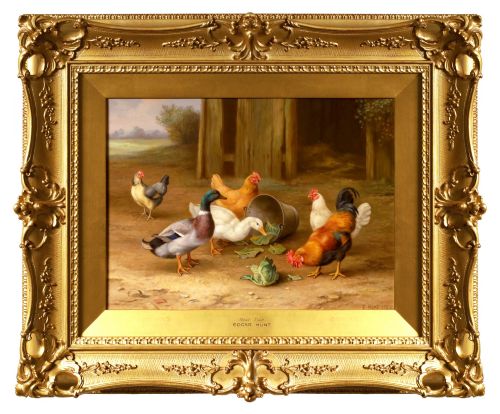
A daring feline occasionally shares the canvas, proving that pets commanded artist attention just as much as society tycoons.
Eric Robertson·Frederick Albert Clark·Edgar Hunt·Raymond Moritz·Alexandre Louis Martin·Georges Goursat·Takabatake Kasho·Susie Lassam·Jean Hippolyte Marchand·Montagu Barstow·Benedict Angell Hyland·Dame Laura Knight·Leo Klin·Cowan Dobson·Harry John Pearson·Olaf Simony Jensen·Henri Mathy·Fernand Duroze
The 1920s Portrait Painting Glossary
- Oil on Canvas
- Pigments bound in a drying oil, usually linseed, applied to a stretched woven fabric support. This combination allows for rich colour blending and textured impasto work.
- Watercolour
- A paint consisting of colourants suspended in a water-soluble binder, typically applied to paper. It relies on the white of the paper showing through transparent washes.
- Gouache
- An opaque water-based paint featuring pigment mixed with water and a binding agent such as gum arabic. It provides solid, flat areas of colour and sharp highlights.
- Portrait Miniature
- A small, highly detailed painting executed on materials such as ivory, vellum, card, or glass. These portable likenesses were often framed for intimate domestic display.
- En Grisaille
- Painting executed entirely in shades of grey or neutral monochrome. This technique often imitates the visual effect of relief sculpture.
1920s Portrait Painting: Frequently Asked Questions
What defines a 1920s portrait painting?
These works capture human likenesses created during the interwar decade, combining lingering academic techniques with emerging modernist approaches. They frequently feature period-specific styling, dress, and emotional restraint.
The palette and materials reflect the transition from nineteenth-century traditions into early twentieth-century realism and Art Deco aesthetics.
How do I hang a portrait painting?
Choose a wall with stable ambient temperature away from direct sunlight to protect the canvas, paper, or pigments. Secure the piece using appropriate fixings suited to the weight of the wooden frame.
Position the centre of the canvas at eye level to create a balanced viewing height within the room.
Were these paintings meant for homes?
Portrait paintings from this era served as domestic decorations, commissioned family likenesses, or studio studies. They were framed to complement contemporary interior spaces.
Smaller formats, such as miniatures on glass or paper, were often kept on mantelpieces or carried as personal items.
How can I tell the period?
Examine the sitter's clothing, hairstyle, and accessories, which often display distinct markers of interwar fashion such as cloche hats, chemises, or cropped cuts. Signatures, dates, and framing materials also provide chronological clues.
Stylistic indicators like Cubist or Fauvist influences point directly to the artistic experiments of the nineteen-twenties.