
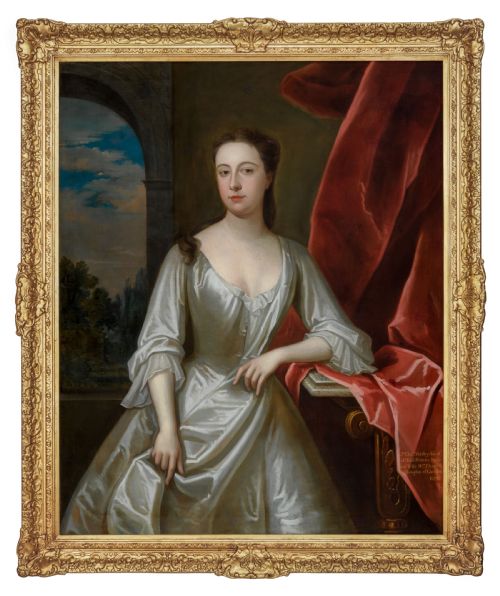
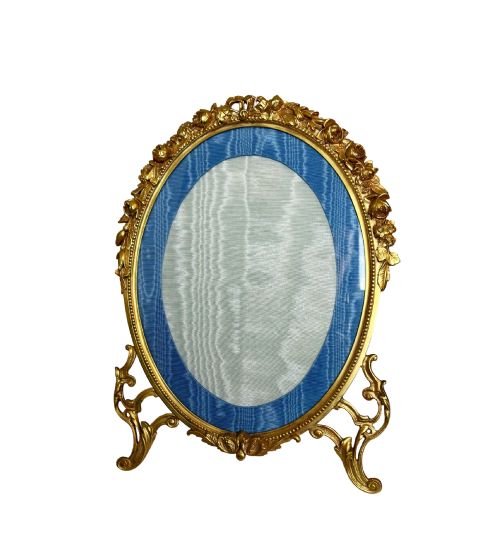
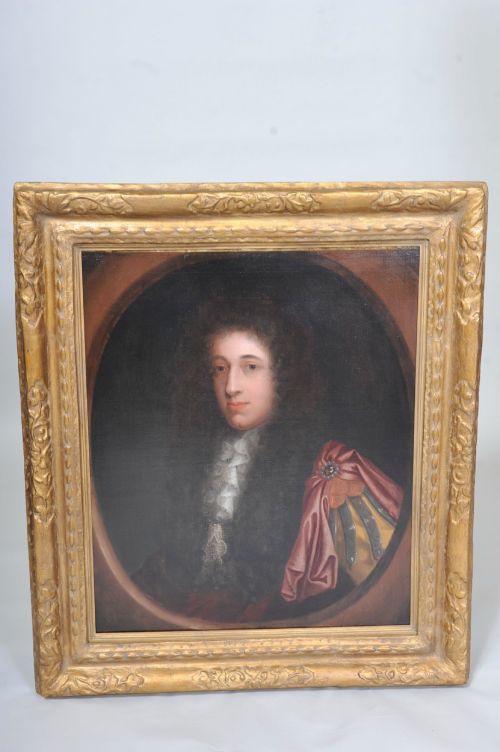
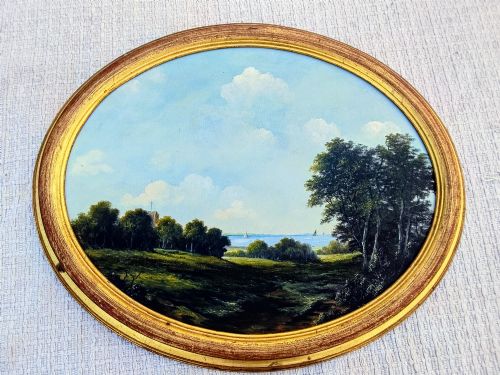
Antique Oval Framed Picture
An antique oval framed picture brings centuries of portraiture and craft to a wall, offering a curved focal point that softens rigid room layouts.
Antique Oval Framed Picture
When you search for an antique oval framed picture, you encounter a diverse range of items from the eighteenth, nineteenth, and early twentieth centuries, spanning Georgian, Victorian, and Edwardian periods.
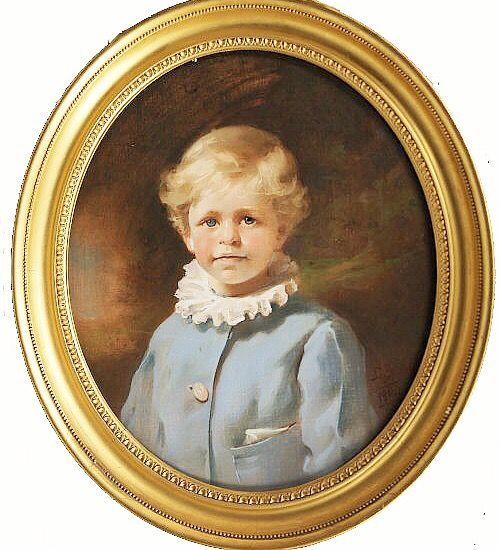
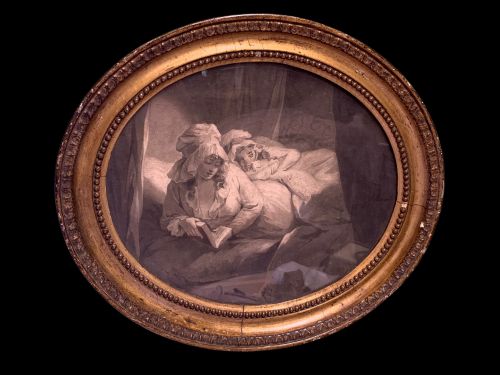
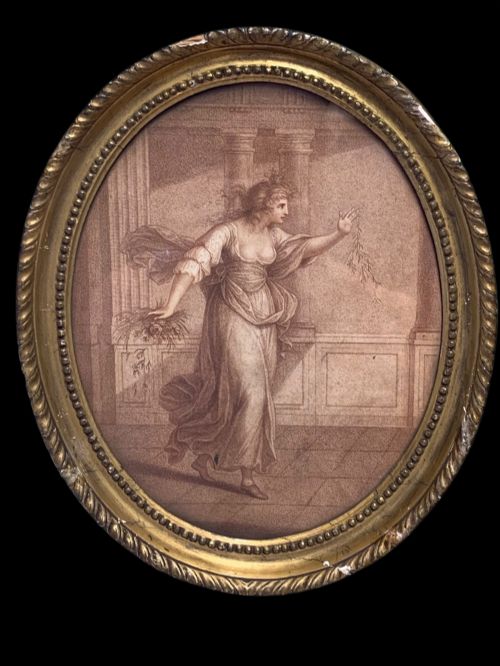
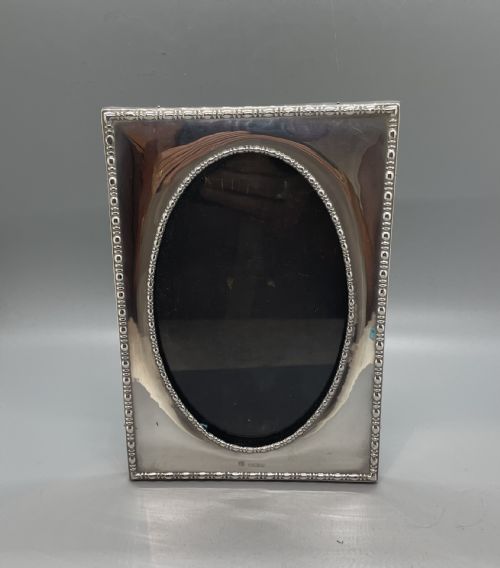
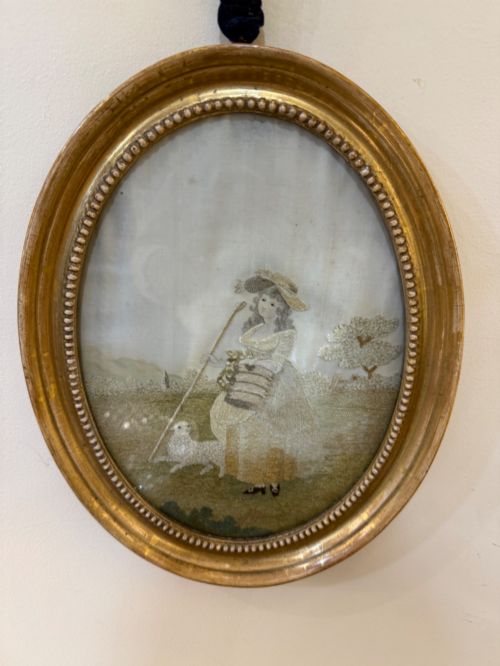
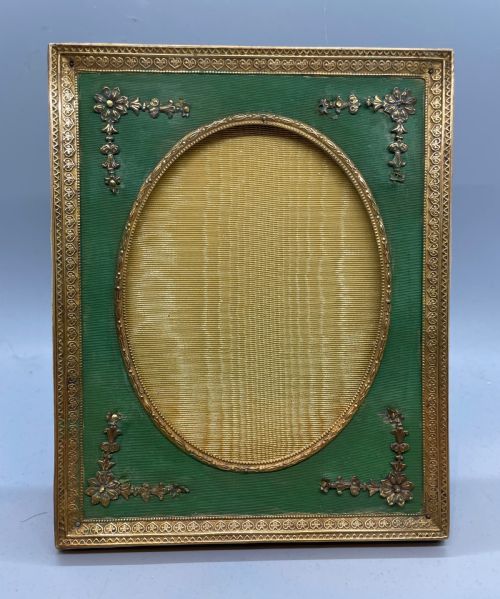
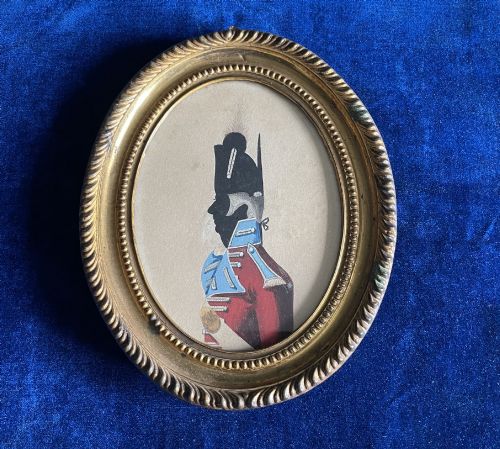
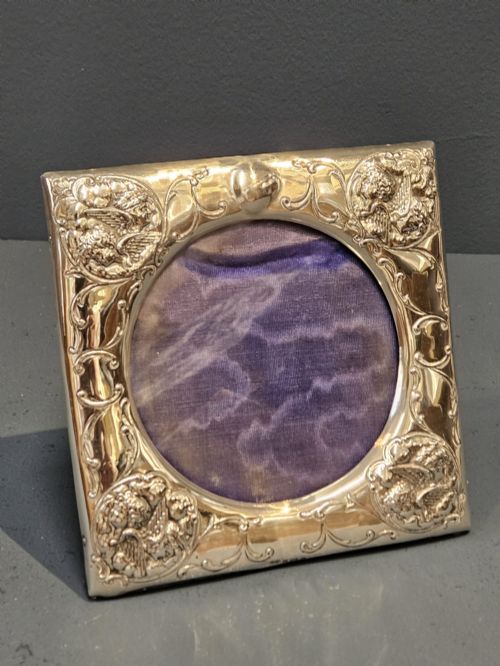
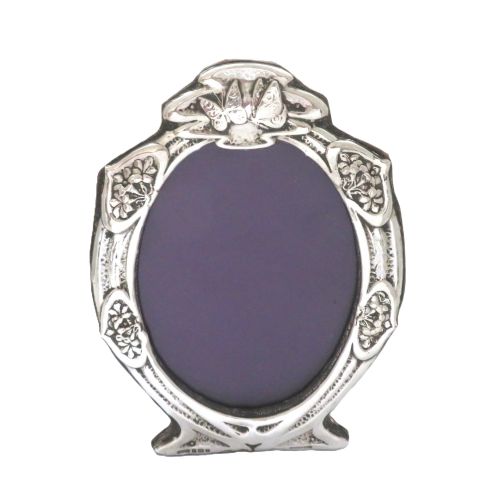
The selections here encompass oil paintings, pastels, watercolours, stipple engravings, Berlin silks, shellwork, and portrait miniatures, alongside dedicated photograph frames in silver, ormolu, and giltwood.
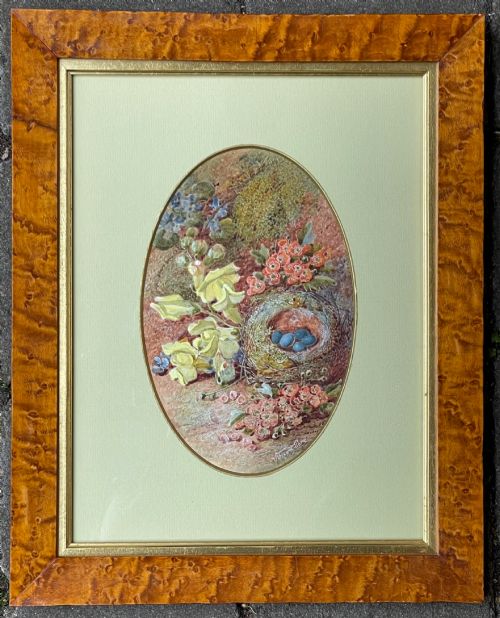
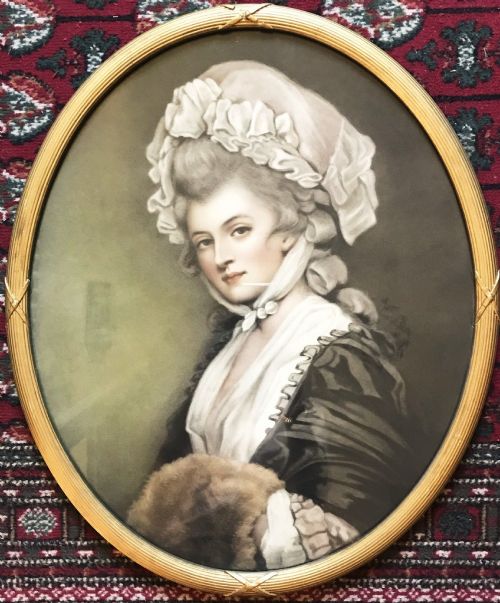
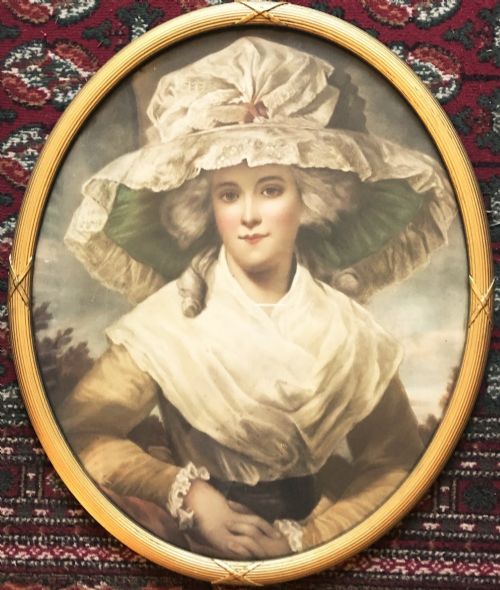
Portraits of individuals dominate the selection, often rendered by named or regional artists, sitting alongside decorative pastoral scenes and still lifes housed behind glass.
How they were made
Makers utilised traditional mediums such as oil on canvas, pastel, watercolour, and ink on paper, mounting the works securely within curved wooden, cast metal, or sterling silver surrounds.
Frames frequently feature giltwood, ormolu, and stamped sterling silver bearing hallmarks from assay offices like Sheffield and Birmingham, often backed with velvet or wood.
Intricate detailing includes seed pearl embellishments on miniature frames and precise hand-carved mouldings designed specifically to follow the sweeping curves of the aperture.
Listings feature sterling silver photo frames alongside eighteenth-century engravings and Victorian watercolours.
What varies in quality
The calibre of an antique oval framed picture depends heavily on the dexterity of the hand that created the artwork, distinguishing fine portrait miniatures and oils from mass-produced prints.
The construction of the frame itself establishes value, with heavy cast silver, intricate ormolu work, and period giltwood holding greater distinction than later alloy substitutes.
Originality remains paramount, ensuring that the artwork and its specific curved housing retain their historical pairing without later alterations or mismatched components.
Sir Godfrey Kneller·Leon Sprinck·Vincent Clare·Louis Icart·Arthur Percy Dixon·Charles Hayter·Mappin Bros
The Antique Oval Framed Picture Glossary
- Stipple engraving
- A printmaking technique using dots of varying density to create tonal graduation and lifelike skin textures in portraiture.
- Portrait miniature
- A small, highly detailed painting, often executed on ivory, vellum, or card, designed to be held or worn.
- Ormolu
- Gilt bronze ornamentation applied to furniture and frames, popular in decorative arts during the nineteenth and early twentieth centuries.
- Berlin silk
- Embroidered needlework utilising brightly coloured wools or silks on canvas, characteristic of the Georgian and Victorian eras.
- Hallmark
- Official stamps applied to precious metals such as sterling silver, indicating the maker, assay office, and year of testing.
Antique Oval Framed Picture: Frequently Asked Questions
How do I date an antique oval frame?
Dating relies on examining the materials, backing boards, fixings, and any silver hallmarks present on the metalwork. Styles shift from eighteenth-century carved wood to heavy Edwardian silver and ormolu.
Closer inspection of the fixings and glass type often reveals whether the frame and its contents have remained together since their original creation.
Were these always meant for walls?
While many oil paintings and engravings were designed for wall display, smaller pieces like silver photograph frames and portrait miniatures were made for tabletops or personal carriage.
Oval formats suit both intimate desk accessories and substantial salon portraits, adapting to the interior fashions of the Georgian and Victorian periods.
How should I hang an oval frame?
Ensure the wall fixing supports the weight securely, particularly for heavy giltwood or sterling silver examples that carry substantial glass fronts.
Using a two-point hanging wire system prevents the curved frame from tilting and keeps the piece level against the wall surface.