




Gold Leaf Florentine Frame
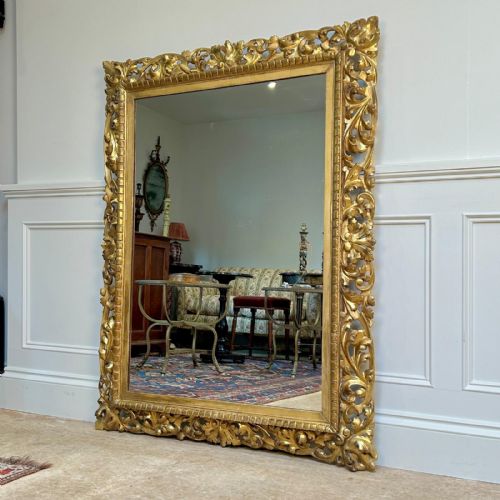
These gold leaf florentine frame pieces bring ornate Italian craftsmanship into a room, offering striking carved decoration and antique gilding.
Gold Leaf Florentine Frame
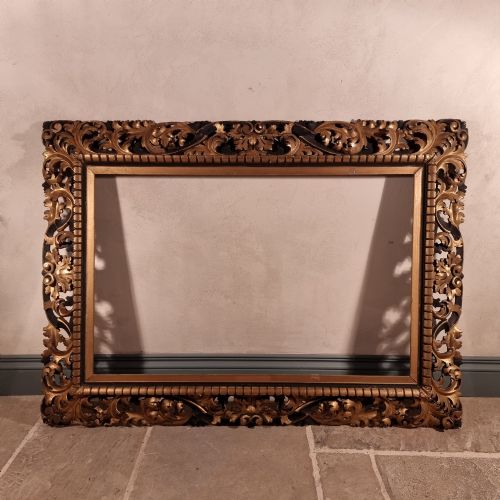
A gold leaf florentine frame is typically encountered as a wall mirror, a picture frame, or housing an oil painting and charcoal drawing. These pieces originate predominantly from the nineteenth century, alongside eighteenth century examples.
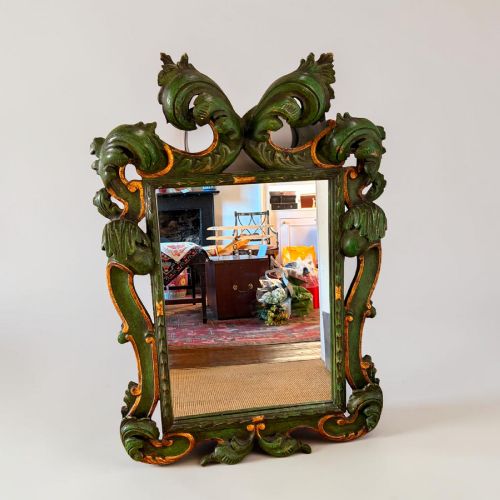
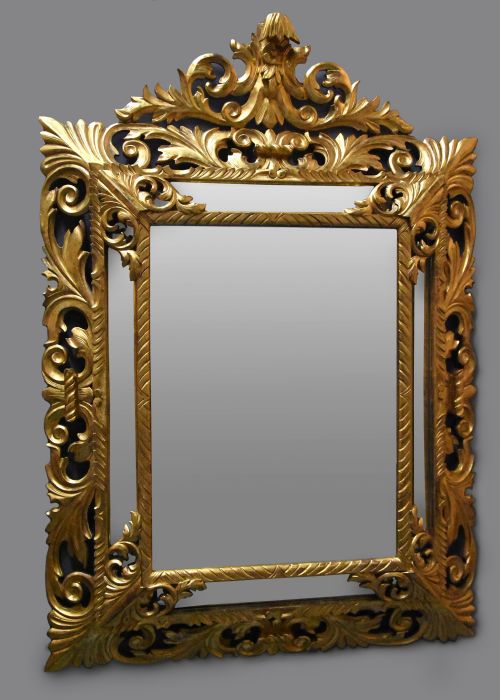
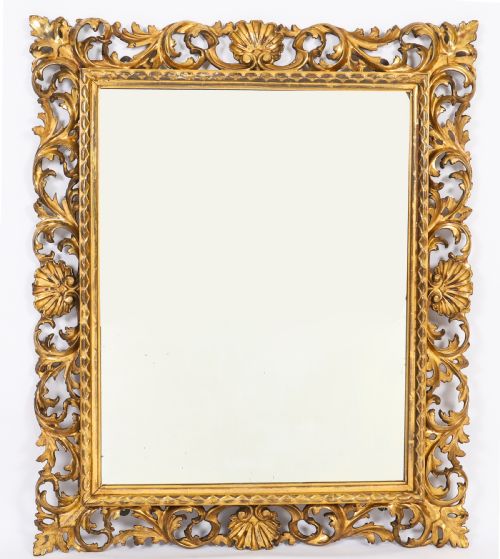
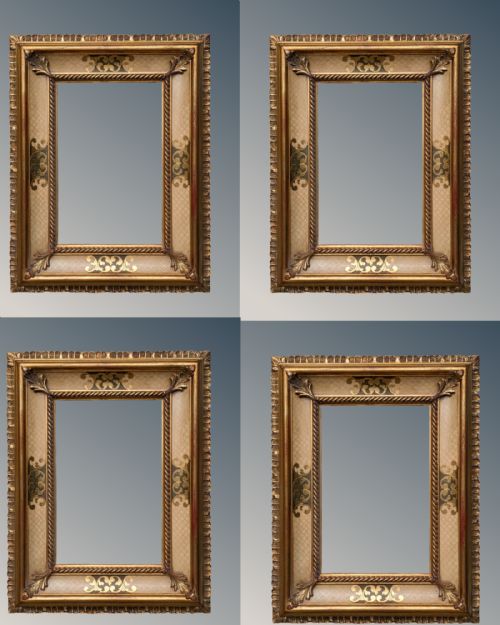
Buyers seeking this phrase most often find carved giltwood mirrors and frames featuring distinct Florentine and rococo revival styles. The selection spans rectangular and oval wall mirrors, cushion mirrors, and sets of frames.
Originating largely from Italy, these objects demonstrate regional decorative traditions through deeply carved timber structures. They serve both as standalone decorative mirrors and as surrounds for fine art.
Materials and Construction
These items are constructed primarily from wood and timber, shaped through hand carving to create elaborate scrollwork and foliage. Gesso is applied beneath the surface to provide a smooth base for subsequent decoration.
Gold leaf is laid over the prepared wooden frames to achieve a luminous metallic finish. Charcoal and glass appear where mirrors or drawings complete the historical objects.
Listings feature items from the eighteenth and nineteenth centuries, including objects dated precisely to 1880, 1890, 1910, and 1930.
Distinctions in Quality
The sophistication of the hand carving separates finer examples from simpler production. Deeply undercut foliage and crisp botanical motifs demonstrate superior artisan skill.
The application and preservation of the gold leaf and gesso layers dictate the visual richness of the surface. Intricate detailing around corners and margins remains sharper in better preserved specimens.
The Gold Leaf Florentine Frame Glossary
- Giltwood
- Wood that has been coated with gold leaf or gold paint. This technique creates a radiant surface typical of formal European mirrors and picture frames.
- Gesso
- A plaster-like mixture applied to wood to prepare a smooth surface for gilding. It allows carvers to achieve fine relief details before applying gold leaf.
- Florentine Rococo
- A decorative style characterised by asymmetrical scrolls, shell motifs, and exuberant ornamentation. It heavily influences the profile of many nineteenth-century Italian frames.
- Girandole
- A branched mirror designed to hold candles, reflecting light across a room. Eighteenth-century examples integrate this lighting function directly into the gilded wooden frame.
Gold Leaf Florentine Frame: Frequently Asked Questions
How do I hang a heavy giltwood mirror?
These heavy carved timber frames require robust wall fixings anchored directly into structural studs or masonry. Professional mirror hangers should assess the weight before installation.
Ensure the hanging wire or integrated brackets match the substantial load of antique wood and glass.
Are these frames original to the eighteenth and nineteenth centuries?
The listings comprise authentic period pieces alongside items spanning the nineteenth and early twentieth centuries. Stylistic indicators like gesso application help determine the age.
Examining the underlying timber provides further context regarding the manufacturing period.
How should I clean antique gold leaf?
Dusting should be performed gently with a dry, soft brush to avoid disturbing fragile gilt surfaces. Water and chemical cleaning agents must be strictly avoided.
Moisture can penetrate the gesso and lift the delicate gold leaf from the wood.
What rooms suit a Florentine giltwood mirror?
These ornate pieces function well as focal points above mantelpieces, in hallways, or as vanity mirrors. Their reflective glass and gilded frames brighten darker interior spaces.
Pairing them with neutral walls allows the intricate carved details to stand out clearly.