


Scottish Portrait Artwork
These oil paintings, watercolours, and drawings capture scottish portrait artwork across centuries of sitters, from nobility to sheep dogs.
Scottish Portrait Artwork
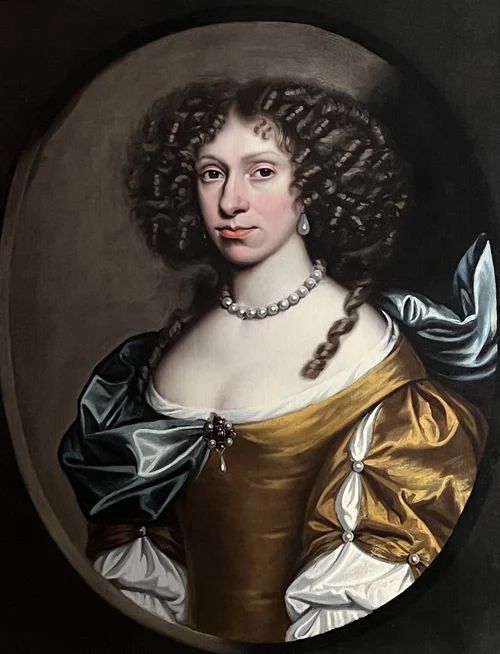
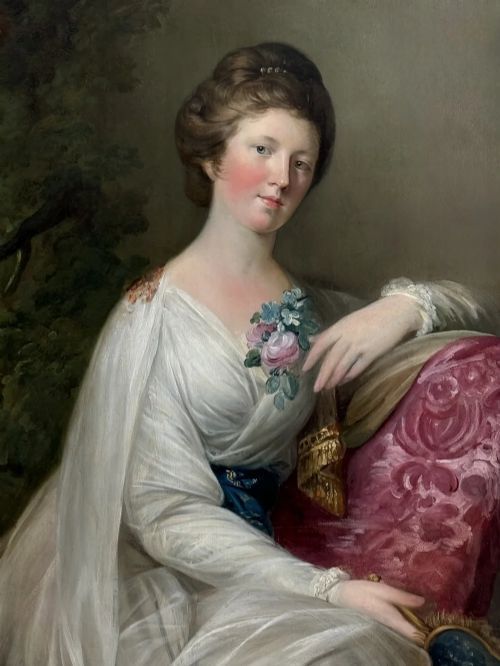
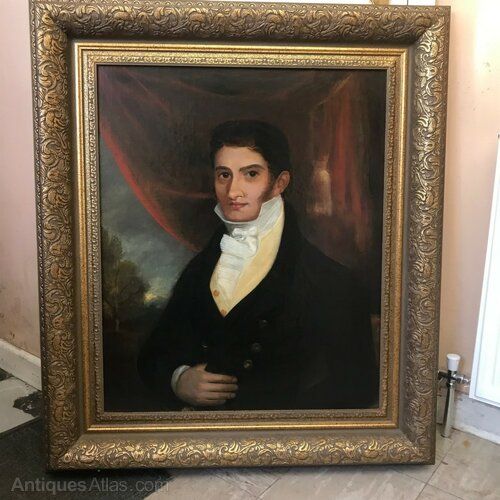
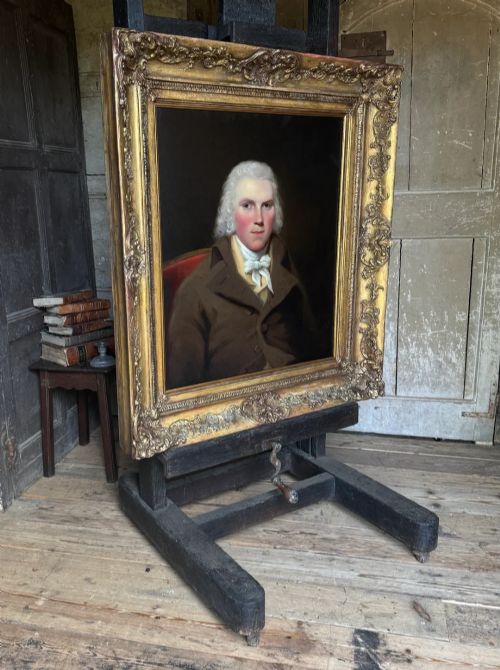
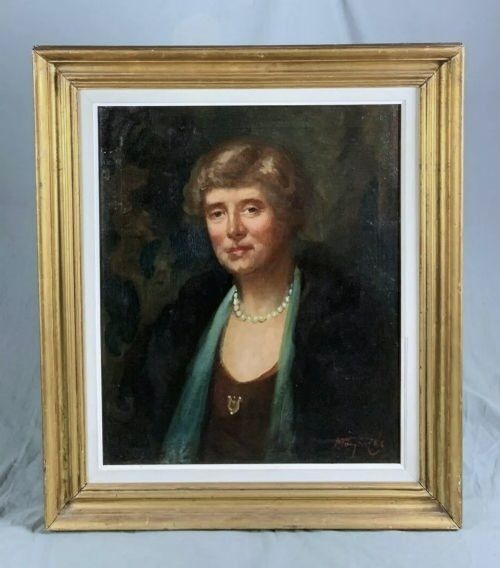
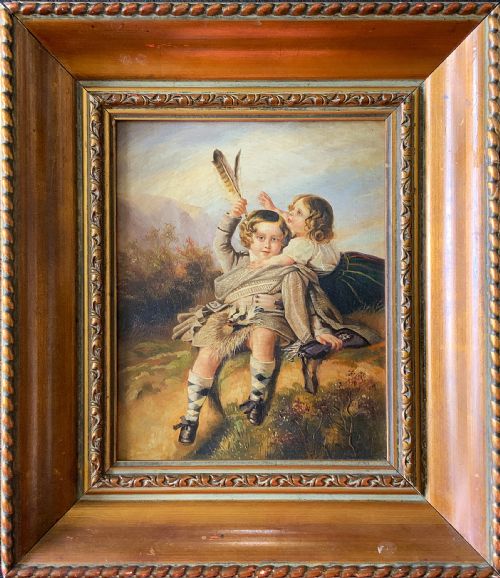
When you search for scottish portrait artwork, you encounter oil on canvas, watercolour, drawing, and painted silhouettes depicting individuals, families, and animals. The material ranges from 17th century oils to early 20th century watercolours, often framed in wood or giltwood.
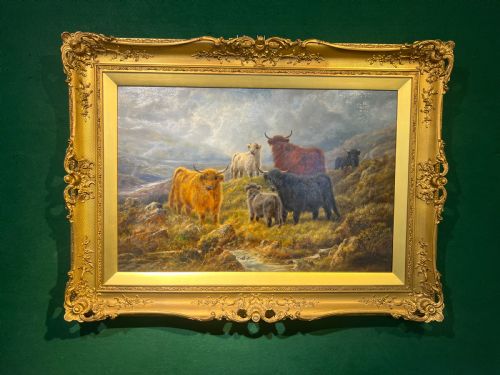
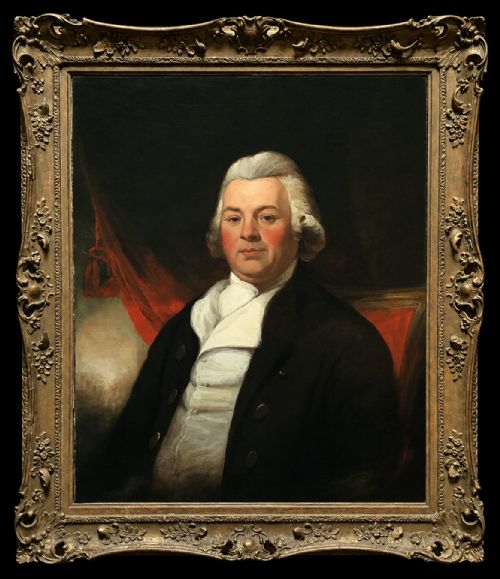
The sitters include landed gentry, clan members in tartan, wool manufacturers, and literary figures alongside domestic terriers and highland cattle. Works span the 17th, 18th, 19th, and early 20th centuries, representing movements such as the Scottish School, Victorian naturalism, and early modernism.
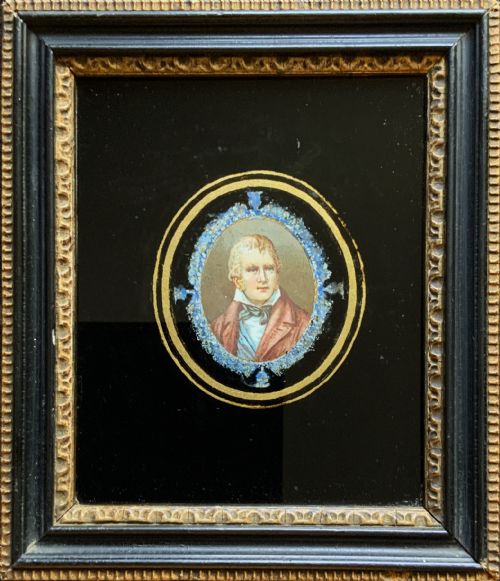
You are most likely to meet 19th century and early 20th century oils and watercolours on this page, alongside earlier Georgian and 17th century canvases by notable hands. The selection encompasses framed paintings, miniatures, and wall art from various regional studios.
Materials and technique
Artists painted primarily with oil paint on canvas or wood panels, building rich surfaces with layered pigments and varnishes. Watercolours on paper or board formed another primary method for capturing finer interior and portrait studies.
Frames frequently utilised wood, giltwood, and gold leaf, occasionally incorporating Hogarth moulding to complement the period aesthetic. Drawings and etchings employed ink, charcoal, and paper supports to achieve direct linear definition.
Listings feature periods from the 17th century to the 19th century, alongside early 20th century examples in oil, watercolour, and etching.
Distinctions in quality
Quality rests on the sureness of the draftsmanship and the psychological depth the artist achieved in rendering the sitter's expression. Confident handling of fabric textures, particularly tartan, wool tweed, and ceremonial tunics, elevates a canvas.
The integration of the subject with the surrounding light and interior or landscape background dictates the sophistication of the piece. A disciplined control of oil pigment or transparent watercolour washes separates accomplished studio works from routine output.
David Scougall·George Willison·Robert Watson·George Watson·Charles James McCall·William Watt Milne·Robert Eadie·J D Fergusson·John Lindsay Scott·Charles Jones·John Smith of Edinburgh·Snaffles·John W Morris·Alan Ramsay·GW Horlor·John R Houston·Herbert Dicksee·Dixon Clark·Richard Waitt·George Smith·Robin Watt·Richard Ball Spencer·William Aikman·Robert Cleminson·John McGhie
The Scottish Portrait Artwork Glossary
- Oil on Canvas
- Pigment suspended in drying oil applied to a woven fabric stretched across a wooden frame. This primary medium allowed artists to achieve depth and luminosity.
- Giltwood
- Wood carved and coated with gold leaf or metallic paint to create an ornate frame. These frames were designed to complement the status of the portrait.
- Hogarth Framed
- A frame style characterised by a dark, stepped wooden profile with an inner gold slip. It gained popularity for framing smaller portraits and prints.
- Miniature Paintings
- Small-scale portraits executed with meticulous detail on ivory, vellum, or card. These intimate works were often carried or kept in private spaces.
- Scottish School
- A loose collective descriptor for artists working in Scotland or sharing regional stylistic traditions. The grouping encompasses centuries of shifting academic and impressionist approaches.
Scottish Portrait Artwork: Frequently Asked Questions
What periods do these portraits cover?
The works span from the 17th century through the Victorian era and into the early 20th century. This timeline demonstrates shifting artistic conventions across generations of Scottish portraiture.
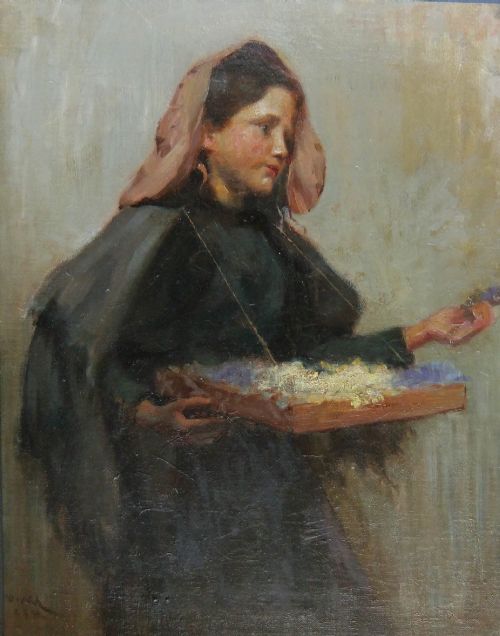
Earlier pieces often record named nobility and ministers, while later examples capture everyday figures, children, and animals.
What subjects besides people appear?
Artists frequently portrayed domestic animals, working terriers, sheep dogs, and highland cattle within landscape settings. Sporting scenes and marine subjects also feature prominently alongside human sitters.
These compositions reflect broader rural and maritime themes connected to Scottish heritage.
How do watercolours differ from oils here?
Watercolours utilise pigment suspended in water-soluble binders applied to paper or board, offering a lighter, more immediate feel. Oil paintings use slow-drying medium on canvas, allowing for richer texture and deeper tonal gradation.
Both mediums were employed by Scottish artists to capture interior domestic scenes and outdoor studies.