
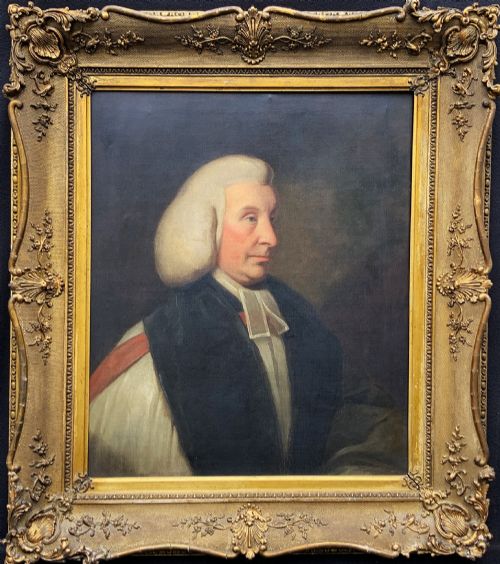
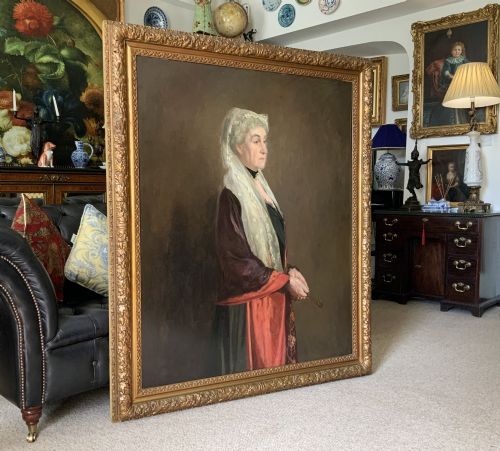
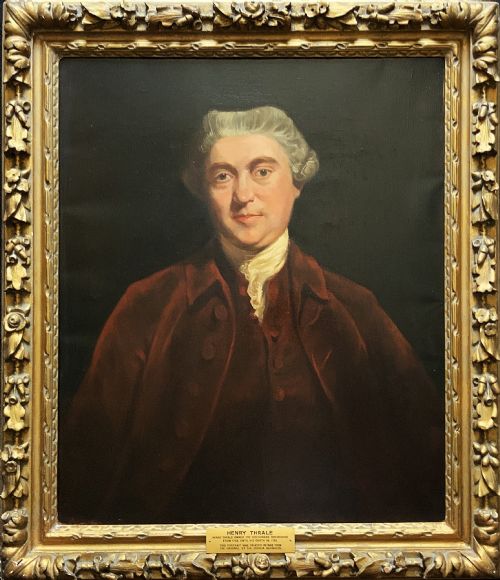
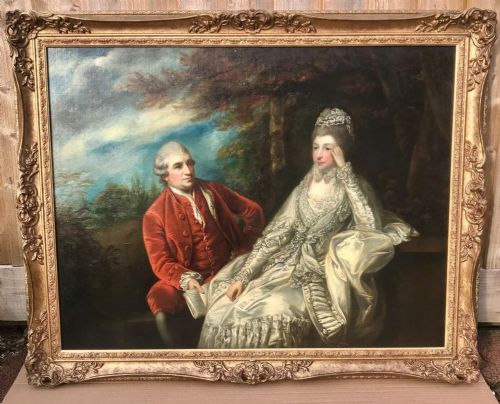
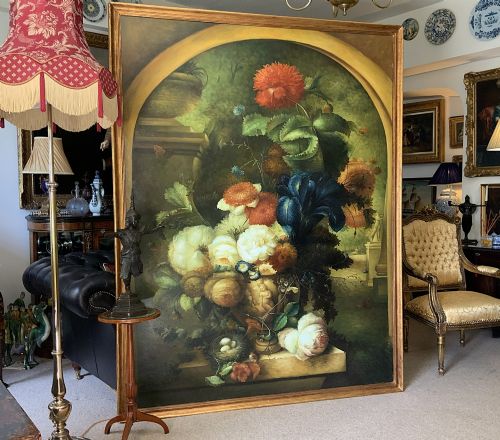
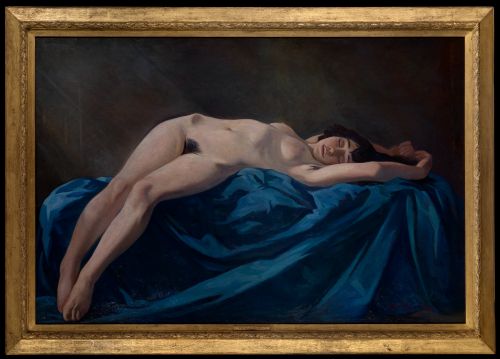
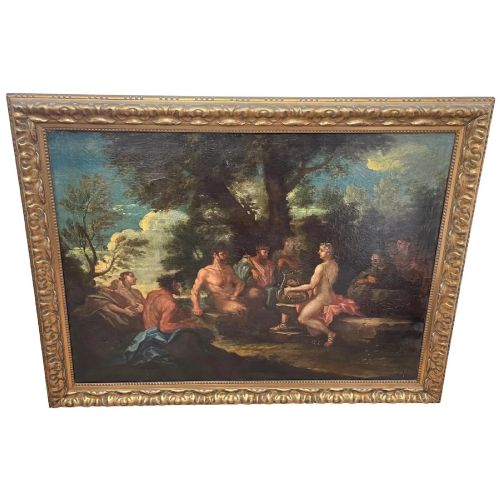
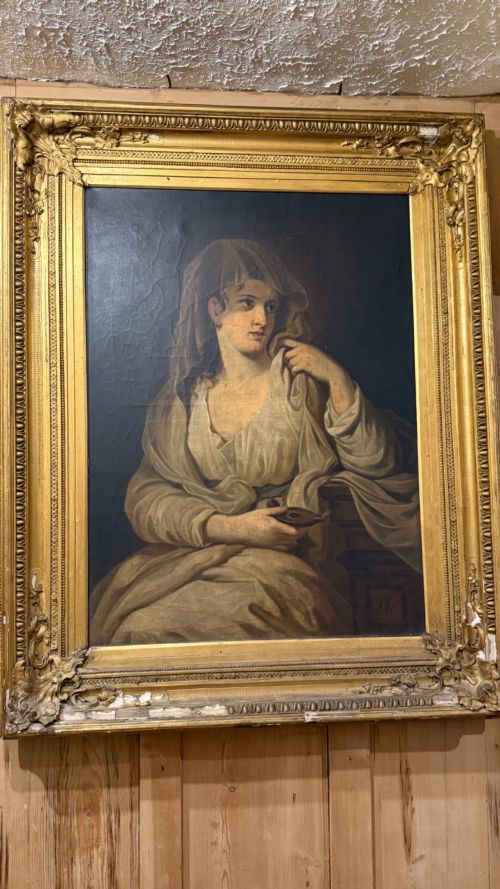
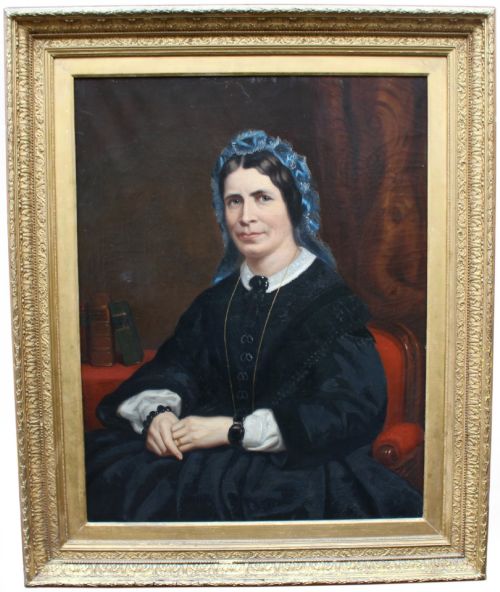

Large Framed Oil Painting
A large framed oil painting anchors a room with scale and pigment that print reproductions simply cannot match.
Large Framed Oil Painting
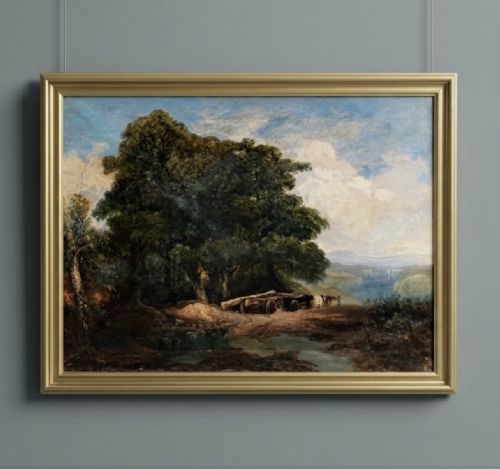
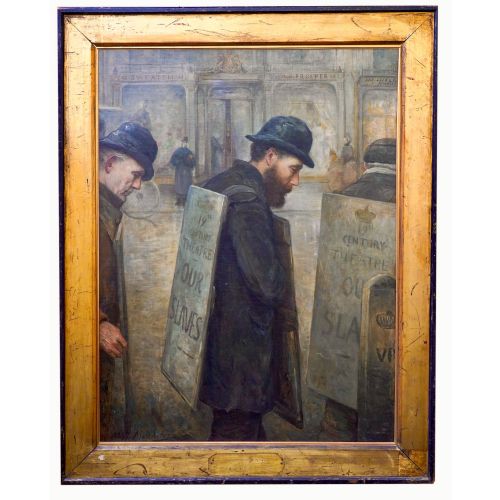
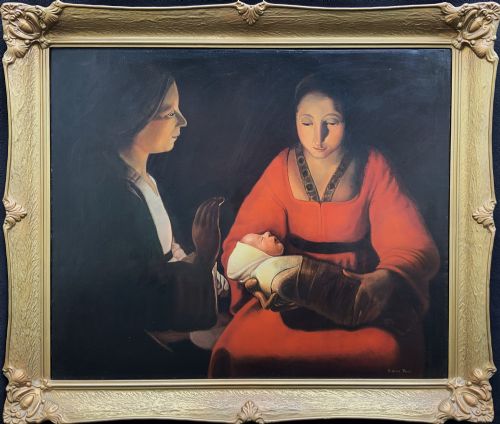
When searching for a large framed oil painting, a buyer encounters works spanning the eighteenth, nineteenth, and twentieth centuries, alongside mid-century and later interpretations. The subjects range from expansive landscapes and maritime scenes to formal portraits, genre historical pieces, and floral still lifes.
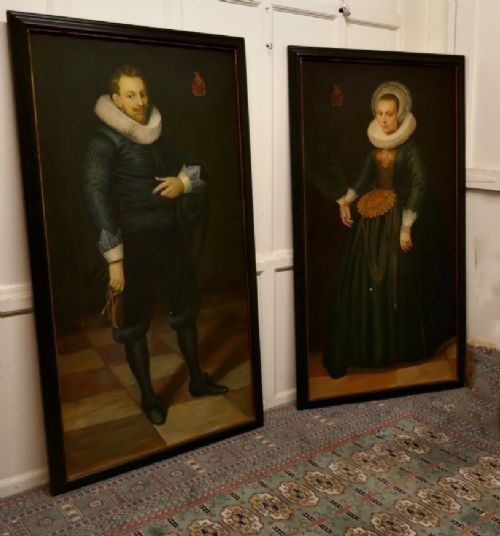
Most pieces on this page are substantial canvases set within heavy wooden surrounds, often gilded. These works represent British, French, Dutch, and Austrian schools, produced by named artists as well as continental workshops.
The format delivers significant visual weight, whether encountered as an individual monumental portrait or paired as matching decorative panels.
How they were made
The primary technique relies on oil paint applied to woven canvas stretches, occasionally supported by wood panels or vinyl canvas variants. Pigments build up in layers, allowing for depth in shadows and texture in highlights.
Surrounding the canvas, the frames utilise wood structures shaped with gesso and finished in gilt or giltwood. These heavy surrounds provide structural support while framing the pictorial space.
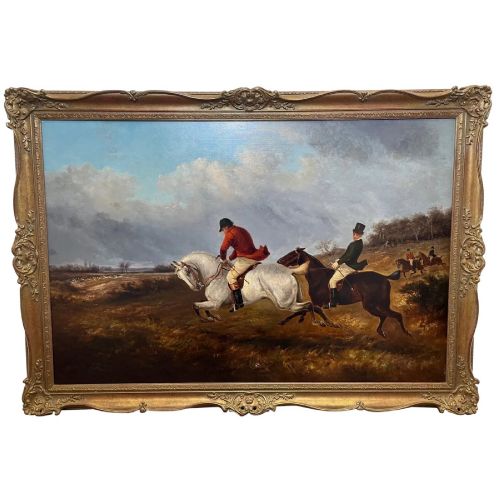
Several canvases depict horses galloping through misty fields, a nineteenth-century reminder that transport used to come with an authentic snort.
What varies in quality
Quality rests in the confidence of the brushwork and the handling of light within the composition. Masterful portraiture and landscape execution distinguish professional studio output from straightforward decorative copies.
The integrity of the original gilt frame contributes substantially to the overall standard. Frames that retain their original gesso detailing and period gilding hold more integrity than later replacements.
Richard Sebastian Bond·Felix Stone Moscheles·Georges de La Tour·Cornelis Van Der Voort·Sir Joshua Reynolds·Eric Robertson·Thomas Smythe·W.R. Waters·Konstantin Stoitzner·John Opie·James Hamilton·George Watson·Rene Levrel·Harold Knight·Erich Mercker·Robert Cleminson·David Nicholson Ingles·Kevin Platt·R.G. Fraser
The Large Framed Oil Painting Glossary
- Giltwood
- Wood carved and covered with a thin layer of gold leaf or metal gilt. This finish defines the ornate borders seen on many period frames.
- Gesso
- A plaster-like mixture applied to wood frames to create a smooth surface for carving or gilding. It allows for intricate relief ornamentation.
- Canvas
- Heavy woven fabric stretched across a wooden frame to serve as the painting support. Most oil works utilise this material.
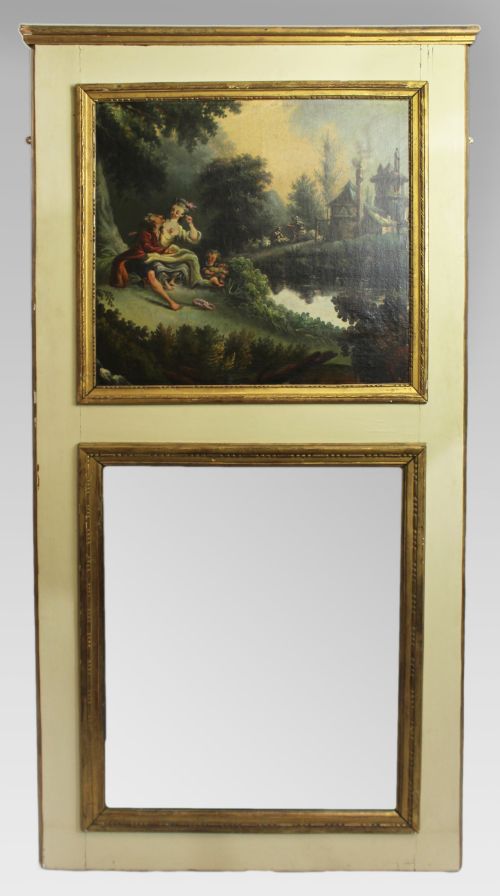
- Trumeau
- A decorative wall mirror incorporating an oil painting within the upper section of the wooden frame. These French pieces combine reflective glass and pastoral imagery.
Large Framed Oil Painting: Frequently Asked Questions
How do I hang a heavy framed oil painting?
These works require secure wall fixings screwed directly into timber studs or masonry. Heavy gilt frames place substantial downward tension on hanging wires, so professional picture hooks rated for high weights are essential.
Position the centre of the canvas at eye level, ensuring the surrounding wall space can accommodate the physical scale of the piece without crowding adjacent furniture.
What is the difference between an oil painting and a print?
An oil painting consists of actual pigment applied to canvas by hand, creating visible brush texture and layered depth. Prints reproduce a flat image mechanically or digitally onto a surface.
Closer inspection under good light reveals the raised ridges of dried oil paint and the distinct weave of the underlying fabric.
How should I clean a vintage oil painting?
Dust accumulates on the textured surface of oil paints and within the crevices of ornate gilt frames. Use a soft, dry brush to gently sweep away loose particles from the canvas.
Avoid liquid cleaners, household detergents, or moisture on the painted surface, as these substances can damage aged varnishes and historic pigments.
How do I identify the period of a frame?
Frame construction techniques, gesso profiles, and the type of corner joints offer clear indicators of age. Period frames often show hand-carved details and craquelure in the surface gesso.
By contrast, modern reproductions utilise machine-moulded compositions and uniform finishes that lack the subtle irregularities of nineteenth-century work.