


Interwar British Art
Interwar British art brings together portraits, landscapes and furniture from the nineteen-twenties and thirties that define a distinct era of domestic and public life.
Interwar British Art
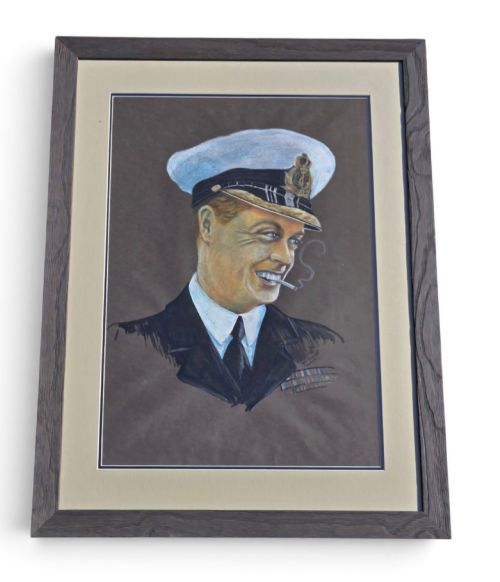
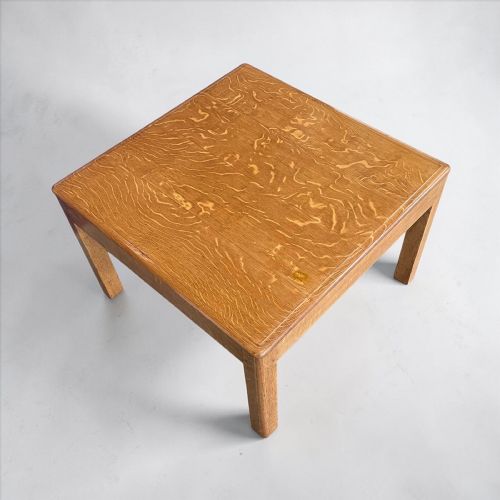
Interwar british art spans the creative output of the nineteen-twenties and nineteen-thirties, capturing a society moving through a period of significant social change. Buyers searching for interwar british art encounter framed artwork, oil paintings and watercolours alongside substantial oak furniture such as sideboards, coffee tables and bookcases.
The works on paper and canvas range from detailed portraits of prominent figures to regional landscapes of the Staffordshire countryside and winter scenes near Redmire. Furniture pieces from the same decades display the clean lines of Art Deco design and the lighter tones of limed oak.
The selection reflects both the fine art and the domestic craft of the interwar period. Artists and makers from these decades produced works that remain functional in modern interiors while holding historical interest.
Materials and techniques
Paintings from the interwar years rely on traditional media including oil on canvas, watercolour and pastel applied to paper. Furniture makers of the period utilised solid oak and limed oak finishes to create functional items like bookcases and sideboards with distinct surface textures.
Framed artwork and wall pieces demonstrate the application of pigment and pastel by named artists of the era. Woodworking techniques of the nineteen-twenties combine structural stability with the understated forms characteristic of early twentieth-century British design.
The documented periods span the years nineteen-twenty and nineteen-thirty, representing early twentieth-century British art and design.
Assessing quality
Quality in interwar paintings rests upon the skill of the draughtsman and the precision of the portraiture or landscape execution. Stronger pieces display assured handling of watercolour, pastel or oil, capturing likeness and atmosphere with clarity.
For furniture, quality depends on the integrity of the timber, particularly in limed oak items, and the restraint of the design. Pieces by established workshops show careful proportion and joinery that withstands daily use.
Betty Joel·Heals of London·Samuel Timmins·Edith E Caswall·Fred Lawson·Jane Utley·Henry L Gates·Cowan Dobson RBA RP·Herskind
The Interwar British Art Glossary
- Art Deco
- A design style of the nineteen-twenties and thirties characterised by sleek geometric shapes and streamlined forms. It appears across both furniture and decorative arts from this period.
- Limed oak
- Timber treated with a white or pale pigment rubbed into the grain to lighten its appearance. This finish gained popularity in British furniture during the nineteen-twenties.
- Watercolour
- A paint method using water-soluble pigments that produces translucent washes on paper. Many interwar landscapes and studies rely on this medium.
- Pastel
- A dry drawing medium composed of powdered pigment and a binder. Artists use pastel to build soft tones and rich textures on paper supports.
- Interwar Realism
- An artistic approach focusing on recognizable subjects rendered with careful observation. It defines much of the portraiture and landscape work produced between the wars.
Interwar British Art: Frequently Asked Questions
What periods do these pieces date from?
The works and furniture date from the nineteen-twenties and the nineteen-thirties.
This timeframe covers the decades between the First and Second World Wars.
How should I hang watercolour paintings?
Watercolours require protection from direct sunlight to prevent fading of the pigments on paper.
Framing with UV-filtering glass helps preserve these works when placed on interior walls.
Where were limed oak sideboards used?
Sideboards in limed oak served as dining room storage for tableware and linens during the interwar period.
Their lighter wood tones suited the modern domestic interiors of the nineteen-twenties.