
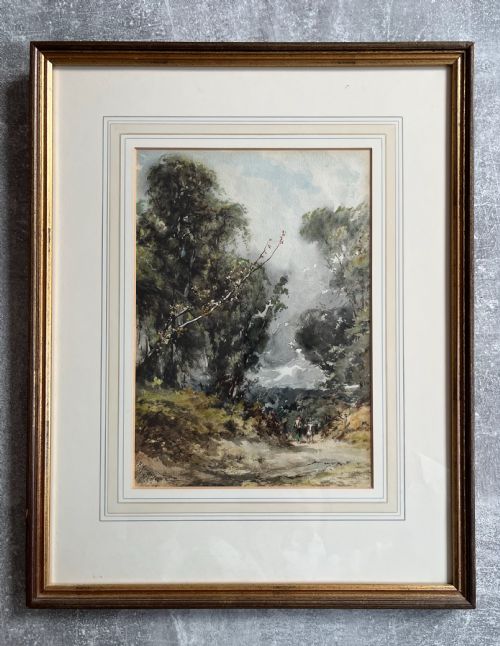

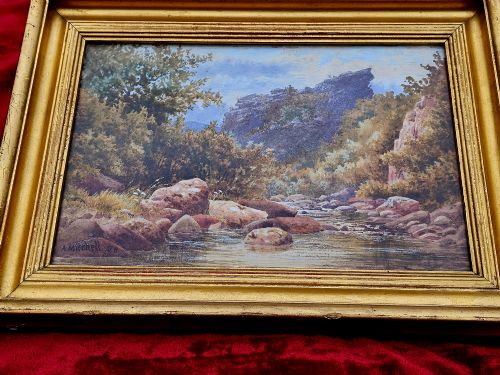
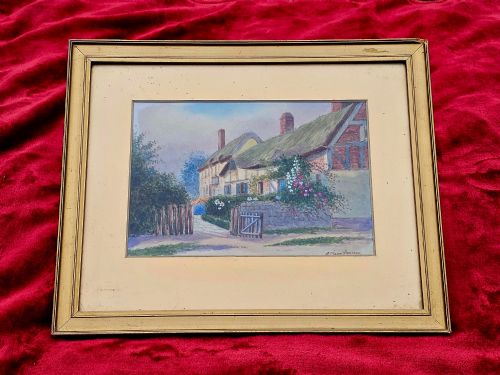
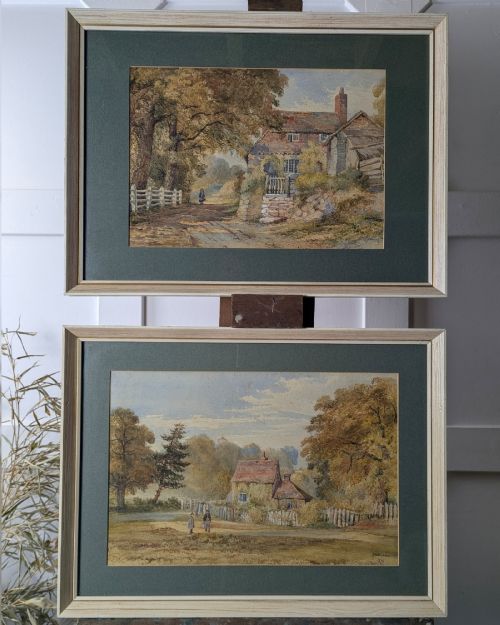
Green Landscape Watercolour Art
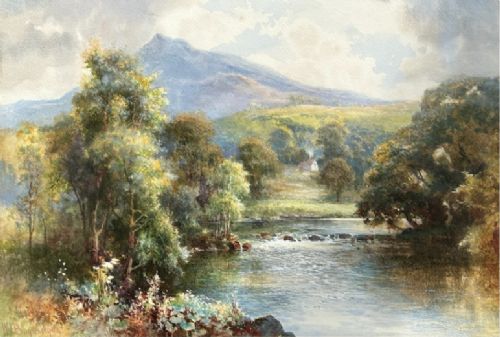
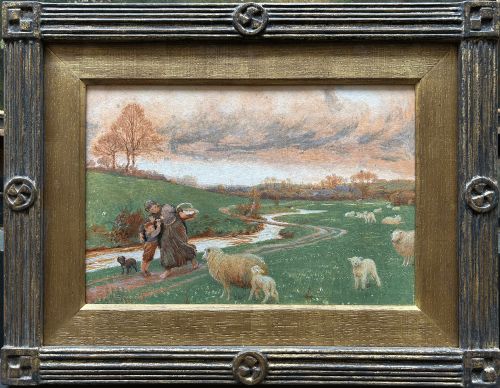
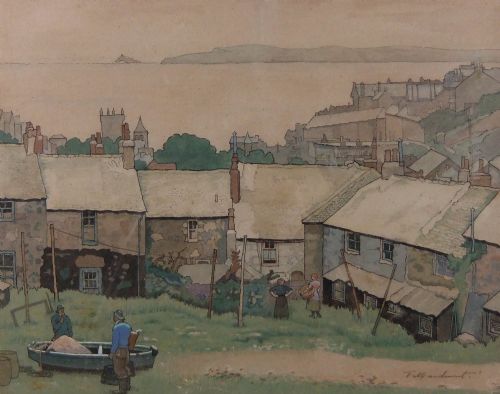
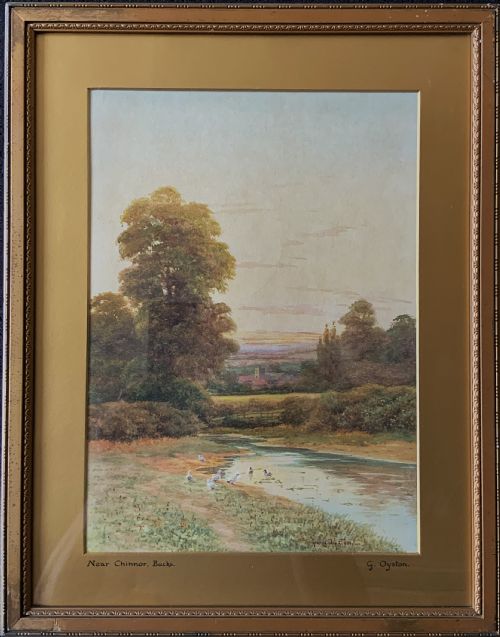
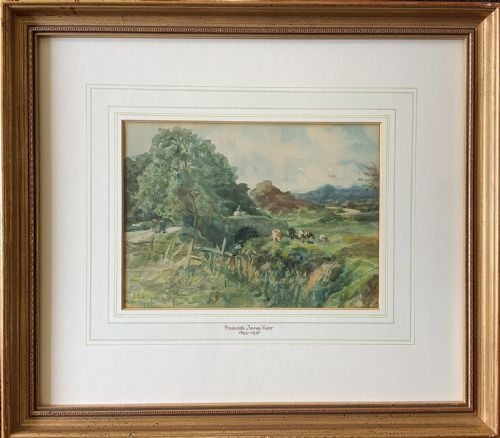
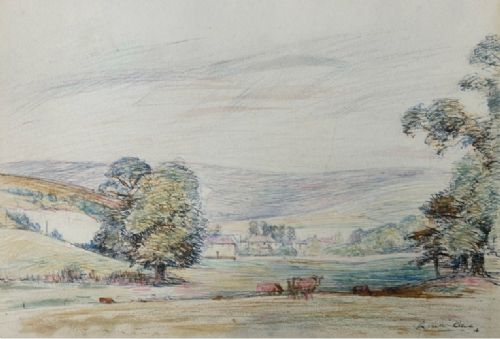
Green landscape watercolour art captures the gentle topography and changing light of the British countryside through washes of pigment on paper.
Green Landscape Watercolour Art
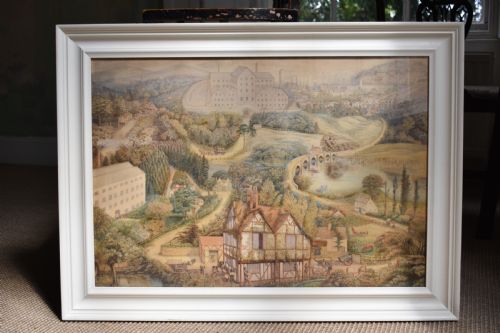
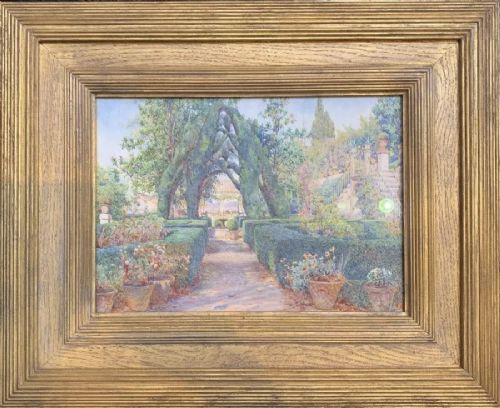
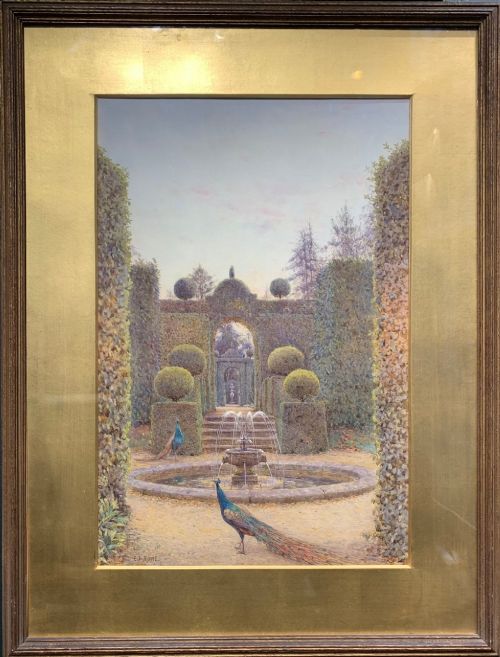
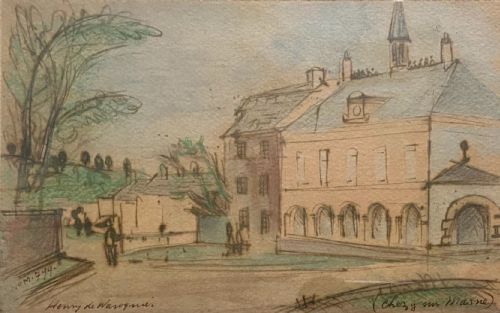
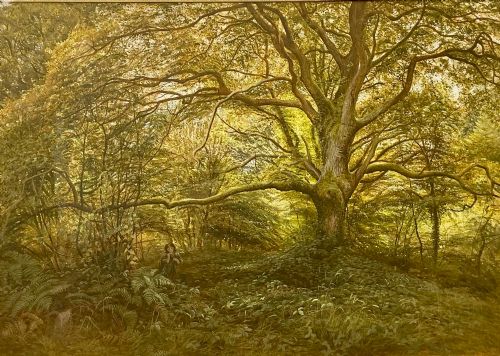
Green landscape watercolour art encompasses framed paintings on paper depicting rural scenes, rivers, gardens, and coastal views. The works span from the Victorian period through the Edwardian era into the early twentieth century.
Buyers will encounter framed watercolours rendered by named artists associated with British schools and regional exhibitions. These pieces often feature glass protection and wooden or giltwood framing from their period of origin.
The selection ranges from intimate pastoral sketches of fields and cottages to larger topographical views of rivers and castles. Most examples represent nineteenth-century and early twentieth-century British landscape traditions.
Materials and technique
Artists applied watercolour pigment suspended in water onto heavy paper sheets, building images through transparent washes and opaque bodycolour highlights. This aqueous technique allowed painters to capture atmospheric effects, changing skies, and verdant foliage.
Finished watercolours were traditionally mounted behind glass within wooden frames, sometimes embellished with gold leaf or giltwood mouldings. The paper support required careful protection from moisture and direct light to preserve the fugitive pigments.
Several artists chose to paint cows lingering patiently in fields, proving that livestock have long served as steadfast muses for British landscape painters.
Judging quality
Quality rests upon the artist's command of light, tonal control, and atmospheric depth within the green palette. Skilled hands create luminous foliage and convincing distance through subtle modulation of wash rather than heavy application.
Provenance and exhibition history distinguish works by Royal Academy exhibitors and recognised regional artists from anonymous student pieces. The preservation of the paper and the integrity of the original period frame also influence the standing of a painting.
George Fotherly Hargitt·Alfred Young Nutt·Ernest Arthur Rowe·Thomas Maidment·George Oyston·Henry Barlow Carter·James Orrock·William Hoggatt
The Green Landscape Watercolour Art Glossary
- Watercolour pigment
- Finely ground colour particles mixed with a water-soluble binder, used traditionally on paper supports. This medium relies on the white of the paper shining through translucent washes to create luminosity.
- Giltwood
- Wood carved and coated with gold leaf or gold paint, frequently used for framing nineteenth-century fine art. These frames add warmth and structure to works on paper.
- British Impressionism
- A late nineteenth and early twentieth-century painting style focusing on light, everyday subjects, and loose brushwork. Artists working in this manner sought to capture fleeting natural effects.
- Bodycolour
- Watercolour mixed with white pigment to make it opaque, allowing for highlights and solid passages. It provides contrast against transparent washes of green pigment in landscape scenes.
Green Landscape Watercolour Art: Frequently Asked Questions
How should I hang vintage watercolours?
Keep watercolours away from direct sunlight to prevent the pigments and paper from fading over time. Position them on interior walls where room temperature and humidity remain relatively stable.
Ensure the frame hangs securely from appropriate picture hooks rather than relying on old string that may have weakened. Professional framing with acid-free backing boards helps protect the paper during long periods on display.
How do I identify a Victorian watercolour?
Examine the paper weight, framing materials, and stylistic conventions typical of the nineteenth century. Many works from this era feature detailed brushwork depicting rural pastoral scenes, often signed by the artist.
Check the reverse of the frame or backing board for old exhibition labels, artist inscriptions, or handwritten titles. These clues frequently confirm the period and geographic location of the landscape depicted.
What is the difference between an etching and a watercolour?
A watercolour is a unique painting executed by hand using pigmented washes on paper. Every brushstroke is singular to that specific piece of artwork.
An etching is a printed multiple created by incising a design into a metal plate with acid and ink pressing the lines onto paper. While both appear in historic interiors, watercolours possess distinct hand-painted textures.