


Traditional British Watercolour Painting
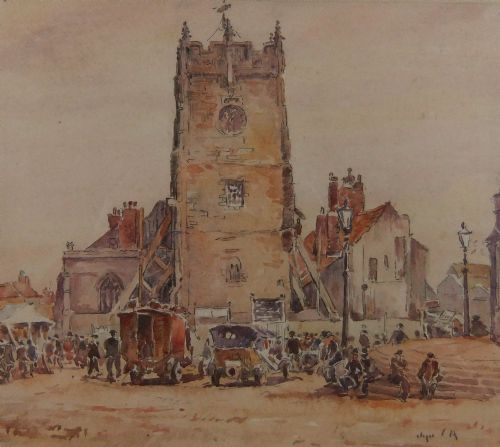
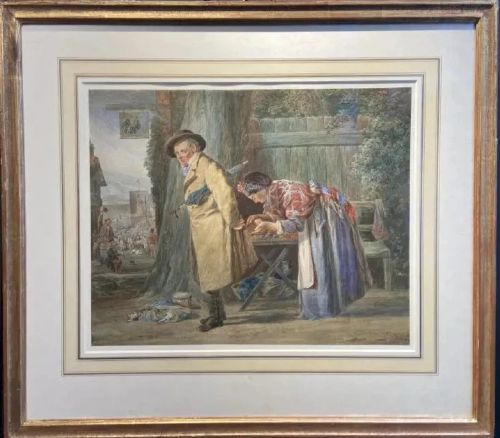
A traditional british watercolour painting captures landscapes, coastal scenes, and pastoral life across the nineteenth and twentieth centuries.
Traditional British Watercolour Painting
Traditional british watercolour painting encompasses framed works on paper created across the nineteenth and twentieth centuries, including the Victorian and Edwardian periods.
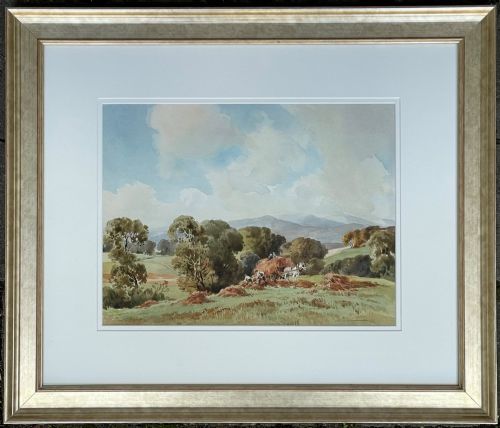
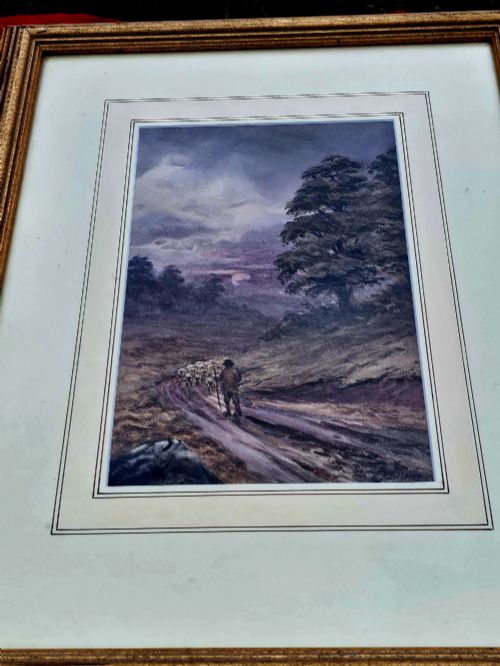
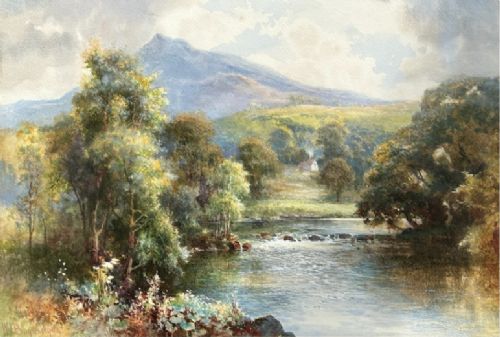
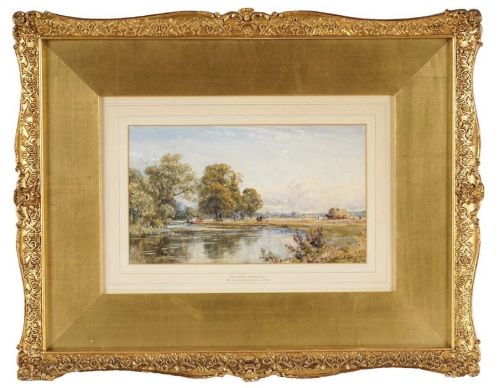
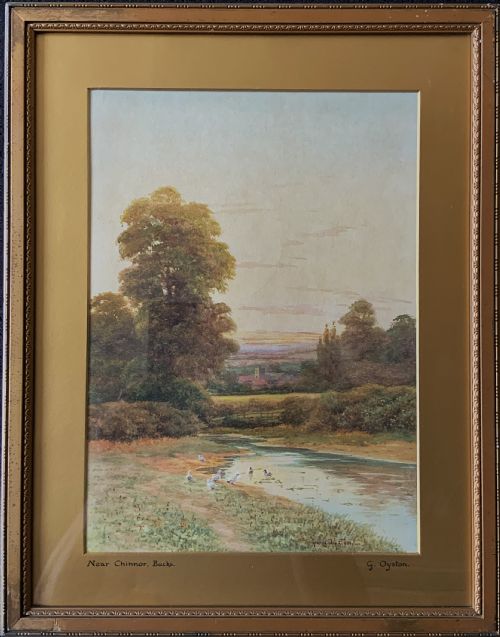
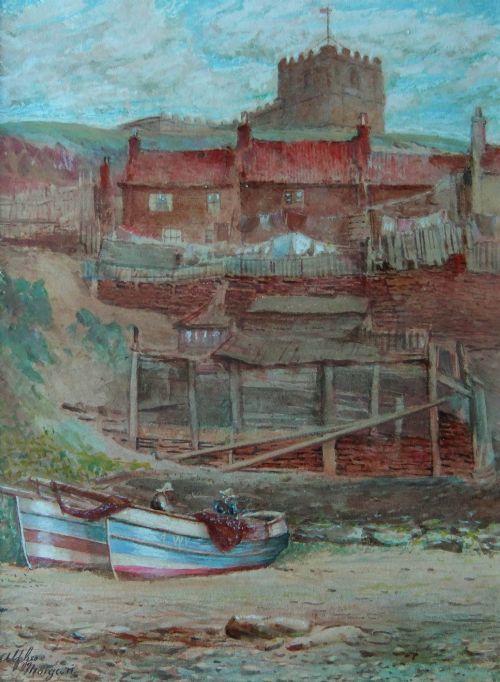
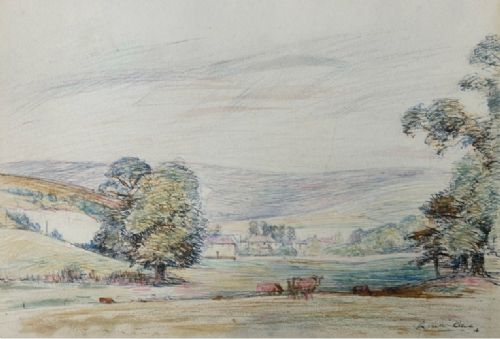
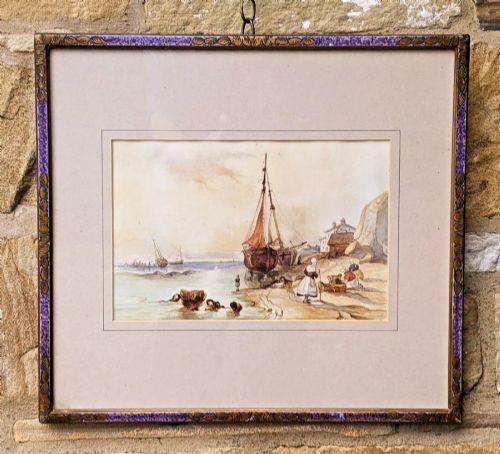
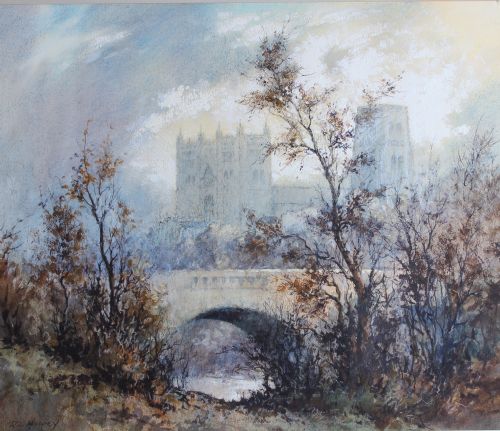
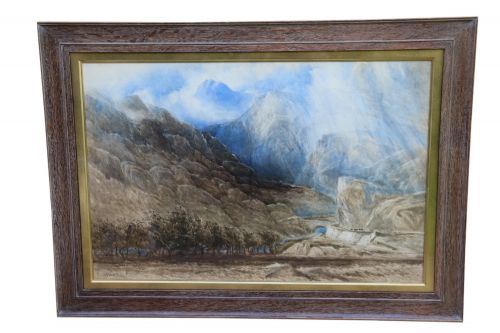
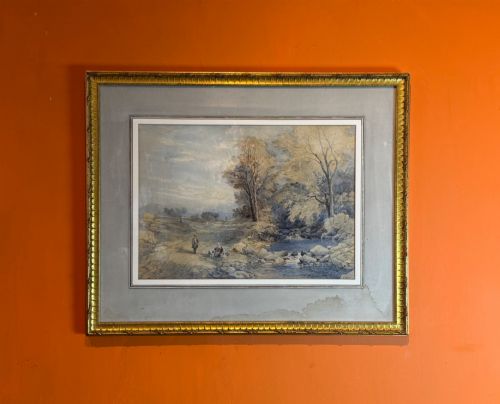
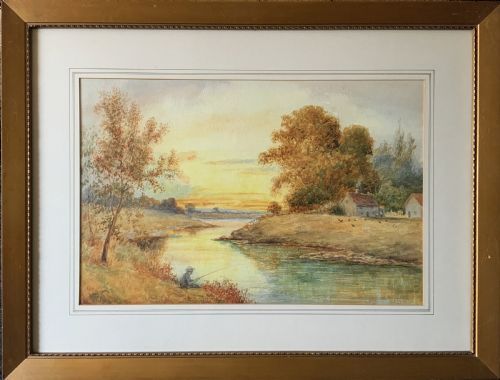
The subjects on this page are predominantly landscapes, rural scenes, river views, harbours, and coastal watercolours originating from various regions of Britain.
Most pieces date from the 19th Century up to the mid-twentieth century, showcasing British Impressionism, pastoral styles, and traditional regional topographical subjects.
How they were made
Artists applied watercolour pigment onto paper support, often framing the finished work behind glass within a wooden or gilt frame.
Techniques relied on the transparency of water-based paint to build luminous washes, delicate highlights, and detailed tonal depth across the paper surface.
Traditional British Watercolour Painting Retail Price Guide 2026
Typical asking prices for traditional british watercolour painting among the pieces listed under this phrase on Sellingantiques today, from the lower quarter to the upper quarter. They describe what is for sale here now, not the wider market.
Periods represented span the nineteenth century, Victorian era, Edwardian period, and mid-twentieth century.
What varies in quality
Quality rests in the handling of light, atmospheric depth, and the surety of the brushwork used to define figures, water, and foliage.
Works by established named artists display greater compositional command and tonal control than anonymous or provincial student pieces.
Alfred Young Nutt·Percy Lancaster·EJ Letheren·William Banks Fortescue·William Joseph Boyes·Robert Thorne Waite·John Smith Atherton·Joseph H Barnes·George Oyston·Alfred G Morgan·Russell Sidney Reeves·Robert Leslie Howey·Henry Martin Pope·Henry Barlow Carter·Henry Charles Fox·Robert Little·Henry John Kinnaird·Fred Lawson·George Graham·Arthur Tucker·Frederick Septimus Lewis·William Edward Fox·William Hoggatt·James Orrock·John McDougal
The Traditional British Watercolour Painting Glossary
- Watercolour pigment
- Finely ground colour particles suspended in a water-soluble binder, applied in washes to paper.
- Gilt frame
- A wooden picture surround coated with a thin layer of gold leaf or metallic gilt finish.
- British Impressionism
- A painting style influenced by French movements but adapted by British artists to capture natural light outdoors.
- Pastoral landscape
- An artistic depiction of rural life, countryside views, farms, and agricultural scenes.
Traditional British Watercolour Painting: Frequently Asked Questions
What periods do these watercolours cover?
The works span from the nineteenth century through the Edwardian era into the mid-twentieth century.
Dating relies on stylistic conventions, framing, and recorded artist active dates.
How should I hang a watercolour?
Watercolours require protection from direct sunlight to prevent the pigments from fading over time.
Keep them away from damp environments and display them behind glass within stable interior conditions.
Are these paintings original?
Every listed piece is an original hand-painted watercolour on paper rather than a reproduction or print.
Brushstrokes and pigment texture remain visible under close inspection.
What subjects are most common?
British landscapes, coastal harbours, pastoral fields, and river scenes appear frequently across the collection.
Regional views range from Welsh mountains to Yorkshire dales and Cornish fishing ports.