

Edwardian Watercolour Landscape Painting
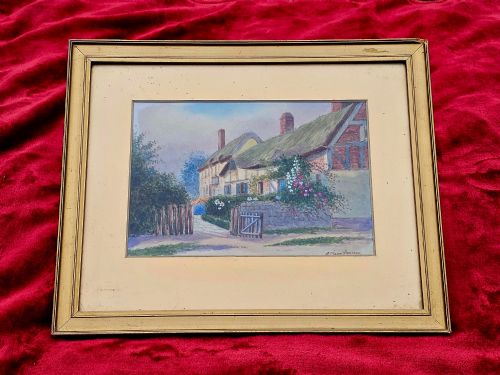
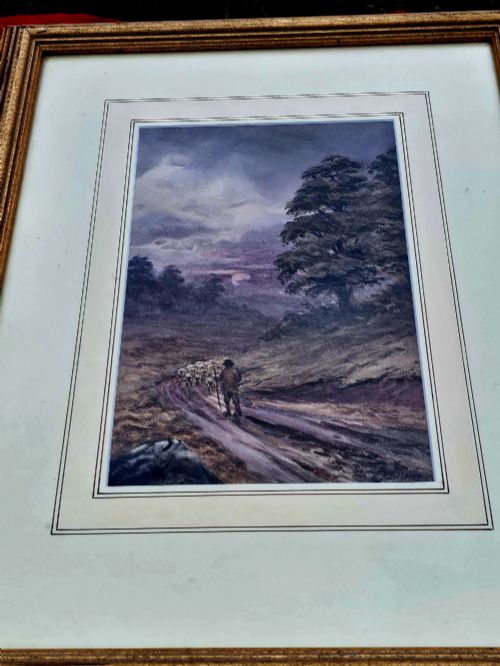
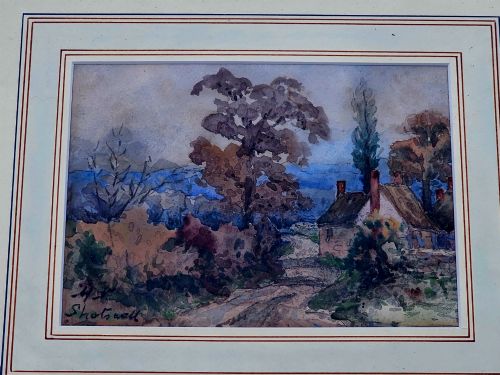
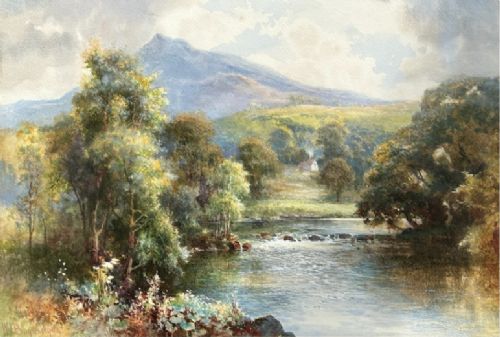
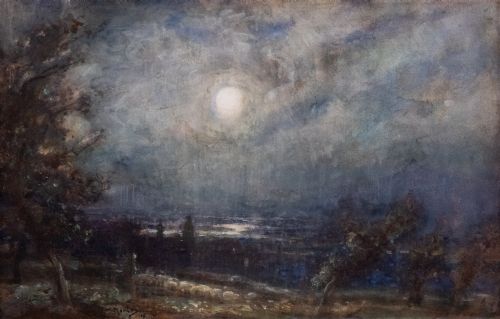
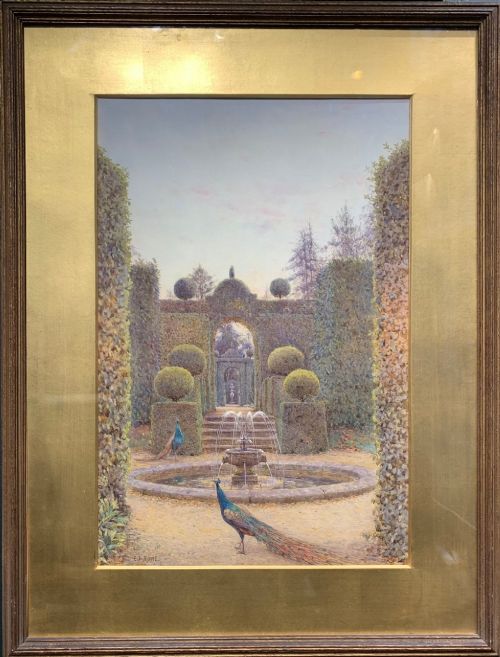
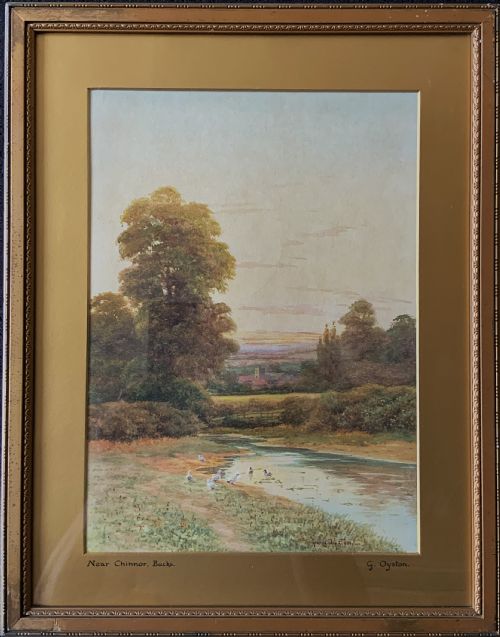
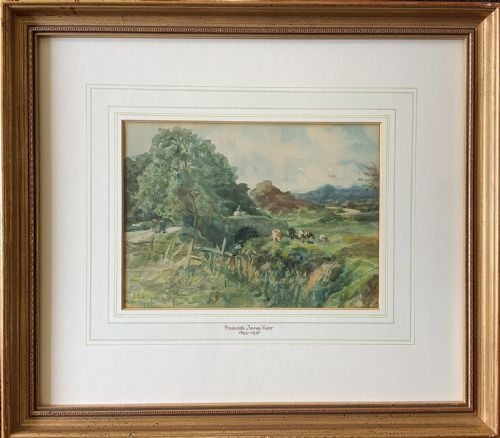
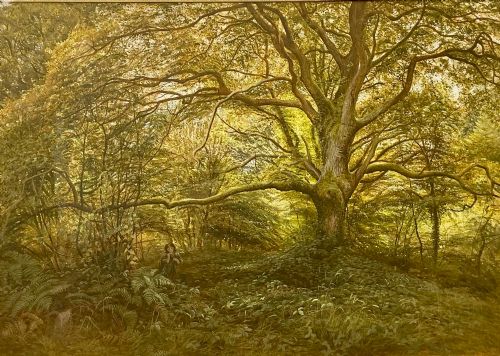
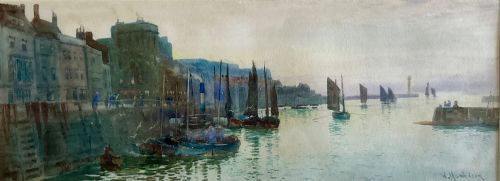
An edwardian watercolour landscape painting captures the shifting light of the countryside and coast through delicate pigment on paper.
Edwardian Watercolour Landscape Painting
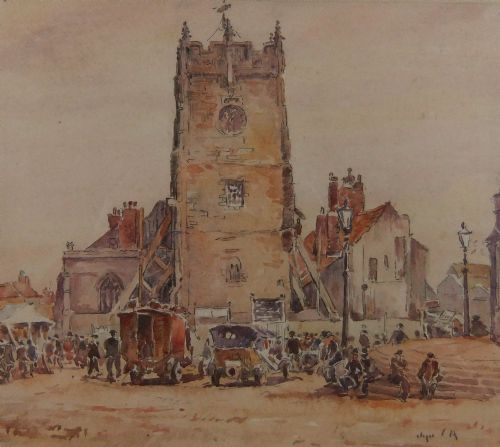
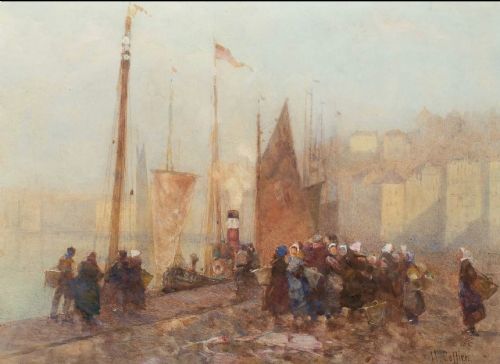
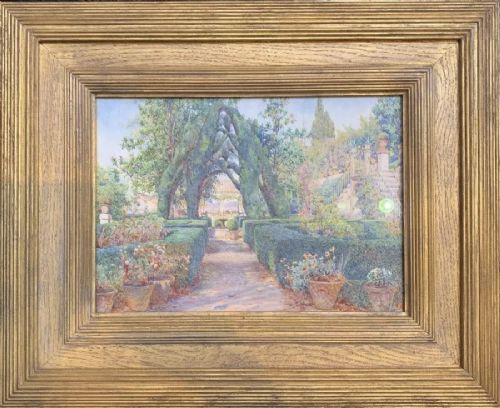
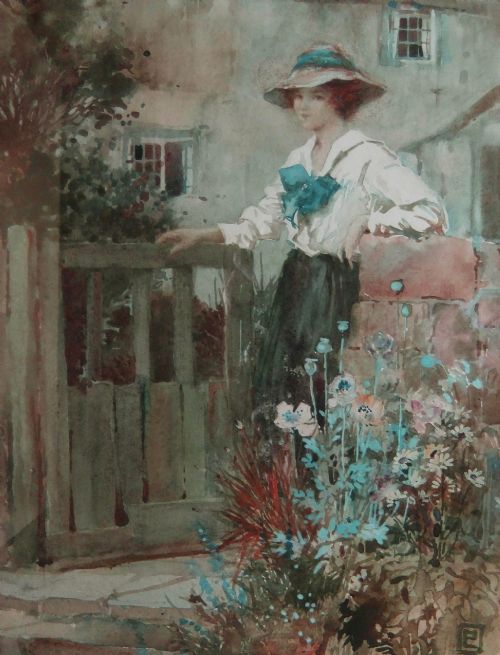
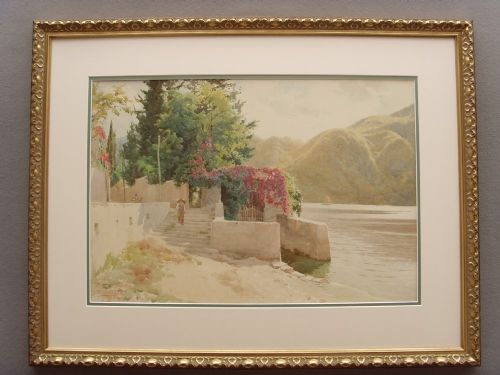
An edwardian watercolour landscape painting portrays rural vistas, coastal harbours, and quiet village scenes created during the early decades of the twentieth century. These works frequently arrive framed under glass within wood or gilt mouldings, preserving the paper support from atmospheric moisture.
The compositions span traditional British countryside views, pastoral farming scenes with cattle or sheep, and architectural townscapes. Artists of this era also recorded travels further afield, producing Orientalist studies and sunlit continental lake views.
Materials and Technique
Watercolour pigment and ink are applied directly to paper supports, sometimes accompanied by touches of bodycolour or gouache to heighten opaque details. The transparent washes rely on the white of the underlying paper to provide luminosity and depth.
Framing typically involves wood mouldings, occasionally finished in gilt, fitted with protective glass to shield the delicate pigments from dust and fading. Ink lines frequently define the initial composition before the washes of colour are laid down.
Listings feature works created using watercolour pigment and ink on paper, housed within traditional wood and gilt frames under glass.
Evaluative Qualities
The strength of the composition and the confidence of the brushwork distinguish the finest watercolours from more formulaic topographical sketches. A master hand achieves atmosphere and natural light with minimal, deliberate strokes rather than heavy overworking.
The preservation of the paper and the vibrancy of the pigments significantly influence the visual impact of the piece. Unfaded washes and minimal foxing maintain the intended tonal balance of the original scene.
Thomas Ellison·A Marie Parsons·Thomas William Morley·John Smith Atherton·Hector Caffieri
The Edwardian Watercolour Landscape Painting Glossary
- Watercolour
- A painting method in which the paints are made of pigments suspended in a water-based solution. The paper itself often serves as a luminous highlight within the composition.
- Gouache
- An opaque water-based paint that includes a white pigment added to natural watercolour to create solid, heavier passages of colour. Artists use it to introduce highlights and dense details.
- Diptych
- A painting divided into two separate hinged or matching panels designed to be displayed together. Each panel contributes a half of the complete narrative or landscape view.
- Impressionism
- A style of painting that focuses on capturing the immediate visual impression of a scene, particularly shifting light and atmosphere. Brushstrokes remain visible and loose rather than tightly blended.
Edwardian Watercolour Landscape Painting: Frequently Asked Questions
How should I frame an edwardian watercolour landscape painting?
Protect the paper by using acid-free mounting boards and framing under glass to block harmful ultraviolet light. Keep the artwork away from direct sunlight and damp environments to prevent fading and foxing.
Traditional wood or simple gilt frames complement the period aesthetic without overwhelming the delicate washes of the painting.
What subjects appear in these antique watercolours?
Artists most frequently recorded British rural life, agricultural scenes with livestock, and coastal harbours around Yorkshire and Cornwall. Travel scenes depicting Venice, North Africa, and continental lakes also feature prominently.
These varied subjects reflect the strong Victorian and Edwardian appetite for both domestic topography and exotic journeys.
How do I distinguish between periods in these paintings?
Pieces from the late nineteenth and early twentieth centuries often bear signatures, dates, or framing details that point to specific exhibition years. Stylistic shifts move from tight Victorian academic precision towards looser impressionistic brushwork.
Examining the paper type and framing materials alongside any recorded artist biographical dates helps confirm the era.
Are these watercolours original works?
The listings consist of hand-painted original artworks rather than mechanical reproductions or prints. Each piece displays unique brushwork, pigment pooling, and interaction with the paper support.
Close inspection under magnification reveals the individual pigment particles and handwritten artist signatures characteristic of unique works on paper.