





Victorian Coastal Watercolour Painting
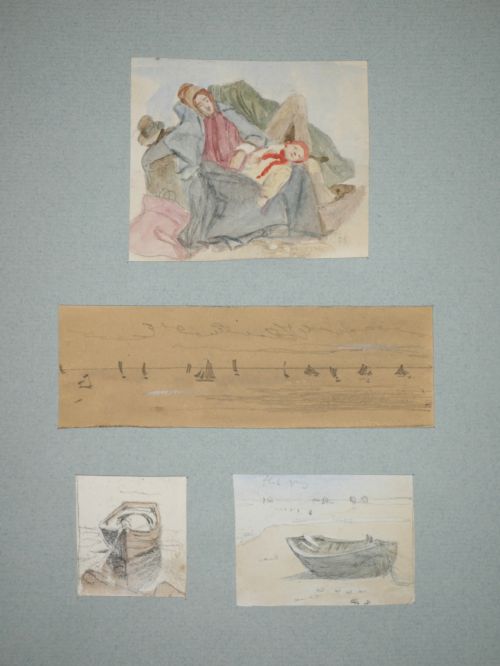
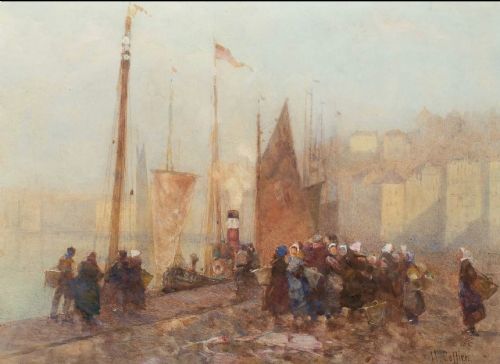
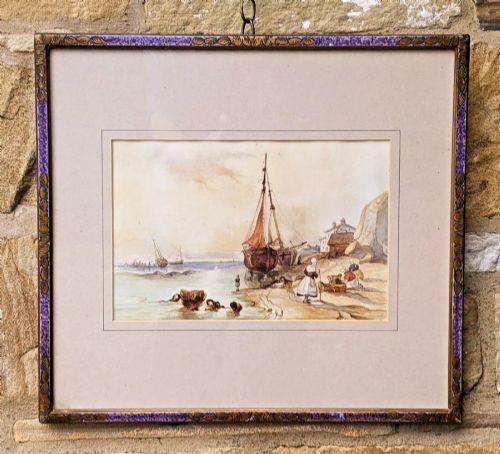
A victorian coastal watercolour painting captures the changing light of British shores, drawing the eye to bustling harbours, sandy bays and distant sailing ships.
Victorian Coastal Watercolour Painting
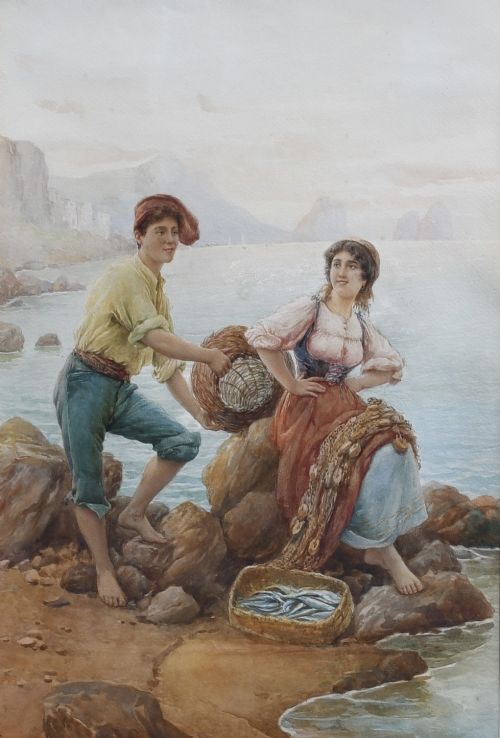
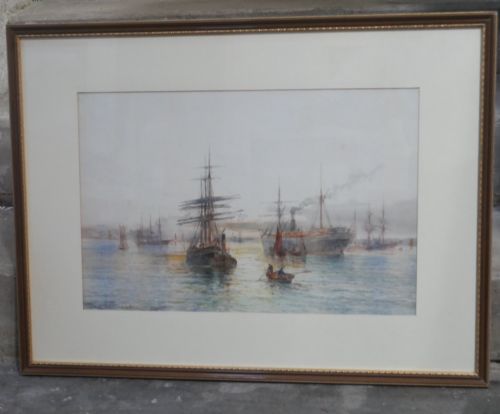
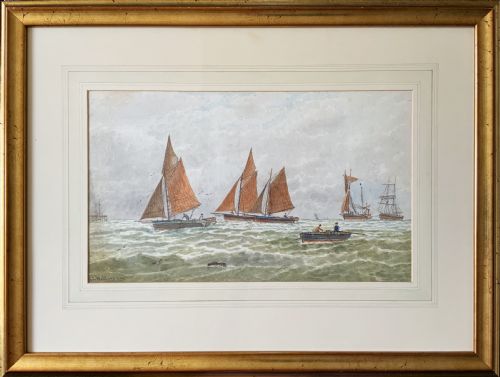
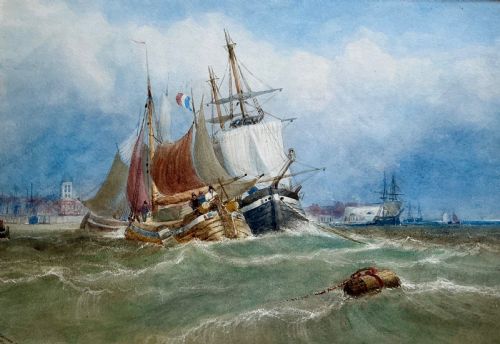
A victorian coastal watercolour painting typically depicts marine scenes, fishing fleets, busy harbours and dramatic cliffs along the British coastline and international waters. The works originate from the nineteenth and early twentieth centuries, spanning periods from the eighteen-seventies through to nineteen-twenty.
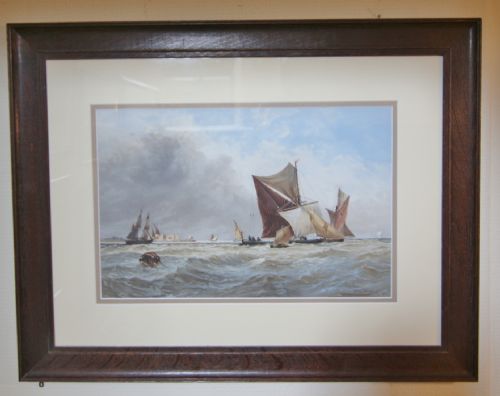
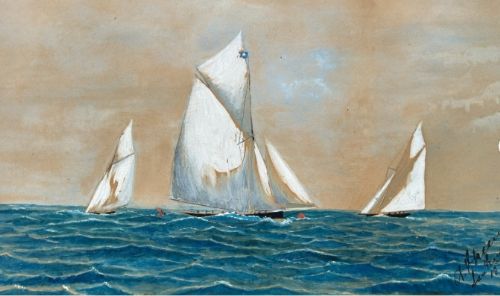
The most common formats on this page are works on paper executed by named artists, often framed in period gilt wood or standard wood frames behind glass. Subjects range from tranquil estuary views and local boat life to rough seas and racing yachts.
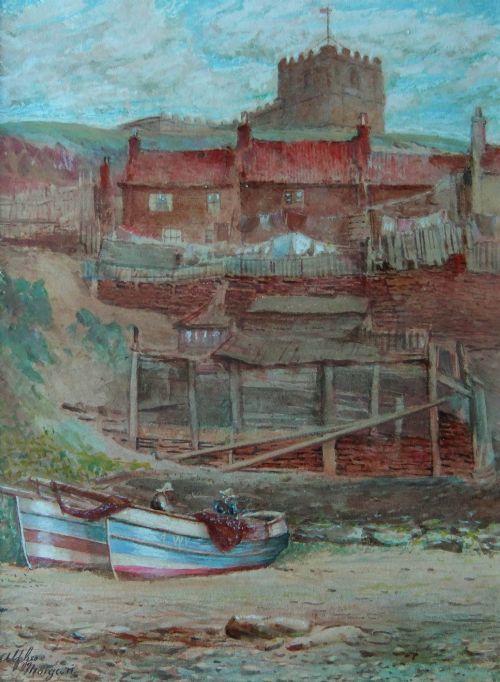
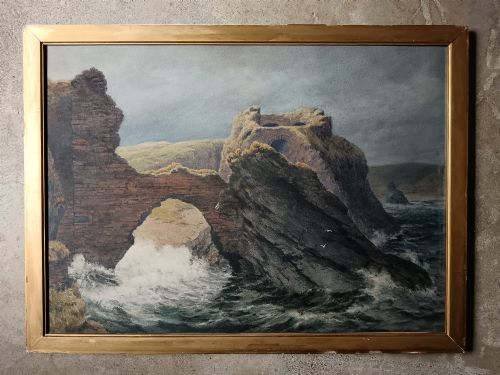
Many pieces record specific locations, from Yorkshire fishing villages like Whitby and Staithes to Norfolk marshes, Scottish castles and foreign shores. They serve as historical records of maritime activity as well as finished pieces of fine art.
How they were made
Artists applied watercolour paint and pigment onto paper, often utilising fine brushwork for rigging and architectural details alongside washes for expansive skies and shifting seas. The works were frequently signed, monogrammed and dated by the hand of the painter.
Protection came from mounting the paper behind glass within timber frames, with many examples housed in gilt wood settings that reflect the aesthetic tastes of the period.
Artists braved bitter coastal gales and salty sea spray to sketch bustling harbour scenes directly from life.
What varies in quality
The strength of composition and the handling of light and atmosphere separate accomplished maritime watercolours from simpler topographical sketches. Master painters capture the texture of water and the movement of sailing vessels with confidence and economy.
The scale of the work and the ambition of the subject matter alter the character of the piece, with larger harbour scenes and detailed coastal architecture demanding greater technical skill from the artist.
James Orrock·James Smetham·William Banks Fortescue·Hector Caffieri·TB Hardy·Alfred G. Morgan·Carlo Ferranti·George Stanfield Walters·Henry Barlow Carter·John Moxon·William Frederick Settle·John Bedloe Goddard·Charles William Adderton·Thomas Bush Hardy·Sir Thomas Newenham Dean·Ernest Dade·Arthur Tucker·Colin H Greenwood·John McDougal·Robert Buchan Nisbet·Frederick William Hattersley·James Thomas Watts·John Mitchell·Frederick William Booty·Kate E Booth
The Victorian Coastal Watercolour Painting Glossary
- Watercolour pigment
- Finely ground colour particles mixed with a water-soluble binder, applied to paper to create translucent washes or opaque details.
- Gilt wood
- Timber framing coated with a thin layer of gold leaf or metallic gilt, commonly used to frame nineteenth-century fine art.
- Works on paper
- An inclusive category covering drawings, sketches and finished paintings executed on paper supports.
- Marine art
- Artistic representations of the sea, ships, harbours and coastal views, which formed a major genre in nineteenth-century British painting.
Victorian Coastal Watercolour Painting: Frequently Asked Questions
What subjects do these paintings show?
The works depict harbours, fishing boats, coastal cliffs, estuaries and shipping vessels from various British and European locations. Scenes often capture daily maritime life, such as landing the catch or spreading fishing nets.
Specific regional landmarks include Yorkshire coastal towns, Scottish castles, Norfolk waters and foreign ports like Boulogne or Lake Garda.
How should I frame and display them?
These watercolours require protection behind glass to prevent atmospheric damage and fading of the pigments on paper. Many retain their period gilt wood frames, which complement the tones of the artwork.
Display the paintings away from direct sunlight and damp environments to preserve the integrity of the paper and the original frame.
Who painted these coastal scenes?
The pieces were produced by British and international artists active during the nineteenth and early twentieth centuries. Many were professional members of art societies or established marine painters.
Signatures, monograms and contemporary inscriptions on the works often identify the individual artists and specific dates of creation.
How do I identify the period?
Dates are established through artist lifecycles, written signatures, period framing styles and contemporary inscriptions on the reverse or front of the paper. Stylistic markers align with nineteenth-century realisms and British impressionism.
Subjects and costume details within the coastal scenes also offer clues to the decade in which the work was created.