




Signed Watercolour Landscape Painting
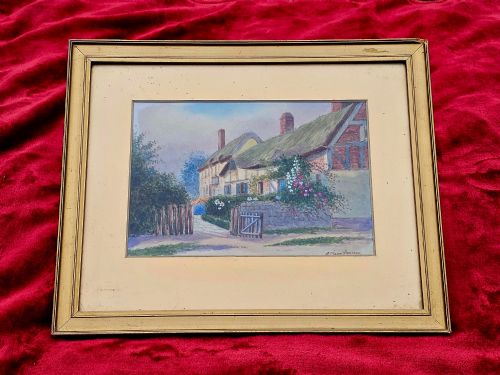
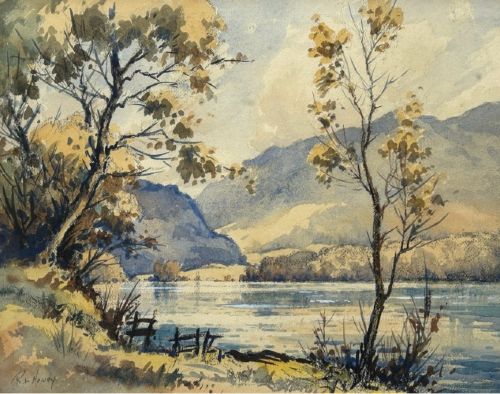
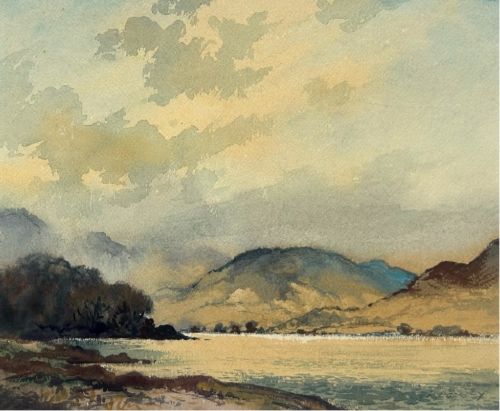
A signed watercolour landscape painting captures river views, coastal harbours, and pastoral fields directly from the artist's hand.
Signed Watercolour Landscape Painting
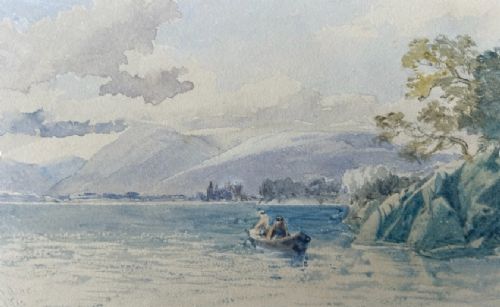
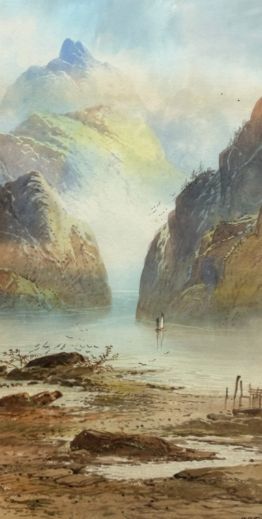
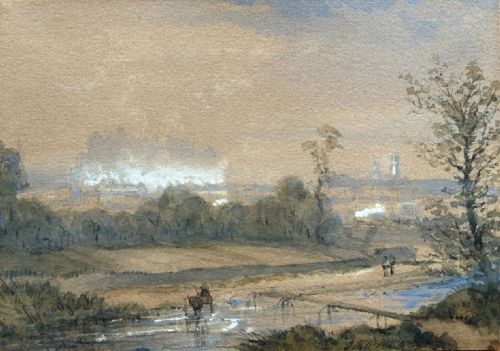
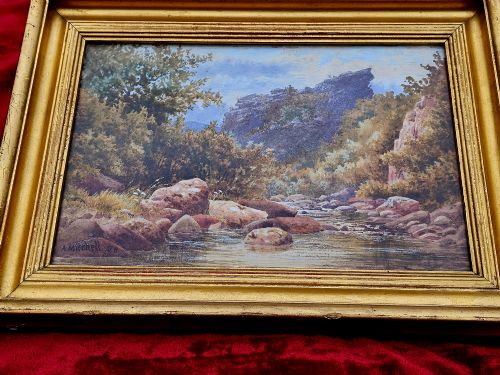
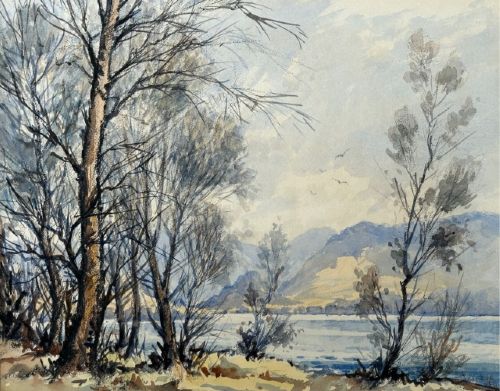
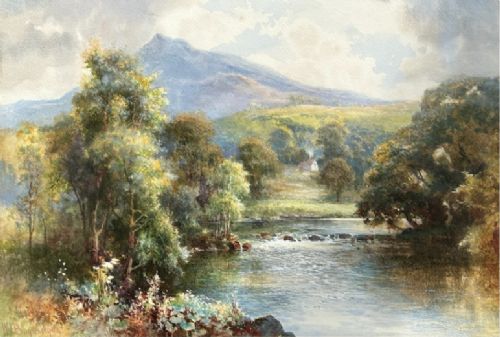
A signed watercolour landscape painting represents original framed artwork created on paper using water-soluble pigments, capturing rural, coastal, and urban scenes from Britain and abroad. Buyers seek these pieces for their direct connection to historical artists and their charming depictions of lakes, rivers, and mountains.
The selections available here span from the mid-nineteenth century through the Edwardian era and into the mid-twentieth century. Most examples found on this page date from the late nineteenth and early twentieth centuries, featuring British countrysides, Scottish highlands, and bustling coastal harbours.
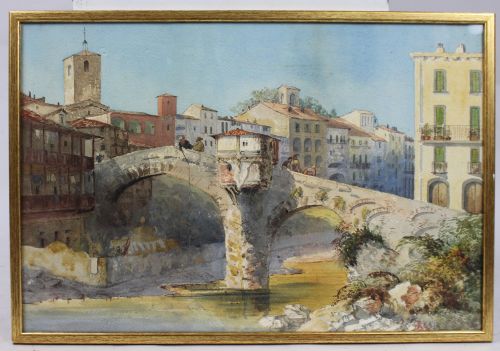
Subjects range widely from tranquil pastoral river views and Welsh valleys to dramatic marine scenes featuring racing yachts and fishing vessels. Collectors encounter both intimate domestic views and grand topographical vistas, often preserved within their original period frames.
How They Were Made
Artists applied watercolour pigment suspended in water onto heavy paper supports, often building up translucent washes to create luminous skies and atmospheric light effects. Many works incorporate ink for fine architectural and botanical details, or bodycolour to add opaque highlights to water and clouds.
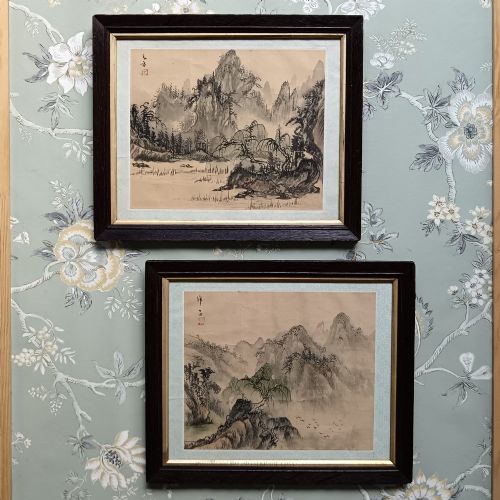
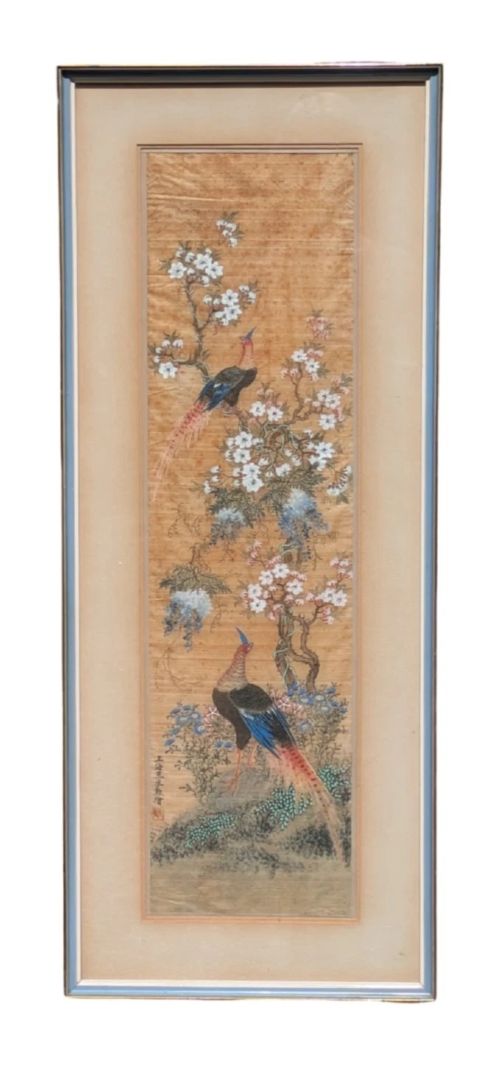
The finished works are typically protected behind glass within wooden frames, which frequently survive from the original period of creation. Silk is also utilised as a backing material in specific traditional overseas examples.
Signed Watercolour Landscape Painting Retail Price Guide 2026
Typical asking prices for signed watercolour landscape painting among the pieces listed under this phrase on Sellingantiques today, from the lower quarter to the upper quarter. They describe what is for sale here now, not the wider market.
Listings feature works executed on paper using watercolour, ink, and gouache, dating from the nineteenth and twentieth centuries.
What Varies in Quality
Quality rests primarily upon the skill of the brushwork, the confidence of the composition, and the artist's ability to capture natural light and atmospheric depth. Superior pieces demonstrate precise control over washes and a distinct personal hand, moving far beyond formulaic topographical illustration.
Condition and preservation heavily influence the standing of a piece, particularly the vibrancy of the pigments against fading from light exposure. The presence of a clear signature, legible contemporary dating, and an original period frame enhances the historical completeness of the artwork.
Thomas Miles Richardson Jnr·James Orrock·William Henry Earp·Robert Leslie Howey·John Syer·Alfred George Morgan
The Signed Watercolour Landscape Painting Glossary
- Watercolour
- A paint consisting of pigment suspended in a water-based solution, applied in translucent washes onto paper. This medium allows artists to achieve luminous effects by letting the white of the paper shine through.
- Signed
- Bearing the personal handwritten mark or monogram of the artist, confirming authorship. This authentication connects the physical artwork directly to the creator.
- Seascape
- A painting depicting the sea, coastal views, ships, or harbour scenes. These works frequently record historical vessels and maritime activities along British shores.
- Pastoral
- A genre of landscape art celebrating rural life, peaceful countryside views, agricultural fields, and pastoral settings. Such works often feature rustic cottages, rivers, and grazing livestock.
- Gouache
- An opaque water-based paint that includes white pigment mixed with gum, creating solid highlights. Artists use this alongside transparent watercolours to add body and opacity to details.
Signed Watercolour Landscape Painting: Frequently Asked Questions
How do I care for an antique watercolour painting?
Keep the artwork away from direct sunlight to prevent the pigments from fading and the paper from degrading over time. Display the piece in a stable environment with moderate humidity levels to protect both the paper and the original wooden frame.
Ensure the frame and glass remain properly sealed to keep out dust and moisture. Professional framing using acid-free materials helps preserve the longevity of nineteenth and twentieth-century paper works.
How can I tell the age of a watercolour?
Examine the type of paper stock, the style of the signature, and any handwritten inscriptions on the reverse of the mount or frame. Nineteenth-century papers often display distinct watermarks and heavier textures compared to later machine-made sheets.
Contextual clues such as artist biographical dates, framing styles, and subject matter help narrow down the decade of creation. Comparing the handling of pigment with dated works by the same school provides further chronological certainty.
Were these paintings always framed?
Watercolours were routinely framed soon after completion to protect the delicate paper surface from dust, handling, and airborne pollutants. Many surviving examples retain their original period wooden frames, which form an integral part of the object's history.
Original framing often matches the aesthetic of the period, from ornate Victorian gilt mouldings to simpler Edwardian wood profiles. Finding a piece in its untouched contemporary frame is highly prized by collectors.
What is the difference between a watercolour and an oil painting?
Watercolour employs water-soluble pigments applied in translucent washes onto a paper support, creating a lighter and more immediate effect. Oil painting uses slow-drying pigments suspended in oil on canvas or panel, allowing for thick impasto textures and extensive reworking.
Because watercolours are painted on paper, they require glass protection and are more sensitive to light than traditional canvas works. This medium was frequently favoured by British artists for capturing transient weather and rapid outdoor landscape sketches.