


Pastoral Landscape Wall Art
Pastoral landscape wall art brings the quiet beauty of the countryside into a room through historic oils, watercolours, and tapestries.
Pastoral Landscape Wall Art
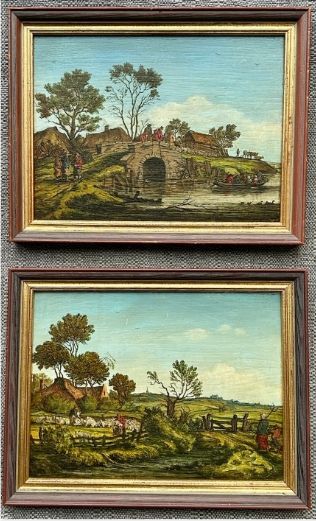
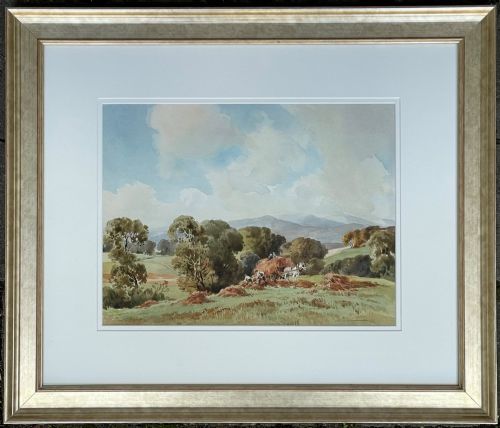
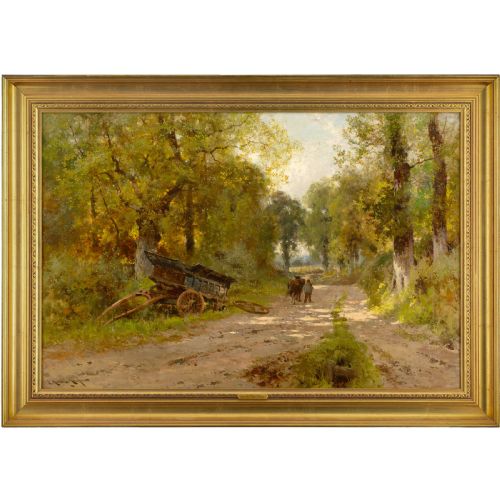
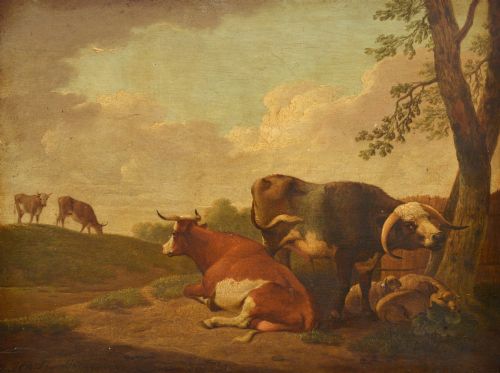
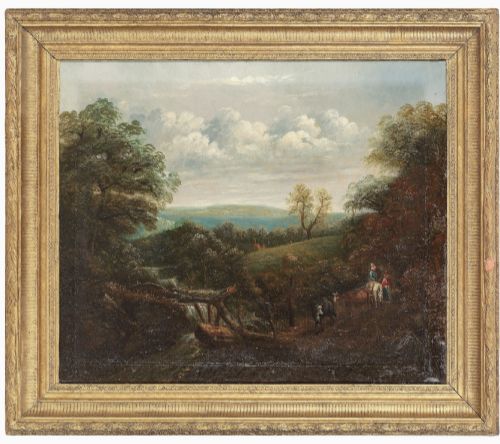
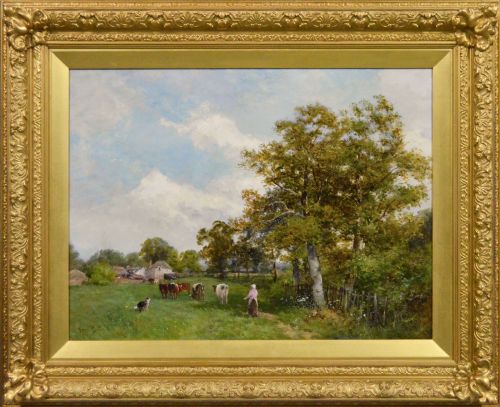
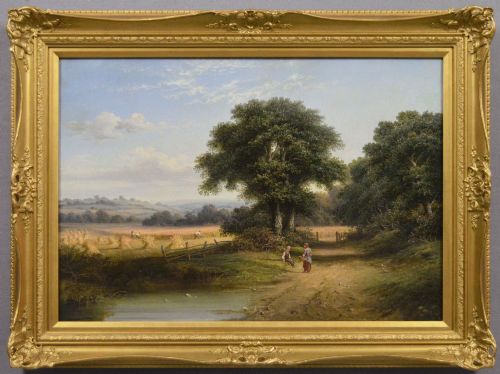
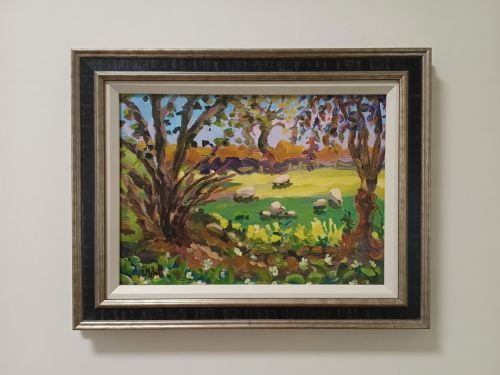
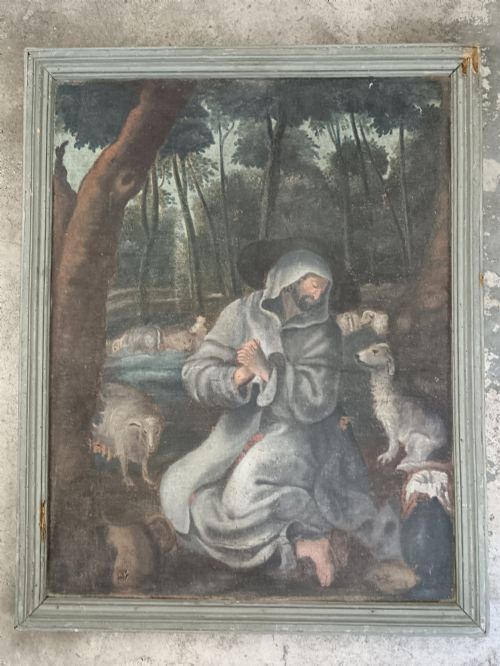
When searching for pastoral landscape wall art, collectors encounter framed oil paintings, watercolours, and woven tapestries depicting rural scenes. These works capture agricultural life, river banks, and herds of cattle or sheep across various historical periods.
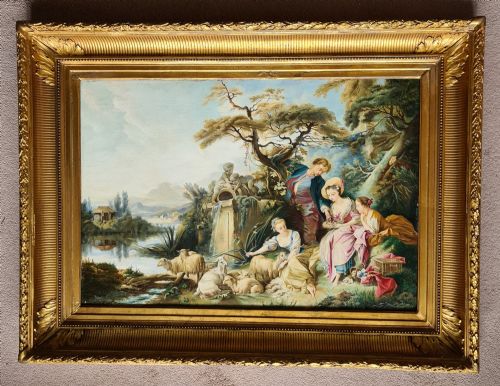
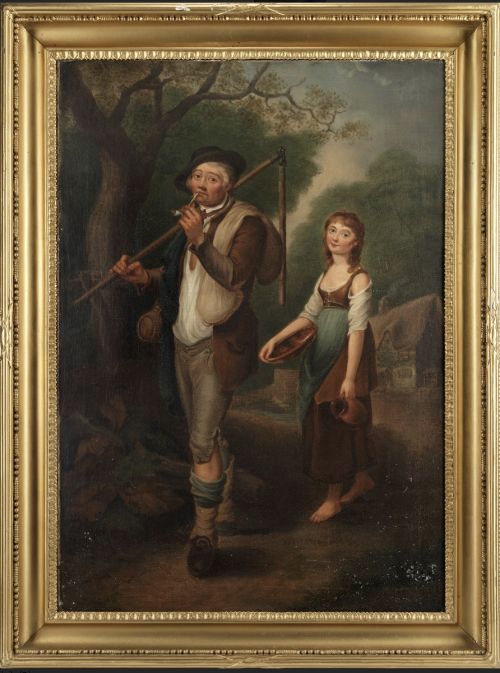
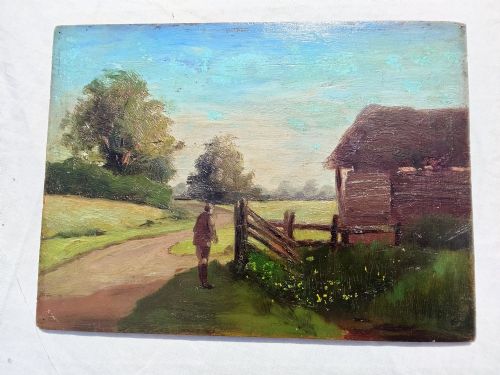
The selection on this page leans heavily toward nineteenth-century oil paintings on canvas and wood panels. Pieces range from detailed British and European school rural views to French Rococo and Grand Tour pastoral compositions.
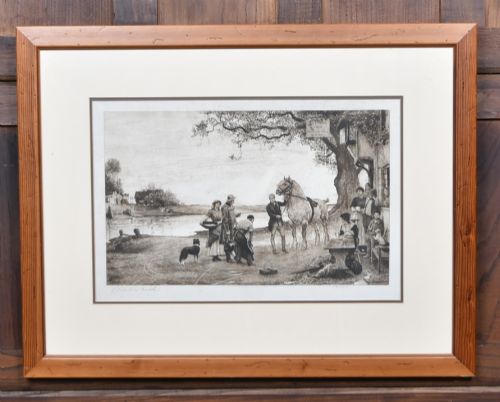
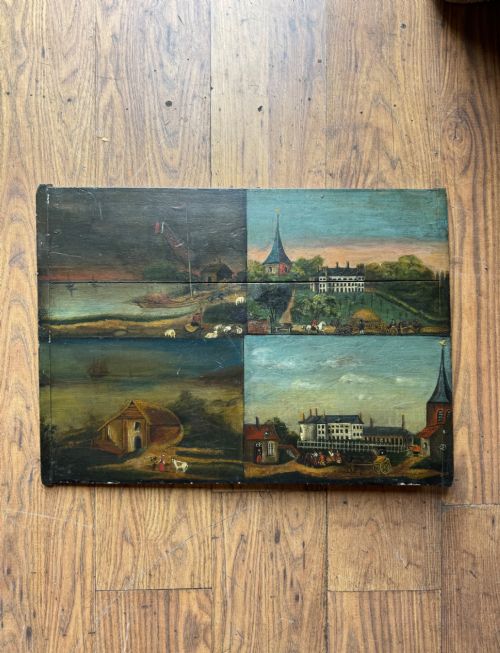
Alongside traditional oils, buyers find provincial naive folk art, engravings, and large antique wall tapestries from France. These diverse formats share a common focus on idyllic rustic scenery and agricultural life.
How they were made
Artists painted these pastoral scenes using oil paint on stretched canvas, wooden panels, or wooden boards, often enhanced with gesso framing. Watercolours on paper and printed engravings also appear alongside woven needlework and wool tapestries.
Makers constructed frames from wood, supporting the delicate paint layers and canvases. Textile works utilise complex needlework and tapestry weaving techniques to build rich textures.
Pastoral Landscape Wall Art Retail Price Guide 2026
Typical asking prices for pastoral landscape wall art among the pieces listed under this phrase on Sellingantiques today, from the lower quarter to the upper quarter. They describe what is for sale here now, not the wider market.
British Impressionism, Victorian Realism, and the Norwich School represent the predominant painting styles found here.
What varies in quality
The strength of composition and the handling of light separate standard academic works from finer artistic achievements. Masterful rendering of atmospheric depth in skies and foliage defines the upper tier.
The preservation of the original paint layer, canvas integrity, and period framing dictate the overall condition quality. Finer panels show stable surfaces without heavy restoration obscuring the artist brushwork.
William H Myers·Tom Campbell·W Klombeck·Percy Lancaster·Francois Boucher·John Horace Hooper·Hendrik Willem Schweickhardt·Thomas Barker of Bath·David Bates·Walter Heath Williams·Robert W Macbeth·Lucy Pratt·Ernest Higgins Rigg·Frederick James Kerr·Robert Watson·Albert Rieger·Jan Miel·William Watson Jnr·Greiffenhagen·T C Hofland·Henry H Parker·Henry Schouten·George Morland·Charles Edward Wilson·Johannes de Haas
The Pastoral Landscape Wall Art Glossary
- Oil on canvas
- Pigments bound in a drying oil applied to a woven fabric support. This combination allowed artists to blend tones smoothly and build rich surface textures.
- Wood panel
- A rigid wooden support used by artists before canvas became dominant. Panels preserve fine detail well when the timber remains stable.
- Verdure tapestry
- A woven wall hanging featuring a stylized landscape design dominated by foliage, trees, and often animals. These large textiles warmed stone walls in historic interiors.
- Provincial naive
- Art created outside academic traditions, often by self-taught makers. These works charm viewers through direct perspective and honest detail rather than strict anatomical accuracy.
- Grand Tour
- Cultural travel undertaken by wealthy Europeans to view continental art and antiquities. Paintings from this tradition recorded classic Italianate landscapes for returning travellers.
Pastoral Landscape Wall Art: Frequently Asked Questions
What is pastoral landscape wall art?
Pastoral landscape wall art encompasses historic paintings, watercolours, and tapestries depicting rural scenes, agriculture, and livestock. These artworks celebrate the quiet harmony of the countryside.
They reflect changing artistic movements from the eighteenth through to the early twentieth century, offering a window into historical rural life.
How were these landscape paintings displayed?
Original owners hung these framed works in parlours, drawing rooms, and studies to bring nature indoors. Large tapestries adorned stone walls in grand homes for both decoration and insulation.
Today, they suit traditional and eclectic interiors alike, anchoring a room with historic character.
How do I identify a nineteenth century oil painting?
Nineteenth century pieces often feature characteristic canvas weaves, historic stretchers, and period wooden frames. Stylistic clues include the clothing of depicted figures and the atmospheric techniques of the school.
Examining the reverse of the canvas or panel frequently reveals historic labels, artist signatures, or dealer stamps.
Are tapestries different from oil paintings?
Tapestries are woven textile panels created on a loom using dyed wool and silk threads rather than applied paint. They offer distinct tactile warmth and dense architectural presence.
Both mediums share a dedication to pastoral themes, yet tapestries require different environmental care regarding light exposure.