





Ornate Gold Picture Frame
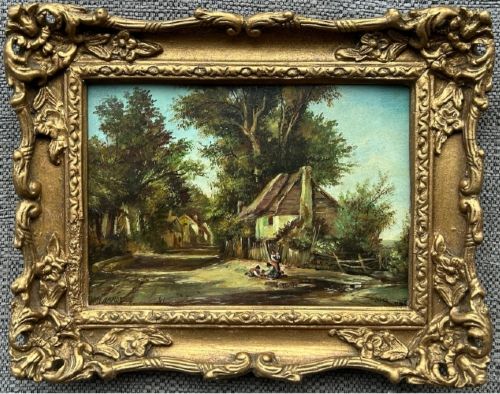
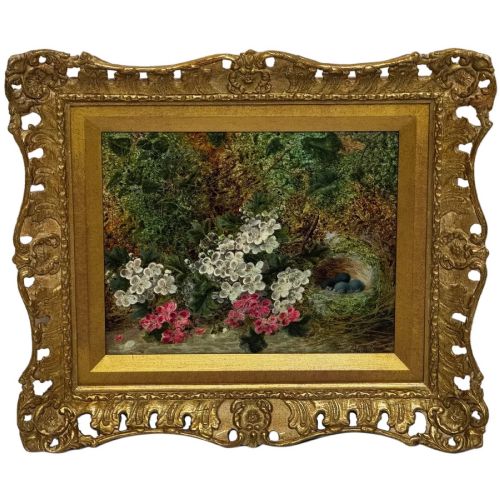
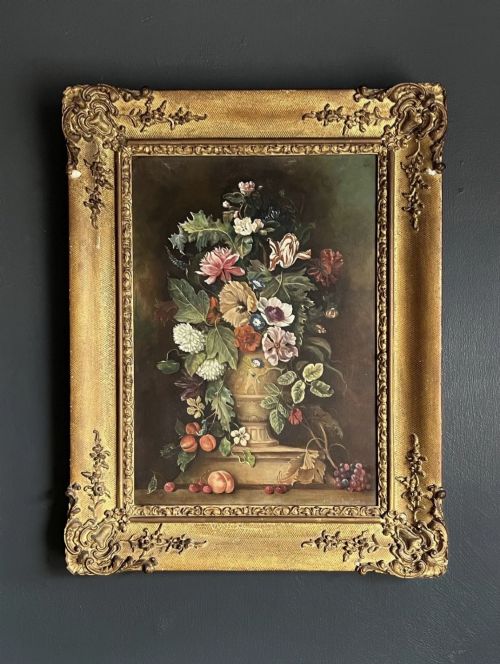
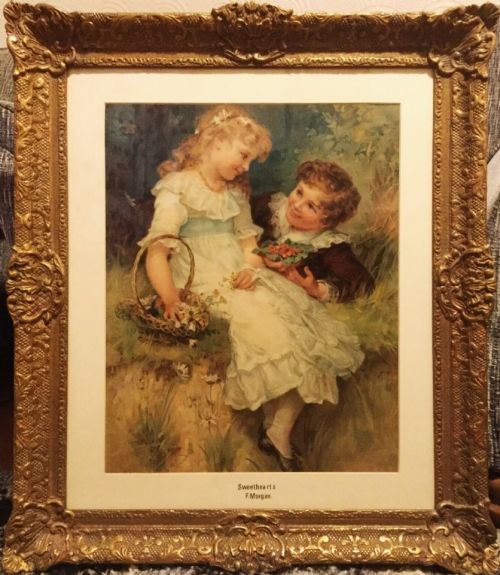
An ornate gold picture frame sets a canvas apart, bringing depth and warm reflection to period oil paintings and works on paper alike.
Ornate Gold Picture Frame
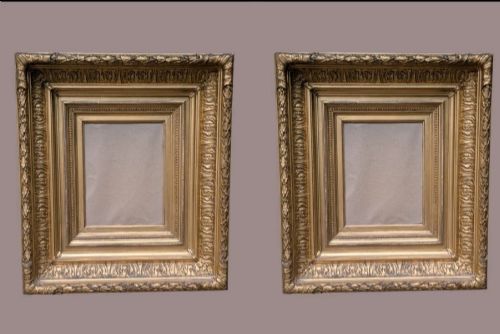
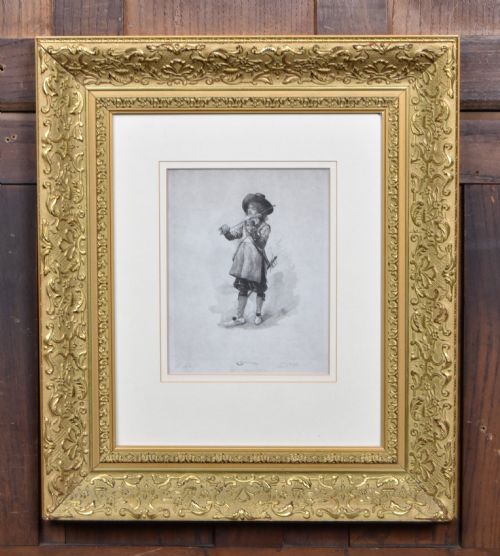
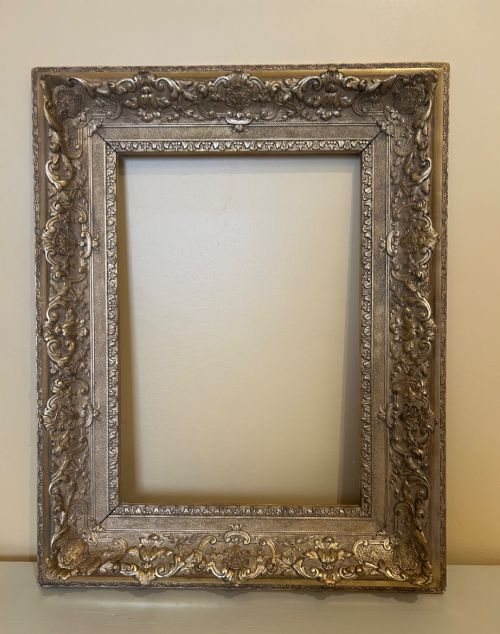
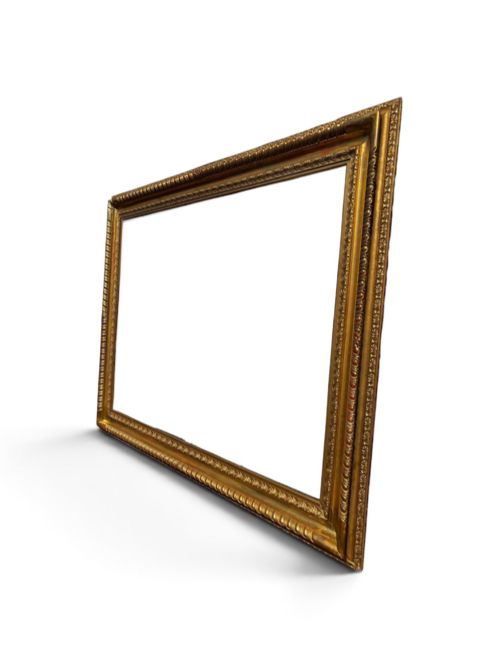
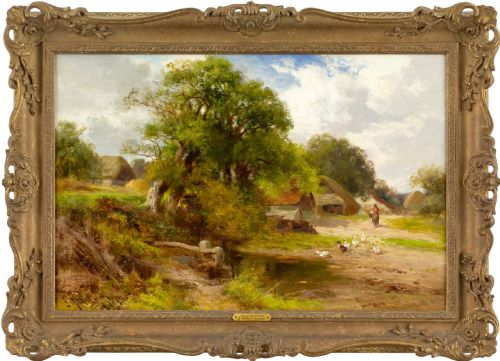
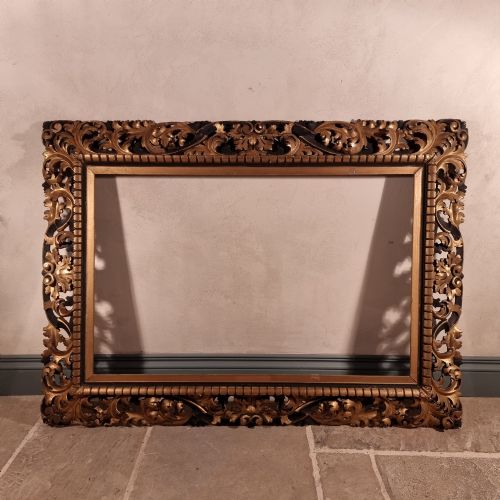
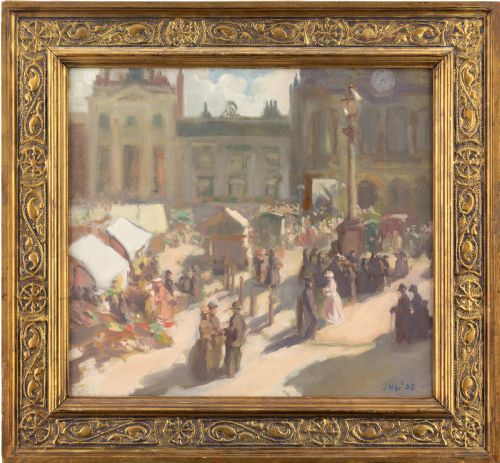
When searching for an ornate gold picture frame, collectors encounter substantial timber and composition surrounds designed to house oil paintings, watercolours and prints. These pieces frequently emerge from Victorian and Edwardian workshops, alongside mid-century interpretations influenced by earlier Italian taste.
The most common examples on this page are nineteenth-century giltwood and gesso frames, often built with deep profiles and intricate scrollwork. Such mouldings were shaped to complement dramatic portraiture, landscape scenes and still lifes of the period.
How they were made
Makers constructed the primary structure from seasoned timber, joining the mitres firmly before applying decorative elements. Wood provided a stable foundation capable of supporting heavy oil paintings on canvas or panel without warping over decades of display.
Surface ornamentation relied on gesso, a mixture of chalk and binder moulded or carved onto the timber substrate. Artisans then applied thin sheets of gold leaf or gilt finishes over the prepared relief, burnishing the metal to achieve a bright or mellow metallic sheen.
Ornate Gold Picture Frame Retail Price Guide 2026
Typical asking prices for ornate gold picture frame among the pieces listed under this phrase on Sellingantiques today, from the lower quarter to the upper quarter. They describe what is for sale here now, not the wider market.
What varies in quality
The standard of a frame rests on the crispness of the moulded ornament and the depth of the carving. Superior examples display sharp relief in the acanthus leaves and scrollwork, whereas inferior pieces present softened details where the composition material has filled the design too thickly.
The integrity of the gilding further distinguishes the work, with high-grade pieces retaining rich layers of gold leaf that age gracefully. Lesser items show heavy overpainting or crude repairs that obscure the original texture of the wood and gesso beneath.
William Howard Hardy·Oliver Clare·Howard Helmick·John Horace Hooper·John Hodgson Lobley·Thomas Kent Pelham
The Ornate Gold Picture Frame Glossary
- Gesso
- A plaster-like mixture applied to wooden frames to create a smooth or raised surface for gilding. It allows carvers to model intricate three-dimensional patterns before applying gold leaf.
- Giltwood
- Timber that has been coated with gold leaf or metallic powder. This finish provides a durable and reflective surface characteristic of formal European framing traditions.
- Swept frame
- A moulding profile characterised by hollow curves sweeping outward from the sight edge. This style creates a sense of movement and draws the eye inward toward the artwork.
Ornate Gold Picture Frame: Frequently Asked Questions
How do I date an antique gilt frame?
Dating relies on examining the construction methods of the wooden corners, the composition of the gesso, and the style of the ornamentation. Earlier nineteenth-century examples often feature heavier timber builds with hand-modelled gesso work.
Changes in fastener types and backing boards also offer clues, though frames were frequently paired with different artworks over their long lifespans.
Can I put a modern painting in an antique frame?
Placing contemporary artwork into an antique surround is a common practice that creates a striking visual contrast between old and new. Collectors must ensure the rebate depth and canvas dimensions match the internal measurements of the moulding.
Using proper spacers prevents the glass or frame from resting directly against a fresh oil painting or delicate medium.
How should I clean a gilded surface?
Dusting requires a very soft, dry brush to remove particles without disturbing delicate raised gesso ornament. Moisture and chemical cleaners must be avoided entirely, as they strip the thin gold leaf and expose the base layers.
Professional conservators should handle any structural repairs or deeper cleaning to preserve the historical surface integrity.
What is the purpose of a linen slip?
A linen slip is a fabric-covered inner border placed between the painting and the outer gilt frame. It provides a neutral visual transition that separates the colours of the artwork from the heavy gold moulding.
This technique also allows a slightly undersized canvas to fit securely within a larger decorative frame.