


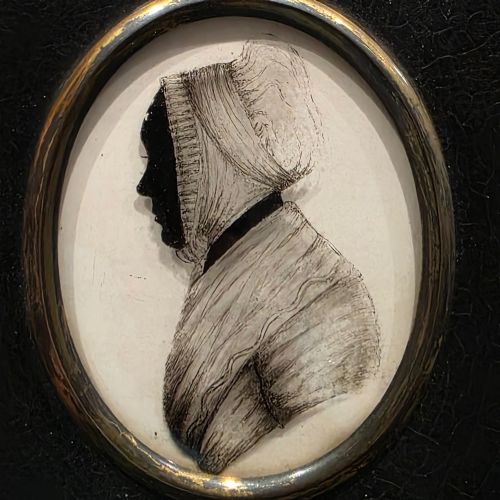
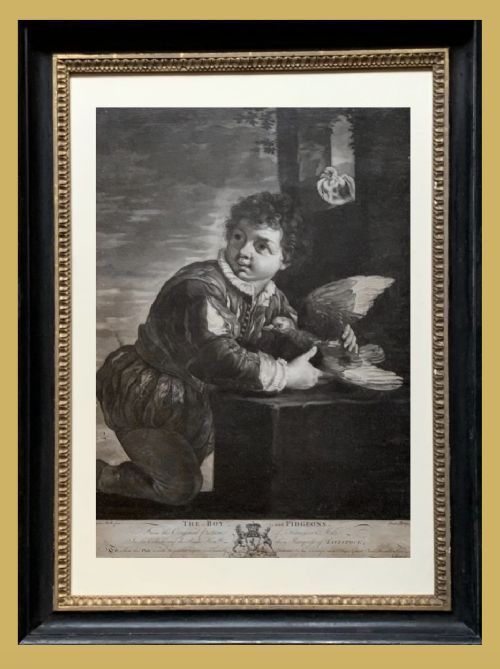
Antique Gilt Frame
Searching for an antique gilt frame brings to light centuries of ornate craftsmanship designed to showcase fine art and mirrors with gleaming distinction.
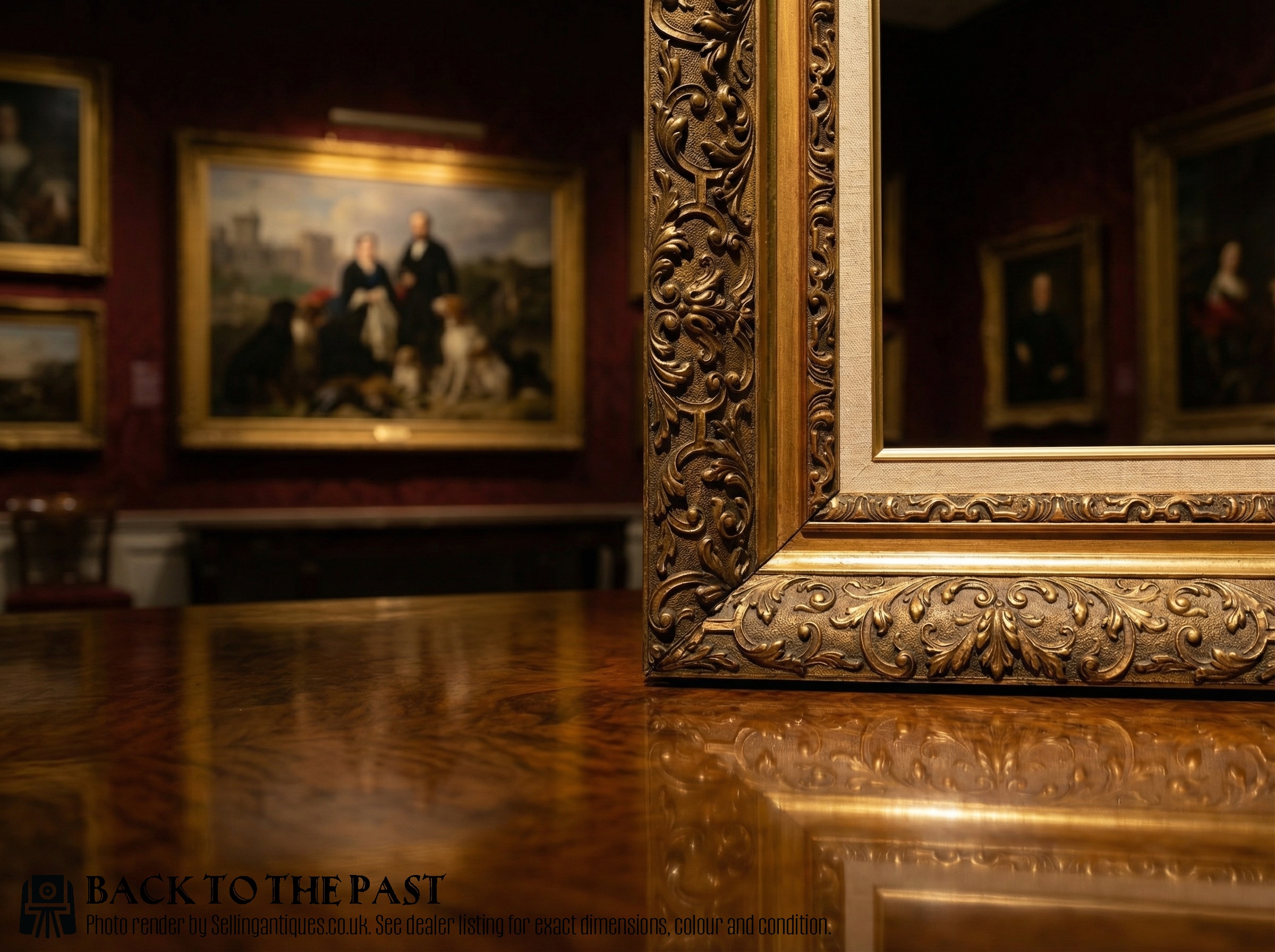
Antique Gilt Frame
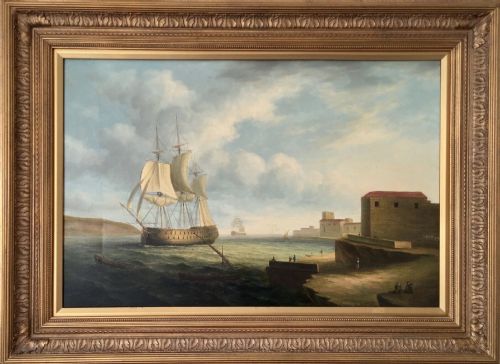
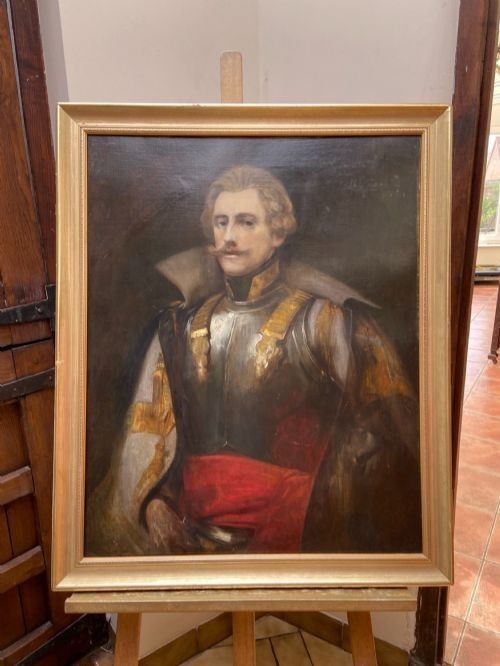
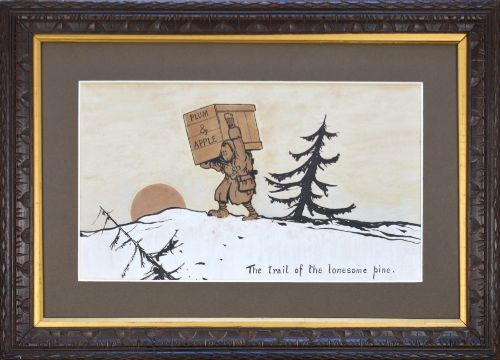
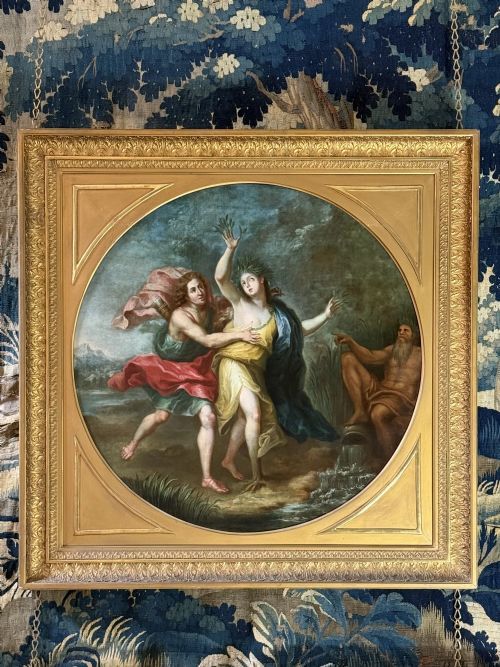
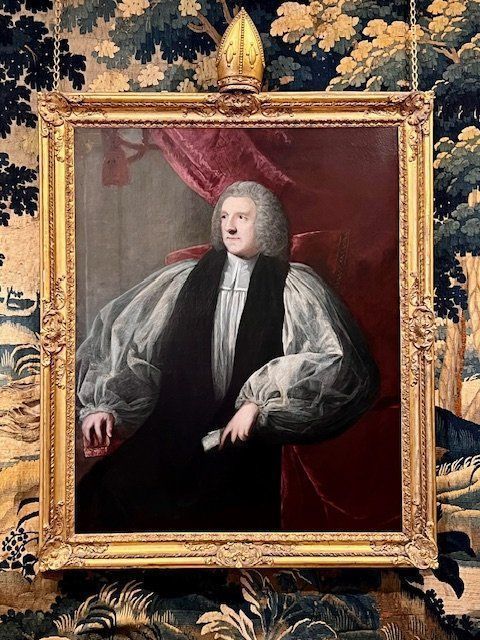
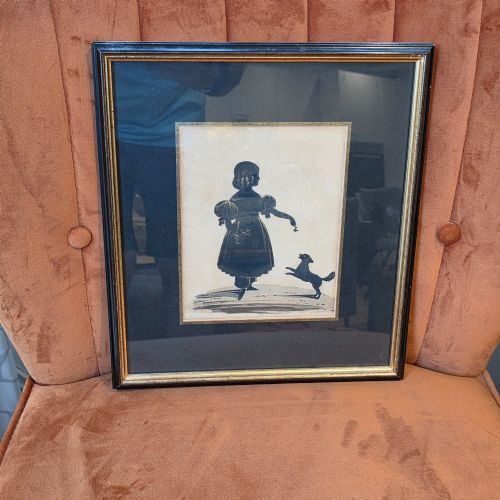
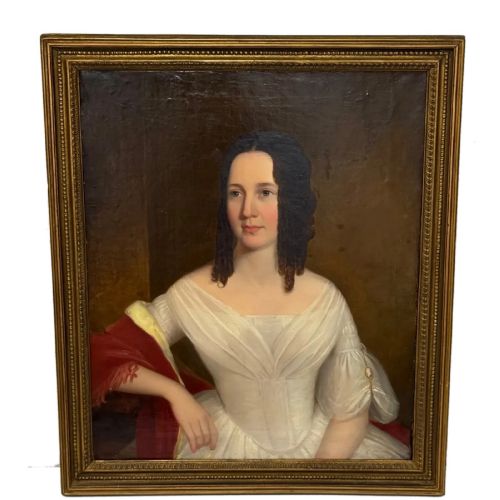
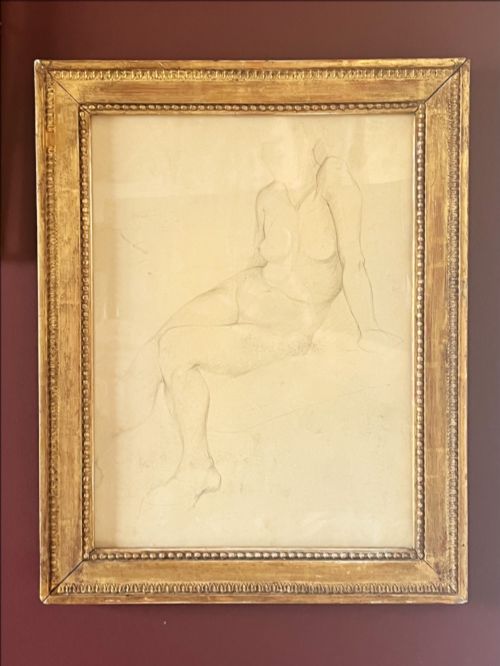
When examining an antique gilt frame, you encounter enclosures designed to elevate oil paintings, portraits, drawings, and wall mirrors. The selection spans centuries from the seventeenth through the mid-twentieth, incorporating distinct regional tastes and decorative movements.
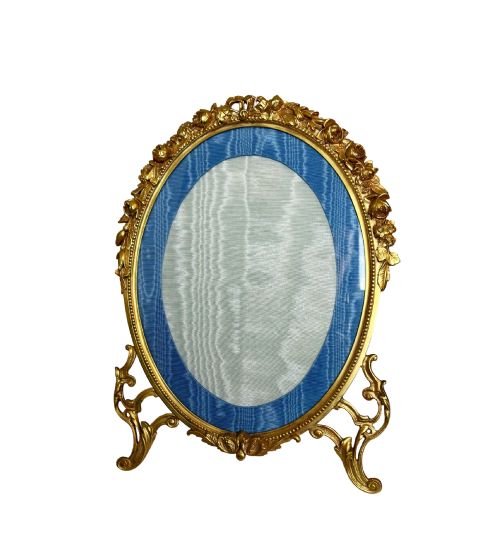
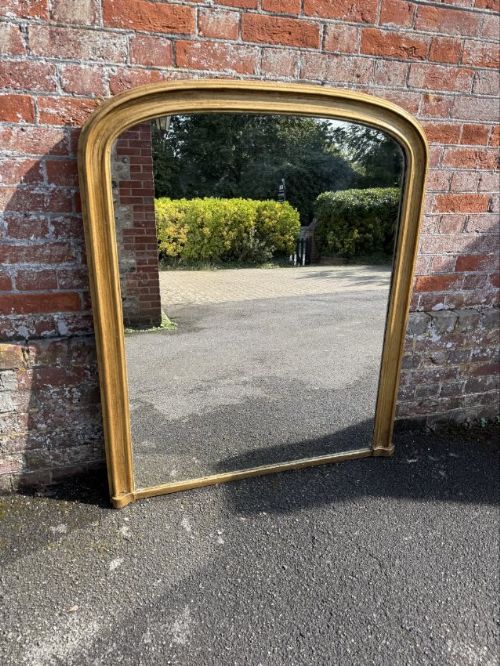
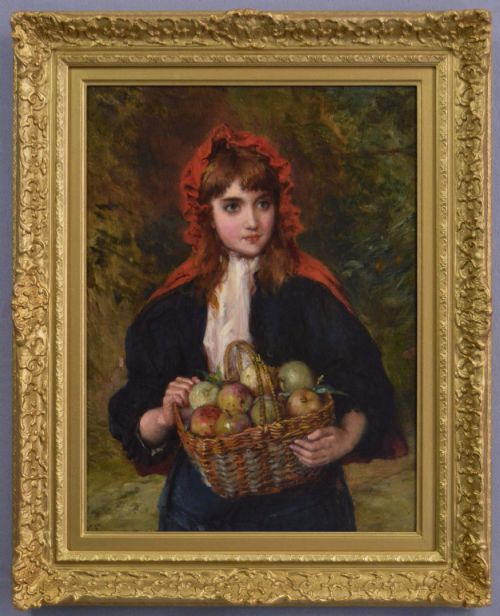
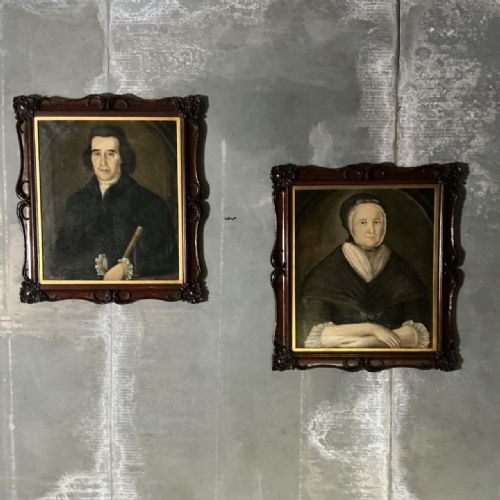
The most common examples on this page are nineteenth-century overmantel wall mirrors and framed oil portraits. These pieces range from grand architectural wall ornaments to intimate miniature picture surrounds.
Originating across Britain, France, and Italy, the items reflect periods including the Georgian, Regency, Victorian, and Edwardian eras. Each format serves to enclose and accentuate the visual weight of the canvas or mirror plate within.
How They Were Made
The foundation of these objects typically relies on carved wood, often reinforced with layered gesso to build up intricate relief ornaments and mouldings. Artisans shaped these wooden bases by hand before applying decorative twists, rope patterns, or floral motifs.
Guilders applied thin sheets of gold leaf over a prepared surface, often utilising bole to achieve a warm underlying tone beneath the metal. This traditional gilding technique creates the reflective, luminous finish characteristic of the period.
Alternative variations incorporate bronze castings or simpler wooden profiles finished with applied metallic leaf. Every construction method prioritises structural durability alongside decorative brilliance.
Antique Gilt Frame Retail Price Guide 2026
Typical asking prices for gilt frame among the pieces listed under this phrase on Sellingantiques today, from the lower quarter to the upper quarter. They describe what is for sale here now, not the wider market.
Materials recorded across the inventory include glass, giltwood, gesso, gold leaf, and oil on canvas.
What Varies in Quality
The caliber of an antique gilt frame rests upon the depth and precision of the hand-carved ornamentation. Finer examples display crisp relief work in the gesso and wood, whereas simpler or later pieces rely on cast composition ornaments with softer edges.
The method of gilding creates a significant distinction between tiers of production. Original gold leaf applied over bole develops a rich, subtle patina over time, whereas inferior or later restorations can appear flat and uniform in tone.
Substantial proportions combined with sound joinery mark the upper echelon of overmantel mirrors and picture surrounds. Superior pieces retain their original gilding surfaces largely intact, showing honest signs of age without extensive overpainting.
Sir Godfrey Kneller·William James Hubard·Richard Sebastian Bond·John Boydell·James Watson·Jean-Baptiste Van Loo·Joseph Clover·George Fotherly Hargitt·Francesco Bartolozzi·Maurice Quentin de la Tour·Sir Martin Archer Shee·Felix Stone Moscheles·R Leyton·Jean Mariette·Georges de La Tour·Sir Anthony van Dyck·John Hayls·James Sharples·William Henry Williamson·Singleton Jowett·W Hallam·Pier Francesco Mola·Charles Nosotti·Chapman Brothers Chelsea
The Antique Gilt Frame Glossary
- Gesso
- A plaster-like mixture applied to a wooden base to provide a smooth surface for carving and gilding. It allows craftsmen to model intricate three-dimensional details before applying metal leaf.
- Giltwood
- Timber that has been coated with gold leaf or powder. This material forms the primary structure of many decorative mirrors and picture surrounds.
- Overmantel Mirror
- A large wall glass designed to hang above a fireplace mantel. These architectural pieces often feature arched tops and elaborate carved frames.
- Pier Glass
- A tall mirror intended to be hung on the wall space between two windows. They frequently match the scale and decorative style of accompanying console tables.
- Bole
- A prepared layer of fine, earthy clay applied beneath gold leaf in traditional water gilding. The colour of the bole shows through minor wear to enhance the warmth of the gold.
Antique Gilt Frame: Frequently Asked Questions
How do I date an antique gilt frame?
Dating relies on examining the underlying construction timber, the composition of the gesso, and the style of the carved motifs. Earlier examples from the seventeenth and eighteenth centuries often feature hand-carved wooden mouldings without moulded composition ornaments.
Later nineteenth-century and Edwardian pieces frequently utilise cast plaster details applied to a simpler wood carcass. Matching the frame style to the period of the artwork or mirror plate it contains provides additional confirmation.
Were mirrors and paintings framed differently?
Mirrors and paintings required different structural considerations to support their weight and function. Wall mirrors and overmantel pieces required heavier wooden frameworks and secure bracing to hold thick glass plates safely.
Picture frames focused their decorative weight on complementing the artistic style of the oil painting or engraving within. Both categories utilised carved gesso and gold leaf to achieve a cohesive visual presence.
What is the difference between gesso and carved wood?
Carved wood involves shaping the actual timber foundation into decorative profiles and relief patterns. This method demands skilled hand woodworking and provides long-lasting structural integrity.
Gesso is a plaster mixture applied over the timber base to build up fine details and smooth surfaces for gilding. Many antique frames combine both techniques, using carved wooden profiles supplemented by moulded gesso ornamentation.
How should I clean an antique gilt surface?
Cleaning requires extreme gentleness to avoid disturbing the delicate gold leaf and underlying gesso layers. Dusting should be performed with a very soft, dry brush to remove surface particles without applying pressure.
Moisture and modern chemical cleaners must be avoided entirely because they strip the metallic leaf and expose the base materials. Professional conservation is recommended for any piece requiring deeper cleaning or stabilization.