




Antique Landscape Wall Painting
An antique landscape wall painting brings the open air, river valleys and rugged coasts of past centuries directly into a room.
Antique Landscape Wall Painting
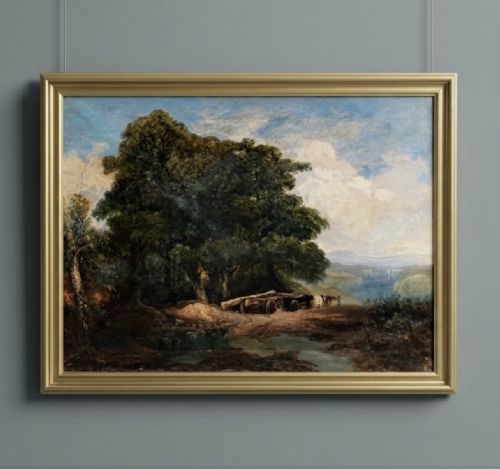
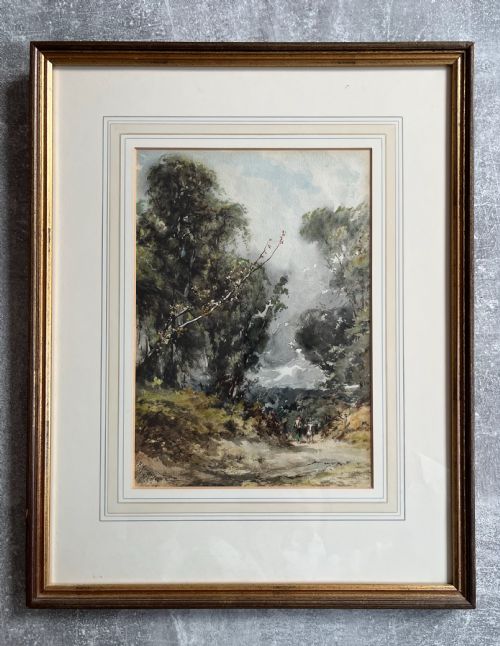
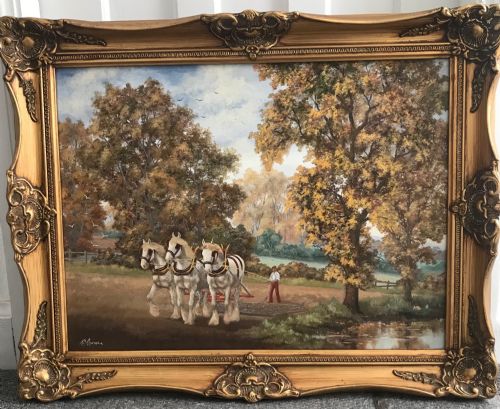
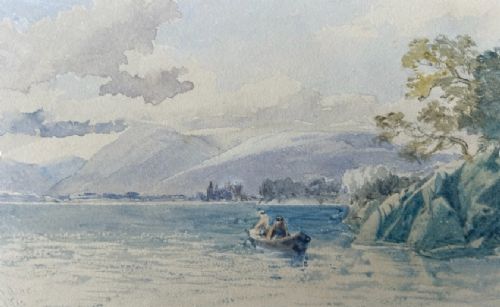
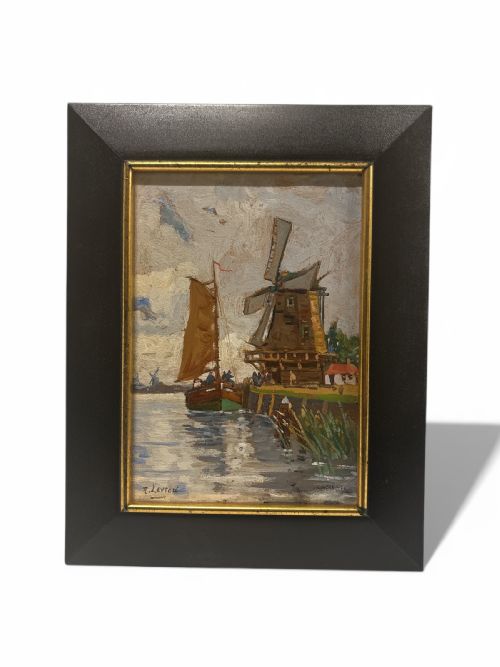
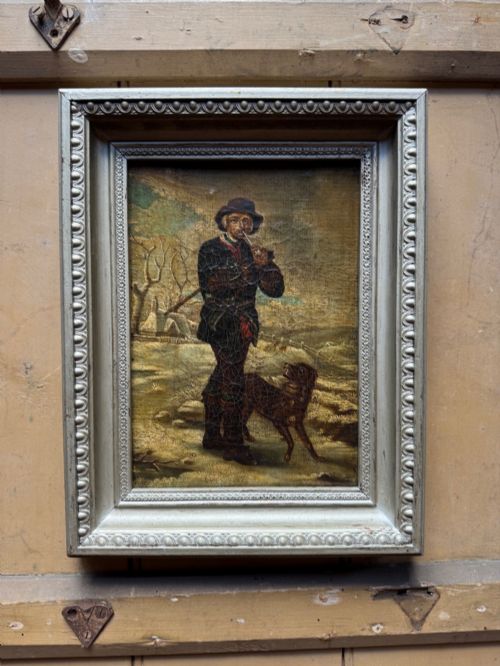
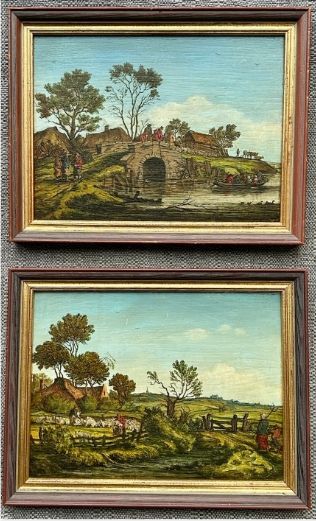
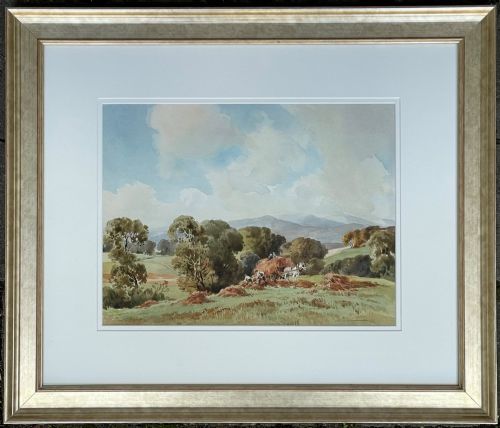
When you search for an antique landscape wall painting, you encounter framed visions of rural scenes, coastal harbours and woodland paths originating mostly from the nineteenth and early twentieth centuries. These artworks capture the changing light of British and European countryside, executed by named regional artists or skilled anonymous hands following the prevailing academic and impressionist currents of their day.
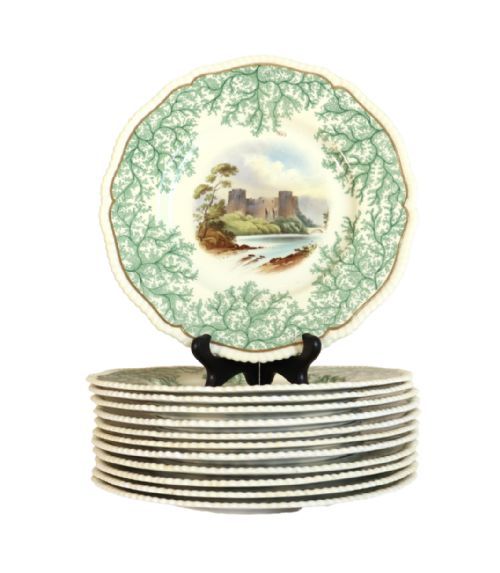
The selections on this page range from modest watercolour studies on paper to expansive oil paintings on canvas and wood panels. Alongside traditional framed artworks, the category accommodates related decorative items carrying topographical scenery, such as transfer-printed ceramic dinner plates depicting landmark views.
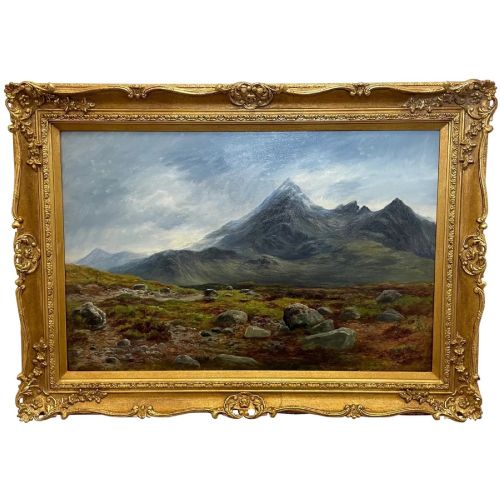
Most surviving pieces date from the Victorian and Edwardian eras, reflecting a period when domestic interior decoration placed a high value on framed views of nature. Whether depicting Scottish highlands, pastoral rivers or maritime shores, these works preserve historical topography and nineteenth-century artistic interpretations of the natural world.
How They Were Made
Painters applied oil paint or watercolour to stretched canvas, wooden panels, heavy paper or card, often working outdoors to capture direct observations before finishing the compositions in the studio. Oil on canvas and oil paint on wood panels provided a durable, rich medium for building up deep textures and atmospheric depth in romantic and impressionist scenes.
Watercolour paintings utilised washes on paper to achieve luminous effects, frequently mounted behind glass within period frames fashioned from gilt wood. Makers constructed these protective surrounds from timber moulding, applying carved or composition ornamentation to complement the pictorial depth of the artwork within.
What Varies in Quality
The distinction between ordinary and exceptional works rests on the confidence of the brushwork and the artist's command of atmospheric perspective. Superior paintings demonstrate a nuanced understanding of light falling across foliage, water or stone, whereas lesser examples rely on formulaic repetition and stiff composition.
Materials and framing also indicate standard, with original gilt wood frames and robust supports like stretched canvas or seasoned wood panels signalling higher production values. Provenance records, artist signatures and exhibition histories further elevate the standing of a piece within the broader artistic record.
Richard Sebastian Bond·William Beattie Brown·George Fotherly Hargitt·Thomas Miles Richardson Jnr·James Orrock·William H Myers·Tom Campbell·Alfred Young Nutt·Percy Lancaster·John Horace Hooper·Reginald Arthur Borstel·Hendrik Willem Schweickhardt·Kershaw Schofield·George Houston·Herbert Royle·John E Aitken·William Banks Fortescue·Thomas Barker of Bath·James Kay·Augusto Alberici·Walter Wallor Caffyn·Waller Hugh Paton
The Antique Landscape Wall Painting Glossary
- Oil on Canvas
- Pigment mixed with drying oil applied to a woven fabric surface stretched across a wooden frame. This primary support allowed artists to create large-scale works with rich surface texture.
- Watercolour
- Pigments suspended in a water-soluble vehicle applied to paper or card. This medium was favoured for its translucency and portability during plein air sketching trips.
- Gilt Wood
- Timber carved or moulded and coated with a thin layer of gold leaf or metallic powder. It formed the standard decorative border for framing fine art paintings.
- Impressionism
- An artistic style characterised by relatively small, thin yet visible brush strokes and an open composition. It prioritised accurate depiction of light in its changing qualities.
- Wood Panel
- A rigid flat wooden support used instead of canvas for painting. Flemish and British artists frequently utilised prepared panels for smaller cabinet works.
Antique Landscape Wall Painting: Frequently Asked Questions
How do I hang a heavy oil painting?
Heavy oil paintings on canvas or wood panels require secure wall anchor points or fixings screwed directly into structural studs. Using robust picture wire attached to strong D-rings on the original frame ensures the weight distributes evenly.
Position the artwork at eye level, taking into account the proportions of the surrounding wall space and furniture below. Avoid placing pieces in areas subject to direct sunlight or damp conditions that might harm the canvas or wooden support.
Can watercolours be displayed in sunlight?
Watercolour paintings on paper are sensitive to ultraviolet light and can fade significantly if exposed to direct sun for extended periods. Protect them by placing them away from south-facing windows or by using specialist UV-filtering glass during framing.
Maintaining stable indoor temperatures and moderate humidity levels prevents the paper support from warping or developing foxing spots over time.
How are nineteenth-century frames authenticated?
Authentic nineteenth-century frames typically exhibit period construction methods, such as corner mitres joined with wooden slip blocks and hand-applied gesso over carved wooden mouldings. Minor wear, shrinkage cracks in the gesso and patination on the gilt surface confirm age.
Many paintings retain their original frames, which often bear framer trade labels or exhibition stamps on the reverse timber or stretcher bars.
What is the difference between oil and watercolour?
Oil paint utilises a drying oil binder that sits on the surface of canvas or wood, allowing artists to blend colours slowly and build thick impasto textures. Watercolour uses water-soluble binders on paper, creating luminous, transparent layers where the white of the paper illuminates the pigment.
Oils are generally heavier and require rigid supports like stretched canvas or wood panels, while watercolours are lighter works traditionally displayed behind glass.