



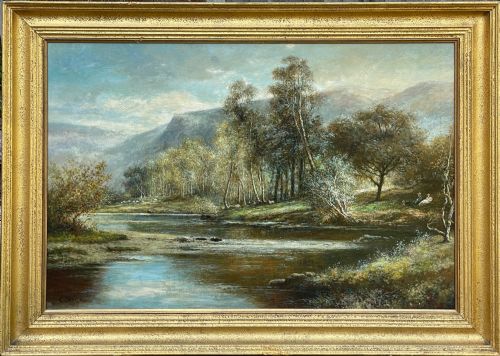
Late 19th Century Artwork
These late 19th century artwork pieces bring nineteenth-century hand-painted oils and watercolours into modern rooms.
Late 19th Century Artwork
Late 19th century artwork covers framed paintings, watercolours, and prints created during the Victorian and late Victorian periods. Buyers search this phrase to find original British and European landscape scenes, maritime views, and portraiture.
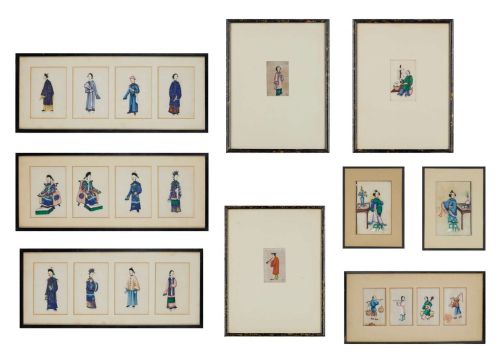
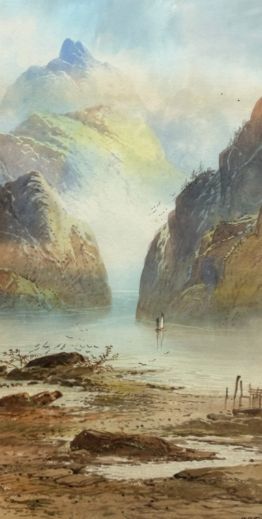
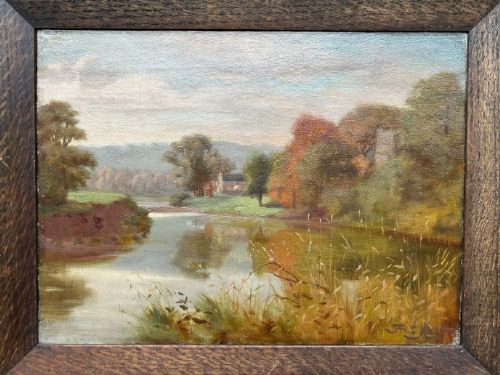
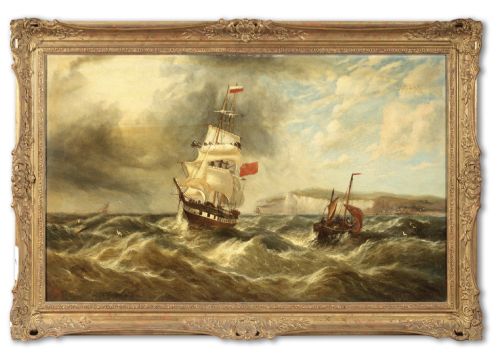
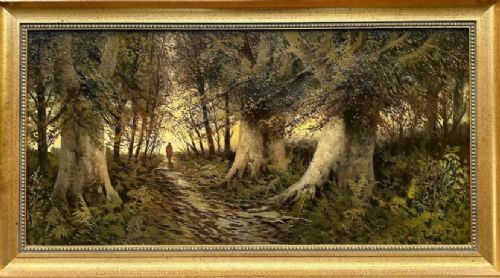
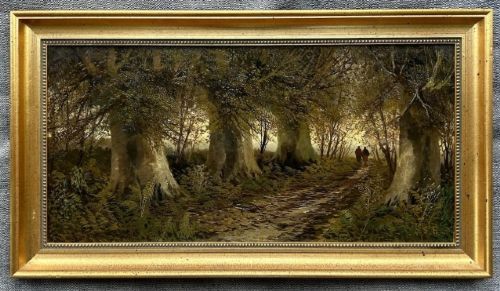
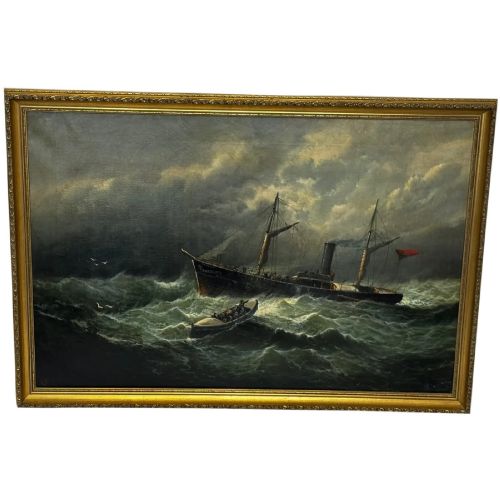
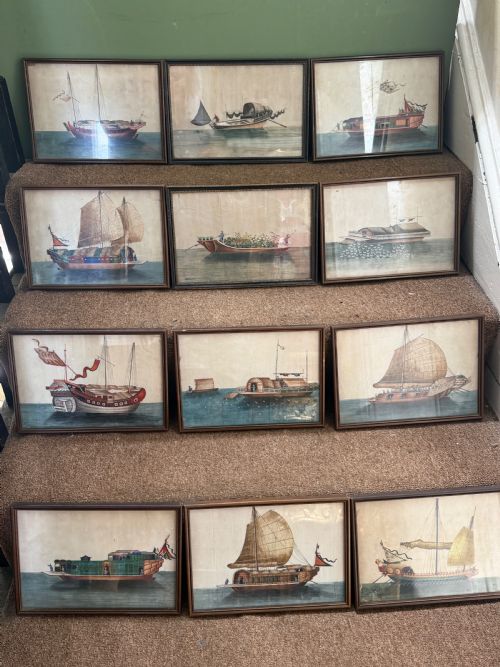
The most common items met on this page are signed watercolour paintings on paper and oil paintings on canvas depicting coastal views, Scottish landscapes, and rural countryside. Chinese export paintings and gouache works also appear alongside traditional European pieces.
Materials and technique
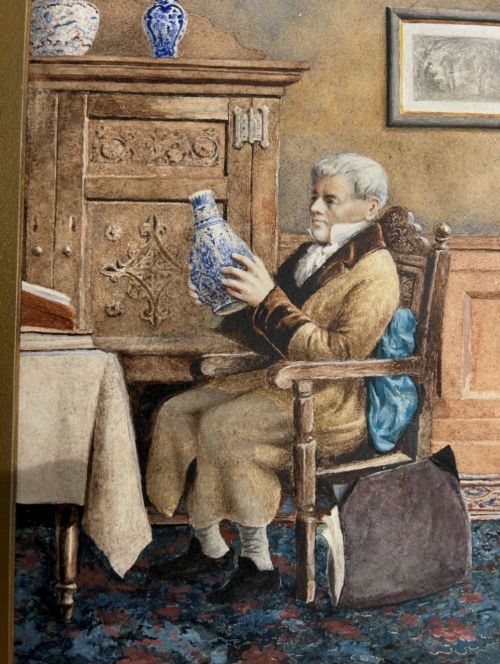
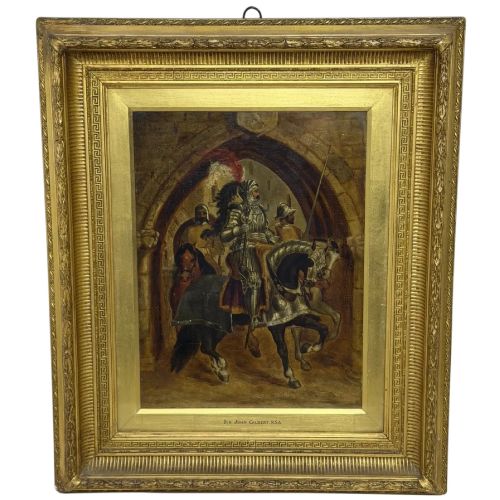
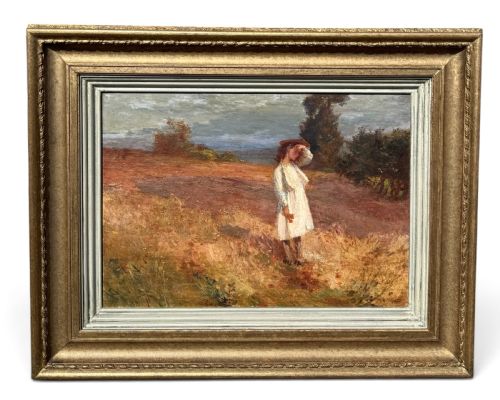
Artists of this era applied oil paint to canvas, board, and panel, or worked with watercolour and gouache on paper. Many works retain their period gilt wood frames, constructed to house the canvas or sheet securely.
Techniques range from impressionist brushwork and naive folk art portraiture to detailed botanical and figural studies. Pith paintings and charcoal drawings demonstrate the varied mediums utilised by makers during the nineteenth century.
Listings feature works across oil, watercolour, gouache, and charcoal on paper, canvas, and board.
Quality differences
Quality rests in the handling of light, brush control, and composition rather than the subject matter alone. Skilled artists capture depth in coastal waters and foliage with assured strokes, whereas lesser pieces rely on stiff outlines.
The preservation of the paper or canvas dictates the condition, with stable paint surfaces and original untouched frames commanding greater interest from collectors.
James Orrock·William Henry Earp·Alfred Young Nutt·Frederick Marriott·William Banks Fortescue·John Rose Miles·Thomas W Lascelles·William Broome·Sir John Gilbert RA·Umberto Volpato·Philip Richard Morris·Robert Little·Harry Wanless·Gabriel Puig Roda·Emile Louis Picault·Evaristo Cappelli
The Late 19th Century Artwork Glossary
- Watercolour
- A painting method where fine pigment is suspended in water-based solution on paper. This medium produces transparent washes suited to atmospheric landscapes.
- Gouache
- An opaque water-based paint that creates solid colour fields and sharp details. It appears frequently in export maritime paintings.
- Impressionist
- A style focusing on the visual impression of a moment, marked by visible brushstrokes and natural light. It emerged strongly in late nineteenth-century European painting.
- Provenance
- The documented history of a piece establishing its origin and past ownership. It helps confirm attribution to specific artists.
Late 19th Century Artwork: Frequently Asked Questions
How do I care for antique watercolours?
Keep watercolours away from direct sunlight to prevent the pigments from fading over time. Glazing with conservation-grade glass protects the paper surface from moisture and atmospheric dust.
Ensure pieces hang on interior walls where temperature and humidity remain stable. Avoid placing them near heat sources that could dry out the paper or damage the frame.
How are oil paintings on canvas structured?
Oil paintings utilise a woven canvas stretched tightly across a wooden frame called a stretcher. Layers of ground, paint, and varnish create a durable surface that reflects light differently than paper mediums.
Artists applied these paints with brushes or palette knives, building texture known as impasto. The wooden stretcher behind allows the fabric to maintain tension across the composition.
How do I identify a Victorian frame?
Victorian frames often utilise moulded plaster applied over a wooden base, finished with gilt leaf. Ornate corner ornamentation and deep cavetto profiles distinguish them from modern mouldings.
Examining the reverse reveals old panel pins, oxidation on metal fixings, and historical paper tape. These structural clues help confirm whether the frame is original to the artwork.