
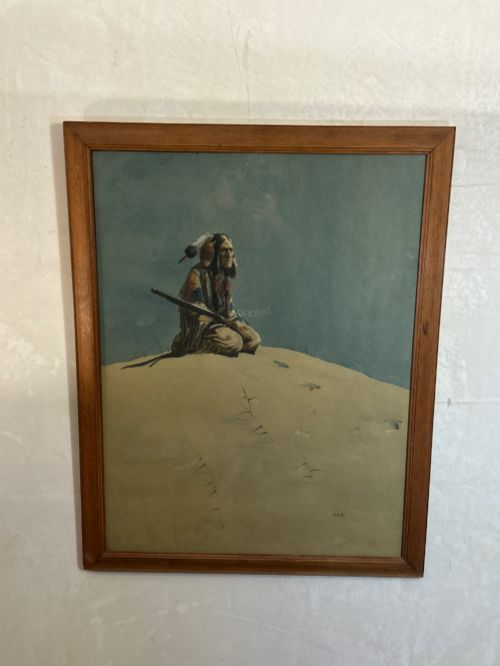
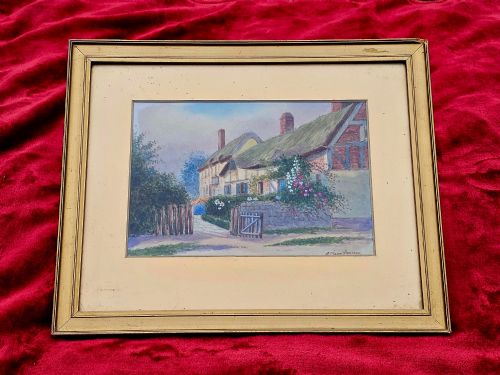
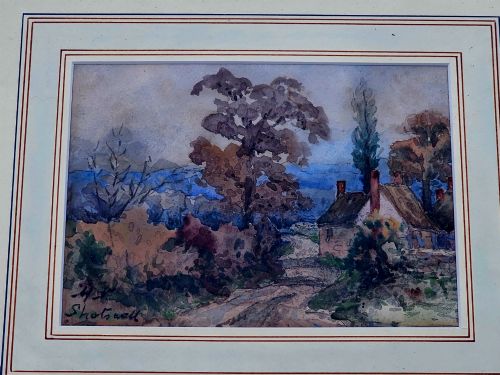
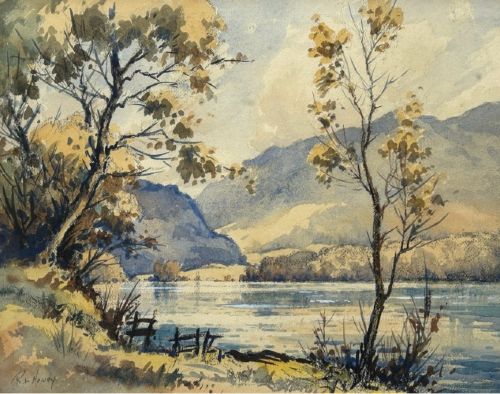
20th Century Original Watercolour
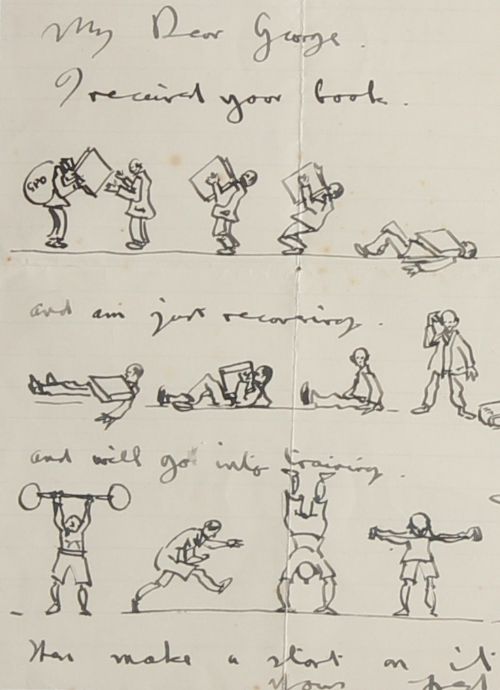
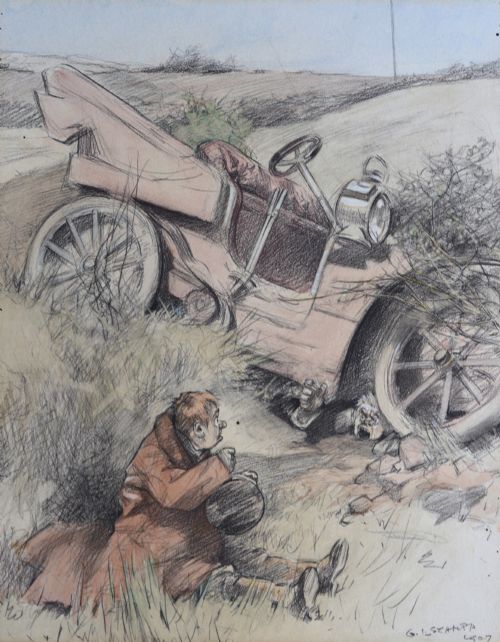
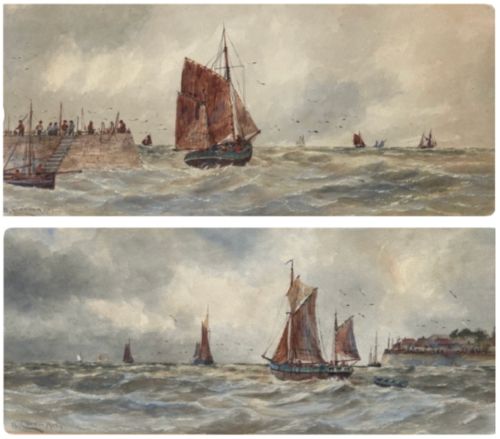
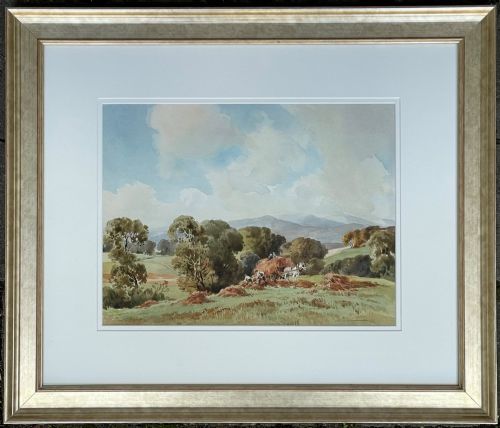
These pieces of 20th century original watercolour offer direct insight into the changing landscapes and maritime scenes captured by British artists over decades.
20th Century Original Watercolour
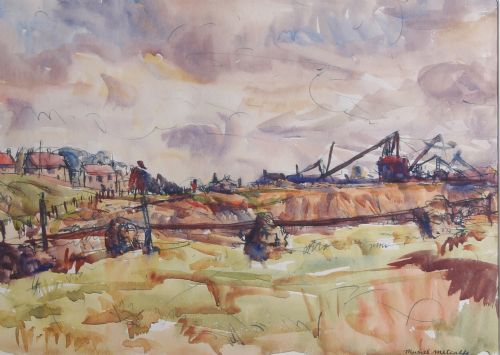
A 20th century original watercolour represents a unique painting executed on paper using water-soluble pigments, capturing subjects ranging from pastoral countryside to bustling coastal harbours. Collectors searching this phrase encounter works produced across various decades, including Edwardian compositions, mid-century modernist studies, and maritime views.
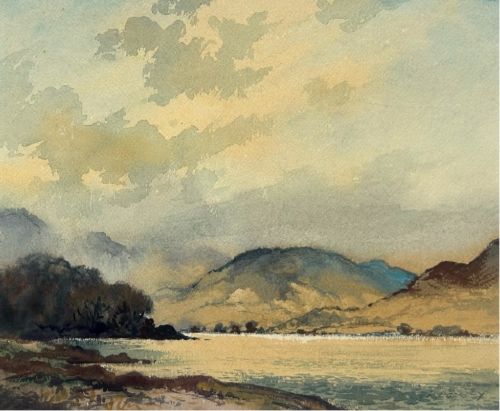
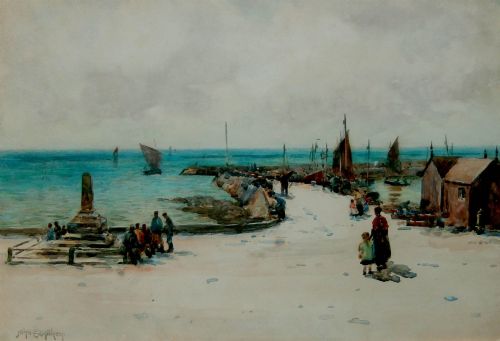
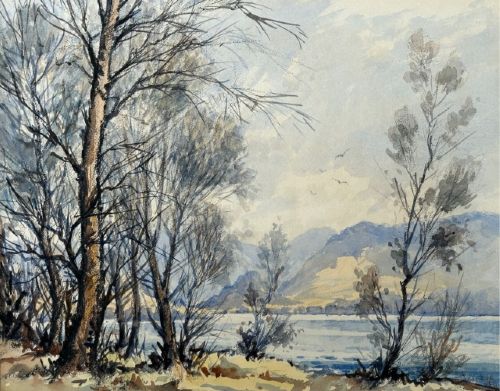
The selections span distinct regional schools and individual visions, featuring rural English landscapes, Scottish lochs, Welsh valleys, and urban street scenes. These paintings record the changing visual idioms of the period, moving from detailed topographical views towards freer impressionistic handling.
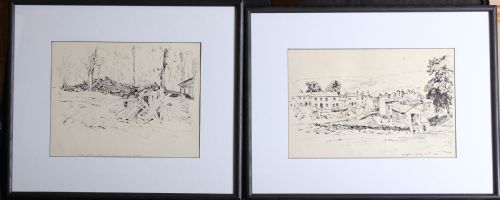
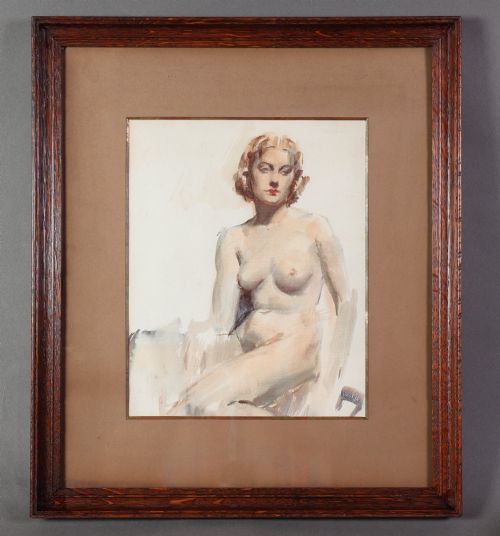
Most examples survive in period frames behind glass, preserving the delicate pigments and paper supports from atmospheric degradation. Buyers often find signed sheets by regional practitioners alongside works by nationally exhibited members of art societies.
How They Were Made
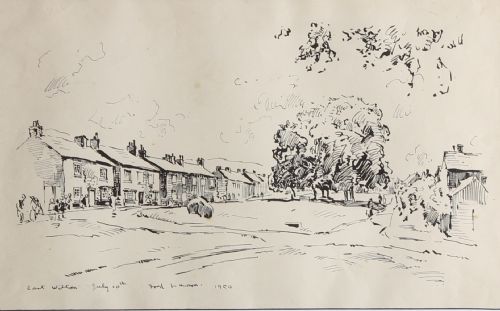
Artists applied watercolour paint and pigment to paper supports, frequently combining ink line work or gouache to add opacity and definition to architectural and landscape details. The transparent washes characteristic of the medium were built up in layers to achieve tonal depth and atmospheric light effects.
Support materials typically consist of heavyweight or textured paper housed beneath glass within wooden frames, safeguarding the fragile medium from moisture and surface abrasion. Many works incorporate pencil underdrawings beneath the pigment layers, revealing the preparatory stage of the composition.
Several paintings capture quiet moments with Romany caravans, resting dray horses, and ducks navigating northern rivers.
What Varies in Quality
The success of a piece rests upon the artist's handling of light, brushwork fluidity, and composition, distinguishing swiftly executed sketches from resolved exhibition pieces. Works that capture specific atmospheric conditions or architectural precision demonstrate greater command of the medium.
Condition plays a significant role in evaluation, particularly the preservation of pigment vibrancy against fading and the absence of heavy acidification or foxing on the paper support. Original framing and documented provenance further elevate the standing of individual sheets.
George Lorain Stampa·Percy Lancaster·John Hassall·Robert Leslie Howey·Charles Edward Dixon·Eric Tufnell·Muriel Metcalfe·Fred Lawson·Thomas Maidment·Russell Sidney Reeves·Cecil Beaton·George F Pennington·Edgar Woollatt·Oswald Garside·Gaston Cornil·Dame Elisabeth Frink·John Rattenbury Skeaping·Arthur Reginald Smith·George Graham·William Hoggatt·Frederick Septimus Lewis·Rowland Henry Hill·William Tuck·Henry Boddington·Alexander Jamieson
The 20th Century Original Watercolour Glossary
- Gouache
- An opaque water-based paint often used alongside watercolour to create highlights and solid areas of colour. It contains a white pigment mixed with gum binding.
- Foxing
- Small brownish spots or patches that appear on older paper due to chemical reactions over time. It is a common occurrence in antique paper works.
- Impressionism
- A style of painting emphasising light and its changing qualities rather than precise detail. Artists using this approach prioritised loose brush marks.
- Provenance
- The documented history of ownership surrounding a work of art. Clear records help establish authenticity and past exhibitions.
- Wash
- A thin, semi-transparent layer of diluted watercolour pigment applied to paper. It forms the basis of sky and background treatments in landscapes.
20th Century Original Watercolour: Frequently Asked Questions
How should I display watercolour safely?
Watercolours require placement away from direct sunlight to prevent the fugitive pigments from fading over time. UV-filtering glass and acid-free mounts protect the paper support from environmental damage.
Maintaining stable room temperature and low humidity prevents the formation of mould and foxing spots across the paper surface.
What subjects are most common?
British pastoral landscapes, coastal views, and architectural studies dominate the output of this period. Artists frequently recorded rural villages, harbours, and agricultural scenes.
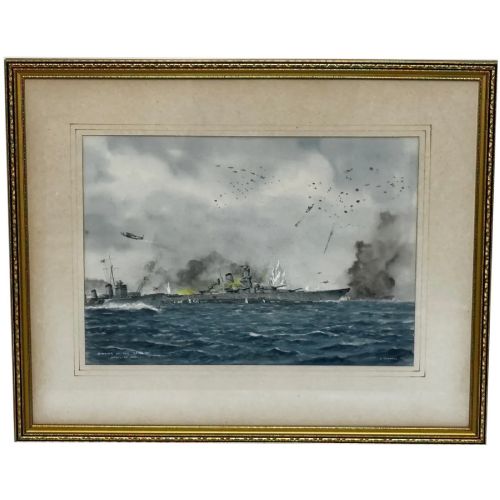
Still life studies of flowers and botanical arrangements also appear alongside maritime depictions of naval vessels and fishing boats.
How do I identify the date of a painting?
Many works bear signatures, dates, or inscriptions written by the artist directly onto the front or reverse of the paper. Stylistic clues, framing materials, and artist biographies help narrow down the production period.
Exhibition labels and gallery stamps attached to the backing board provide further historical documentation for dating the sheet.
Are these works signed by the artists?
A significant number of pieces feature the artist's signature or initials, often inscribed in pencil or ink near the lower margin of the composition. Some works remain unsigned or attributed to specific regional schools based on style and technique.
Signed pieces frequently link to recorded practitioners exhibited in regional galleries and national art societies during the decades of production.