



Vintage Industrial Artwork
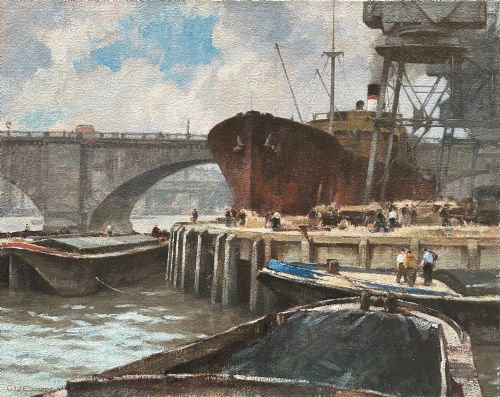
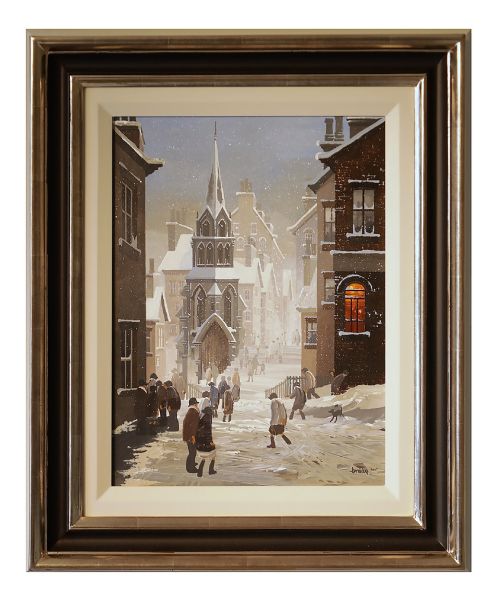
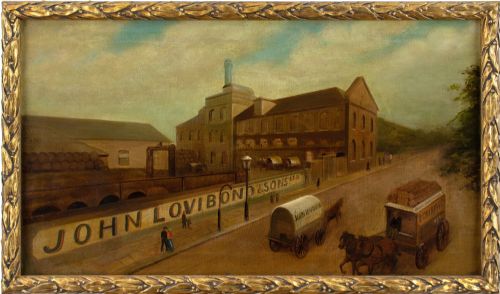
These vintage industrial artwork pieces capture working towns, machinery and docks through the eyes of artists working from the nineteenth century to the mid-twentieth century.
Vintage Industrial Artwork
When you search for vintage industrial artwork, you find a range of paintings, watercolours, etchings and lithographs depicting factories, railways, shipyards and urban landscapes. These works record the physical reality of labour and infrastructure across Britain and Europe through different periods of the nineteenth and twentieth centuries.
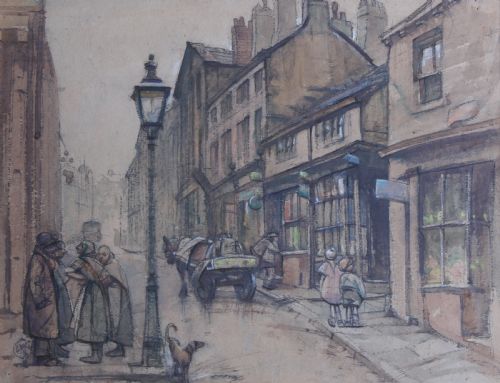
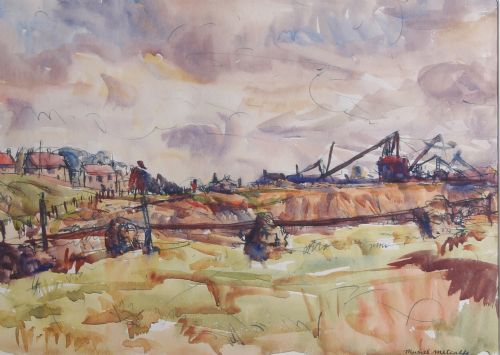
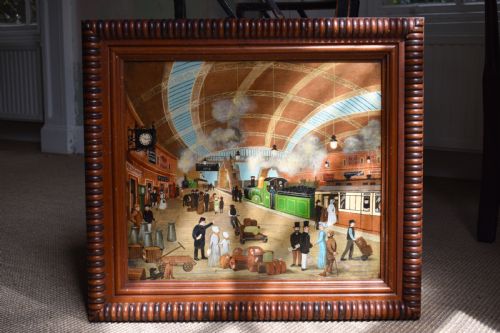
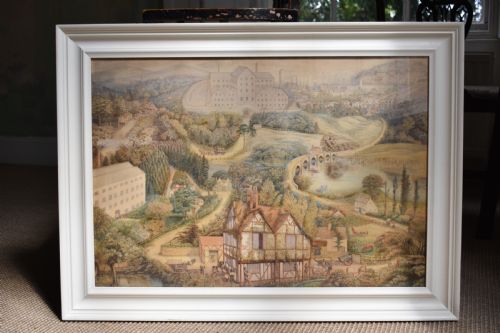
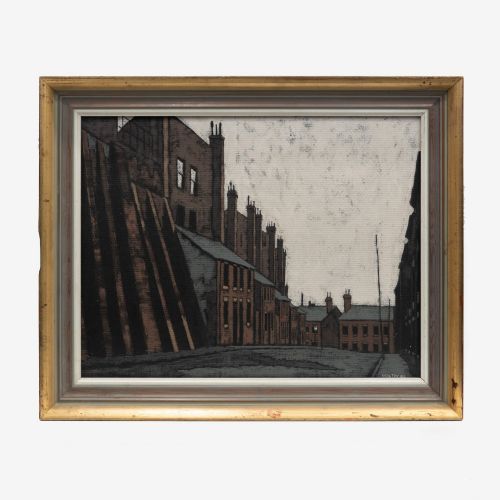
The pieces you meet most often on this page span the early decades of the twentieth century up to the nineteen-sixties. They include northern townscapes, harbour scenes, railway depictions and architectural studies created in mediums such as oil on canvas, oil on board and paper.
Makers and artists represented range from named figures associated with regional British groups to anonymous hands working within the Victorian, Edwardian, Realist and Modern British traditions. Their subjects stretch from London bridges to provincial quarries, breweries and engineering works.
Materials and methods
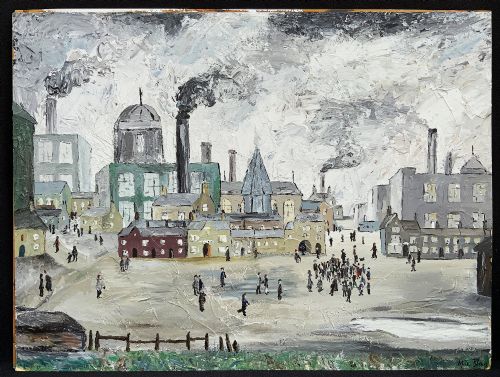
Artists working on vintage industrial artwork utilised oil paints, watercolours, pastels, charcoal and lithographic ink applied to canvas, wood panels, paper and copper relief plates. Oil paintings often display thick impasto applications to capture the heavy atmosphere of smoky industrial settings.
Works on paper encompass detailed architectural plans, original etchings and topographical watercolours executed with fine washes and precise linework. Support materials vary from stretched canvas and heavy board to aged paper sheets framed under glass.
The periods represented span from the nineteenth century through the nineteen-sixties.
Distinctions in quality
Quality in these pieces rests upon the strength of the composition, the handling of light within difficult urban environments, and the artist's ability to convey movement and scale in machinery or architecture. Stronger examples demonstrate confident brushwork or precise draughtsmanship that brings clarity to complex industrial structures.
The distinction between standard topographical records and superior works lies in the expressive use of colour and medium, such as impasto oils that give physical weight to a factory scene or watercolour washes that capture the grey atmosphere of a northern town.
Muriel Metcalfe·Cyril Walduck Edwards·Brian Shields Braaq·Stuart Walton·David Shepherd·Fred Lawson·Frank Shenton·Herbert John Finn·James W Booth·Walter J Hall·Henry J Neave·George R Havelka·George Harcourt Sephton
The Vintage Industrial Artwork Glossary
- Oil on board
- A painting executed with oil colours upon a rigid wooden or composition board support rather than stretched canvas. This method was common for quicker plein air studies and finished cabinet pieces.
- Lithograph
- A print produced from a flat stone or metal plate treated so that ink adheres only to the drawn design. It allowed for multiple reproductions of architectural plans and topographical views.
- Northern School
- A grouping of artists associated with the industrial towns and cities of Northern England, known for depicting soot-darkened terraces, mill chimneys and working-class life. Their palette typically relies on muted earth tones.
- Impasto
- Paint applied thickly to a canvas or board, standing proud of the surface so that the marks of the brush or palette knife remain visible. This technique adds literal texture and depth to smoke, water and masonry.
- Etching
- A printmaking method where lines are bitten into a metal plate with acid before ink is applied and pressed onto paper. It yields fine, crisp details suited to architectural subjects and bridges.
Vintage Industrial Artwork: Frequently Asked Questions
What subjects appear in these works?
The subjects include railway stations, dockyards, breweries, shipyards, factories, quarries and urban townscapes. Artists focused on the architecture of labour, capturing cranes, bridges, locomotives and the figures of workers.
Many pieces document specific locations in London and northern industrial regions during periods of heavy manufacturing and engineering development.
How should I frame and hang them?
Works on paper such as watercolours, etchings and lithographs require framing behind glass to protect them from atmospheric moisture and dust. Oil paintings on canvas or board are typically framed in timber mouldings suited to their period.
Keep them away from direct sunlight and damp walls to preserve the integrity of the paper, canvas and pigments over time.
How can I tell the period of a piece?
Dating relies on stylistic clues, framing materials, signatures and inscriptions regarding the depicted subject. Victorian and Edwardian works often show traditional topographical accuracy, while mid-twentieth-century pieces adopt modernist, constructivist or impressionist shorthand.
Written dates on the reverse or within the composition, along with the clothing of figures or types of machinery shown, help narrow the decade of creation.
What is the difference between an etching and a lithograph?
An etching is created by cutting lines into a metal plate with acid, producing sharp, indented lines that hold thick ink on paper. A lithograph is printed from a flat stone or plate surface through chemical grease resistance.
Etchings often present fine, linear architectural detail, whereas lithographs can render smoother tonal gradations and broader poster-like areas of shade.