




Monochrome Wood Engraving Print
A monochrome wood engraving print brings historical imagery into focus through stark contrast, offering serious collectors a direct link to centuries of graphic artistry.
Monochrome Wood Engraving Print
When searching for a monochrome wood engraving print, buyers encounter works spanning from the seventeenth century through to the early twentieth century. These pieces primarily manifest as framed prints, wall art, and architectural plates that preserve historical iconography.
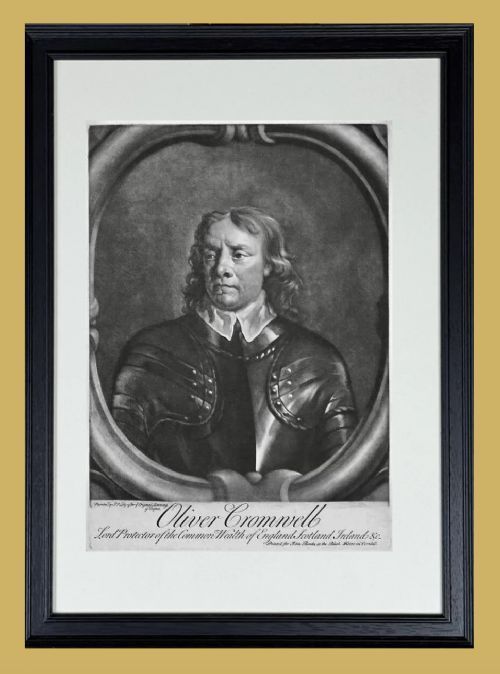
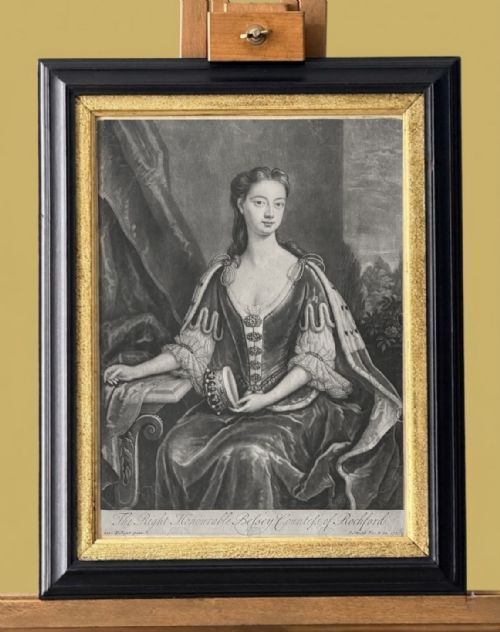
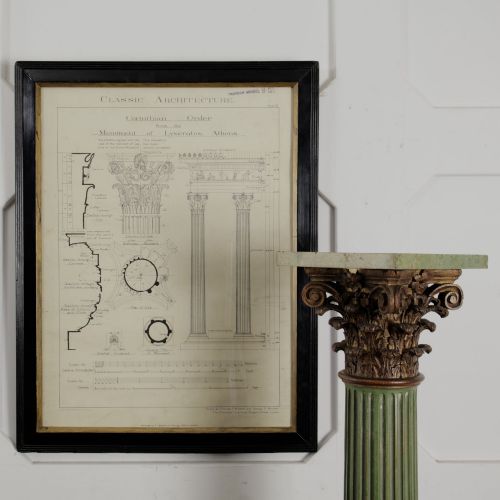
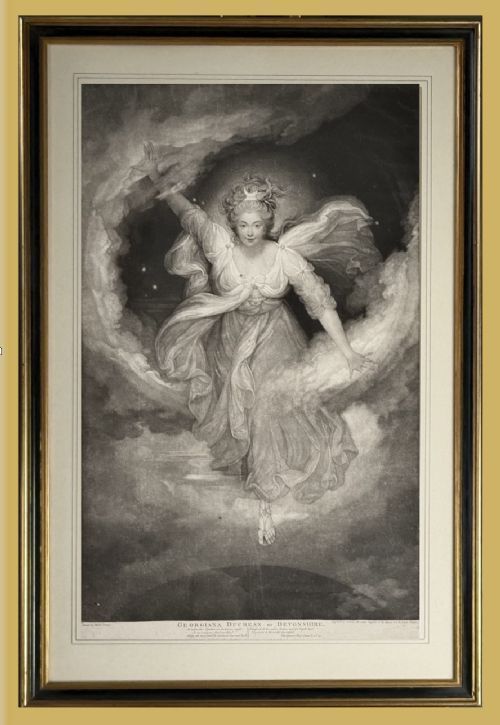
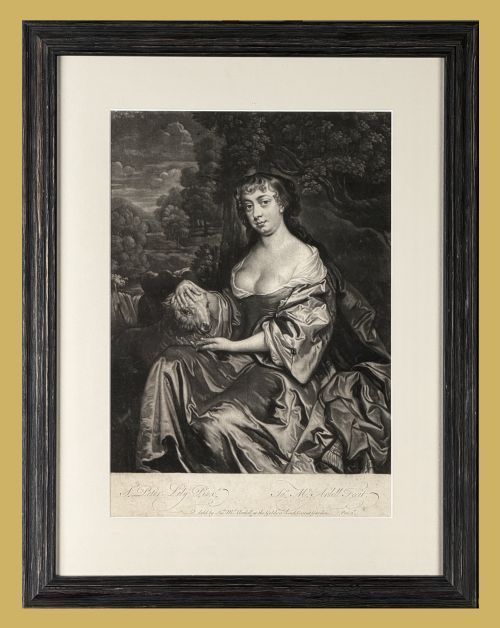
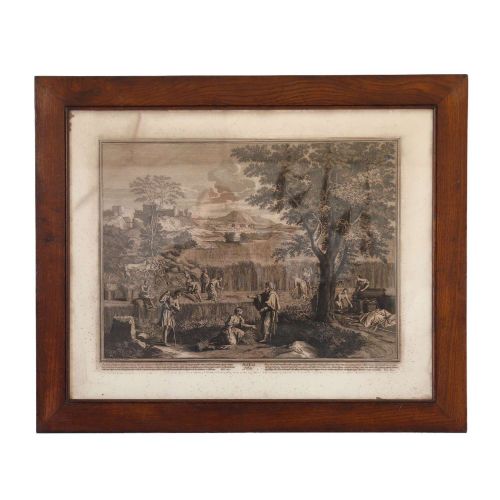
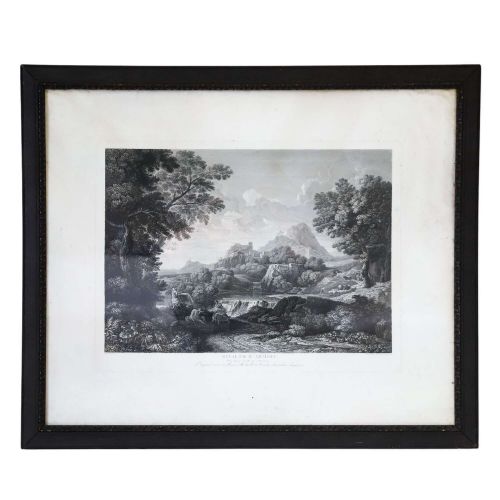
The selection on this page demonstrates strong representation of eighteenth-century and nineteenth-century output, alongside earlier seventeenth-century examples. Subjects range from classical architectural plates and biblical scenes to distinguished portraits after major painters.
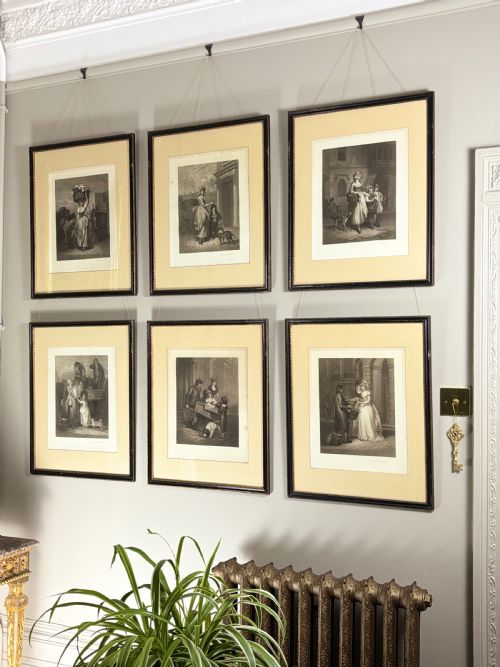
Framed presentation is standard, often utilising period timber frames and glass to protect the delicate paper substrates. Buyers frequently find sets, such as seasonal series, alongside individual plates carrying distinct art historical significance.
Materials and technique
Production relies upon paper sheets receiving impressions from inked blocks or plates, utilising dark monochrome pigments that create striking tonal contrasts. Wood, copper, and specialised engraving plates form the basis of the matrix.
Master printmakers applied ink to carved or etched surfaces before pressing the image onto paper under pressure. Finished works frequently incorporated gold leaf detailing or protective glass within timber frames.
Object types span framed prints, wall art, architectural plates, and engravings after classical painters.
Evaluating the range
Quality rests upon the crispness of the ink impression and the depth of detail preserved in the lines. Early impressions taken before the printing plate shows wear command greater respect.
The integrity of the paper substrate and the originality of the frame heavily influence the standing of a piece. Skilled execution by recognised engravers after master painters elevates the authority of the work.
John Bowles·John Smith·Valentine Green·James Macardell·Thomas G Appleton·Adolphe Pannemaker·Francesco Piranesi·Antonio Capellan·Alessandro Mocchetti
The Monochrome Wood Engraving Print Glossary
- Mezzotint
- A printmaking process where the copper plate is roughened to achieve rich dark tones and subtle tonal gradations. This technique allows for remarkably smooth transitions between light and shadow.
- Engraving
- A method of cutting lines directly into a metal plate or wood block to hold ink. The resulting impressions display sharp, precise definition.
- Etching
- A process where acid bites lines into a metal plate that has been protected by a resistant ground. Artists draw through the ground to expose the metal for the acid.
- Plate
- The hard surface, typically copper or wood, bearing the carved or etched design that transfers ink to paper. Plates show varying degrees of wear depending on how many impressions were pulled.
- State
- A stage in the development of a print as alterations are made to the plate. Collectors track these stages to determine the chronology of an impression.
Monochrome Wood Engraving Print: Frequently Asked Questions
How should I hang these prints?
Keep framed paper works away from direct sunlight to prevent fading of the ink and yellowing of the paper. Stable room humidity prevents the timber frames and paper substrates from warping.
Use appropriate wall anchors suited to the weight of the timber and glass assembly. Professional framing with acid-free backing boards helps preserve the print for decades.
Are these works original period pieces?
The listings comprise historic works originating from the seventeenth, eighteenth, and nineteenth centuries. Each piece reflects the printing technology and aesthetic standards of its specific era.
Examine the paper characteristics, plate marks, and framing materials to understand the age of the object. Documentation in the title usually indicates the century or specific year of production.
What subjects appear most often?
Portraits after established painters form a significant portion of the available inventory. These depict historical figures, nobility, and literary characters rendered in detailed mezzotint.
Architectural plates, hunting scenes, and biblical narratives also recur across the selection. Sets depicting allegorical themes, such as the seasons, occasionally surface together.
How do I care for antique paper?
Protect the surface by leaving the glass cover in place and avoiding direct contact with the paper. Dust the timber frames gently with a dry, soft cloth.
Consult a paper conservator if the mount requires attention or if foxing spots appear. Minimising exposure to environmental pollutants ensures the ink remains stable.