


Black White Paper Print
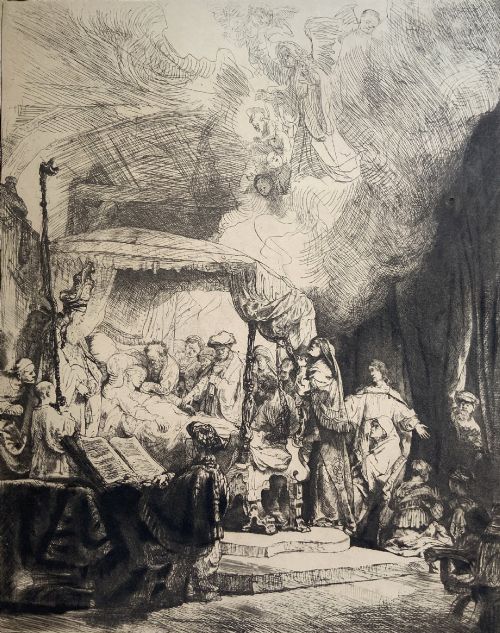
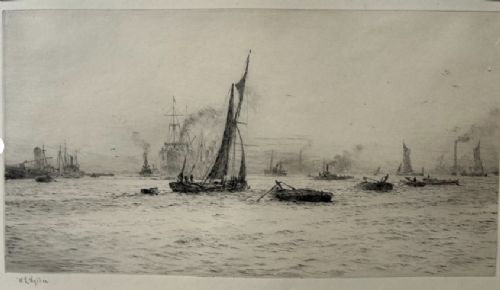
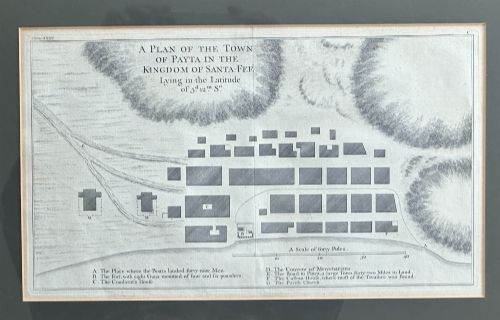
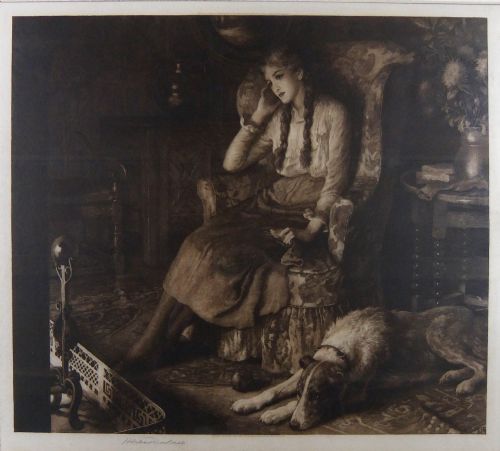
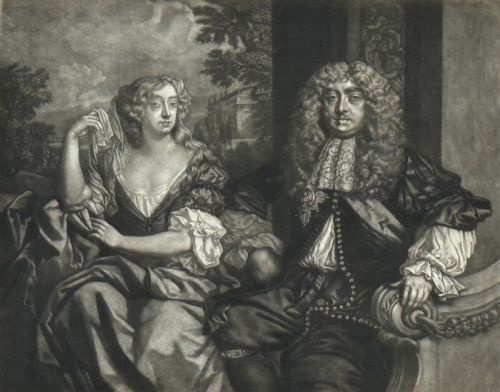
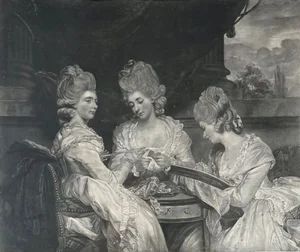
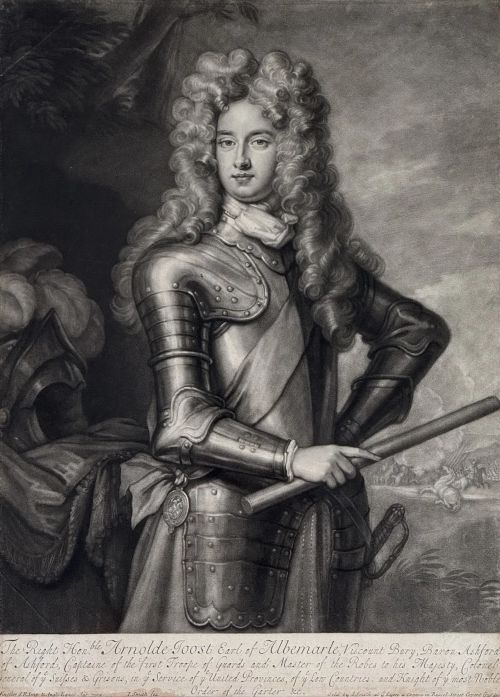
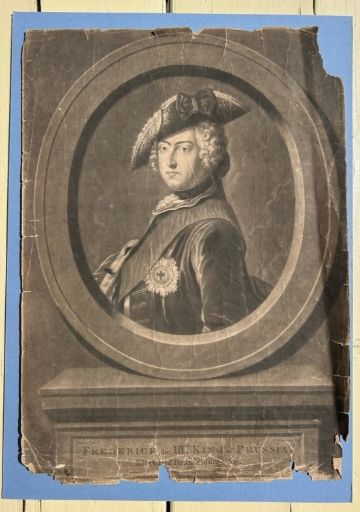
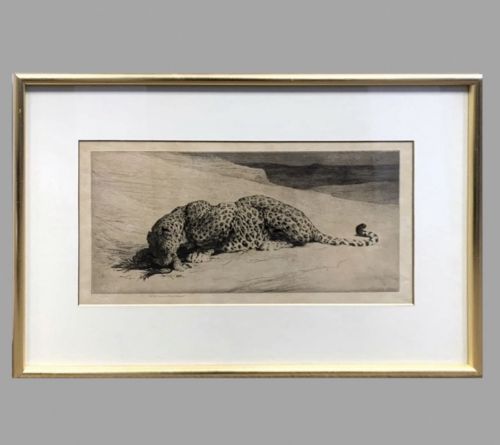
These black white paper print works encompass centuries of graphic skill, capturing historical portraits, detailed maps and classical scenes through ink on paper.
Black White Paper Print
A black white paper print selection gathers historic graphic works spanning from the seventeenth century through to the early twentieth century. Buyers encounter varied formats including framed prints, wall art, etchings and copperplate engravings alongside photographs.
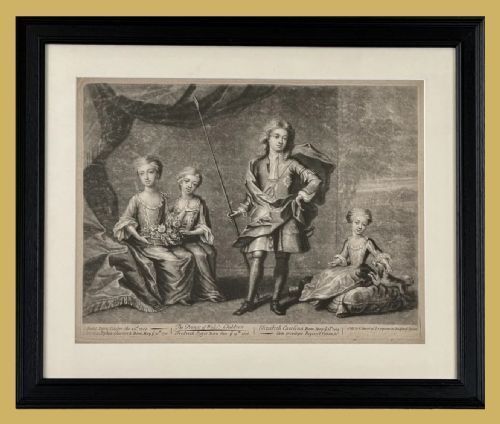
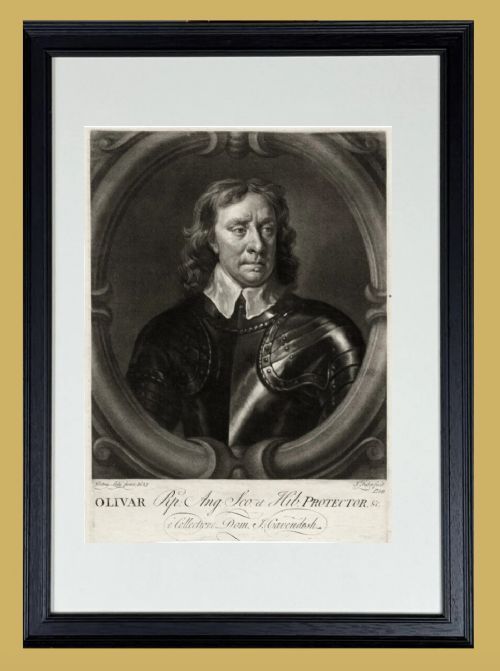
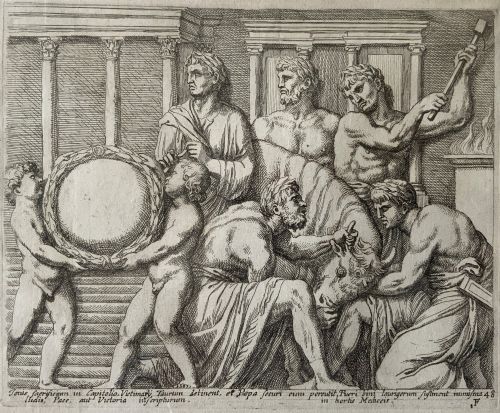
The material record ranges across distinct historical periods from the Baroque and Dutch Golden Age through Georgian, Victorian and Edwardian eras into Art Deco. Pieces frequently depict classical antiquity, portraits of notable figures, architectural studies and landscapes.
Subjects vary from detailed maps of global voyages to social satires and wildlife studies. Many works arrive presented in period frames constructed from wood, glass, gilt wood and gold leaf.
Materials and production
Makers utilised high-quality paper sheets as the primary surface for receiving detailed impressions transferred from prepared plates. Dark ink provides the monochromatic contrast central to etchings, mezzotints, lithographs and copperplate engravings.
Printmakers employed metal plates, carving lines directly or using acid baths to bite recesses for holding ink before pressing the design onto paper. Wood serves for both printing blocks and the construction of traditional frames enclosing the finished works.
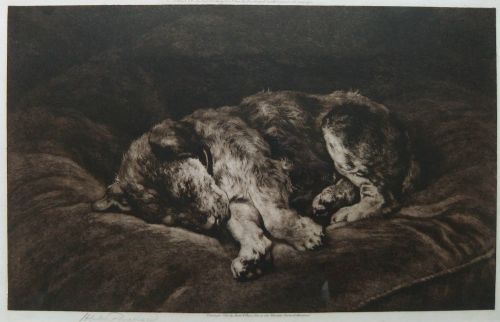
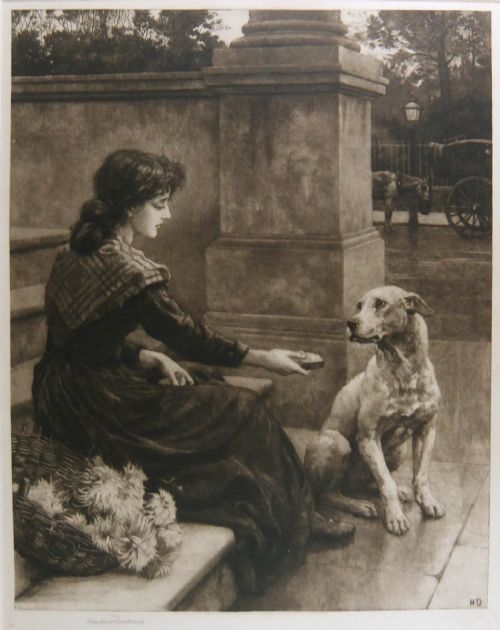
Visitors can inspect detailed black and white imagery ranging from historical maps to earnest canine portraits and vintage football posters.
Evaluating distinction
Quality rests upon the crispness of the ink impression transferred to the paper and the fidelity of the line work. Early impressions from a plate show sharper detail than later printings where the matrix has worn down.
The presence of artist signatures, original period framing using materials like gilt wood, and historical provenance elevate certain examples above standard decorative plates.
Herbert Dicksee·John Smith·William Lionel Wyllie·Richard Houston·Edgar J Maybery·Norman Janes
The Black White Paper Print Glossary
- Etching
- A print produced by using acid to cut into the unprotested parts of a metal plate to hold ink. Artists draw through a protective ground to expose the metal before the acid bath.
- Mezzotint
- A printmaking process where the copper plate is roughened entirely to produce dark tones, then smoothed selectively to create lighter areas. This technique achieves smooth tonal gradations without relying on line work.
- Copperplate engraving
- A method where an artisan cuts lines directly into a copper plate using a sharp steel tool called a burin. The resulting incisions hold the ink for transfer to paper under pressure.
- Lithography
- A planographic printing process based on the chemical repulsion of oil and water. An image is drawn on limestone or a metal plate with a greasy medium and takes up ink while blank areas repel it.
- Drypoint
- An intaglio printmaking technique where an artist scratches an image directly into a metal plate using a hard steel needle. The process raises a distinctive ridge of metal called a burr that holds extra ink during printing.
Black White Paper Print: Frequently Asked Questions
What is a mezzotint?
A mezzotint is an intaglio printmaking method where the printing plate is roughened evenly across its surface. This process allows the printer to achieve rich dark tones and subtle gradations of light.
Printers smooth specific areas of the plate to create highlights. The resulting works are known for their velvety richness and tonal depth.
How do I care for antique paper prints?
Antique prints require protection from direct sunlight to prevent the ink and paper from fading over time. Stable humidity levels ensure the paper does not warp or develop mould.
Framing with glass helps shield the delicate surface from dust and atmospheric pollutants. Acid-free mounts prevent discoloration of the margins.
How are etchings signed?
Many fine art etchings feature signatures written directly in pencil by the artist in the lower margin below the image. Pencilled signatures confirm the creator approved the specific proof pulled from the plate.
Some historical prints include signatures incorporated directly into the printing plate itself during production. Limited edition numbers often accompany the artist's handwritten signature.
What is a copperplate engraving?
A copperplate engraving involves manually cutting lines into a flat metal sheet using a sharp tool. The ink settles into these carved grooves before the paper is pressed against the plate.
This technique produces fine, precise lines that define detailed architectural drawings and portraits. The method was widely adopted for book illustrations and mapmaking.