




Cream Paper Copperplate Print
These cream paper copperplate print works bring centuries of fine engraving and cartography into your home, offering classical architecture and historic maps.
Cream Paper Copperplate Print
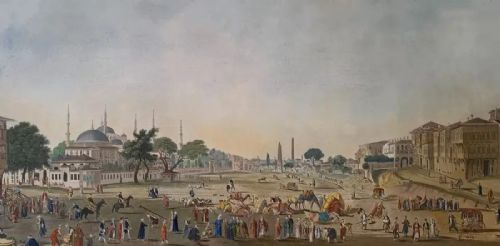
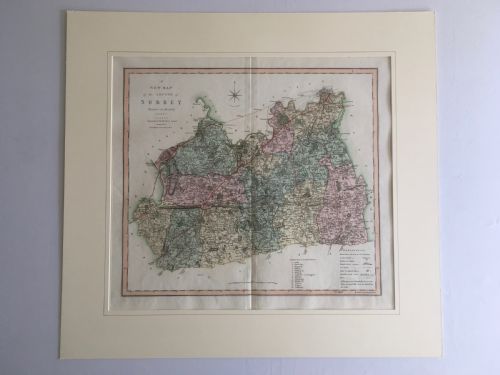
When you search for cream paper copperplate print, you encounter historic engraved plates, botanical illustrations, and detailed regional maps spanning several centuries. The pieces on this page originate primarily from the seventeenth, eighteenth, and nineteenth centuries, taking the form of framed wall art, architectural elevations, and atlas plates.
The version you are most likely to meet here is an eighteenth-century architectural or mythical engraving, frequently connected to the antiquities of Athens or classical deities. These works present structured compositions on aged paper, reflecting Georgian tastes and neoclassical aesthetics through fine ink lines.
Materials and technique
The foundation of these works relies on paper and cardboard substrates, often paired with ink, watercolour, and occasional gold leaf. Artisans impressed metal plates into dampened sheets, transferring fine lines produced through copperplate engraving and aquatint methods.
Framed examples utilise wood and glass to protect the delicate paper surfaces from environmental damage. Select botanical prints incorporate hand-applied watercolour over the printed ink lines to enhance the natural subjects.
Several plates depict winged Greek and Roman gods keeping watch over ancient towers and architectural ruins.
Distinguishing quality
Quality in these engravings rests upon the crispness of the plate impression and the preservation of the paper substrate. Strong, deep strikes retain fine architectural details and sharp lettering, whereas worn plates yield blurred lines.
The presence of contemporary hand colouring and the original condition of the cream paper further elevate a piece. Provenance linked to notable master engravers or established atlases distinguishes the finest examples from standard topographical sheets.
Anton Ignaz Melling·W. Collard·Joan Blaeu·Charles Paillasson·James Basire·Giovanni Ottaviani·C. Smith·George Dionysius Ehert
The Cream Paper Copperplate Print Glossary
- Copperplate engraving
- A intaglio printmaking technique where an artist cuts lines into a copper sheet with a sharp tool. Ink is applied into these grooves and transferred under pressure to paper.
- Aquatint
- A variant of etching that produces tonal areas resembling watercolours rather than sharp lines. It uses powdered resin dusted onto the plate before acid biting.
- Cartography
- The study and practice of making maps. Antique examples often feature hand-coloured borders and decorative cartouches.
- Neoclassical
- A style reviving classical antiquity during the eighteenth and nineteenth centuries, heavily influencing architectural and mythological prints.
Cream Paper Copperplate Print: Frequently Asked Questions
How should I frame an antique print?
Protect the paper by using acid-free mount board and UV-filtered glass to prevent fading and discolouration over time.
Keep the framed work away from direct sunlight and damp environments to preserve the integrity of the cream paper and ink.
What is a copperplate engraving?
It is an intaglio printmaking method where ink sits within incisions made in a metal plate, transferred to paper under high pressure.
This technique allows for exceptional detail, which explains why architectural plates and regional maps remain remarkably crisp.
How do I identify eighteenth-century prints?
Look for watermark evidence in the paper stock, plate marks around the printed image, and typography typical of the period.
The subject matter, such as classical architectural studies or period cartography, also points directly to the Georgian era.
Are these prints hand-coloured?
Certain botanical and cartographic examples feature delicate hand-applied watercolour over the initial monochrome ink printing.
Examination under magnification often reveals the subtle brushstrokes that distinguish applied pigment from printed colour.