




18th Century Architectural Print
An 18th century architectural print brings neoclassical grandeur and classical proportion to a wall, capturing ancient ruins and grand buildings through precise lines.
18th Century Architectural Print
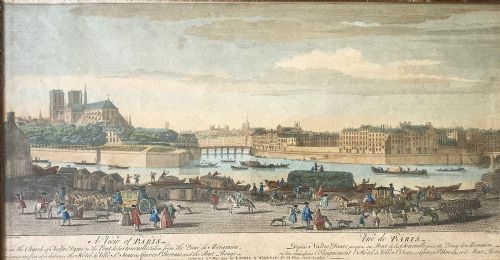
When searching for an 18th century architectural print, collectors look at original engravings and etchings depicting classical buildings, temples, and antiquities from Athens, Rome, and the Vatican. These works record the physical structures and decorative schemes studied by travellers on the Grand Tour, translating massive stone monuments into detailed paper sheets.
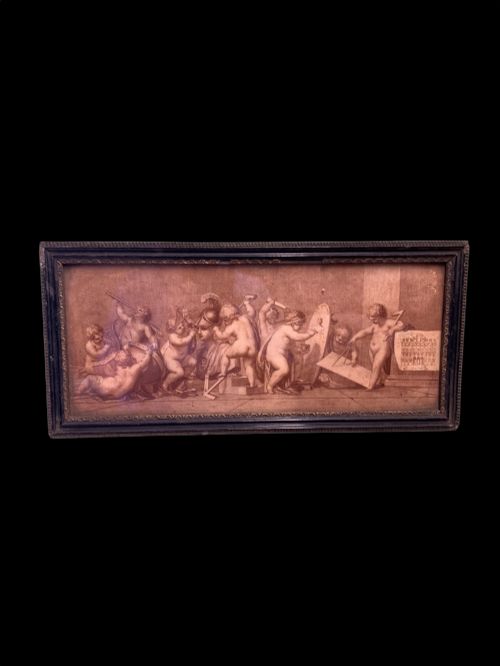
The material available on this page centres heavily on Georgian and Neoclassical plates, including subjects like the Antiquities of Athens and Raphael's Vatican Loggie. Alongside individual plates, buyers find sets and pairs showing elevations, prospects, and sculptural details framed in wood, gilt wood, or glass.
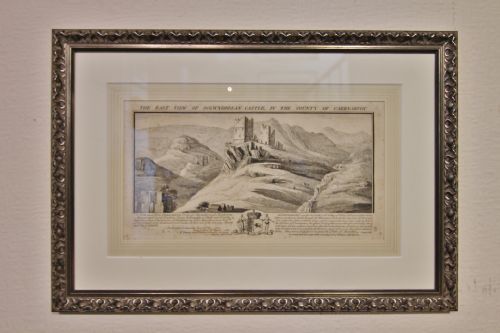
Subjects range from precise architectural elevations of temples and cathedrals to theatrical views of ruins populated by figures. The forms span simple paper prints ready for mounting to framed artworks finished with gold leaf, paint, and glass protection.
Variations in Quality
Quality rests upon the crispness of the impression pulled from the metal plate and the precision of the original draughtsmanship. Early impressions retain sharp, deep lines that reveal intricate details in masonry and figures, whereas worn plates yield softer, blurred imagery.
The vibrancy and precision of original hand colouring elevate certain plates, distinguishing skilfully tinted sheets from monochrome equivalents. The quality of the accompanying framing, particularly period gilt wood and glass preservation, alters the overall presentation of the artwork.
Listings feature paper works from the eighteenth century, encompassing both monochrome impressions and plates with original hand colouring.
Francesco Piranesi·Giovanni Ottaviani·James Basire·Edward Rooker·William Marlow
The 18th Century Architectural Print Glossary
- Engraving
- A printmaking technique where an artist cuts lines directly into a metal plate with a sharp tool called a burin. This method produces crisp, precise lines capable of rendering fine architectural details.
- Etching
- A process where acid bites into metal protected by a wax ground to form the design lines. It allows for free-flowing draughtsmanship well suited to classical ruins and figures.
- Neoclassical
- A style spanning the mid to late eighteenth century that drew inspiration from the classical art and culture of ancient Greece and Rome. It dominates the architectural subjects and decorative motifs of this period.
- Grand Tour
- A traditional trip through Europe undertaken by upper-class European young men of the period to absorb classical culture. Travellers frequently purchased prints of temples, statues, and monuments as tangible records of their journey.
- Gilt Wood
- Wood treated with gold leaf or a gold-toned metallic finish. Frames constructed in this manner provide a reflective border suited to classical engravings.
18th Century Architectural Print: Frequently Asked Questions
How should I frame an old architectural engraving?
Protect the paper by using acid-free mounts and conservation-grade materials behind glass to prevent atmospheric damage. Keeping the work away from direct sunlight preserves both the paper ground and any original hand colouring.
Matching the period character of the print with a simple wooden or gilt frame enhances the classical aesthetic without overwhelming the fine ink lines.
What subjects appear most often in these prints?
The subjects focus heavily on classical antiquities, including Greek and Roman temples, columns, statues, and architectural elevations. Views of ancient sites in Athens and Rome, alongside Vatican frescoes, reflect the predominant tastes of the period.
Prospects of British and European cities, cathedrals, and castles also appear, documenting contemporary architecture and historic ruins.
How do I distinguish an engraving from a lithograph?
Engravings display sharp, indented lines where the metal plate pressed into the damp paper under heavy pressure. Under magnification, the ink sits within fine grooves rather than resting flat on the surface.
Lithographs, which emerged later in the period, rely on a chemical printing process from a flat stone surface, resulting in a smoother, less indented appearance.
Why do some prints feature hand colouring?
Publishers and owners frequently added watercolour washes by hand to make the black-and-white plates more decorative and lifelike. This technique highlighted specific elements like garments, skies, or botanical details against the architectural background.
Hand colouring transforms a technical architectural record into a vivid piece of wall art suitable for display.