


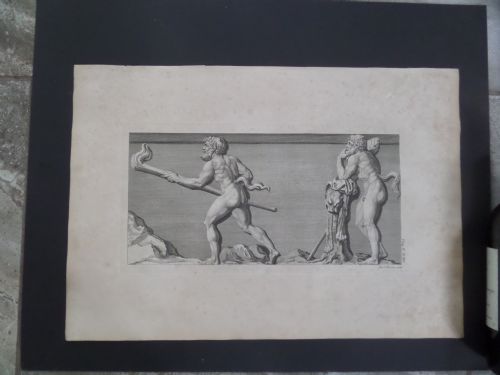
Classical Relief Engraving
These classical relief engraving works capture ancient mythology and neoclassical design through detailed paper and ink plates.
Classical Relief Engraving
When you search for classical relief engraving, you encounter eighteenth and nineteenth-century works focused on Greek gods, mythological scenes, and architectural antiquities. These prints record ancient sites and mythical figures with striking clarity.
The selections here range from large structural studies of Athens to intimate portraits and silver gilt snuff boxes depicting mythological scenes like Venus. Most pieces stem from the eighteenth century, dominated by detailed plates depicting satyrs and deities.
Collectors find works mounted behind glass in gilt wood frames alongside functional items such as sterling silver boxes inset with engraved plaques. Each piece offers a direct view into neoclassical taste and antiquarian scholarship.
How they were made
Makers applied ink to engraved plates, pressing the design onto high quality paper to record fine lines and subtle shading. This traditional printmaking method produced sharp architectural details and expressive figures.
Metalwork pieces combined sterling silver and silver gilt to mount miniature engraved scenes, requiring skilled metal shaping and precise fitting. Gilt wood frames provided a formal border for large paper plates intended for display.
Zephyros and Boreas appear on these ancient winds, blowing architectural secrets across eighteenth-century paper.
What varies in quality
The preservation of the paper, the depth of the metal relief work on boxes, and the quality of the original framing elements influence the overall character of each surviving piece.
James Basire·Edward Rooker·J. Brown
The Classical Relief Engraving Glossary
- Engraving
- A printmaking technique where an artist cuts a design into a metal plate with a sharp tool to hold ink. The resulting plate produces sharp lines on paper.
- Silver gilt
- Silver covered with a thin layer of gold, providing a rich warm finish. This material appears on decorative snuff boxes.
- Neoclassical
- A style drawing inspiration from the classical art and culture of ancient Greece and Rome. It dominates the architectural and figural subjects seen in these plates.
- Antiquities
- Relics and physical remains from ancient civilisations, particularly Greece and Rome. Eighteenth-century publications often documented these sites through detailed engravings.
Classical Relief Engraving: Frequently Asked Questions
What subjects appear in these engravings?
The subjects focus on Greek gods, mythological creatures such as satyrs, and architectural antiquities from Athens. Plates often depict classical deities alongside theatrical portraits and historical scenes.
These designs reflect the eighteenth-century enthusiasm for classical archaeology and ancient Greek culture.
How were these prints originally used?
Large engravings served as scholarly illustrations documenting the antiquities of Athens, often bound in folios or framed for display. Smaller engraved plaques decorated functional items like sterling silver snuff boxes.
They allowed educated owners to display their knowledge of classical art and mythology within domestic interiors.
How do I care for framed paper prints?
Keep paper prints away from direct sunlight to prevent the ink and paper from fading over time. Maintain stable indoor humidity levels to protect both the paper and the wooden frames.
Displaying them behind glass safeguards the delicate surface from dust and atmospheric moisture.
How do I distinguish eighteenth-century plates?
Eighteenth-century examples often feature watermark papers, distinct plate marks, and specific engraver credits such as James Basire. The subject matter typically centres on architectural surveys of Athens and neoclassical myth.
Nineteenth-century pieces shift towards portraiture and Victorian interpretations of classical themes.