



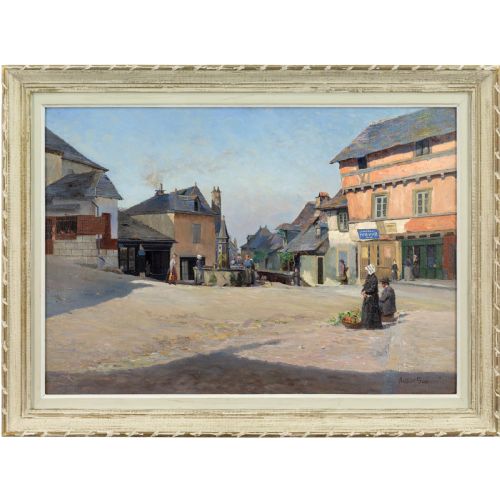
Original Impressionist Oil Painting
When you search for an original impressionist oil painting, you find works capturing light and atmosphere across canvas and board from the nineteenth century onwards.
Original Impressionist Oil Painting
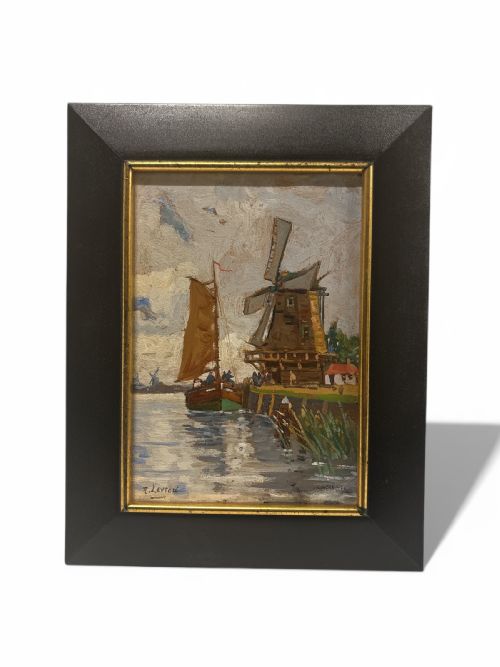
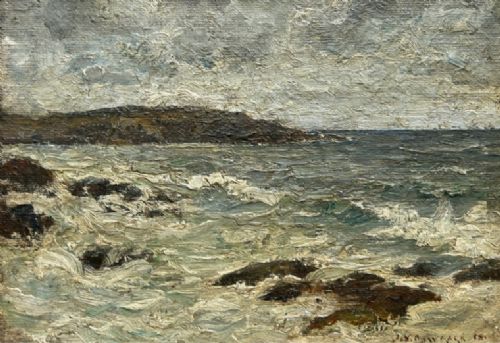
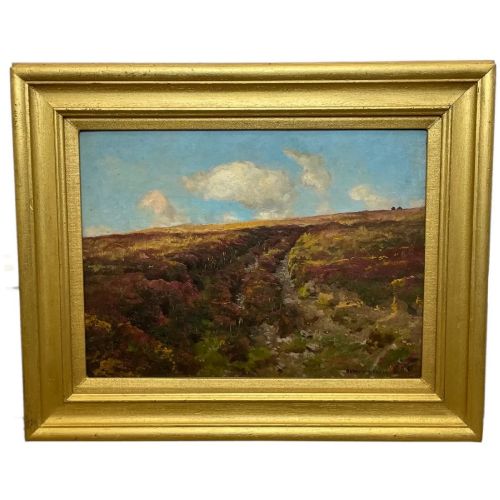
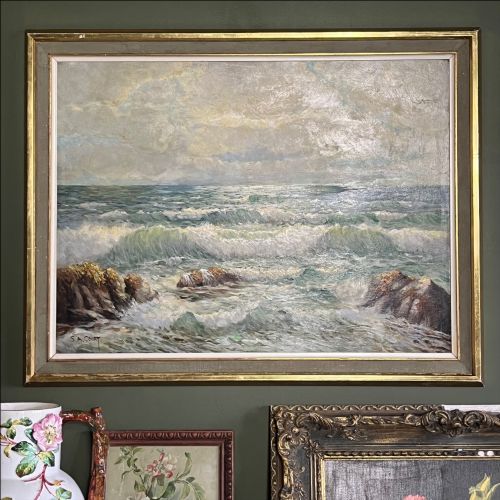
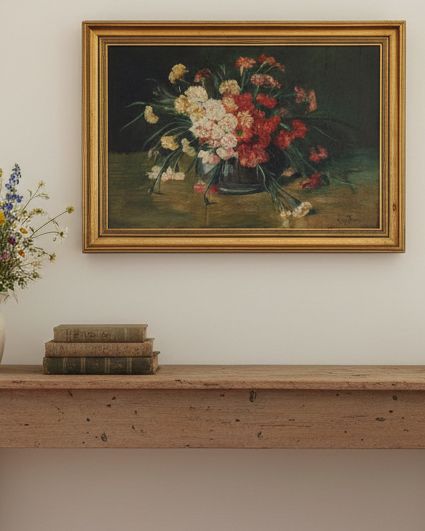
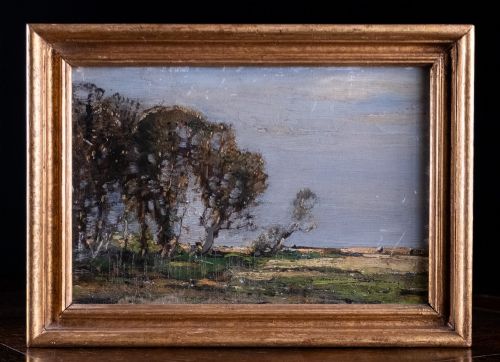
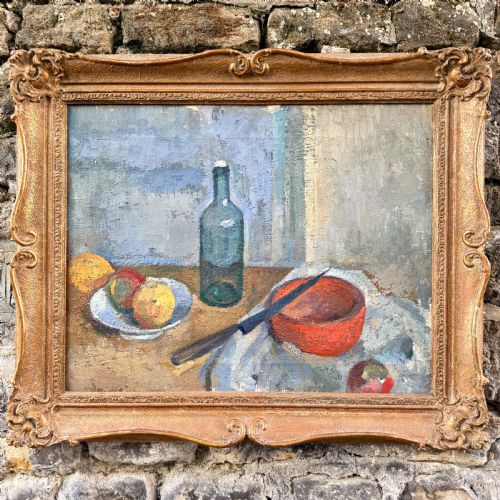
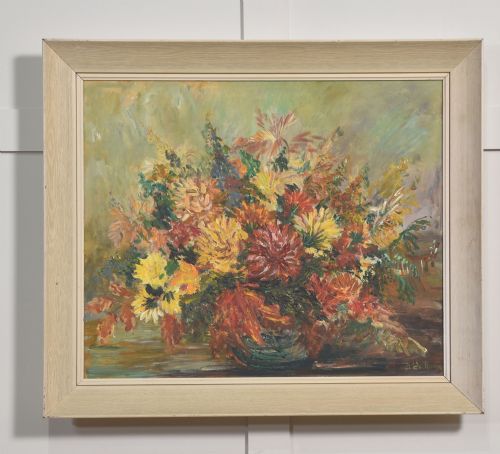
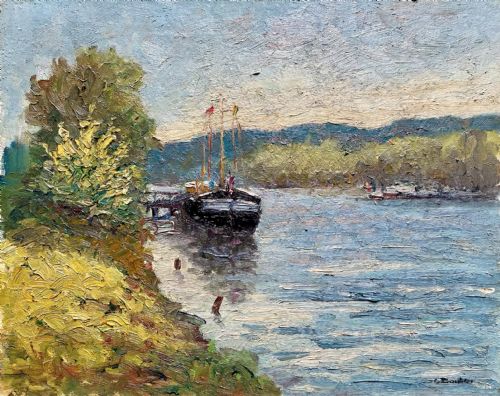
An original impressionist oil painting records light, colour, and movement through visible brushwork applied directly to canvas, wood, or board. These works capture specific moments in time, from marine landscapes and quiet farmyards to bustling city streets and floral still lifes.
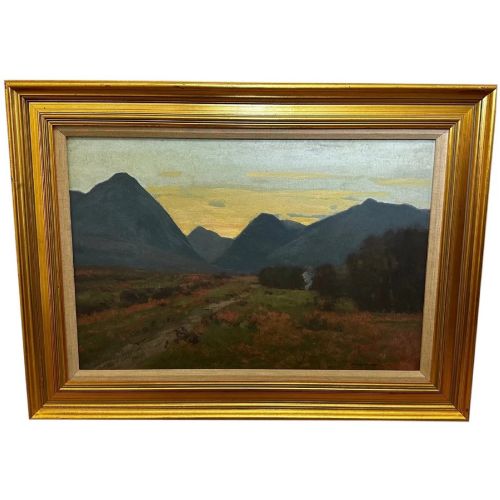
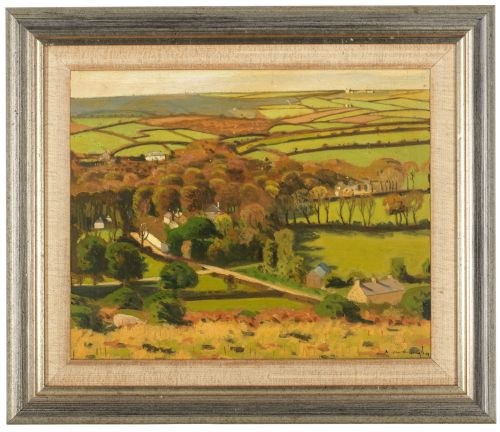
You are most likely to meet pieces originating from the late nineteenth century through to the mid-twentieth century, including British Impressionism, Post-Impressionism, and Modern British examples. Landscapes depicting coastal scenes, rivers, and country gardens appear frequently across the selection.
Compositions often rely on en plein air techniques where artists painted outdoors to capture natural illumination directly. Subjects range from French and Belgian views to Cornish coastlines and domestic interiors.
How they were made
Artists built these works using oil paint applied to prepared surfaces such as stretched canvas, wooden panels, or rigid board. Thick impasto techniques allowed pigments to stand proud of the surface, creating physical texture that catches the light independently.
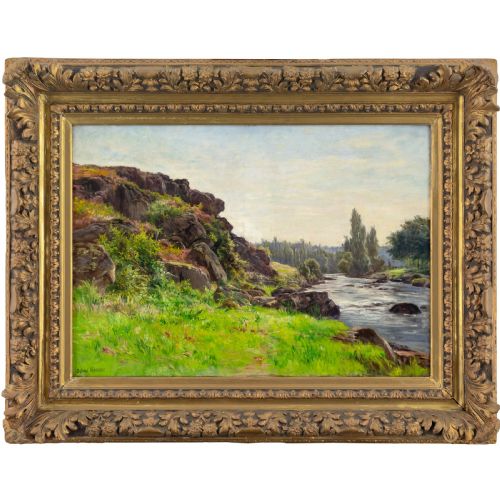
Framing often incorporates period gilt wood mouldings that complement the palette and depth of the canvas. Pigments were manipulated with brushes and palette knives to emphasise speed of execution and atmospheric effect.
Original Impressionist Oil Painting Retail Price Guide 2026
Typical asking prices for original impressionist oil painting among the pieces listed under this phrase on Sellingantiques today, from the lower quarter to the upper quarter. They describe what is for sale here now, not the wider market.
Listings feature works spanning the nineteenth century, the Edwardian era, and mid-century modern movements on canvas, wood, and board.
What varies in quality
Quality rests in the confidence of the brushwork and the artist's command of tonal relationships within the chosen palette. Stronger works demonstrate a deliberate handling of light and shadow that unifies the entire composition rather than relying on strict photographic detail.
The sensitivity of the colour harmony and the preservation of the original paint surface define the standing of each piece. Superior examples maintain structural integrity in the support, whether canvas or board, alongside harmonious framing.
George Graham·Clifford Hanney·Arthur Wardle·Eugène-Louis Gillot·Sidney A. Court·Kershaw Schofield·George Houston·D. L. Williams·Robert Morson Hughes·Gabriel Mathieu·Arthur Gué·G. J. S. Bary·Charles Houben·Antonio DeVity·Clive Browne·Konstantin Stoitzner·Lucy Pratt·Ethel Sands·Francisco Sancha·Cyril Walduck Edwards·Herbert Ashwin Budd·Eric Brown·Gladys Marguerite Baker·Henri Ottmann·Ernest Higgins Rigg
The Original Impressionist Oil Painting Glossary
- Impasto
- Paint applied thickly to a canvas or board so that it stands out from the surface. This technique allows brush or palette knife marks to retain their physical texture.
- En plein air
- The practice of painting outdoors directly from the subject. This approach enables the artist to record shifting natural light and weather conditions instantly.
- Post-Impressionism
- An artistic movement extending impressionist methods while rejecting its limitations. Practitioners emphasised symbolic content, formal order, or heavier structural brushwork.
- Gilt
- A thin layer of gold or gold-coloured material applied to frame mouldings. This finish enhances the visual boundary of the painting.
- Board
- A rigid flat panel used as a support for oil paint instead of stretched canvas. Artists frequently utilised these for smaller outdoor studies.
Original Impressionist Oil Painting: Frequently Asked Questions
How do I identify an impressionist landscape?
Impressionist landscapes are characterised by loose, visible brushstrokes and an emphasis on natural light rather than precise topographical detail. Painters often recorded fleeting atmospheric effects outdoors.
Subjects frequently include rivers, coastal views, and countryside scenes rendered with vibrant colour contrasts and varied surface textures.
What is the difference between canvas and board supports?
Canvas is woven fabric stretched across a wooden frame, providing slight give and a traditional textured ground for oil paint. Board is a rigid wooden or composite panel that offers a completely stable and solid foundation.
Artists often chose board for smaller works painted quickly outside, while larger formal compositions typically utilised stretched canvas.
Where were most of these paintings created?
Works originate from studios and outdoor locations across Britain, France, Belgium, Italy, and Austria. Artists travelled widely to capture specific coastal and rural environments.
Regional schools developed distinct palettes and handling techniques suited to local light conditions.
How should I care for an oil painting?
Keep paintings away from direct sunlight, high humidity, and rapid temperature fluctuations to protect the paint layer and wooden supports. Dust the surface gently with a soft, dry brush when needed.
Avoid using liquid cleaners or touching the pigment directly with bare hands to prevent chemical and physical damage.