

Victorian Pastoral Oil Artwork
A victorian pastoral oil artwork brings the quiet rhythm of the nineteenth-century countryside into a room through oil on canvas.
Victorian Pastoral Oil Artwork
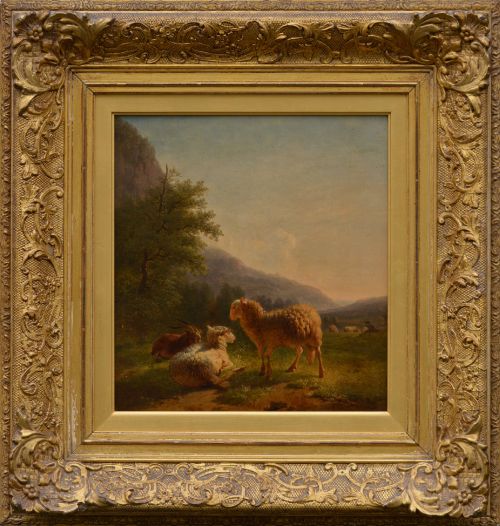
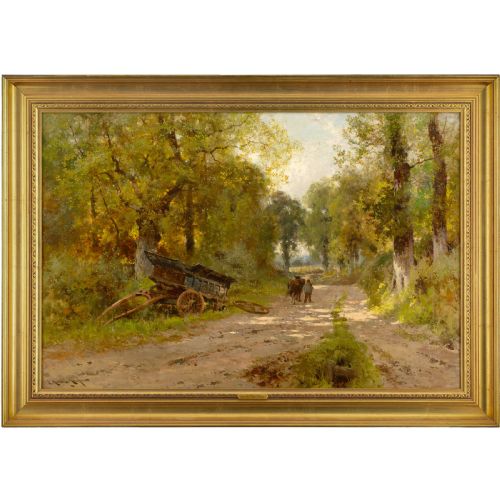
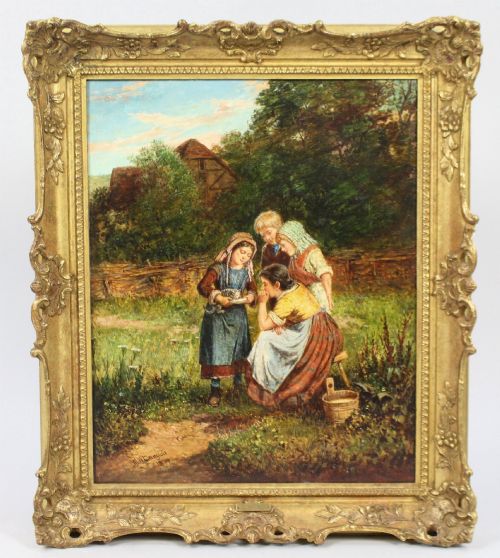
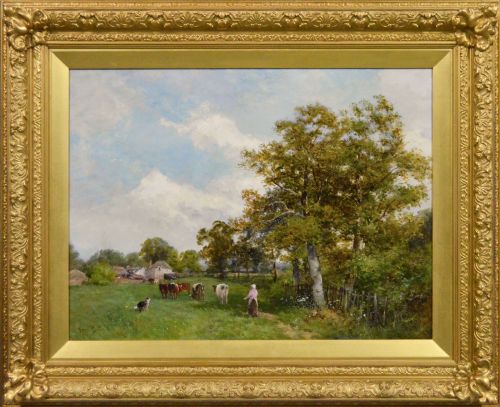
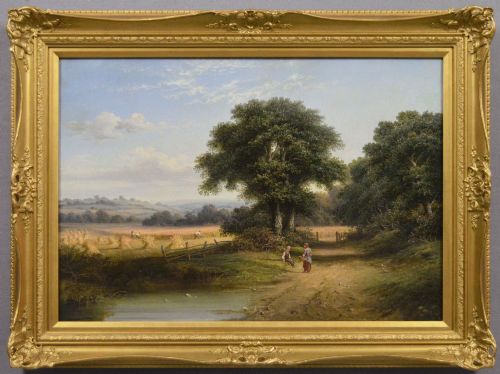
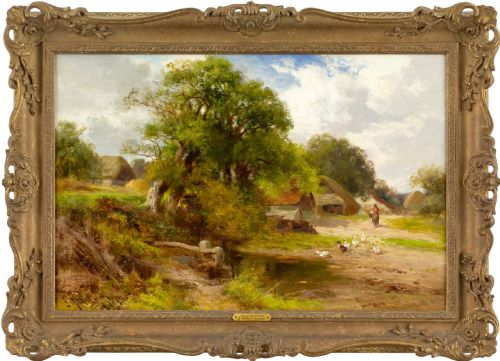
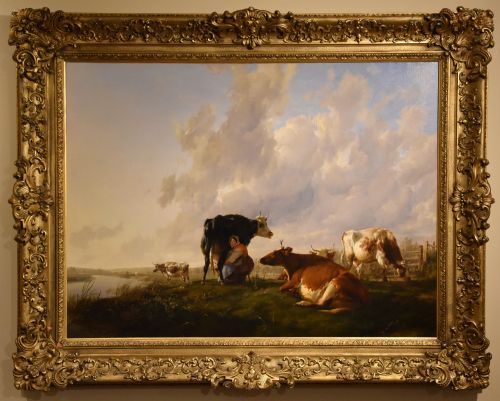
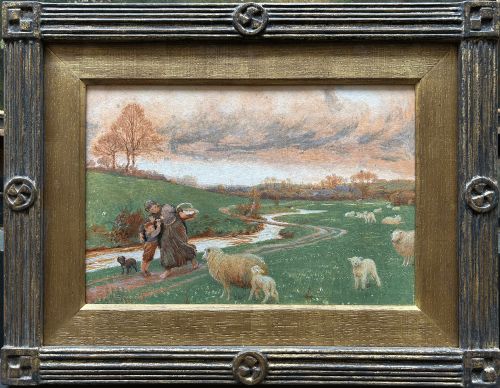
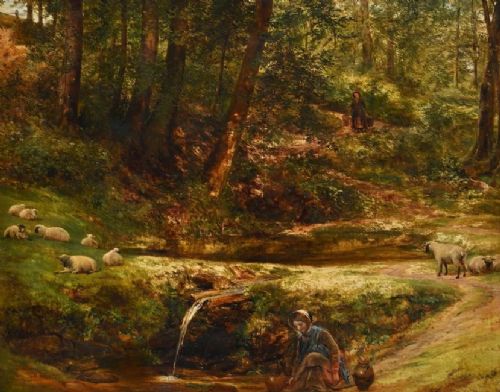
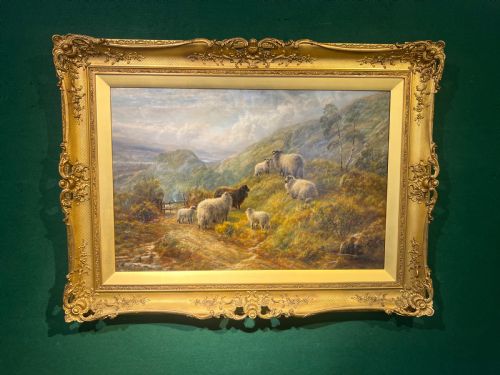
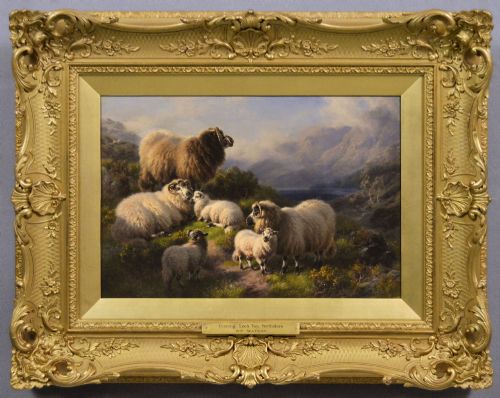
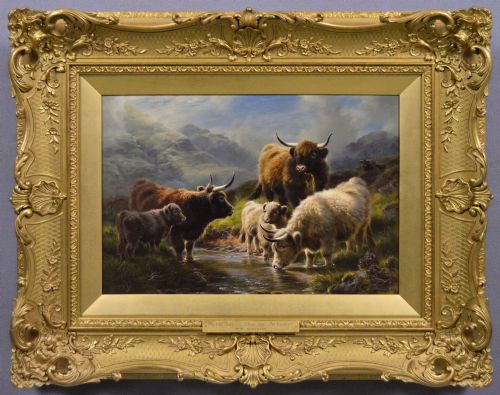
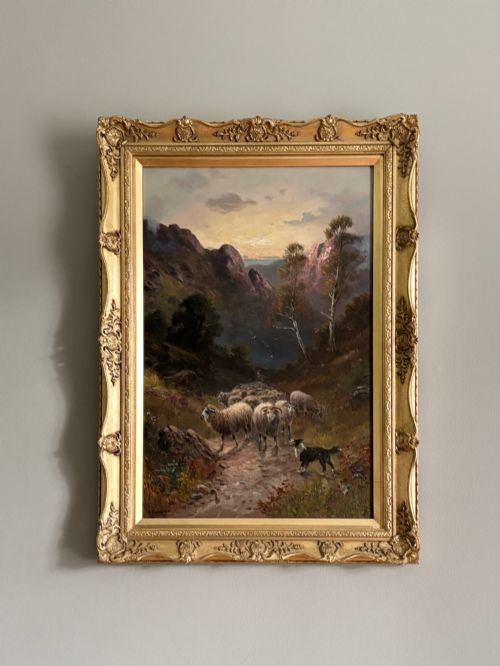
Victorian pastoral oil artwork captures rural life, agricultural landscapes, and domestic animals across the nineteenth century. These paintings depict shepherds, milkmaids, herds of cattle, and grazing sheep within British and European settings.
The version most commonly encountered on this page is the framed oil on canvas created during the Victorian era. These pieces frequently combine landscape scenery with detailed animal portraits or rural figures.
How They Were Made
Artists applied oil paint onto stretched canvas, utilising the slow drying time to blend tones and build texture across the landscape. Substantial wooden stretchers supported the fabric while layers of pigment built up the pastoral scenes.
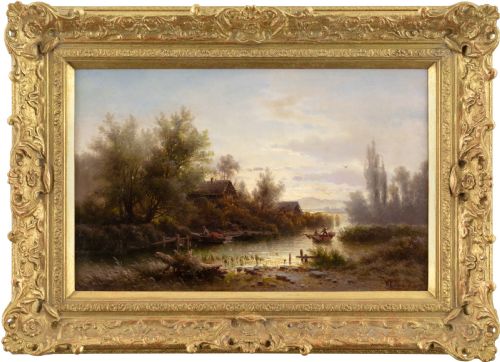
Many surviving pieces retain their original gesso and giltwood frames, which use moulded plaster over wood to create decorative gilded borders. These frames were designed specifically to complement the depth and palette of the oil paintings.
Victorian Pastoral Oil Artwork Retail Price Guide 2026
Typical asking prices for victorian pastoral oil artwork among the pieces listed under this phrase on Sellingantiques today, from the lower quarter to the upper quarter. They describe what is for sale here now, not the wider market.
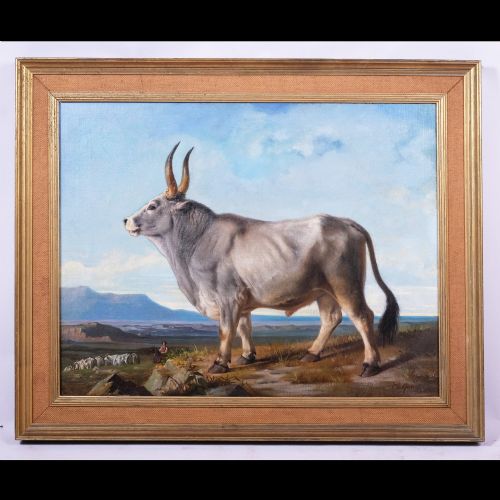
Cattle paintings occasionally record the exact prize-winning girth of a prized shorthorn bull for posterity.
What Varies in Quality
Quality rests upon the artist's ability to render anatomical precision in animals and natural light across the landscape. Skilled brushwork distinguishes animated livestock and expressive figures from stiff or formulaic compositions.
The preservation of the original paint surface and the condition of the canvas support dictate the longevity of the piece. Intricate giltwood frames with original gilding also elevate the overall standing of an artwork.
Eugène Verboeckhoven·John Horace Hooper·Mark William Langlois·David Bates·Walter Heath Williams·Thomas Sidney Cooper·Frederick Walker·Richard Redgrave·Robert Watson·Albert Rieger·William Watson Jnr·Douglas Cameron·Johann Friedrich Voltz·Henry H Parker·John Emms·A M Gauci·William Henry Mander·Thomas Baker·Franz van Severdonck·Alfred Augustus Glendening Jnr·William Sydney Cooper·Samuel Joseph Clark·George Vicat Cole·Andre de Moller·Robert John Hammond
The Victorian Pastoral Oil Artwork Glossary
- Oil on Canvas
- Pigment mixed with drying oil applied to a woven fabric support. This material combination defines the primary medium for these nineteenth-century paintings.
- Gesso
- A plaster mixture applied to wood before gilding. This substance forms the smooth base for decorative elements on antique frames.
- Giltwood
- Timber coated with gold leaf or metallic powder. This material provides the ornate framing typical of Victorian fine art.
- Barbizon Influence
- A style reflecting French landscape traditions focused on direct observation of nature. This approach shaped the atmospheric quality found in several British rural scenes.
- British School
- A classification for artists trained or working within Britain. This grouping includes regional landscape and animal painters of the Victorian period.
Victorian Pastoral Oil Artwork: Frequently Asked Questions
Where were these paintings displayed?
Victorian households traditionally hung these rural scenes in formal reception rooms and parlours. The artworks served to bring orderly representations of agricultural life into urban domestic interiors.
Today, these pieces suit living rooms, studies, and hallways where traditional lighting highlights the oil medium and gilded frames.
How do I identify a Victorian pastoral painting?
Look for characteristic subjects such as herds of cattle, sheep grazing near rivers, and figures tending farmland. The palette typically relies on earthy tones and natural light reflecting nineteenth-century realism.
Examining the canvas texture, stretcher construction, and framing style provides further confirmation of nineteenth-century origin.
Did artists paint these from life?
Painters frequently sketched outdoors in the countryside before completing the final compositions within a studio. This practice allowed them to capture accurate lighting and topographical details of specific British and European regions.
Studio work then refined the textures of animal coats and landscape foliage using layered oil paints.
How do I care for an oil painting?
Keep the artwork away from direct sunlight and steady temperature fluctuations to protect the canvas and oil pigments. Dust the surface gently with a soft, dry brush without applying pressure to the paint layers.
Ensure the antique frame is securely hung to prevent strain on the wooden structure and gesso ornament.