







Vintage Irish Artwork
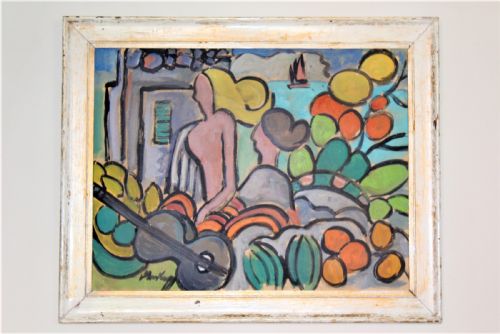
These vintage irish artwork pieces bring character to a room through oil, watercolour, and paper works spanning the nineteenth and twentieth centuries.
Vintage Irish Artwork
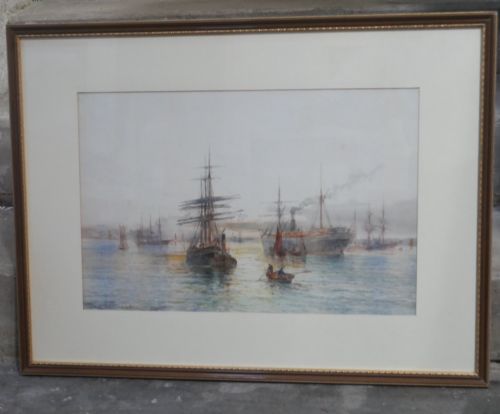
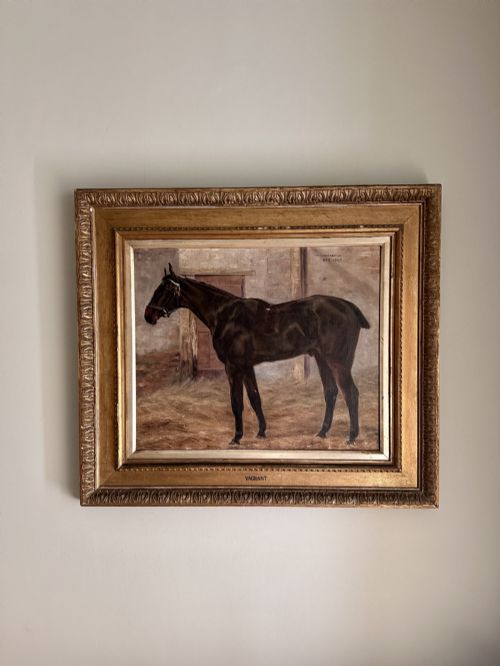
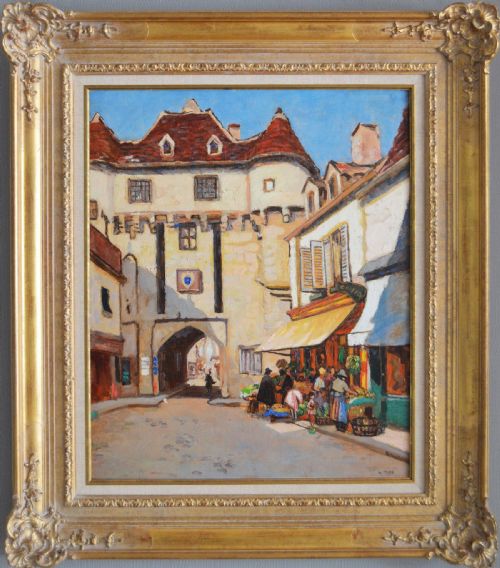
When you search for vintage irish artwork, you find a selection of oil paintings, watercolours, prints, and engravings dating from the nineteenth century through the mid-twentieth century. The selection includes rural landscapes, equine portraits, village life scenes, and coastal views.
You are most likely to meet twentieth-century watercolours and mid-century oil paintings on board or canvas, alongside nineteenth-century sporting and maritime works. Many pieces arrive framed and ready to hang on the wall.
The subjects range from Connemara hills and County Wicklow landscapes to Dublin Bay harbour scenes and working setter dogs. Styles span from traditional realism and Victorian sporting art to mid-century impressionism and the twentieth-century Irish school.
Materials and techniques
Artists worked primarily with oil paint on canvas or board, and watercolour on paper, often framing the finished pieces in wood and gilt surrounds. Engravings and original prints also feature among the works on paper.
The physical application relies on traditional brushwork, whether capturing the fine detail of an equine portrait or the looser strokes of mid-century impressionist landscapes.
Vintage Irish Artwork Retail Price Guide 2026
Typical asking prices for vintage irish artwork among the pieces listed under this phrase on Sellingantiques today, from the lower quarter to the upper quarter. They describe what is for sale here now, not the wider market.
The listings span the nineteenth century through the nineteen-sixties, incorporating wood, paper, oil, watercolour, glass, and gilt materials.
Quality variations
Quality rests upon the skill of the hand and the clarity of the composition, distinguishing accomplished regional works from standard decorative pieces. The strength of the brushwork and the preservation of the surface material govern the standing of each piece.
Named artists and documented provenance elevate certain works, while unsigned or attribution-uncertain pieces rely entirely on their visual impact and condition.
The Vintage Irish Artwork Glossary
- Oil on Canvas
- Pigment suspended in drying oil applied to a stretched fabric support. This method allows for rich colour depth and visible texture.
- Watercolour
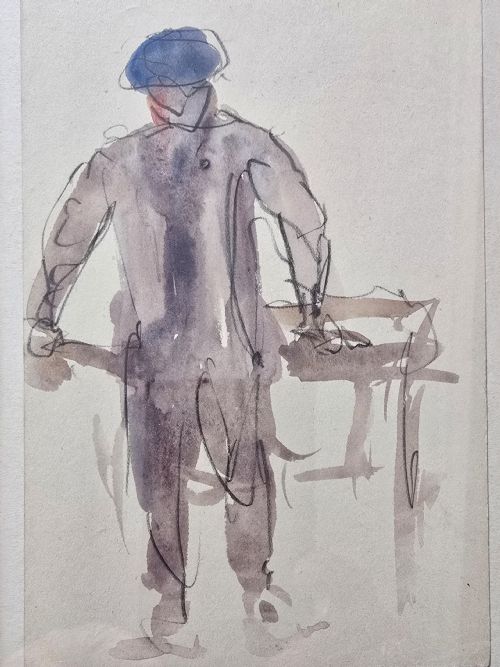
- A paint consisting of colour pigments suspended in a water-based solution, typically applied to paper. It offers a translucent quality suited to landscape work.
- Equine Portrait
- A painting or drawing focused on horses. These works often record specific animals with detailed anatomical accuracy.
- Gilt
- A thin layer of gold leaf applied to wood framing. It provides a decorative border that complements traditional paintings.
Vintage Irish Artwork: Frequently Asked Questions
Where should I hang these?
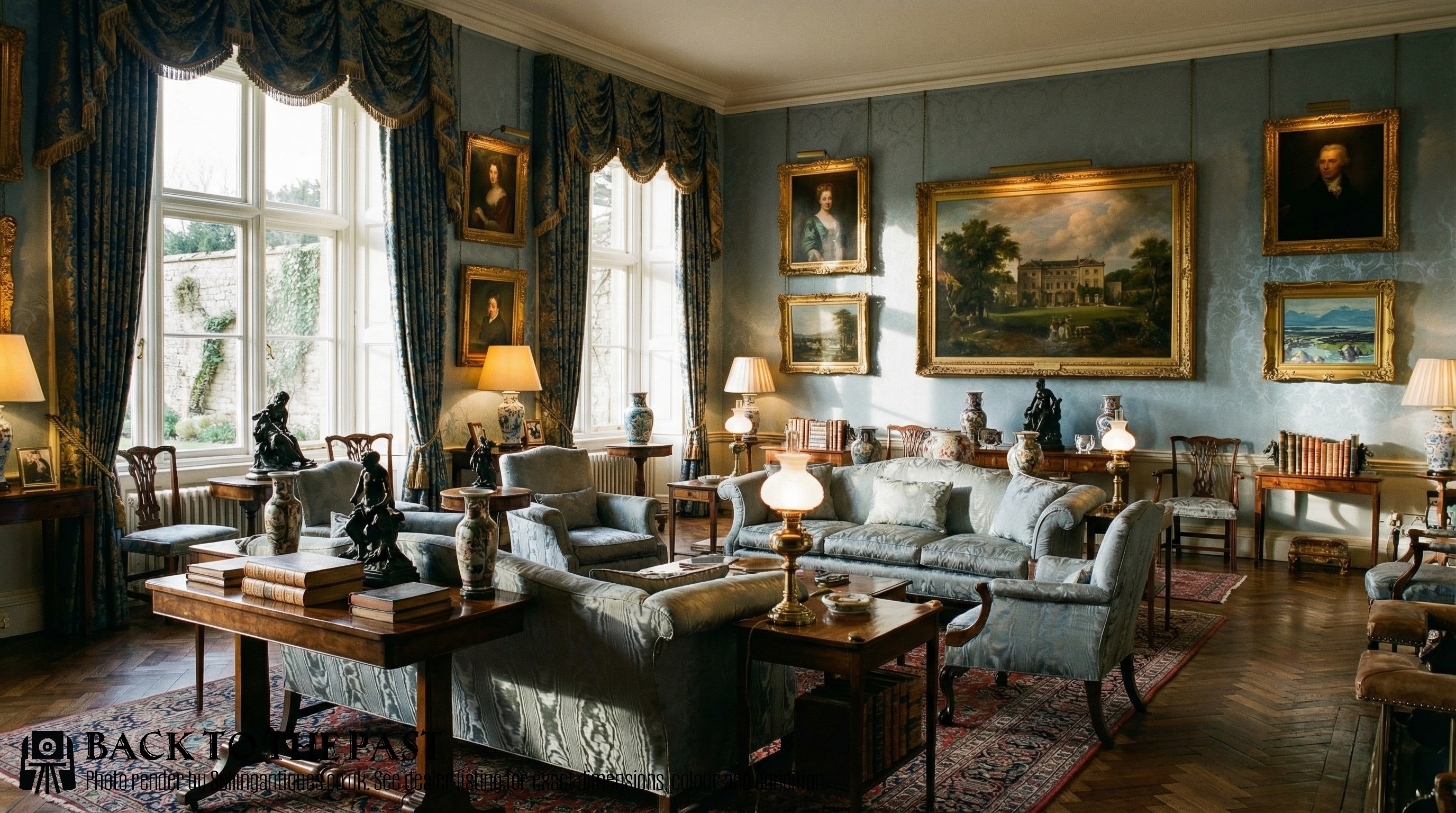
These works suit traditional reception rooms, studies, or hallways where landscape and portrait subjects can be viewed closely. Consider natural light levels to protect paper and canvas surfaces over time.
Pair them with period furniture or neutral walls to let the painted colours and wooden frames stand out without competing with surrounding decor.
How do I clean them?
Dust frames gently with a dry, soft cloth and avoid using liquid cleaners on painted surfaces. Professional conservators should handle any deeper cleaning of canvas or paper.
Keep pieces away from direct sunlight and damp environments to preserve the integrity of the oil, watercolour, and paper materials.
Are frames original?
Some pieces retain their period wooden or gilt frames, while others have been reframed at later dates to suit modern interiors. Check the listing details for specific framing notes.
Original frames often show age-related wear that adds character, whereas newer frames offer a clean display presentation.
How do I date them?
Dating relies on recorded signatures, dated inscriptions, stylistic markers of the nineteenth or twentieth centuries, and framing materials. Mid-century works often display impressionistic techniques distinct from Victorian realism.
Compare the medium, subject matter, and artist signature against known periods recorded in the evidence to establish the likely decade of creation.