


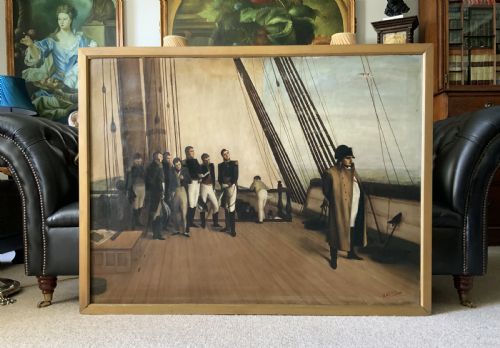


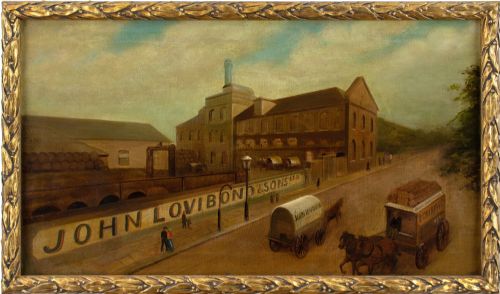
Framed History Oil Painting
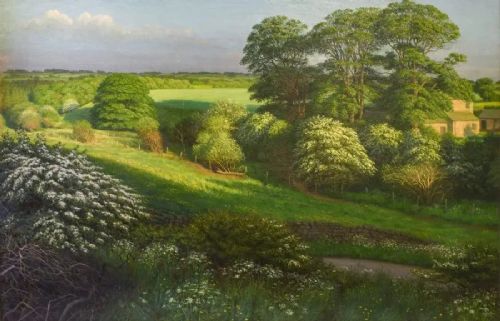
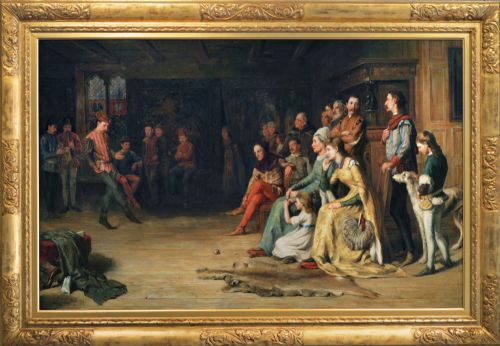
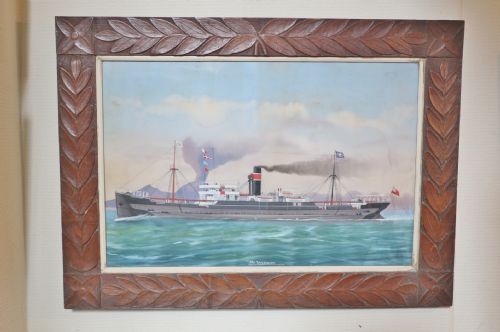
A framed history oil painting brings narrative drama, royal portraits and naval battles straight to a wall in oils and giltwood.
Framed History Oil Painting
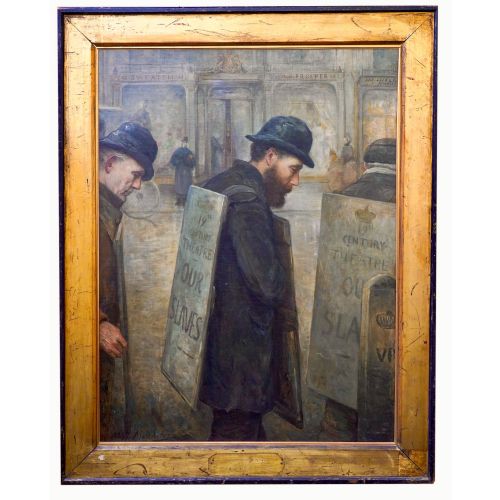
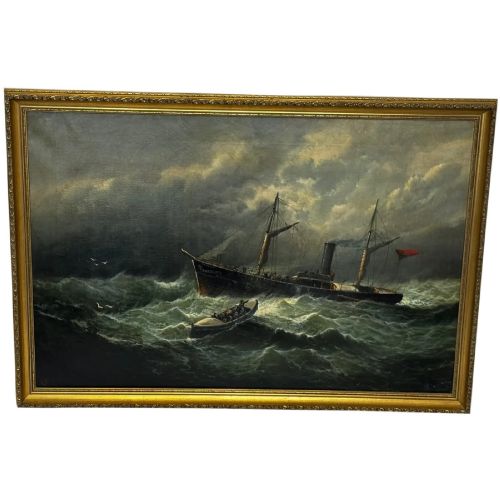
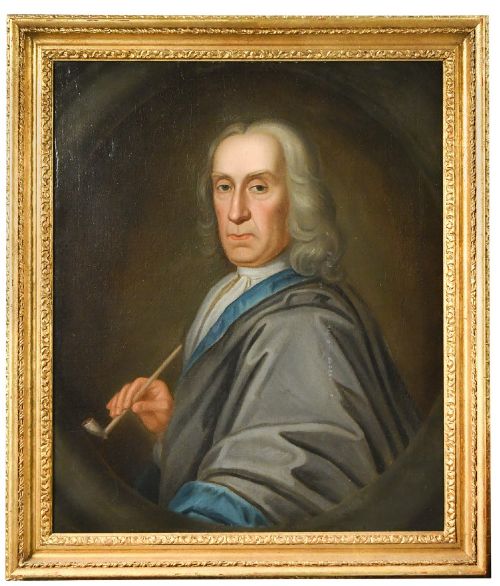
A framed history oil painting represents a narrative scene, portrait or maritime event captured on canvas or panel across periods spanning the Georgian era, the Victorian age and the twentieth century. When exploring a framed history oil painting, a buyer encounters works attributed to named artists and British or European schools depicting subjects such as naval encounters, literary moments and social realism.
How they were made
These works rely primarily on oil paint applied to prepared canvas or wooden panels using traditional brushwork techniques. Painters built up compositions through layered pigments, allowing for deep tonal gradations in portraits and dramatic lighting in historical narratives.
The supporting frames are constructed from wood, frequently finished with layers of gilt or gold leaf to complement the rich palettes of the canvases.
Listings span periods from the eighteenth century through the twentieth century, incorporating Georgian, Victorian, Edwardian and modern realisms.
What varies in quality
Quality in these works rests upon the precision of the brushwork, the psychological depth or narrative clarity of the subject, and the proportional harmony between the artwork and its period frame. Superior examples demonstrate confident handling of light and anatomical accuracy in complex multi-figure compositions.
The preservation of the original paint surface and the integrity of the giltwood framing further distinguish masterworks from standard school pieces.
Felix Stone Moscheles·William Broome·Raymond Booth·James Hamilton ARSA·Carl Whitfield·Philipp Ferdinand de Hamilton·Daniel Sherrin·John Simmons·Sir John Gilbert·John Lovibond and Sons·Hans Holbein·Christoffel Bisschop·Allan Gwynne-Jones·Pierre-Joseph Redouté·James Malcolm Stewart·Henry L Gates·George R Havelka
The Framed History Oil Painting Glossary
- Canvas
- A heavy woven fabric stretched across a wooden stretcher frame to serve as a support for oil paint. It provides the primary textured surface for the majority of these historic works.
- Giltwood
- Wood that has been coated with a thin layer of gold leaf or metallic powder. This finish decorates the traditional frames housing these paintings.
- Oil Paint
- A slow-drying medium composed of pigments suspended in a drying oil, typically linseed oil. This medium allows artists to blend colours smoothly and achieve rich luminosity.
- Old Master
- A term applied to European painters of skill working before the nineteenth century. These artists produced foundational works in classical and mythological genres.
- Social Realism
- An artistic style that depicts the everyday conditions of the working classes and contemporary social issues. This movement forms a significant narrative category within Victorian painting.
Framed History Oil Painting: Frequently Asked Questions
What is a history oil painting?
A history oil painting depicts a significant narrative, battle, mythological event or social scene executed in oil on canvas or panel. These works often capture dramatic moments from literature, royal heritage or maritime conflicts.
Created across centuries ranging from the Georgian era through the Victorian period and into the twentieth century, these artworks serve as visual records of historical subjects.
How do I identify the period of a painting?
Period identification relies on examining the costume of the subjects, the painting technique, the canvas preparation and the style of the accompanying frame. Stylistic markers such as Victorian naturalism or Italian baroque provide immediate chronological clues.
Signatures, artist dates, and historical records inscribed on the reverse or within the title documentation further confirm the era of creation.
How were these paintings originally displayed?
These works were designed to hang in prominent spaces within stately homes, public institutions and domestic interiors, framed in substantial wood and gilt mouldings to assert status and culture. Their impressive proportions were meant to command attention in drawing rooms and galleries.
Today, they require stable wall environments away from direct sunlight and excessive humidity to preserve the oil medium and the delicate gold leaf of the frames.
What subjects are common in these works?
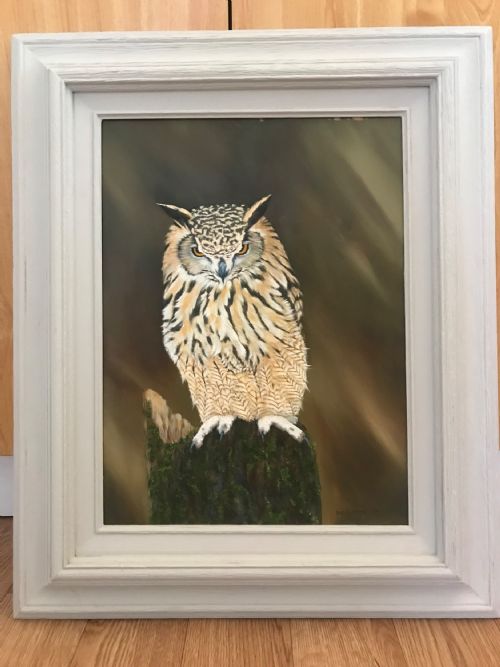
Common subjects include naval battles, royal portraits, mythological tales, literary scenes and depictions of wildlife or domestic life. Artists recorded both grand historical moments and intimate domestic narratives.
Works often reflect the prevailing interests of their time, shifting from classical mythology and aristocratic portraits in earlier centuries toward maritime rescues and social realism in the Victorian era.