

Dark Brown Framed Artwork
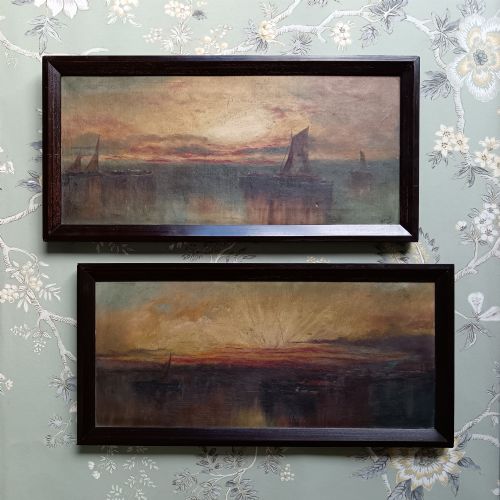
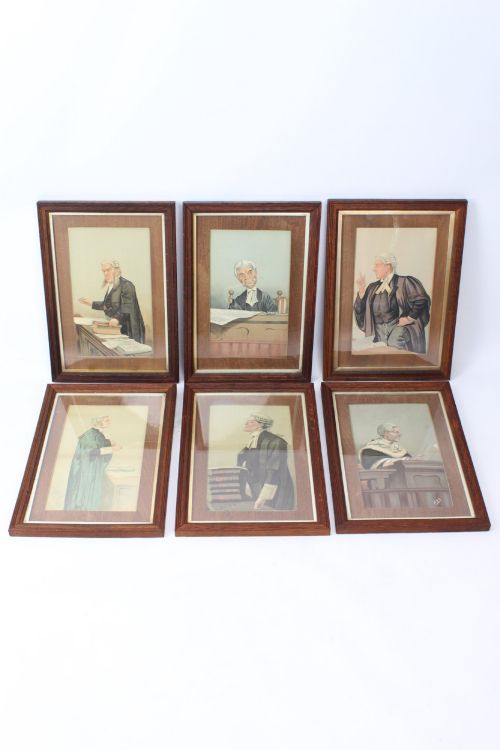
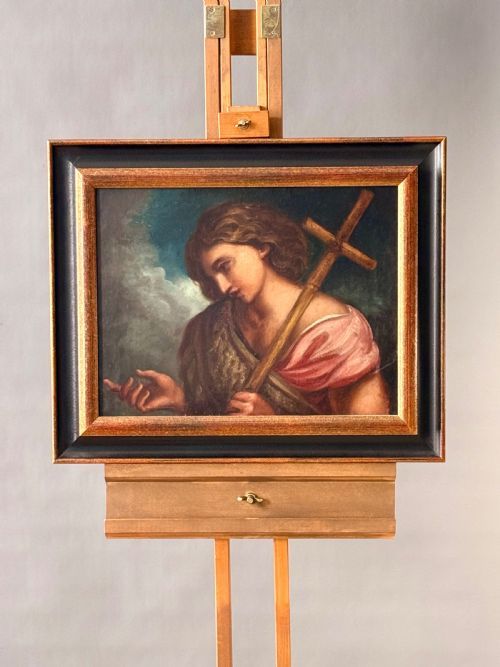
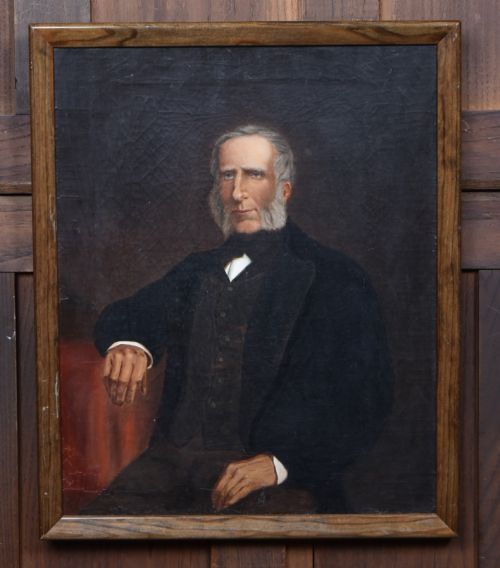
Dark brown framed artwork brings together centuries of painted portraits, landscapes, and prints housed within timber boundaries.
Dark Brown Framed Artwork
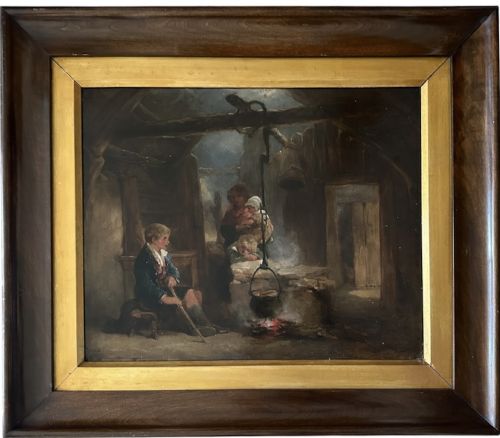
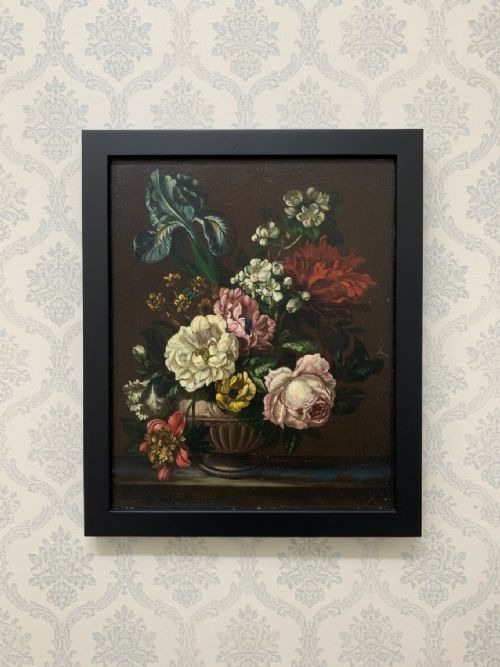
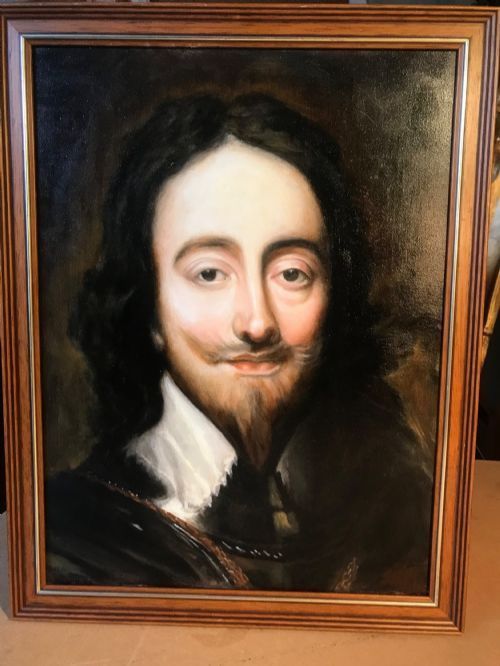
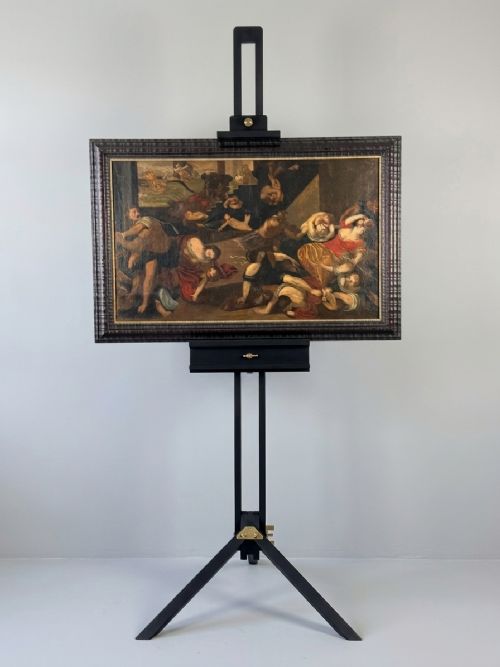
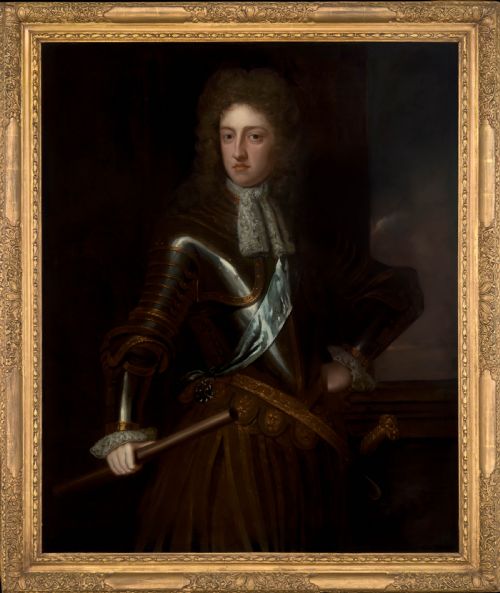
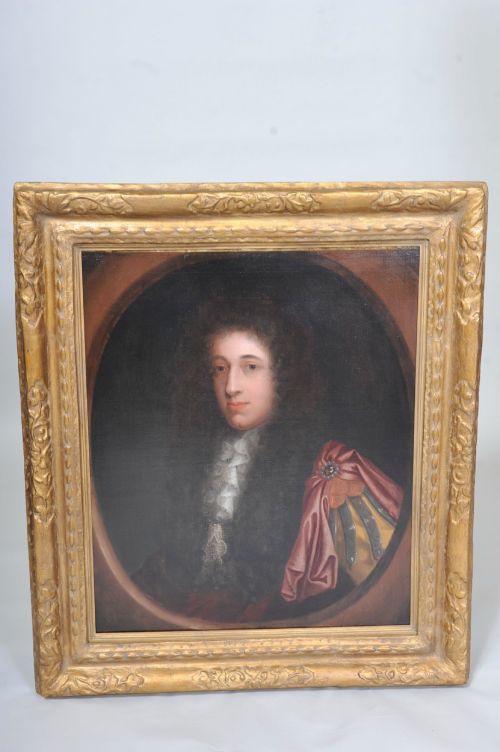
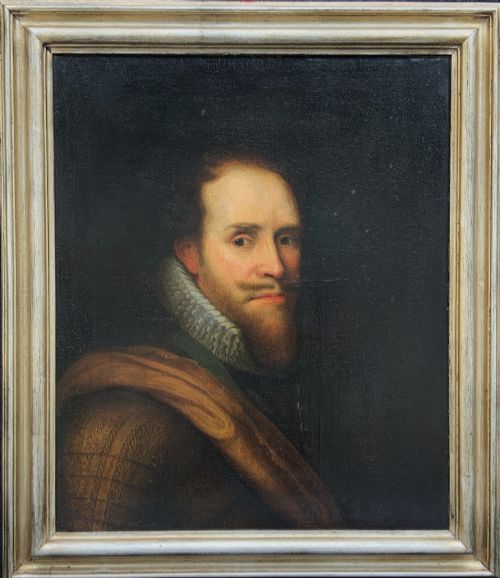
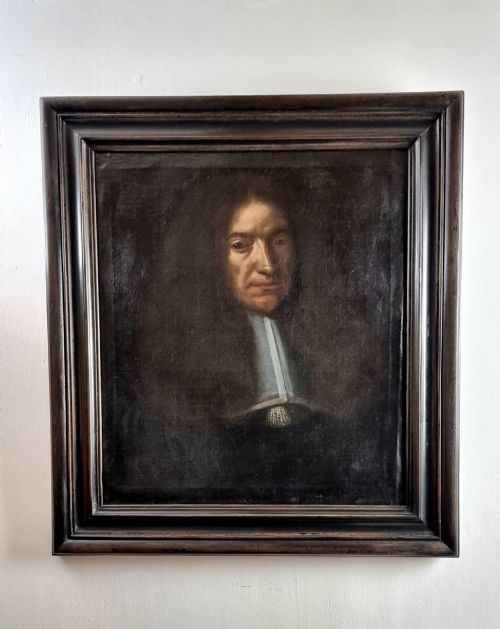
Dark brown framed artwork covers oil paintings, watercolours, prints, and textiles created across multiple periods from the seventeenth century through to the mid-twentieth century. Buyers searching this phrase will find a strong representation of oil on canvas portraits, Dutch school still lifes, and nineteenth-century seascapes.
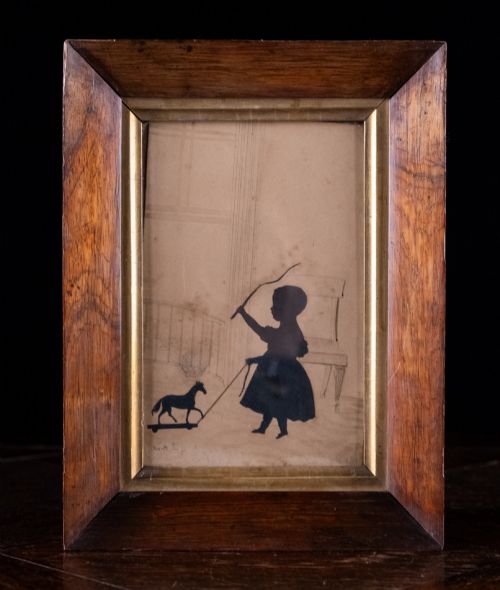
The assortment includes works from various European traditions, encompassing British folk art, French school pieces, and German portraits alongside Georgian reverse glass prints and Edwardian watercolours. Each piece relies on its wooden housing to anchor the composition and define its presence on a wall.
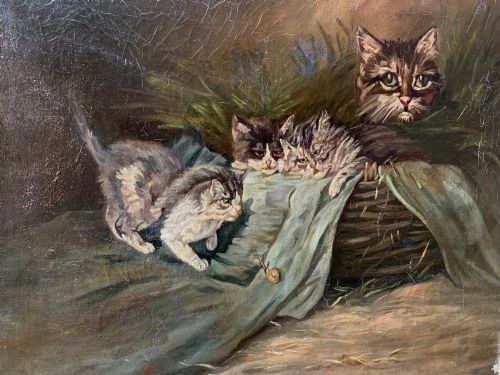
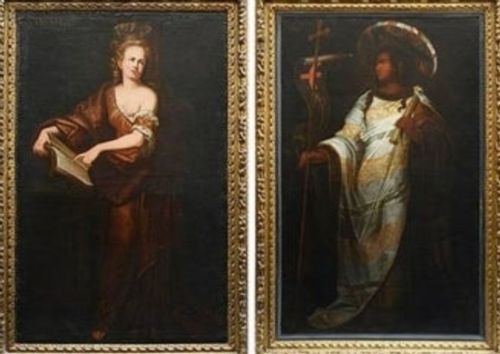
Subjects range from formal aristocratic likenesses and biblical scenes to farmyard views, tavern interiors, and racing pigeons. These works cross diverse stylistic categories, moving from Baroque chiaroscuro and Dutch Golden Age realism to Victorian and Edwardian visual traditions.
Materials and construction methods
The physical objects rely primarily on timber frames enclosing surfaces of canvas, wood panels, paper, or glass. Artisans applied oil paint, watercolours, or printing inks to these substrates, frequently incorporating gold leaf accents within the framing elements.
Surfaces were prepared using traditional grounds before painters worked with oil on canvas or panel, or printmakers executed detailed engravings and lithographs. The supporting wooden frames were shaped, joined, and finished to complement the visual weight of the artwork within.
Racing pigeons make a surprise appearance among the aristocratic portraits and solemn judges.
Factors determining quality
Quality rests upon the handling of light and form by the artist, the condition of the painted or printed surface, and the harmony between the image and its wooden border. Works showing confident brushwork and clear provenance stand apart from simpler decorative pieces.
The integrity of the canvas or panel and the stability of the framing materials dictate the longevity and visual impact of the piece. Superior examples maintain their original character without heavy intervention or unsympathetic alterations to the wood.
Anthony Van Dyck·Sir Godfrey Kneller·Augustin Edouart·TB Hardy·Brian Shields Braaq
The Dark Brown Framed Artwork Glossary
- Chiaroscuro
- Strong contrasts between light and dark used to give a sense of volume to figures and subjects. This technique frequently defines seventeenth-century tavern scenes and dramatic portraits.
- Oil on Canvas
- Pigment mixed with a drying oil applied to a woven fabric stretched across a wooden support. This combination forms the primary medium for the majority of historical paintings in this category.
- Reverse Glass Print
- An image transferred and fixed to the underside of a glass sheet, creating a smooth, reflective surface. Georgian examples utilise this delicate technique for portraits and decorative subjects.
- Old Master
- A term applied to European painters of high skill working before the nineteenth century. These works often feature dark, rich palettes suited to heavy timber surrounds.
- Still Life
- A painting focused on inanimate objects such as fruit, vessels, and candlesticks arranged in an interior setting. Dutch examples demonstrate meticulous attention to texture and light.
Dark Brown Framed Artwork: Frequently Asked Questions
What periods do these artworks cover?
The pieces span from the seventeenth century through the Georgian, Victorian, and Edwardian eras up to the mid-twentieth century.
Earlier items include seventeenth-century portraits and Dutch school works, while later examples feature twentieth-century still lifes and prints.
How do I care for oil paintings on canvas?
Keep paintings away from direct sunlight, high humidity, and rapid temperature changes that can cause the canvas or wood to warp.
Dust the surface gently with a soft, dry brush and avoid using water or chemical cleaners on the paint or frame.
Are the frames original to the pieces?
Some pieces retain their period wooden frames, while others have been paired with complementary antique or later dark brown surrounds over time.
Examining the joinery and finish of the timber helps determine whether the framing dates to the same period as the artwork.
What subjects are most common?
Portraits of gentlemen, ladies, and historical figures appear frequently alongside landscapes, seascapes, and architectural views.
Still lifes, animal studies, and genre scenes depicting everyday activities also form a significant portion of the available artwork.