
Gilt Framed Engraving
A gilt framed engraving brings together centuries of printed art and ornate wooden surrounds to anchor a room.
Gilt Framed Engraving
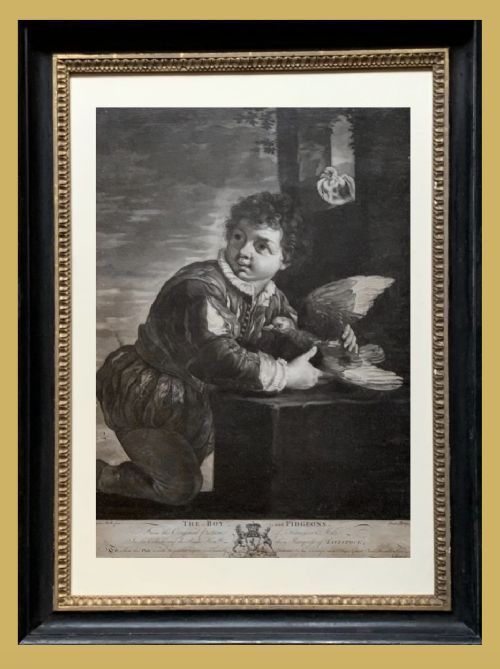
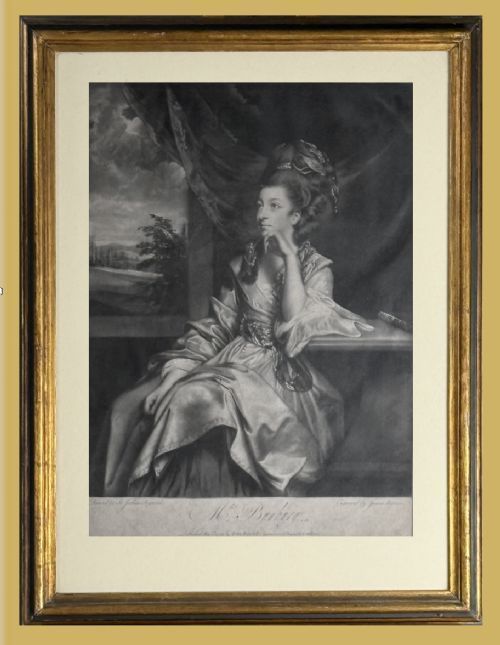
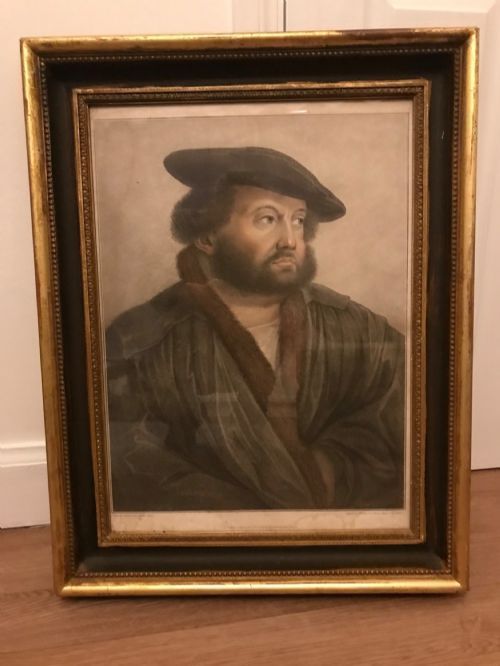
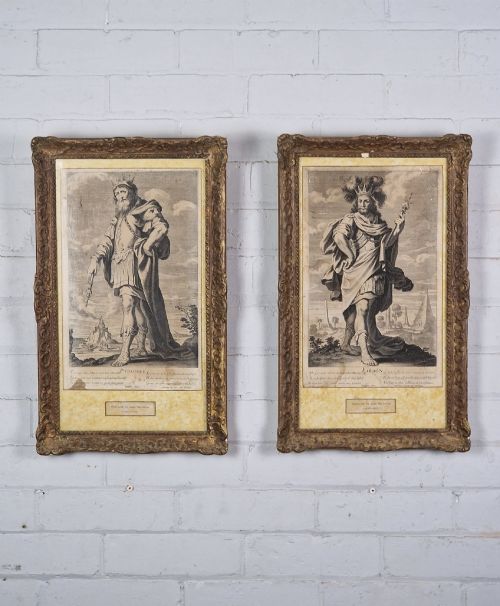
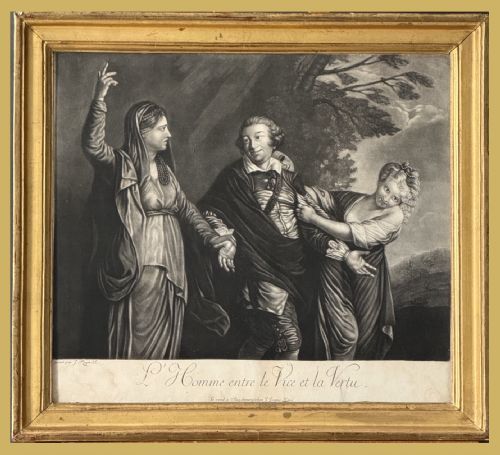
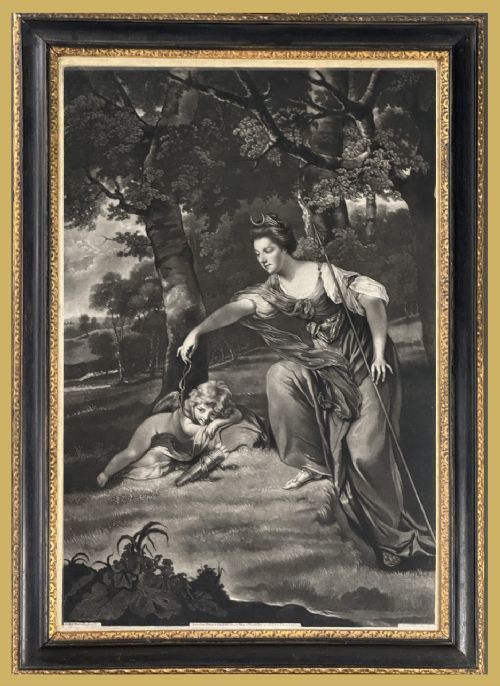
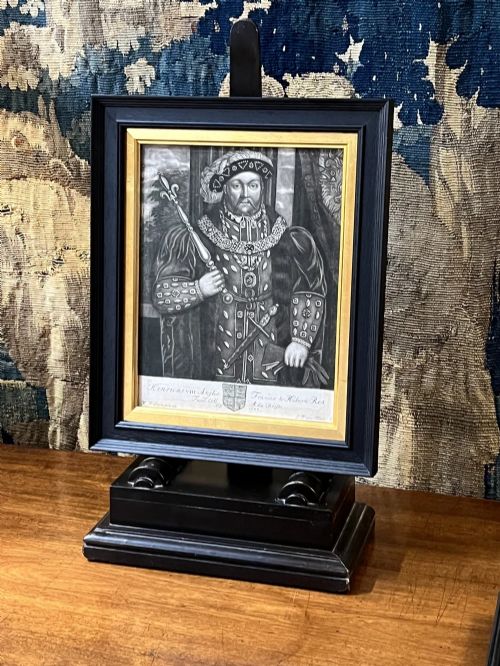
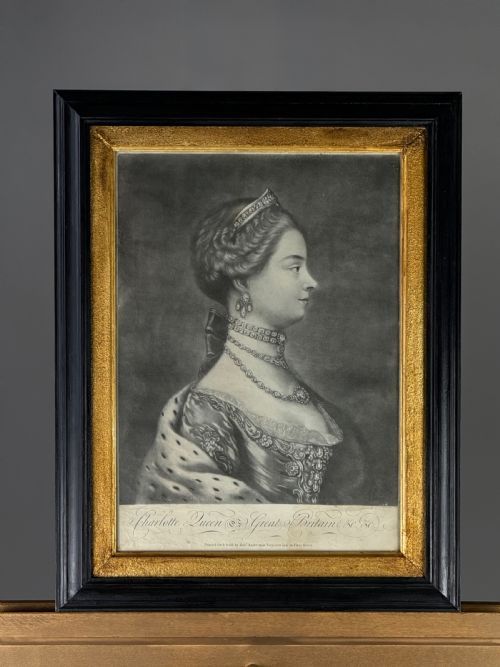
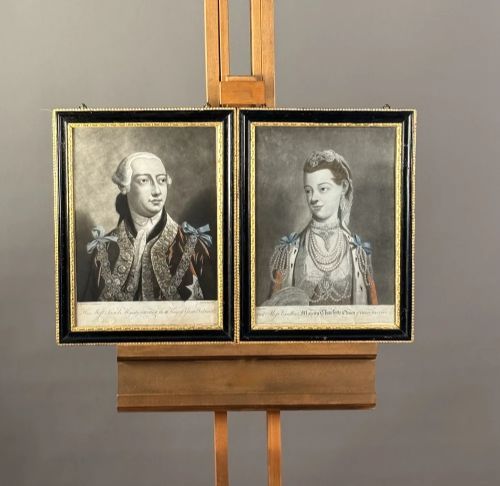
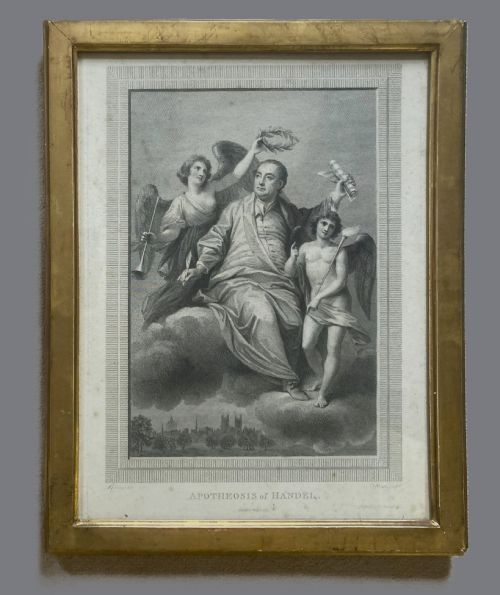
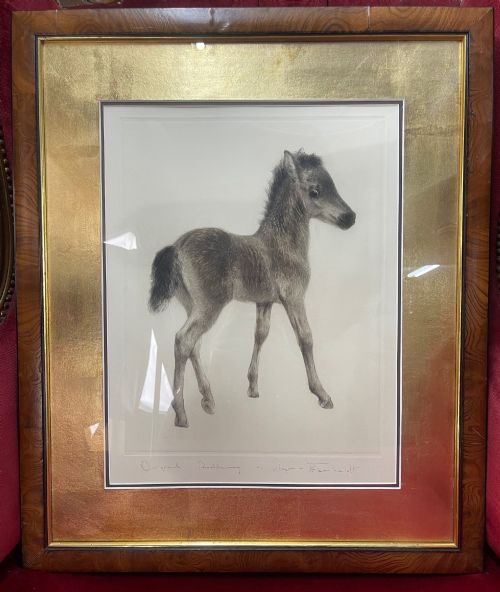
A gilt framed engraving pairs a detailed paper impression with a gold-leaf or giltwood surround, uniting graphic art with decorative framing. These works range from seventeenth-century cartography and eighteenth-century mezzotint portraits to nineteenth-century sporting scenes and botanical studies.
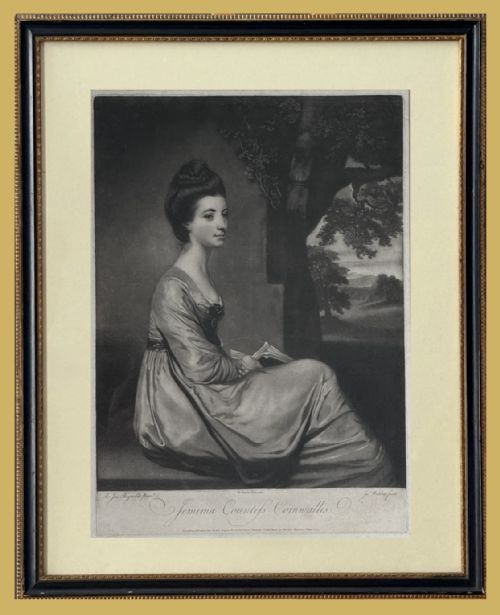
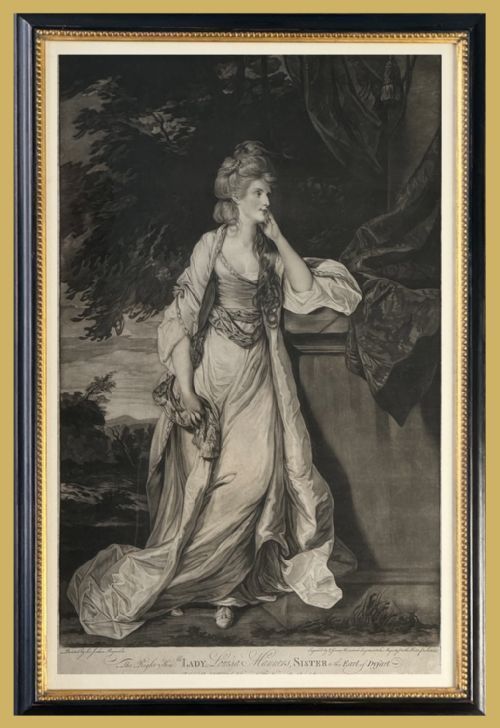
The version most commonly met on this page is the eighteenth-century print, often featuring portraiture after masters like Sir Joshua Reynolds or classical subjects housed in period wooden mouldings. These objects combine historical printmaking techniques with rich metallic framing.
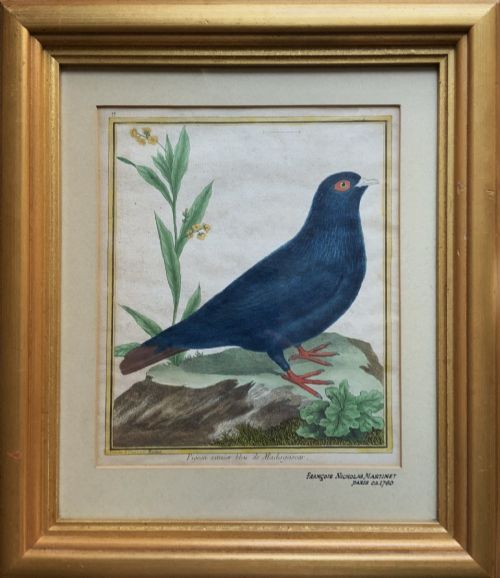
Pieces span multiple periods including the seventeenth, eighteenth, and nineteenth centuries, alongside later twentieth-century interpretations. Formats vary from single wall art panels and pairs to decorative sets depicting birds, classical figures, and historical scenes.
Materials and construction methods
Image creation relies on paper receiving ink through techniques such as engraving, etching, stipple, mezzotint, or lithography, sometimes enhanced by original hand colouring. These methods transfer fine lines and tonal gradations from copper plates, stones, or woodblocks onto a flat surface.
The surrounding frame is constructed from timber, which is then prepared and covered in gold leaf, gilt, or giltwood to achieve a lustrous metallic finish. Glass protects the fragile paper surface from atmospheric damage while allowing clear visibility of the print beneath.
Gilt Framed Engraving Retail Price Guide 2026
Typical asking prices for gilt framed engraving among the pieces listed under this phrase on Sellingantiques today, from the lower quarter to the upper quarter. They describe what is for sale here now, not the wider market.
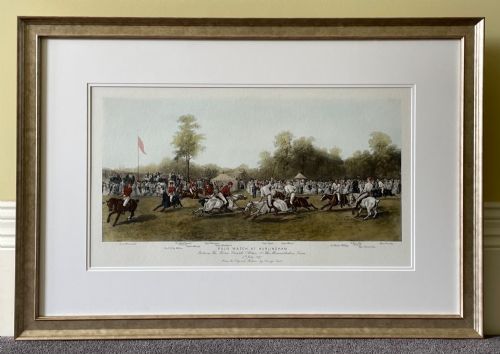
A nineteenth-century print of a polo match at Hurlingham brings the thundering hooves of the Georgian era directly onto the sitting room wall.
Distinguishing quality across examples
Quality rests on the crispness of the ink impression upon the paper and the depth of the plate mark left during printing. Finer examples retain sharp details in complex portraits and architectural backgrounds, whereas worn plates yield softer, less distinct imagery.
The integrity of the frame contributes significantly to the piece, particularly where original gilding, hand-carved wood, and period construction remain intact. Synchronisation between the age of the print and the style of the mounting separates cohesive historical items from later assembled pairings.
John Boydell·James Watson·Francesco Bartolozzi·François Nicolas Martinet·Valentine Green·John Faber·William Hogarth·John Speed
The Gilt Framed Engraving Glossary
- Engraving
- A printmaking technique where an artist cuts lines directly into a metal plate with a sharp tool called a burin. The resulting grooves hold the ink for transfer to paper.
- Mezzotint
- A tonal printmaking method where the copper plate is roughened uniformly to produce dark areas, then scraped and burnished to create highlights. This process allows for smooth gradations of light and shade, frequently utilised for eighteenth-century portraits.
- Stipple
- A method of engraving that uses dots rather than continuous lines to build up an image. Artists achieve subtle skin tones and soft contours through varying the density of these punctures.
- Giltwood
- Timber that has been coated with a thin layer of gold leaf or metallic paint. It forms the decorative boundary around many historical artworks.
- Plate mark
- The indentation left on the paper by the edge of the printing plate under high pressure. Its presence confirms the use of an intaglio printing process.
Gilt Framed Engraving: Frequently Asked Questions
How do I hang a gilt framed engraving safely?
Secure the piece using appropriate wall anchors matched to the weight of the timber and glass assembly. Position the artwork away from direct sunlight and moisture to protect the paper and the metallic finish of the frame.
Ensure the hanging wire or brackets on the reverse are firmly fixed to the wooden structure. Period frames require careful handling to avoid chipping the gilt surface during placement.
What is the difference between an etching and an engraving?
An engraving is made by directly cutting lines into a metal plate with a sharp metal tool. This requires considerable physical force and produces crisp, clean lines with tapered ends.
An etching uses acid to bite the lines into the metal plate through a protective wax ground. This chemical process allows for freer, more fluid lines created with less resistance.
Are these frames original to the prints?
Many pieces retain their period frames, which correspond to the stylistic conventions of the era in which the print was published. However, framing styles can span different decades as owners replaced damaged surrounds over time.
Examining the construction joints, backboards, and wear patterns helps determine whether the mounting dates to the same period as the paper artwork.
How should I clean a gilt frame?
Dust the timber gently with a soft, dry brush or a microfiber cloth to remove surface particles. Avoid using water, chemical sprays, or abrasive cleaners, which can strip away the delicate gold leaf.
Consult a professional conservator if the giltwood shows signs of flaking or structural instability. Preventative care relies on maintaining stable indoor humidity levels.