


Framed Architectural Etching
A framed architectural etching brings the discipline of classical ruins and grand facades directly into a room.
Framed Architectural Etching
When you search for framed architectural etching, you are looking at printed works on paper depicting buildings, monuments, and classical antiquities, alongside related engravings and window panels. These pieces capture subjects ranging from the ruins of Athens and Rome to bridges and ecclesiastical interiors.
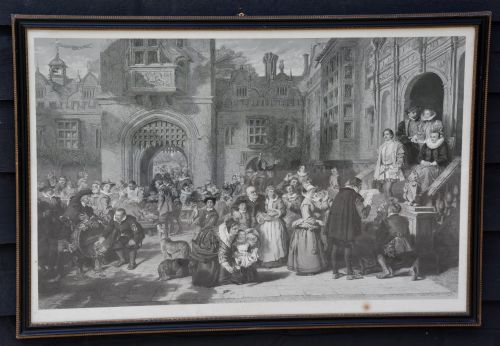
The selections span multiple centuries, with eighteenth-century grand tour plates sharing space with nineteenth-century depictions and early twentieth-century drypoint works. Many arrive ready to hang in period frames made of wood or gilt elements.
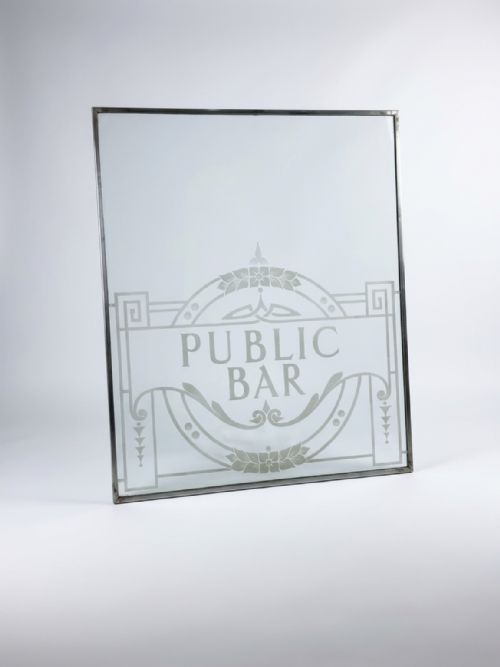
Beyond standard paper prints, the form extends into architectural salvage, including etched pub windows and painted glass panels. These larger installations bring structural glass art directly into domestic or commercial interiors.
How they were made
Makers produced these works using metal plates, ink, and paper, often employing copper engraving or acid-bitten etching techniques to achieve fine linear detail. Some plates received subsequent hand colouring in watercolour to enhance the visual depth of the architectural scenes.
Framing materials typically include wood, gilt wood, and gold leaf, protected by glass to preserve the delicate paper surfaces underneath. Salvaged glass pieces involve specialist etching and painting directly onto the pane.
Several architectural plates depict winged gods and mythical figures casually looming over classical foundations.
What varies in quality
The distinction between tiers rests upon the crispness of the plate impression and the authority of the draughtsmanship. Early impressions pulled from fresh plates display sharp architectural lines, whereas worn plates yield softer, muddier details.
Context and attribution also define the standing of a piece, particularly when connected to documented printmakers or specific archaeological folios. The integrity of the original frame, whether an original Hogarth moulding or period gilt wood, adds further distinction.
Francesco Piranesi·Alessandro Mocchetti·James Basire·Claes Jansz Visscher·Ottaviani
The Framed Architectural Etching Glossary
- Etching
- A printmaking method where acid bites lines into a metal plate to hold ink. This process allows for free-flowing lines similar to a pen drawing.
- Engraving
- A technique where an artisan cuts lines directly into a metal plate using a sharp tool called a burin. The resulting image exhibits precise, clean geometric edges.
- Drypoint
- A printmaking process where the artist scratches directly into the metal plate with a sharp needle. This creates a raised ridge of metal called a burr that holds ink for a velvety line.
- Grand Tour
- An eighteenth-century travel tradition undertaken by young elites across Europe. Travellers collected classical prints and architectural folios as mementos of their journeys.
- Gilt Wood
- Wood treated with a thin layer of gold leaf or metallic gilt paint. This finish frequently appears on traditional frames surrounding antique works on paper.
Framed Architectural Etching: Frequently Asked Questions
How do I hang a heavy framed etching safely?
Heavy frames require secure wall fixings suited to the specific wall type, such as solid masonry plugs or direct stud engagement for plasterboard.
Using a sturdy two-point hanging wire system distributes the weight evenly and keeps the artwork level over time.
Are these architectural prints original antique works?
The inventory includes period plates originating from the eighteenth, nineteenth, and early twentieth centuries, produced through traditional printing techniques.
Checking the paper texture, plate marks, and ink application helps confirm the period of the impression.
How should I protect paper prints from sunlight?
Direct sunlight causes the ink to fade and the paper support to yellow or become brittle over extended periods.
Positioning pieces away from direct rays and utilising specialist framing glass with UV-filtering properties preserves the material.
What is the difference between an etching and an engraving?
An etching relies on acid to bite the design into the metal plate, producing fluid and organic lines.
An engraving involves direct physical cutting with a tool, resulting in sharper, stiffer lines with distinct tapered ends.