



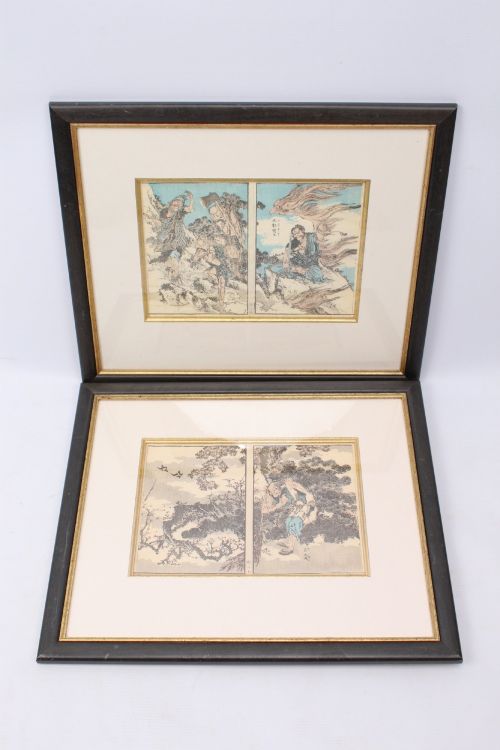
Framed Wall Art Print
Framed wall art print selections bring historical portraiture and landscape views into domestic spaces with traditional wood and glass encasements.
What framed wall art print pieces are
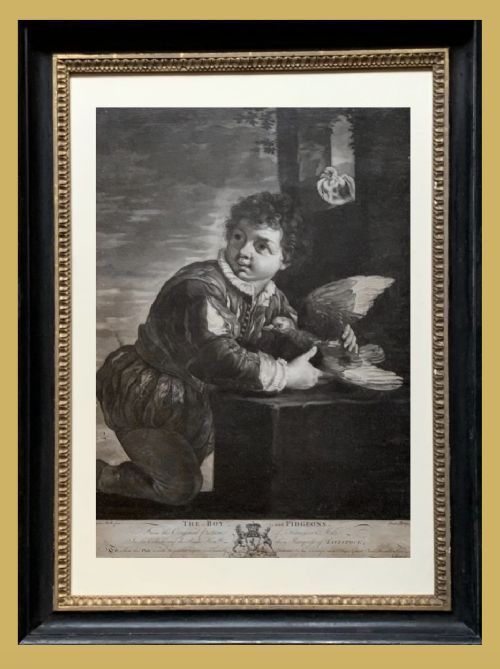
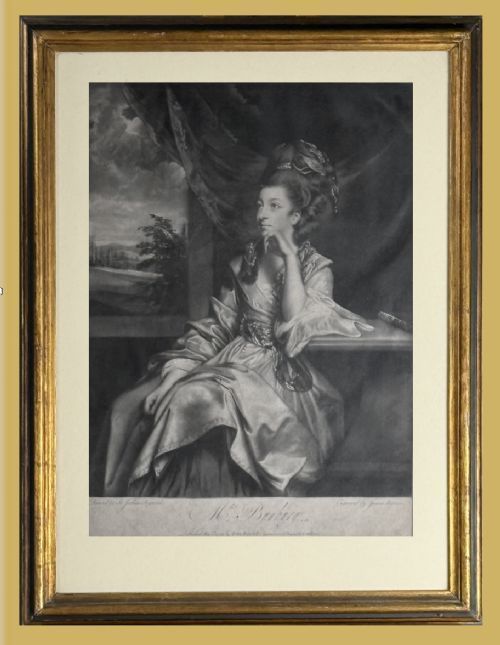
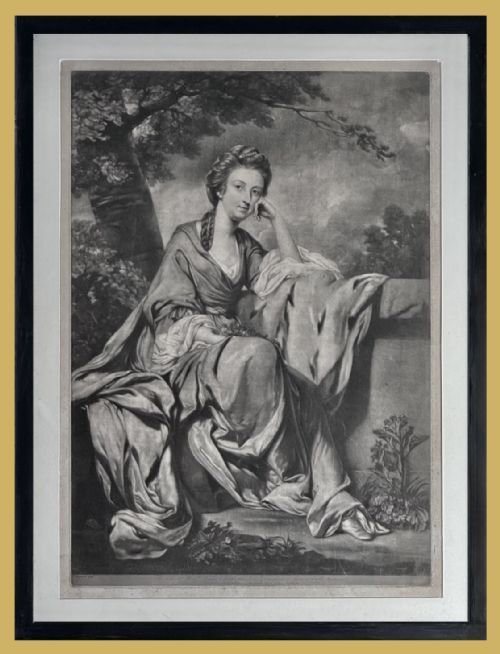
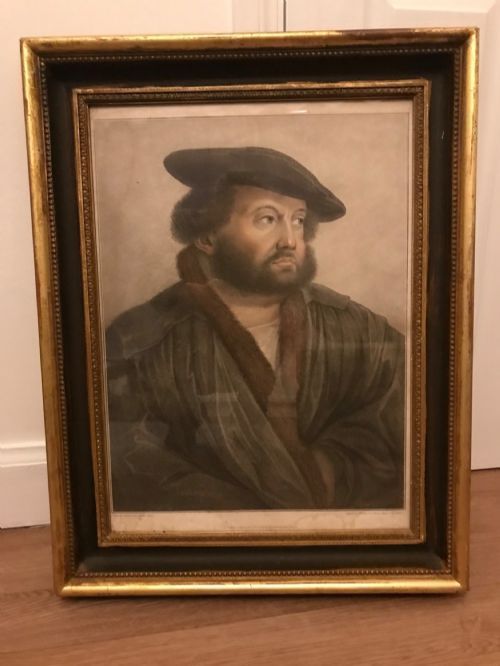
A framed wall art print delivers historical imagery contained within protective wood and glass structures. These pieces serve as decorative focal points for interior spaces, combining paper visual works with period framing.
The selections available here span multiple centuries and stylistic traditions, ranging from Georgian and Victorian aesthetics to earlier depictions. Each piece reflects distinct cultural tastes of its originating period through its subject matter and presentation.
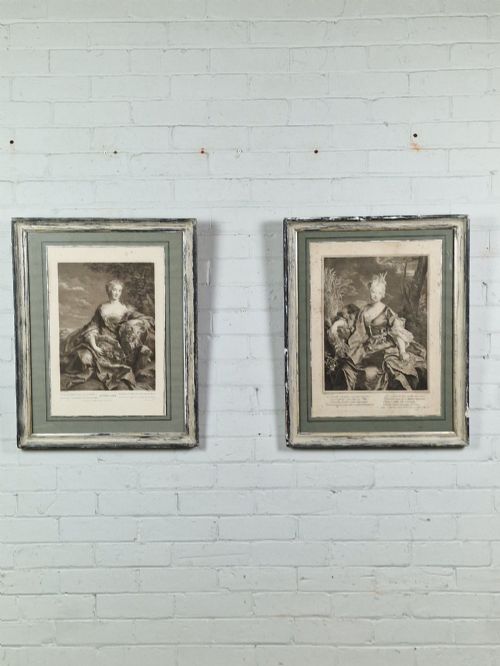
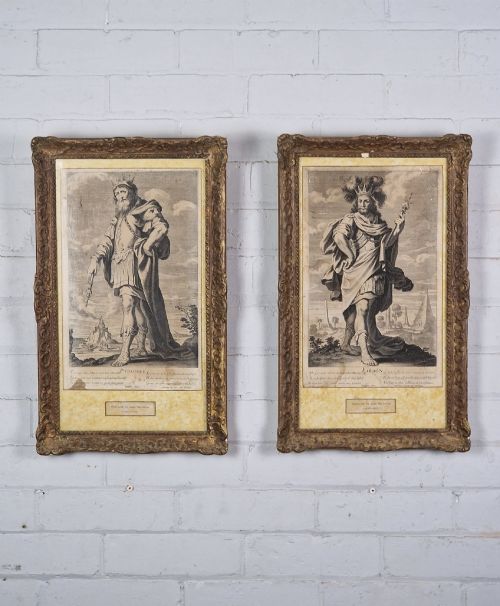
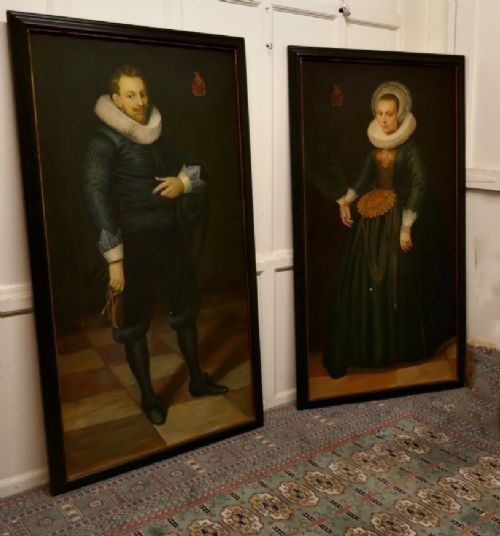
The physical objects include portraiture after recognised painters and topographical views such as Welsh castles. These items provide a direct connection to past visual culture via preserved paper prints and period frames.
How they were made
Construction relies on paper imagery housed within wooden structures, frequently enhanced with gilded finishes. Protective glass fronts cover the paper works to prevent environmental damage over time.
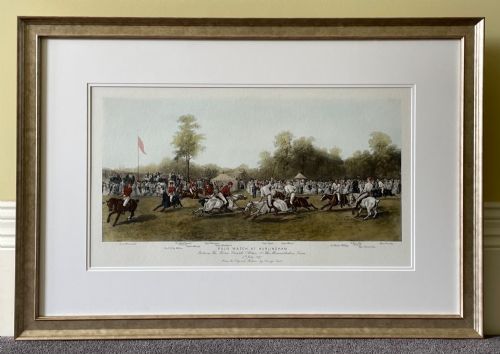
Production techniques encompass lithography and fine printing methods utilised for reproducing historical portraits and landscape scenes. These printed surfaces are then secured inside custom wooden mouldings appropriate to the style of the era.
Listings span the eighteenth century, the Victorian era around nineteen hundred, and the nineteen sixties.
What varies in quality
Distinctions in quality rest upon the execution of the print and the craftsmanship of the surrounding wooden frame. Finer examples display meticulous detail in reproduction and substantial timber construction with careful gilding.
The integrity of the framing materials and the preservation of the paper surface determine the overall standard of the piece. Superior items maintain harmonious proportions between the visual work and its protective housing.
The Framed Wall Art Print Glossary
- Lithograph
- A print produced by drawing an image on stone or metal with a greasy substance and applying ink. This technique allows for detailed tonal reproduction on paper.
- Gilded wood
- Timber treated with a thin layer of gold leaf or gilt paint to create a reflective surface. This finish often adorns traditional frames from the Georgian and Victorian periods.
- Portraiture
- Depiction of human subjects, frequently historical figures or children, captured by artists such as van Dyck or Frederick Morgan. These works form a core category of visual art.
- Topographical view
- An accurate representation of a specific geographical location, such as Dolwyddelan Castle in Wales. Such prints document physical landscapes from past centuries.
Frequently Asked Questions
How do I date a framed wall art print?
Dating relies on examining the style of the wooden frame, the materials of the backing, and the printing technique used on the paper. Georgian, Victorian, and mid twentieth century examples each exhibit distinct construction methods.
Closer inspection of the paper and any accompanying inscriptions can provide further chronological context for the item.
Where should I hang a framed wall art print?
These pieces suit living areas, studies, or hallways where traditional decor complements historical subjects. Placement away from direct sunlight protects the paper and wooden frames from fading.
Wall strength should match the weight of the wood and glass components to ensure secure hanging.
How do I clean the glass on framed art?
Cleaning requires a soft cloth and mild glass cleaner applied sparingly to avoid seeping under the wooden frame edges. Moisture can damage both the paper print and the internal wooden structure.
Spray the cloth rather than the glass directly for safer maintenance.
What subjects appear in these prints?
Common subjects include historical portraits of children and nobility, alongside architectural and landscape views. Works after established painters like van Dyck frequently appear in these selections.
These themes reflect the decorative preferences of the eighteenth, nineteenth, and twentieth centuries.