

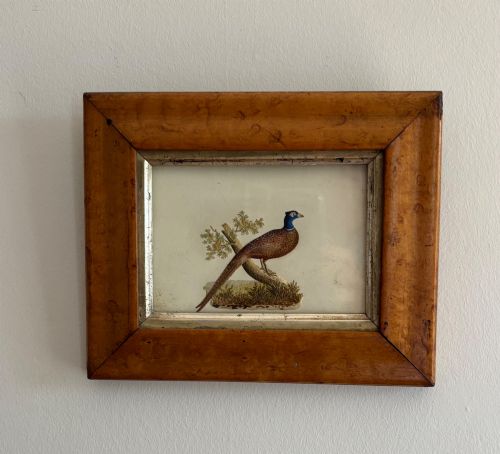
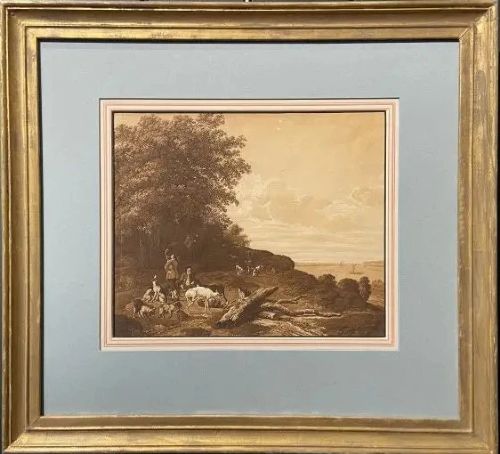
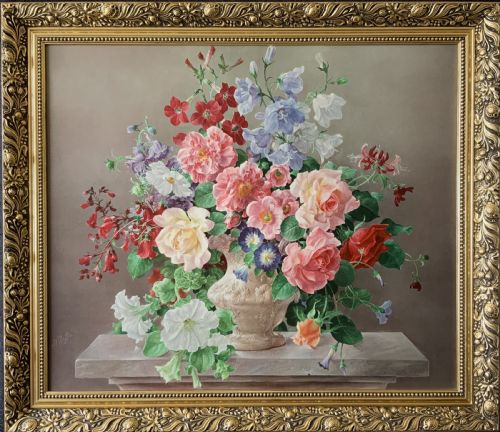
Gilded Framed Art Print
When you search for a gilded framed art print, you are looking at centuries of wall art held within wood, gold leaf and glass.
Gilded Framed Art Print
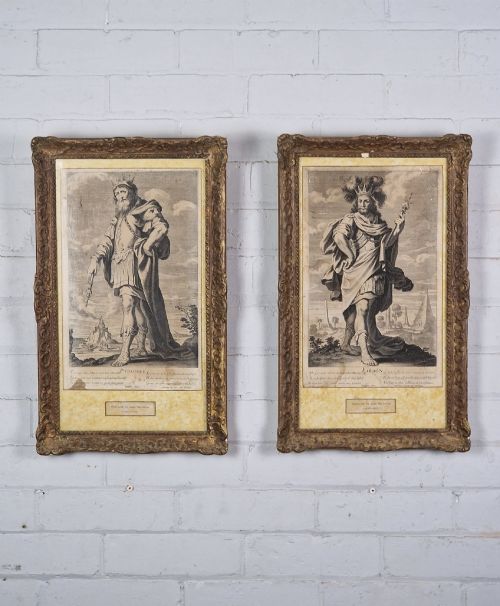
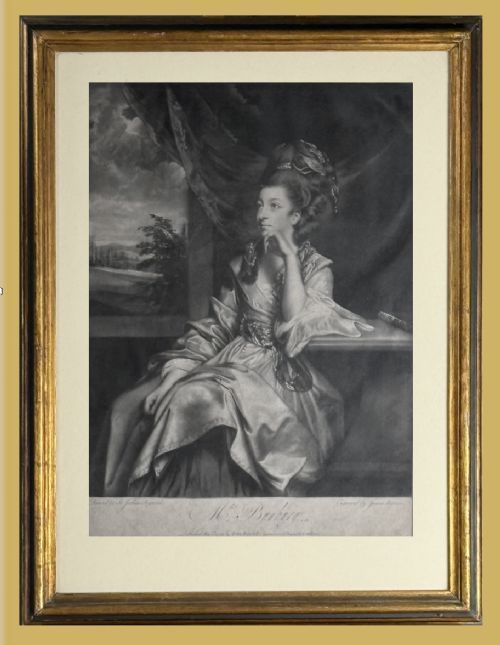
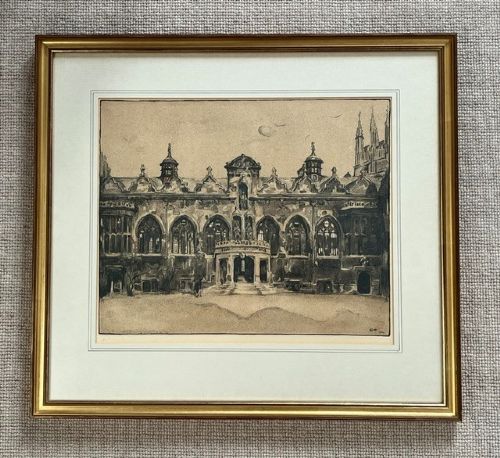
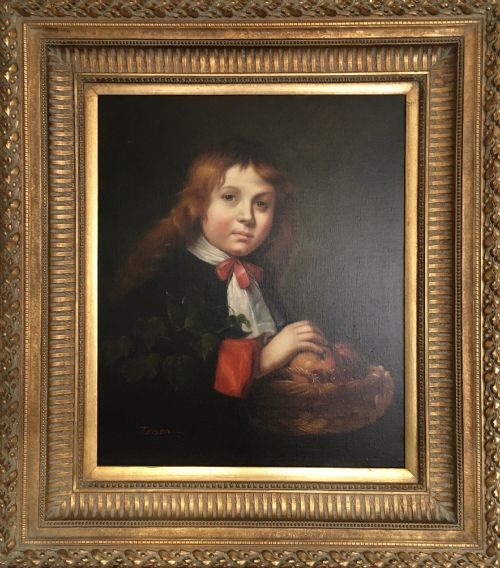
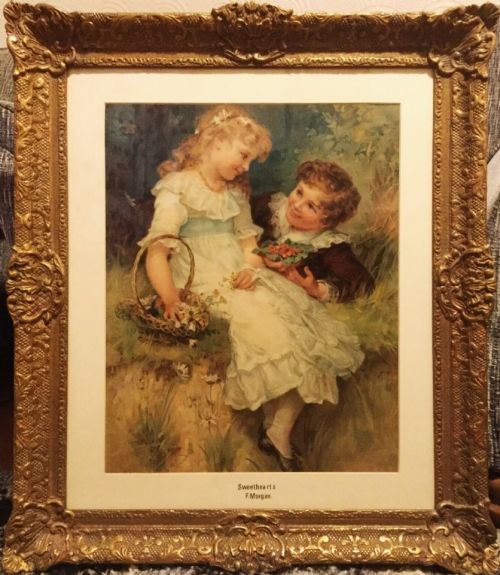
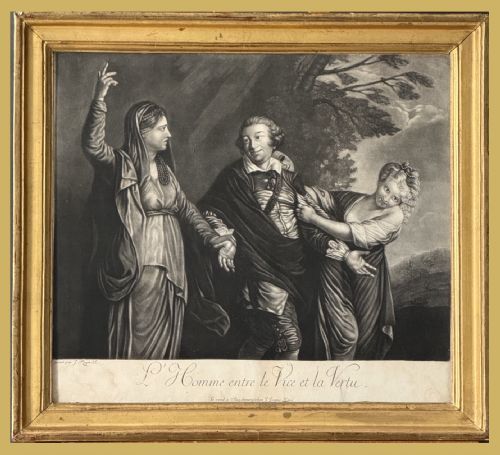
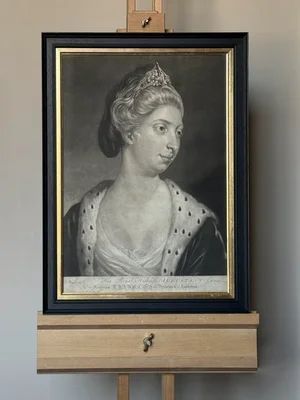
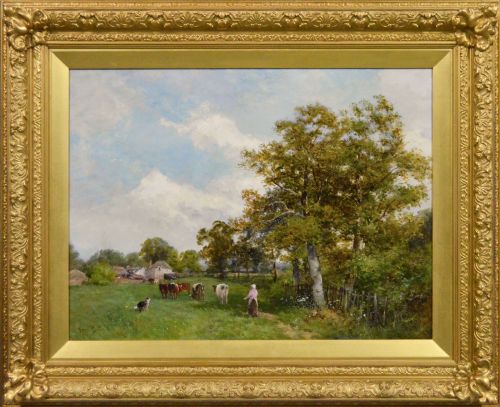
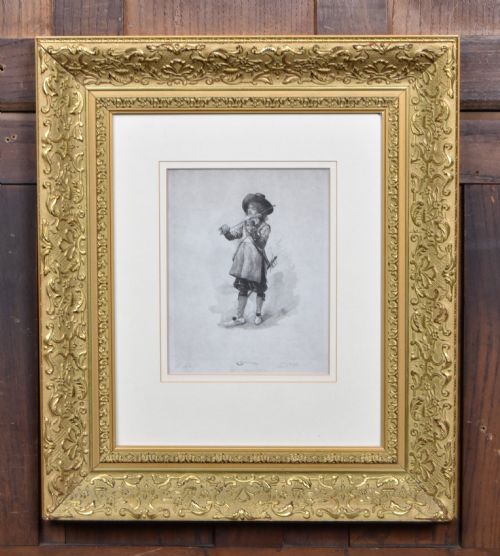
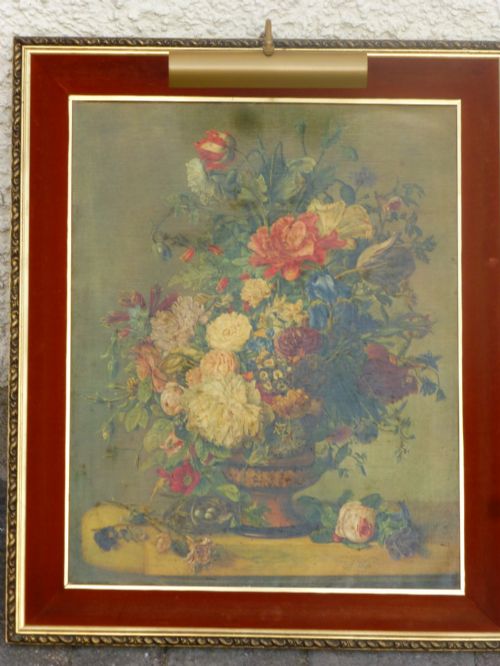
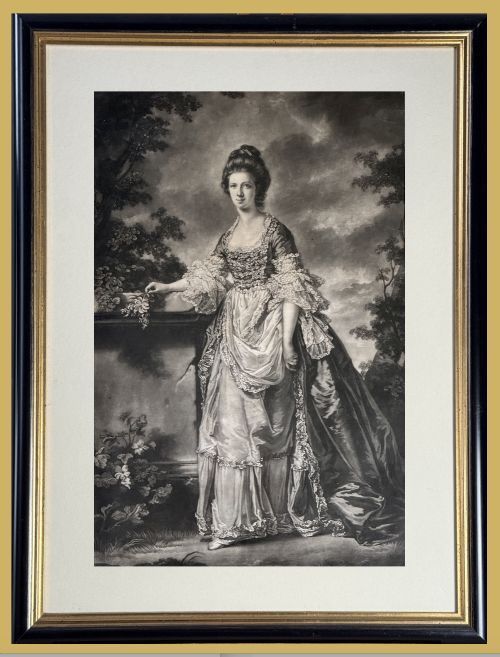
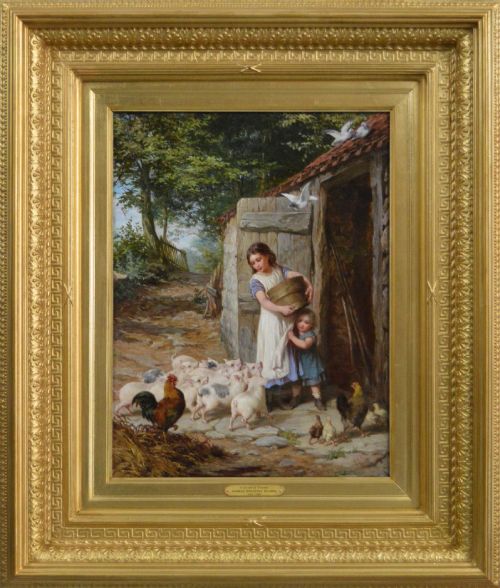
A gilded framed art print brings together historic imagery and ornate surrounds, spanning centuries from the 17th century to the mid-20th century. When buyers search for a gilded framed art print, they encounter a diverse range of works including mezzotints, engravings, lithographs, and oleographs alongside original oil paintings on canvas. These items bridge decorative arts and fine imagery, often replicating famous works by masters or capturing Victorian pastoral scenes.
The objects take many forms, from large oval portraits under glass to botanical studies, maps, and religious subjects. Pieces originate from various periods such as the Georgian, Victorian, and Edwardian eras, as well as specific historical aesthetics like Dutch Golden Age and French Baroque. The unifying element across these disparate subjects is the framing, which utilises gold leaf and gilt wood to elevate the paper or canvas within.
How they were made
The construction of these works relies heavily on wood, glass, and paper or canvas, united by the application of gold leaf or gilt wood for the frames. Mezzotints, engravings, and lithographs are printed on paper, sometimes protected beneath glass, while other pieces utilise oil paint on canvas or mixed media. Reverse glass prints and eglomise techniques place the imagery directly onto the glass panel itself.
Makers shaped wooden mouldings to form the heavy borders, applying metal leaf by hand to achieve the characteristic metallic sheen. Printmakers used copper plates for mezzotints and engravings, working ink into incised lines or textured surfaces before pressing onto paper. Painters applied oils directly to canvas or wood panels, later housing the finished works in matching decorative surrounds.
Materials recorded across the inventory include glass, paper, wood, gold leaf, canvas, and oil.
What varies in quality
Quality rests in the crispness of the impression on paper and the depth of the gilding on the frame. Fine mezzotints and early engravings display sharp detail and rich tonal gradations, whereas later oleographs or mechanical reproductions may show a patterned dot matrix under close inspection.
The craftsmanship of the frame dictates much of the visual success. Hand-carved wooden mouldings with deep, burnished gold leaf carry greater presence than flat compo frames, while original glass and backing materials maintain the integrity of the piece over time.
Sir Joshua Reynolds·Robert Morden·Gustave Doré·David Bates·Charles Burton Barber
The Gilded Framed Art Print Glossary
- Mezzotint
- A printmaking process where the copper plate is roughened to produce dark tones and scraped to create light areas. This technique allows for subtle gradations of shadow and light.
- Oleograph
- A polychromic lithographic print textured to mimic an oil painting on canvas. These were popular in the nineteenth and twentieth centuries for reproducing fine art.
- Eglomise
- A process of applying cold gilding and painting to the rear face of glass. It creates a reflective, mirror-like finish surrounding the central image.
- Gilt Wood
- Wood that has been coated with a thin layer of gold leaf or gold paint. It provides a durable and decorative metallic finish to picture frames.
Gilded Framed Art Print: Frequently Asked Questions
How do I date a framed print?
Dating relies on examining the framing materials, the paper type, and the printing technique used. Earlier works from the seventeenth and eighteenth centuries often feature hand-laid paper and hand-carved frames.
Later Victorian and twentieth-century pieces introduce mechanical printing methods and different backing boards. Comparing the style of the imagery to known historical periods provides further context.
What is a reverse glass print?
A reverse glass print is an image applied directly to the back of a glass panel, viewed from the front. This method protects the pigments from dust and fading.
Artists painted or transferred the design in reverse, starting with the foreground details before adding background layers. These pieces frequently appear in Georgian and Regency contexts.
How should I hang these heavy frames?
Gilded wood frames carry considerable weight and require secure wall fixings rather than simple picture hooks. Screwing directly into wall studs or using heavy-duty cavity anchors ensures stability.
It is also wise to check the existing cord or wire on the back of the frame to ensure it supports the load safely over time.
Are oleographs considered original art?
Oleographs are mechanical reproductions printed in colour lithography rather than hand-painted originals. Manufacturers embossed the surface to simulate the texture of canvas and brushstrokes.
While not unique paintings, older oleographs remain collected historical artefacts representing popular nineteenth and twentieth-century domestic decor.