



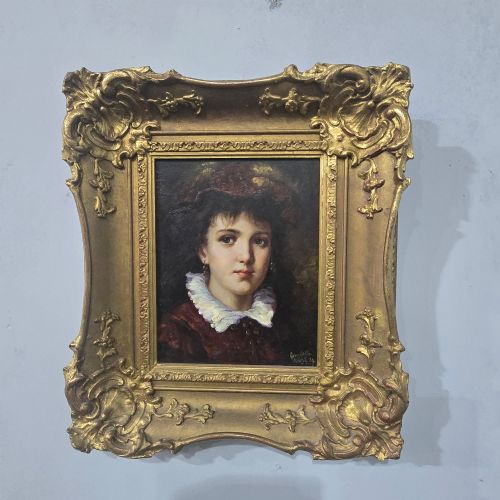
Traditional Framed Wall Picture
These traditional framed wall picture works span centuries of painting and printmaking, offering character and heritage to any interior through period frames.
Traditional Framed Wall Picture
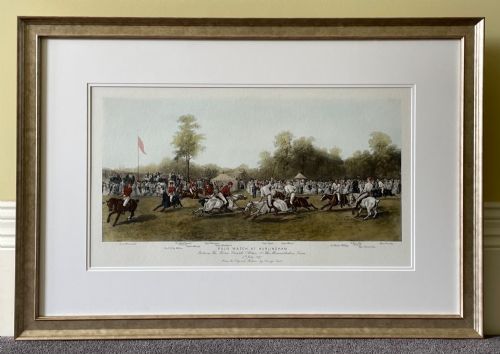
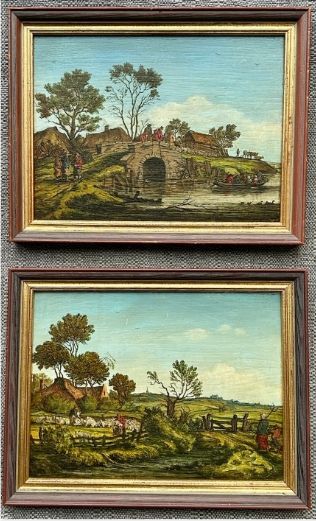
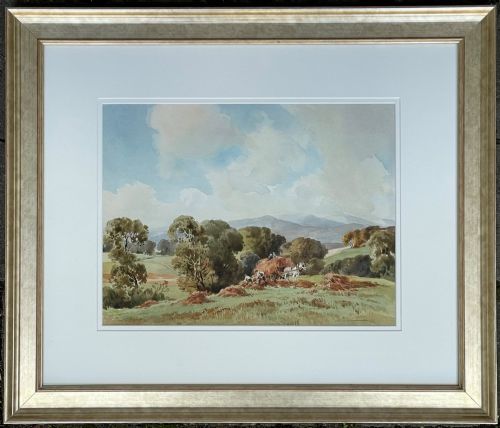
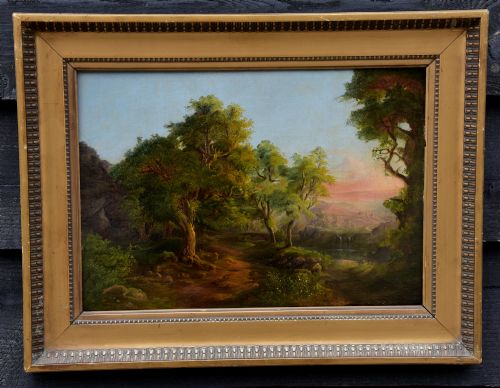
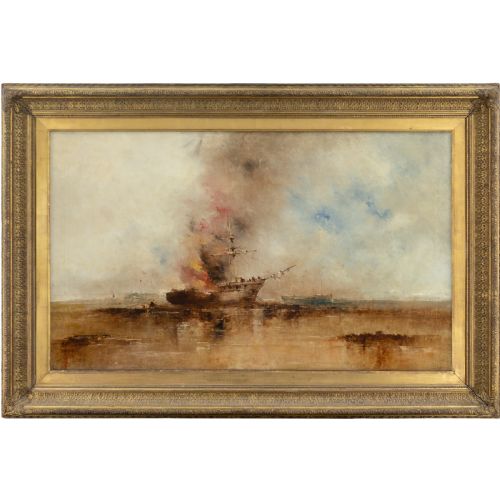
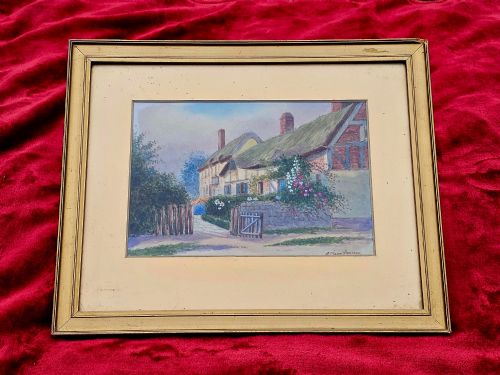
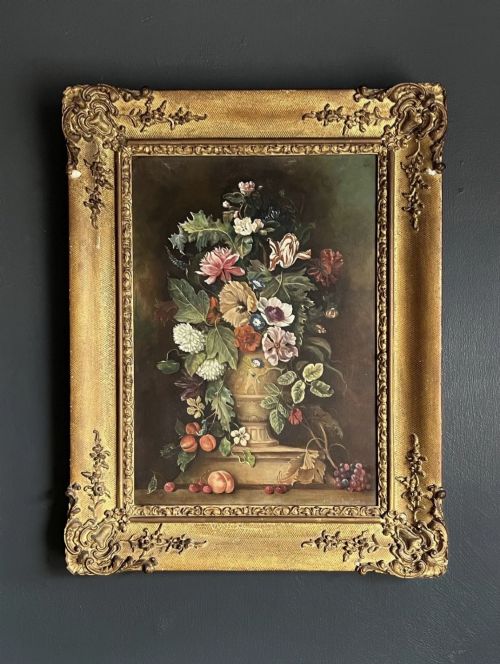
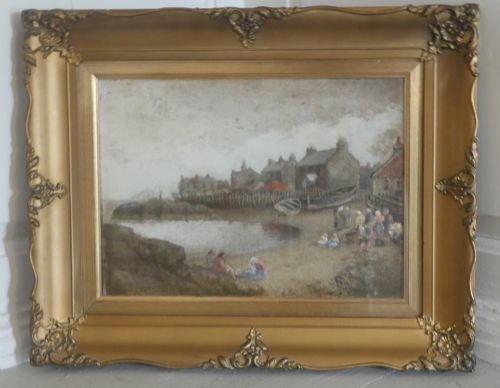
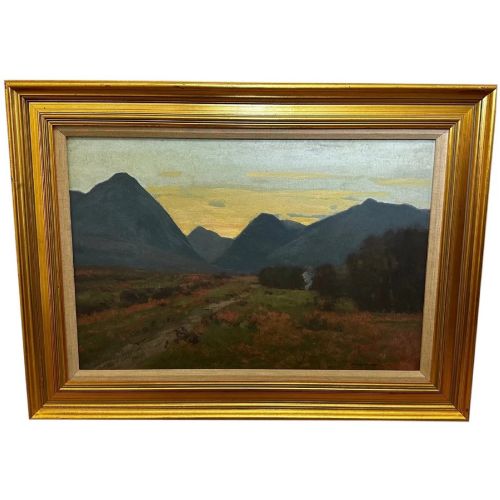
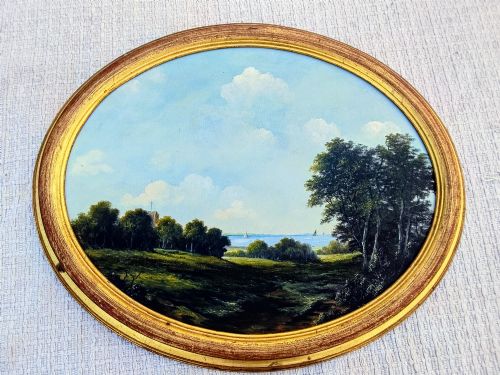
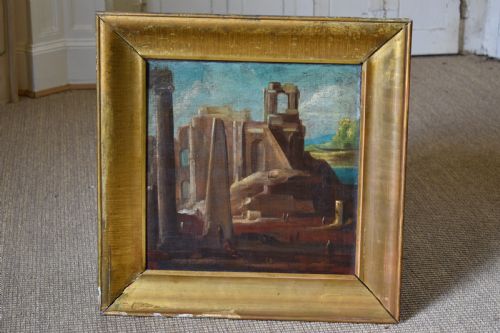
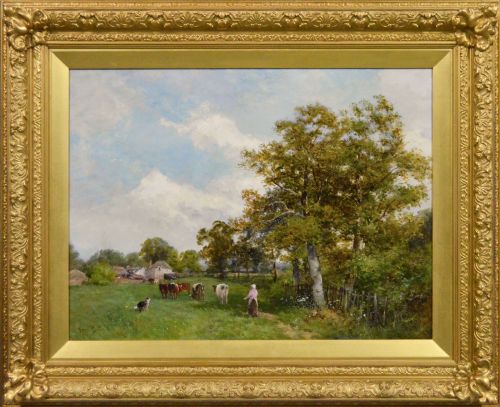
A traditional framed wall picture encompasses oil paintings, watercolours, lithographs, and engravings housed within period surrounds of wood, gesso, and giltwood. These works range from intimate pastoral watercolours to grand oil on canvas landscapes and portraits created by British and European artists.
Buyers meet pieces originating from the nineteenth century, Edwardian era, and mid-twentieth century, including Dutch Golden Age styles and British Impressionism. Forms vary from rectangular formats to large oval glazed portrait prints and decorative wall art on board, paper, and canvas panels.
Materials and construction methods
Makers utilised oil, watercolour, pastel, and ink upon supports of canvas, wood panels, card, and paper. Pigments were applied with traditional brushwork, sometimes complemented by lithographic printing or engraving techniques to reproduce classic compositions.
Frames are constructed from solid wood or moulded gesso, frequently finished with gold leaf or gilt details to complement the artwork within. Glazing protects delicate watercolours and paper prints, while heavy timber frames provide structural support for large canvases.
Canine companions frequently join the human subjects, peering out from pastoral landscapes and equestrian portraits alike.
Distinctions in quality
Quality rests upon the skill of the draughtsmanship, the fluidity of the brushwork, and the harmony between the artwork and its original or period frame. Finer paintings demonstrate subtle tonal control and confident handling, whereas decorative prints rely on the crispness of the impression.
The integrity of the mounting materials and the preservation of the surface pigment determine the enduring presence of a piece. Gilt gesso frames retaining their original gilding and surface texture elevate the overall calibre of the wall art.
William H Myers·Percy Lancaster·William McAlpine·A. Marie Parsons·George Houston·David Bates·Walter Heath Williams·Joseph H Barnes·Johannes Lingelbach·Albert Rieger·Thomas Kent Pelham
The Traditional Framed Wall Picture Glossary
- Giltwood
- Wood that has been coated with a thin layer of gold leaf or metallic powder. This finish brings warmth and reflection to picture frames.
- Gesso
- A plaster-like mixture applied to wood frames and smoothed before gilding or painting. It allows craftsmen to carve intricate relief ornaments.
- Lithograph
- A print produced from a flat stone or metal plate treated to retain ink in designated areas. The method captures fine tonal gradations.
- Oleograph
- A type of chromolithographic print textured to mimic the surface of an oil painting. These were popular for reproducing fine art accessibly.
- Watercolour
- Paint consisting of pigment suspended in a water-soluble binder, applied to paper. It yields luminous, transparent washes of colour.
Traditional Framed Wall Picture: Frequently Asked Questions
How do I hang a heavy framed oil painting?
Heavy framed oil paintings require secure wall anchors or direct placement into wooden studs using robust picture wire and steel hooks.
Verify that the weight capacity of the hanging hardware matches the combined heft of the timber frame and canvas.
Can I place watercolours in direct sunlight?
Direct sunlight causes watercolours and paper prints to fade over time because pigments react to ultraviolet rays.
Position these delicate works on interior walls away from bright windows to preserve the integrity of the paper and paint.
How do I clean an antique gilt frame?
Antique gilt frames require gentle dusting with a soft, dry brush to remove particulate matter without disturbing fragile gold leaf.
Avoid liquid cleaners and harsh chemicals, which can strip away the historical gesso and metallic finish.