


17th Century Style Artwork
17th century style artwork brings the dramatic depth of the Baroque era and the Golden Age into interior spaces through oil paintings and panels.
17th Century Style Artwork
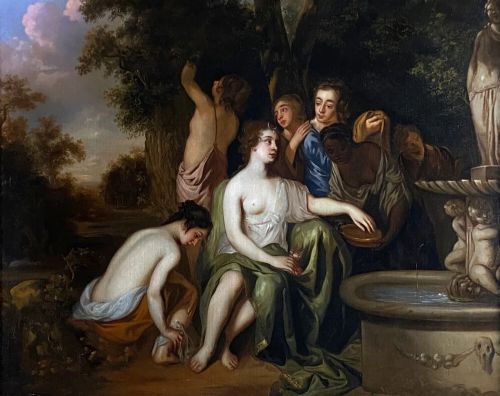
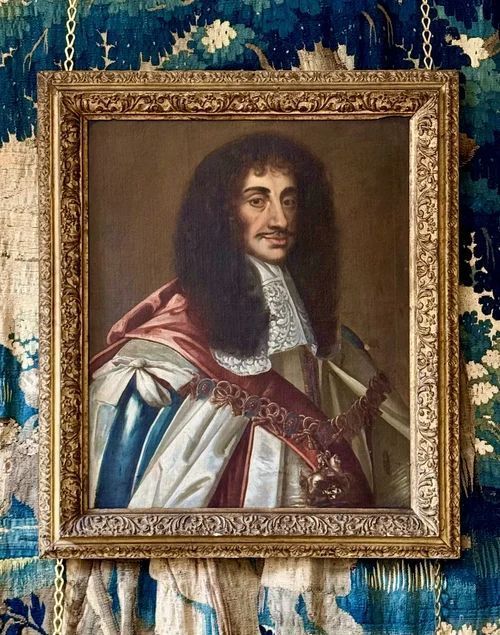
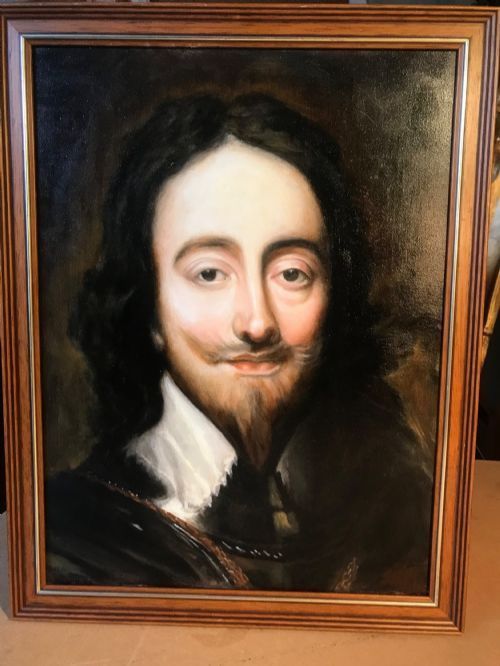
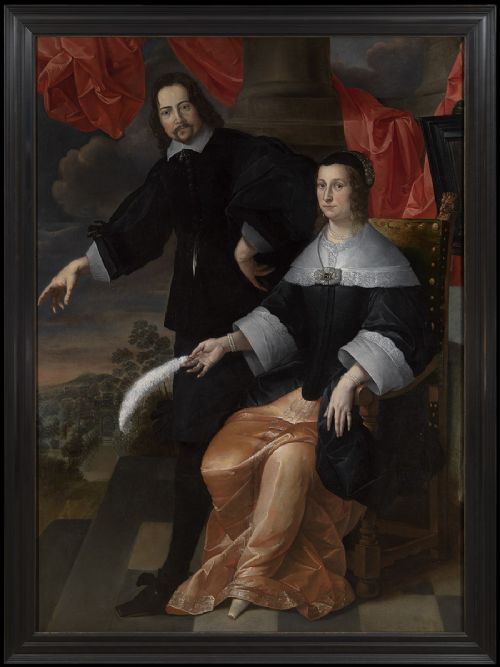
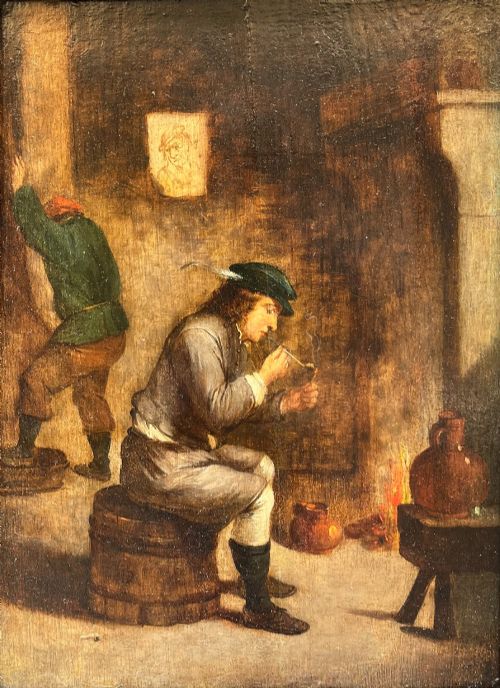
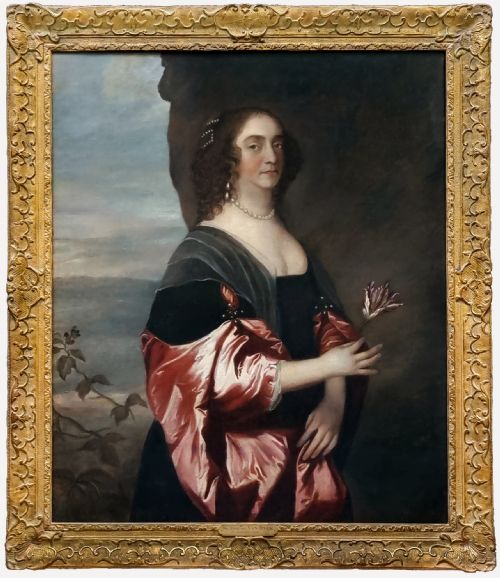
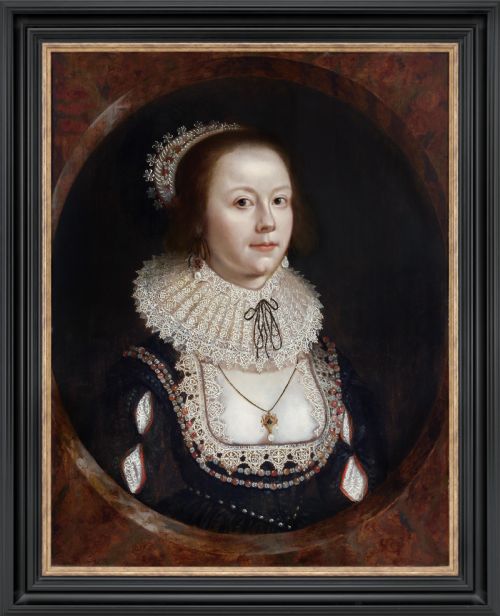
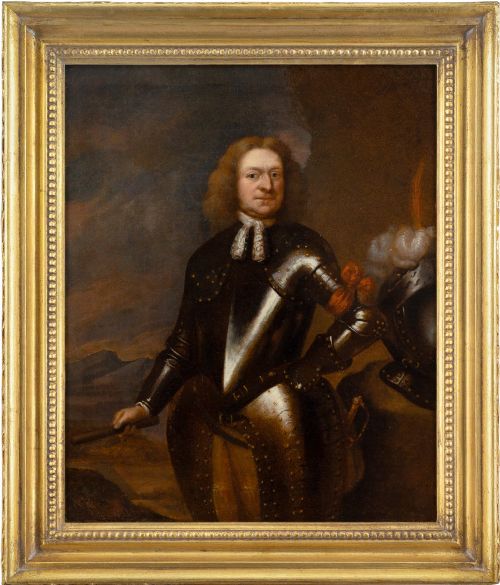
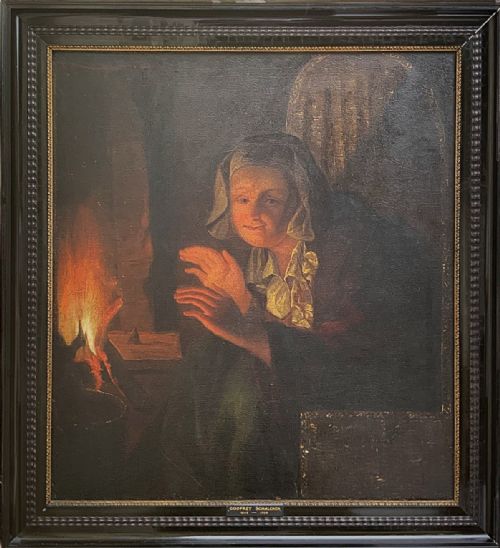
Most pieces on this page lean heavily into Dutch Golden Age, Flemish Baroque, and Spanish Baroque traditions. Buyers meet works attributed to circles or followers of masters like Sir Peter Lely and David Teniers, capturing aristocratic attire, ruff collars, and moody chiaroscuro lighting.
How They Were Made
The physical objects rely principally on oil paint applied to woven canvas or rigid wooden panels, often framed in elaborate giltwood. Painters built depth through layered glazes and stark contrasts of light and shadow characteristic of the Baroque period.
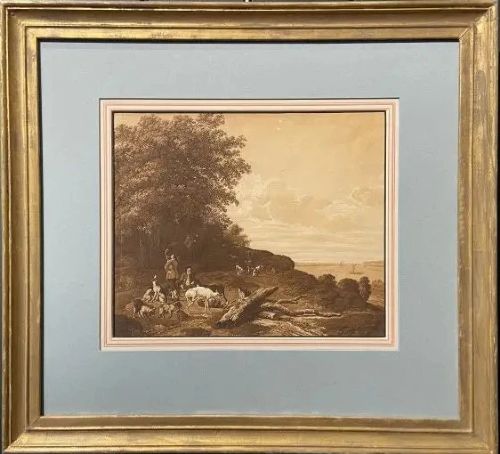
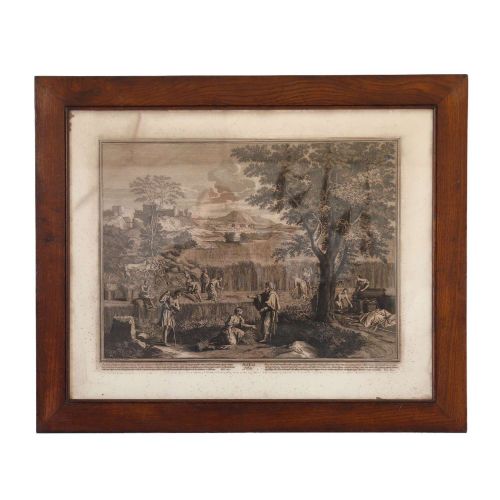
Support materials range from sturdy oak panels to traditional canvas substrates, sometimes supplemented by nineteenth-century student copies and engravings that imitate earlier techniques.
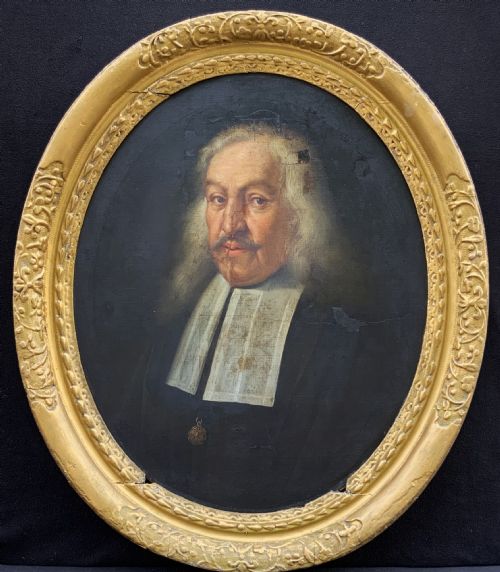
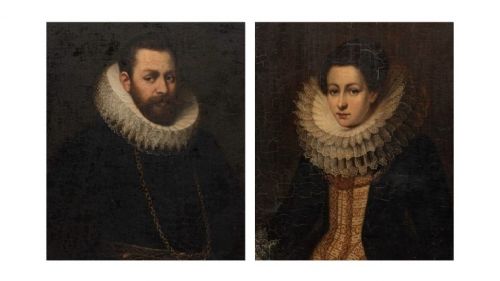
Several noble sitters gaze out across the centuries wearing impossibly stiff ruff collars that defy all modern notions of neck comfort.
What Varies in Quality
Quality rests in the handling of light, anatomical precision, and the expressive depth of the brushwork rather than mere age. Stronger pieces display confident rendering of fabrics like satin and lace, alongside convincing spatial depth in landscapes and interiors.
Studio pieces and works by followers show varying degrees of masterly execution, where stiffer brushwork or rigid proportions distinguish lesser interpretations from the fluid vitality seen in top-tier portraits and marine scenes.
Sir Peter Lely·David Teniers·Cornelius Johnson·Nicolaes Maes·Philips Wouwerman
The 17th Century Style Artwork Glossary
- Chiaroscuro
- Strong contrasts between light and dark to give a sense of volume to three-dimensional objects and figures. This technique defines much of the dramatic tension in seventeenth-century painting.
- Circle of
- A designation indicating the artist worked in the studio or under the direct influence of a named master. It denotes period proximity without asserting direct authorship.
- Genre scene
- A painting depicting aspects of everyday life by depicting ordinary people engaged in common activities. Tavern interiors and musical gatherings form common examples here.
- Giltwood
- Wood that has been treated with gold leaf or a gold-colored finish for decorative framing. These frames frequently complement the deep tones of old master canvases.
- Panel painting
- A painting executed on a flat piece of wood rather than stretched canvas. Oak panels were especially favoured by early northern European schools.
17th Century Style Artwork: Frequently Asked Questions
What defines a 17th century style artwork?
These pieces typically feature dramatic lighting, rich colour palettes, and subjects ranging from aristocratic portraits to bustling village fetes and maritime battles. They capture the aesthetic of the Dutch Golden Age and European Baroque movements.
Buyers find both genuine period works from the seventeen-hundreds and later nineteenth-century homages that adopt the same atmospheric techniques and traditional oil mediums.
How can I tell a genuine period piece apart from a later copy?
Distinguishing periods requires examining the preparation of the canvas or wood panel, the ageing of the oil paint layers, and the framing materials. Pigment analysis and stretcher construction often provide clues to the actual date of execution.
Many listings include pieces created in the manner or circle of known masters during subsequent centuries, serving as stylistic homages rather than primary source documents.
Where should I hang these oil paintings?
These works suit traditional studies, libraries, or dining rooms where dark wood furniture and subdued wall colours complement their deep tones. Proper placement avoids direct sunlight to protect fragile oil paints and giltwood frames.
Because many pieces feature substantial gilt frames, secure wall fixings ensure safe display for heavier canvas and oak panel formats.
What subjects are most common?
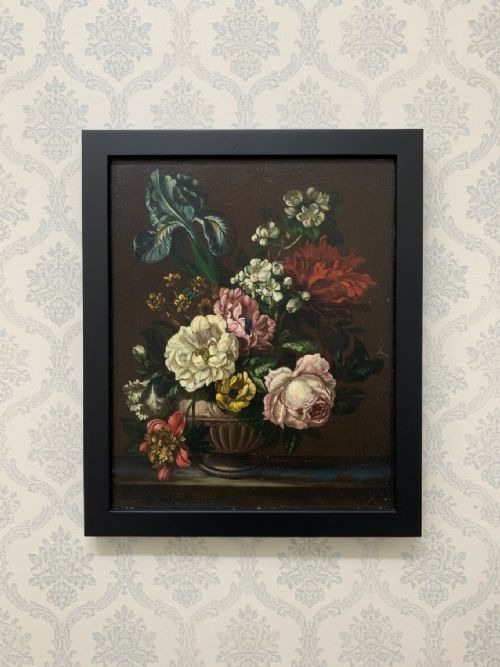
Portraits of noblemen and ladies in elaborate ruff collars and satin attire dominate the selections, alongside still lifes featuring flowers and hunting spoils. Narrative scenes of musicians and cavalry skirmishes also appear frequently.
These subjects reflect the cultural preoccupations of European patrons during the Baroque era and the subsequent revivals of the nineteenth century.